
Vuur — History & Facts
This thought lingers in the air, echoing through the layers of time and art, prompting reflection on the transient nature of existence. Look to the swirling hues of crimson and gold, where light dances on the surface of the flames, drawing your eye into the heart of the chaos. The masterful brushwork creates a sense of movement, as if the fire itself is alive, consuming all it touches. Notice how darker shades outline the figures in the foreground, their expressions awash with both awe and terror, grounding the chaotic beauty in human emotion. Yet beyond the immediate spectacle lies a deeper commentary on mortality, the destruction woven into the exquisite tapestry of life.
The juxtaposition of vibrant flames with the looming shadows suggests an inevitability—the beauty of fire also heralds loss and transformation. Each flicker carries a reminder of what is ephemeral, inviting viewers to confront their own fleeting moments amid the allure of the dramatic. In the early 1650s, during the height of Dutch Golden Age painting, Reinier Nooms created this work amidst a flourishing artistic movement. At this time, he was gaining recognition for his maritime scenes, yet Vuur diverges from his usual subjects, reflecting a complex interplay of emotions.
The canvas reveals not only the personal struggles faced during his life but also the broader human experience of grappling with beauty and mortality.
More Artworks by Reinier Nooms
Browse all →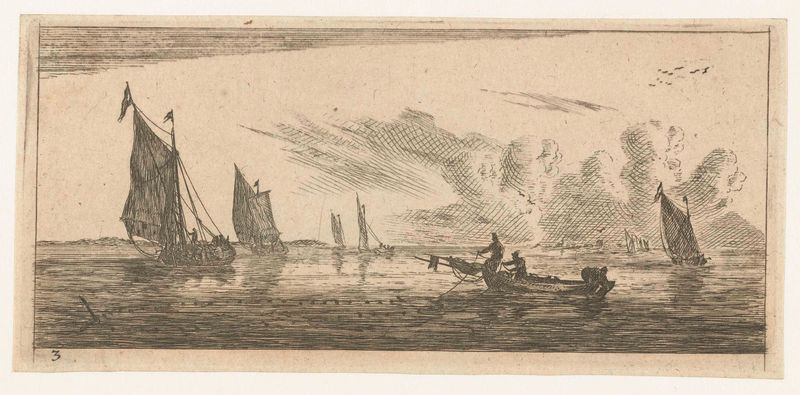
Zeegezicht met verschillende zeilschepen
Reinier Nooms
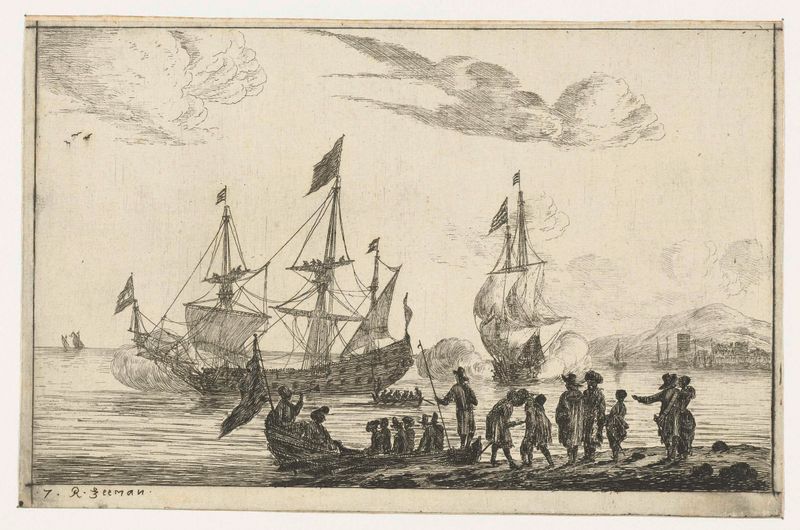
Havenscène met een spiegelsloep
Reinier Nooms
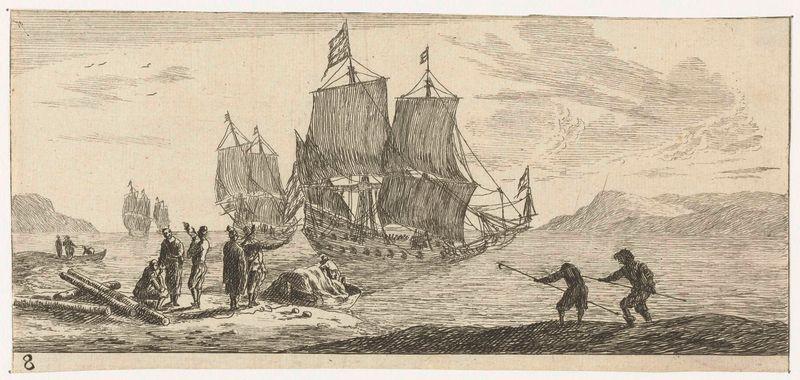
Vier grote zeilschepen in een baai
Reinier Nooms
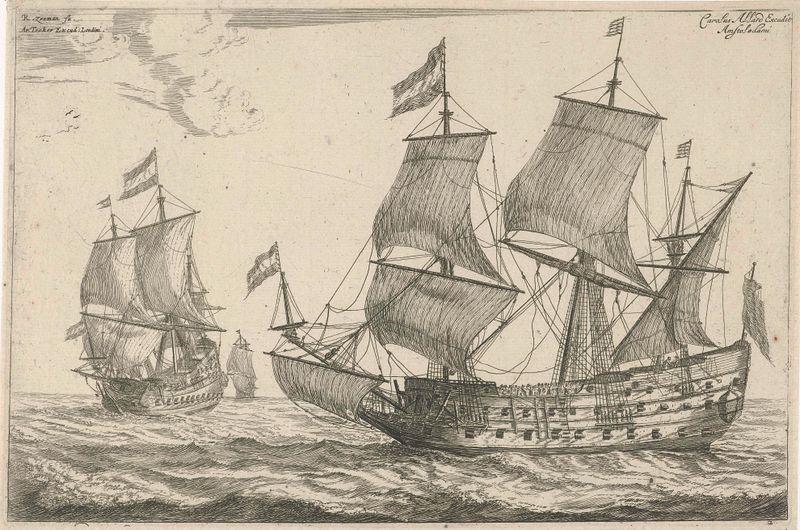
Twee grote oorlogsschepen
Reinier Nooms
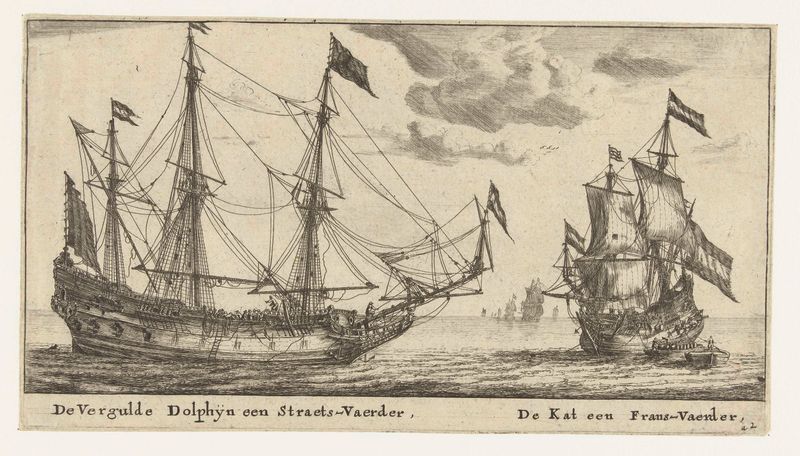
De schepen De Vergulde Dolfijn en De Kat
Reinier Nooms
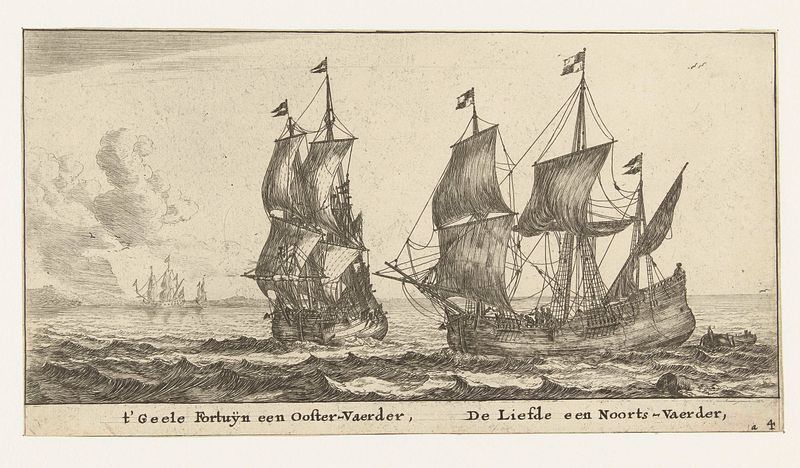
De schepen 't Gele Fortuin en De Liefde
Reinier Nooms
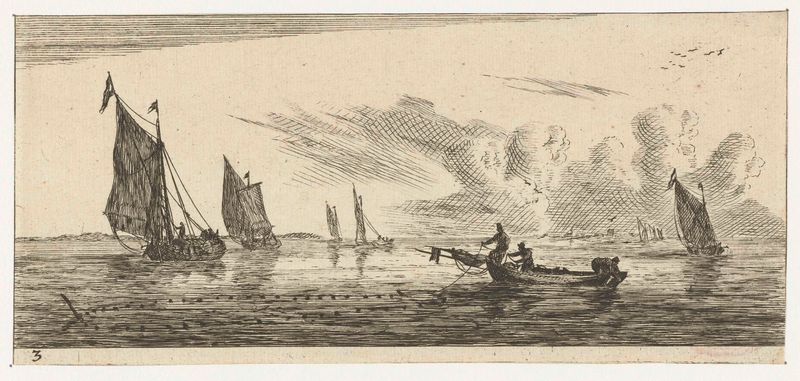
Zeegezicht met verschillende zeilschepen
Reinier Nooms
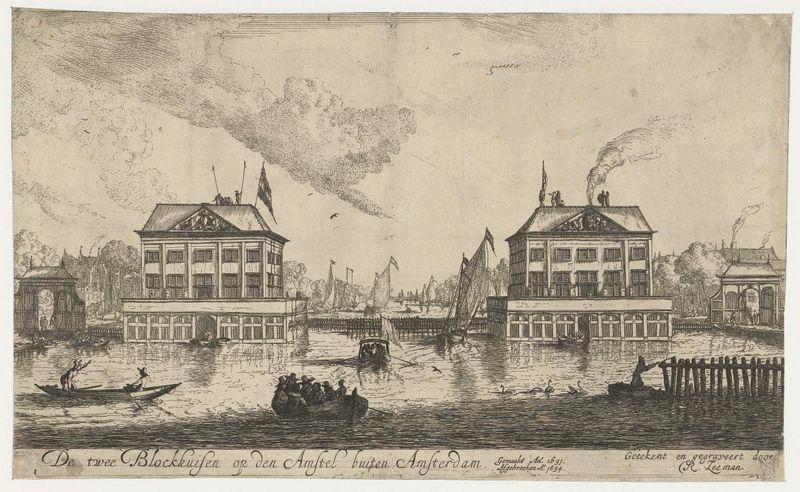
Gezicht op de twee Blokhuizen in de Amstel
Reinier Nooms
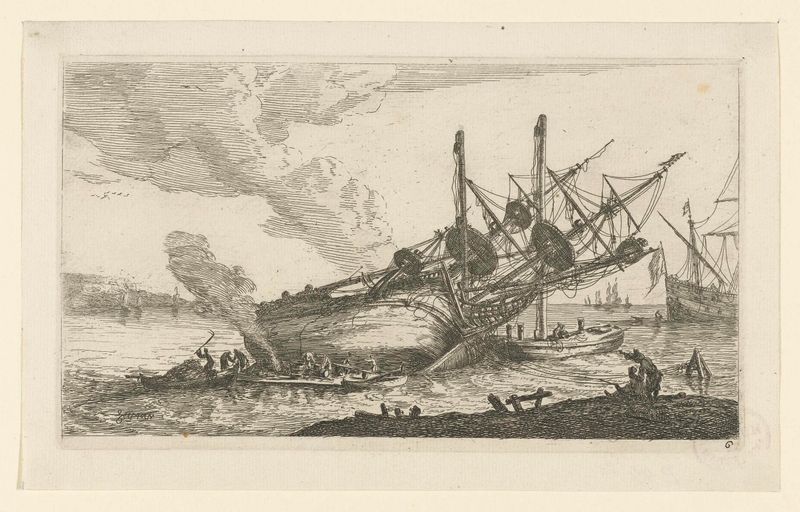
Reparaties aan de romp van een schip
Reinier Nooms
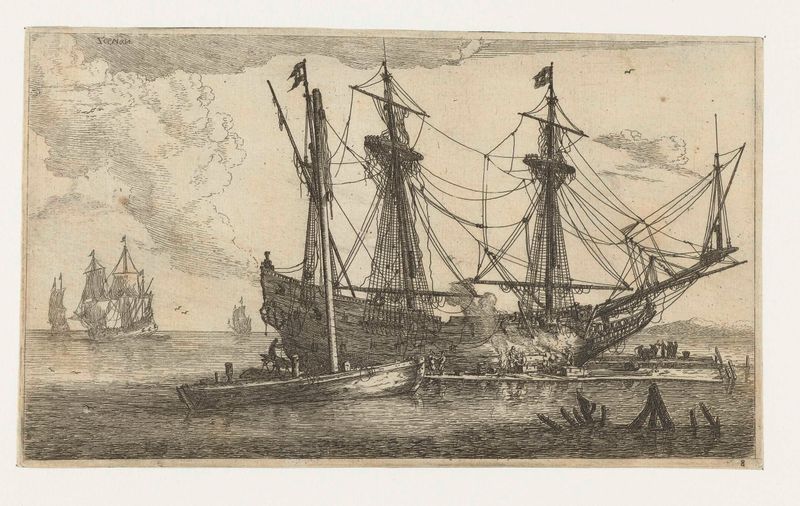
Reparaties aan de romp van een schip
Reinier Nooms





