
Waldlandschaft mit Hirt und Herde — History & Facts
Is this a mirror — or a memory? The gentle undulations of the landscape invite us to question our perception of reality, as movement flows in every brushstroke, capturing both time and place. Begin by examining the left side of the canvas, where a shepherd stands, poised in quiet contemplation. His figure is enveloped by a lush green expanse, harmoniously blending the cool tones of nature with the warmth of his presence. Notice how Kobell utilizes light, infusing the scene with a golden hue that dances across the grazing sheep.
The softness of the brushwork evokes a serene atmosphere, drawing you into this pastoral reverie. As you delve deeper, you'll uncover contrasts that resonate with life’s complexity. The sheep, with their scattered formations, reflect both unity and individuality, echoing the balance of community and solitude inherent in rural existence. The distant hills, shrouded in mist, symbolize the infinite horizon of opportunity, while the shepherd's steady gaze suggests a grounding presence in the face of the unknown.
These subtle narratives enrich the painting, making it a contemplation of the human condition amidst nature's embrace. Created during a time of artistic exploration in the late 18th century, the artist found his footing in Germany, where the pastoral tradition was gaining new significance. Kobell's work emerged as part of the burgeoning Romantic movement, a reaction against the rigid constraints of Neoclassicism. In this environment, he sought to portray the beauty of the natural world, infusing his landscapes with emotional depth, inviting viewers to resonate with their own memories of nature and solitude.
More Artworks by Ferdinand Kobell
Browse all →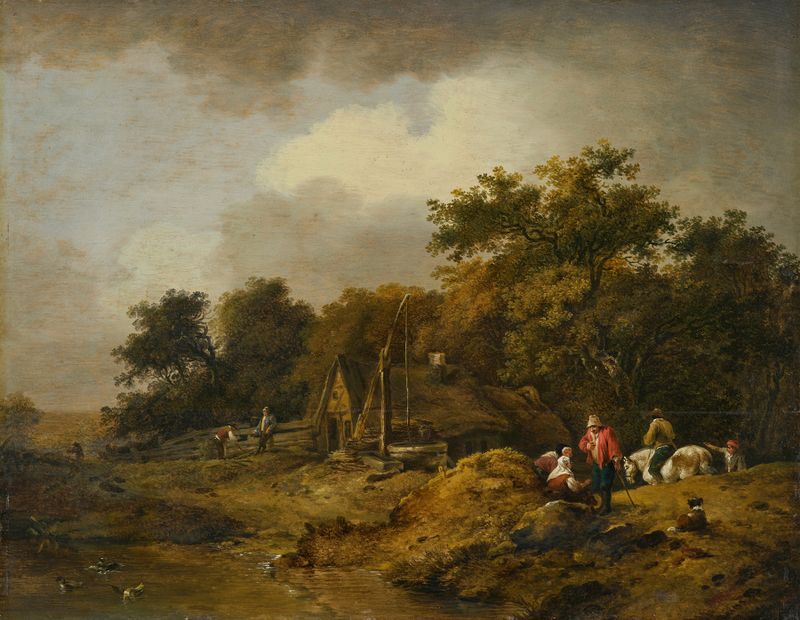
Landscape with Hut and Draw Well
Ferdinand Kobell

Mittelrheinische Flußlandschaft
Ferdinand Kobell

Mondscheinlandschaft mit Fischern am Lagerfeuer
Ferdinand Kobell
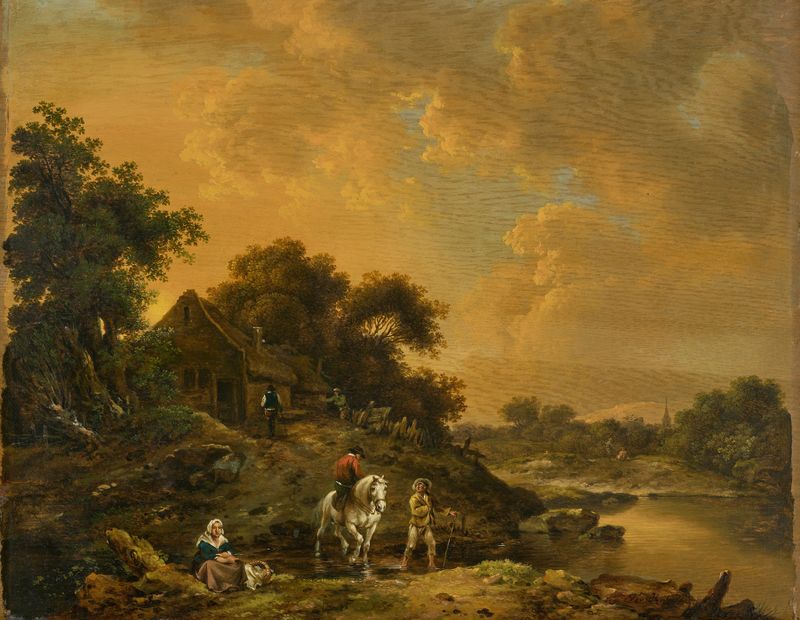
Evening Landscape
Ferdinand Kobell
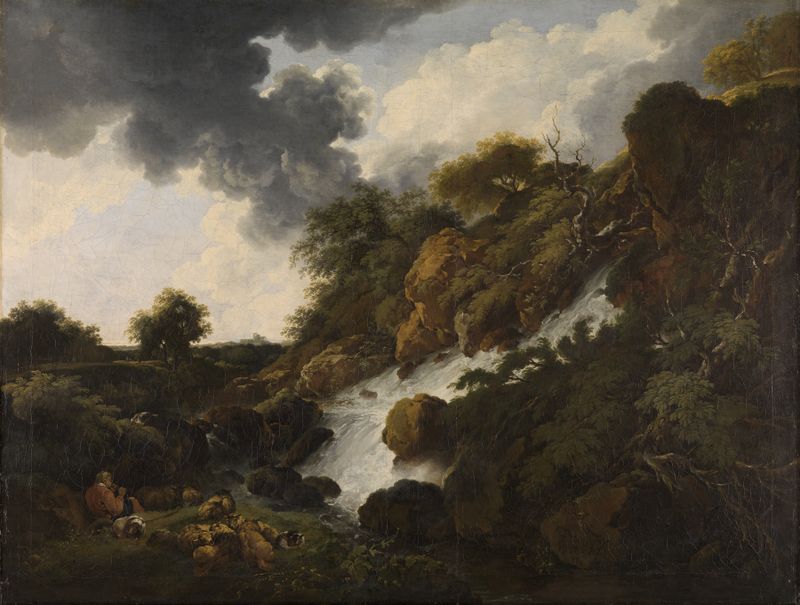
Gebirgslandschaft mit Wasserfall
Ferdinand Kobell
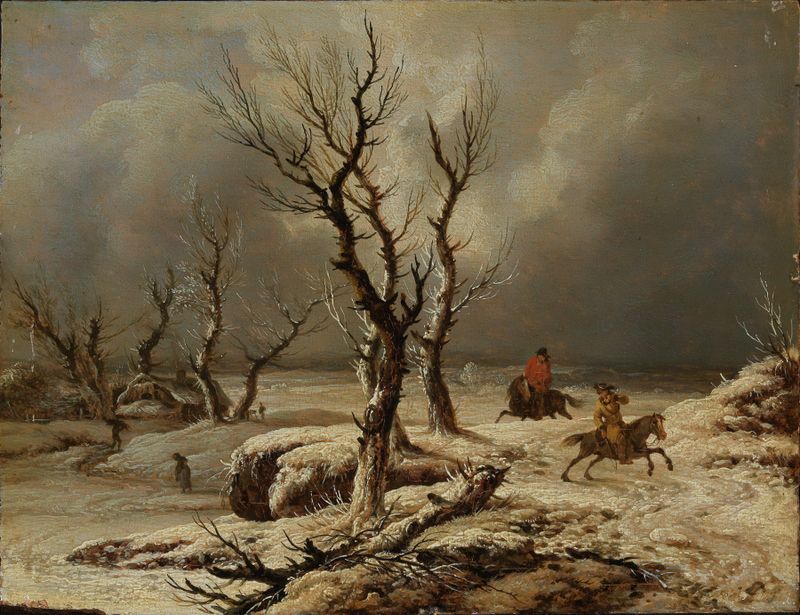
Winterlandschaft mit zwei Reitern
Ferdinand Kobell

Landscape with Travelers
Ferdinand Kobell
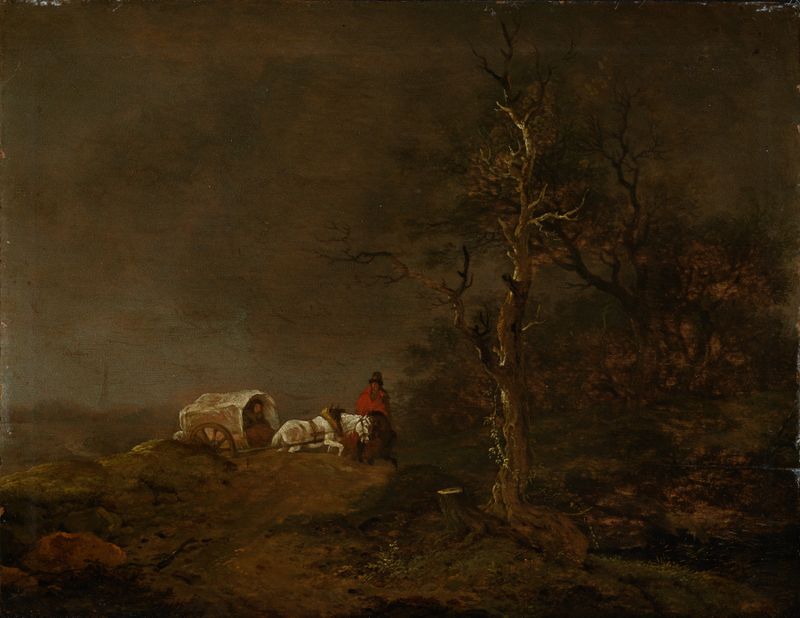
Gewitterlandschaft mit Bauernwagen
Ferdinand Kobell
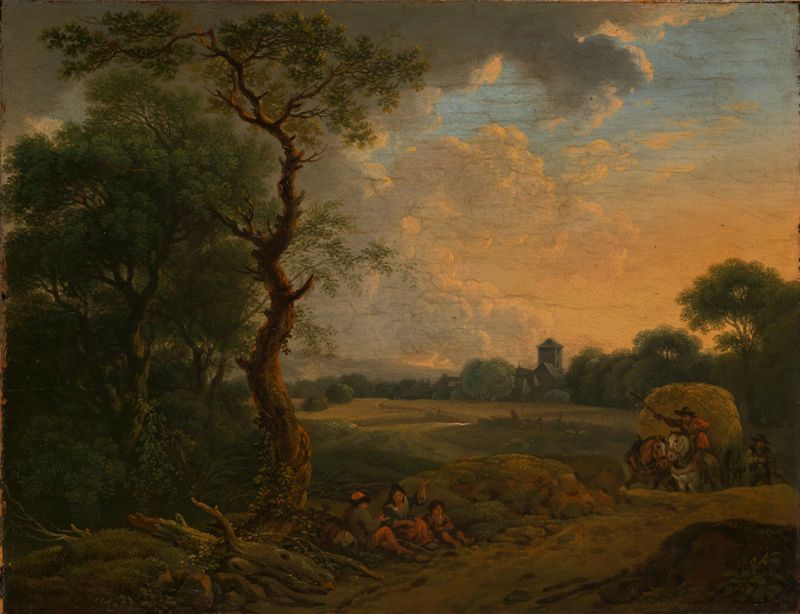
Abendlandschaft mit Heuwagen
Ferdinand Kobell
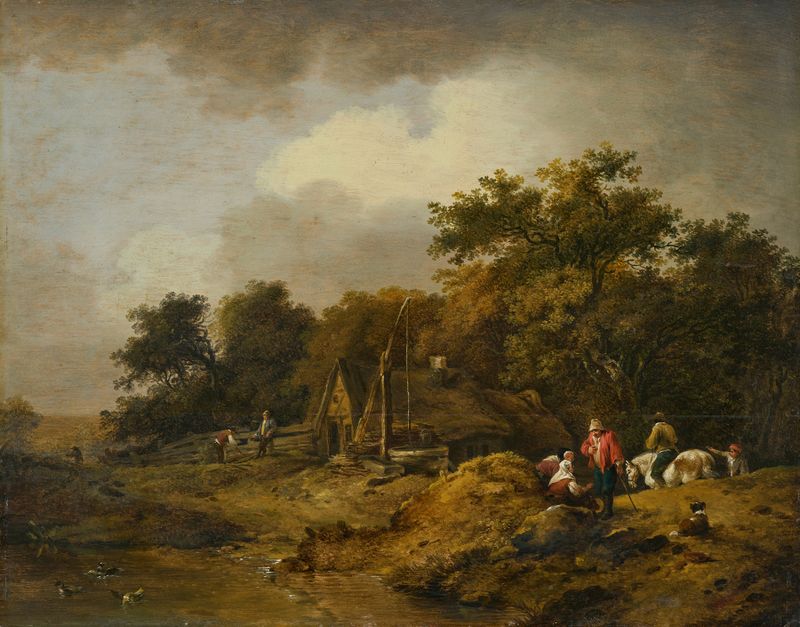
Landscape with Hut and Draw Well
Ferdinand Kobell





