
Waldweg — History & Facts
Is this a mirror — or a memory? In Waldweg, the boundary between dreams and reality blurs, inviting the viewer to step into an enchanting, verdant world where ecstasy dances in the dappled sunlight. Look to the left at the gentle caress of light filtering through the canopy, illuminating the path that snakes through the lush foliage. Halauska employs rich greens and warm earth tones, creating a lush tapestry that envelops the viewer in a serene embrace. The soft brushwork conveys movement; leaves flutter as if whispering secrets only the trees can hear.
This deliberate technique draws the eye along the winding trail, suggesting both a journey and a moment suspended in time. Beneath the surface, the painting hints at deeper themes of exploration and solitude. The path symbolizes choices and the unknown, inviting contemplation on life's direction. The interplay of light and shadow evokes an emotional dichotomy, where moments of joy and stillness coexist, reflecting the complexity of human experience.
Halauska captures the essence of nature as a source of solace, evoking an ecstatic connection between the viewer and the world around them. In 1855, Halauska painted Waldweg during a time of burgeoning Romanticism, when artists sought to express emotion and individuality through nature. Living in Germany, he was influenced by the landscape around him and the cultural shifts that celebrated personal experience. This piece emerged from a pivotal moment in art history, where an appreciation for the sublime in nature resonated deeply with the societal changes of the era.
More Artworks by Ludwig Halauska
Browse all →
Der Schneeberg in Niederösterreich von Gutenstein aus gesehen
Ludwig Halauska

A View of Klamm Castle near Imst in the Inntal in Tyrol
Ludwig Halauska
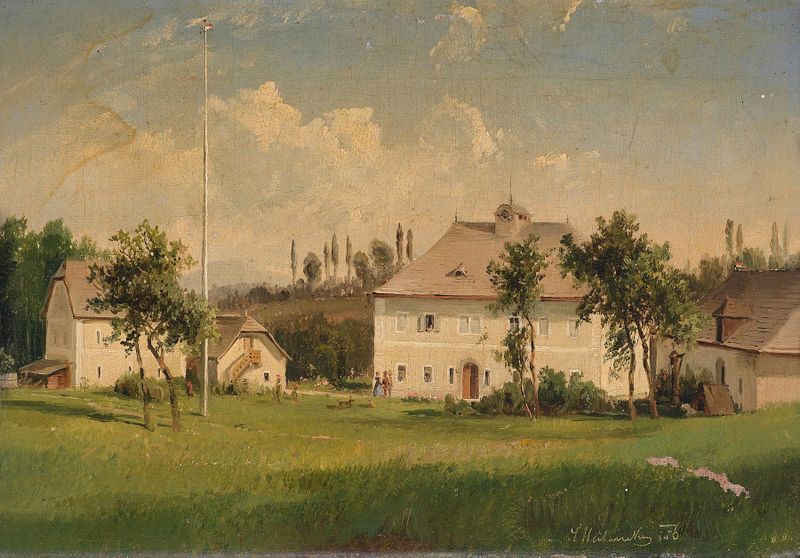
Blick auf einen Gutshof
Ludwig Halauska

Blick auf das Dorf Tutschach bei Aflenz
Ludwig Halauska
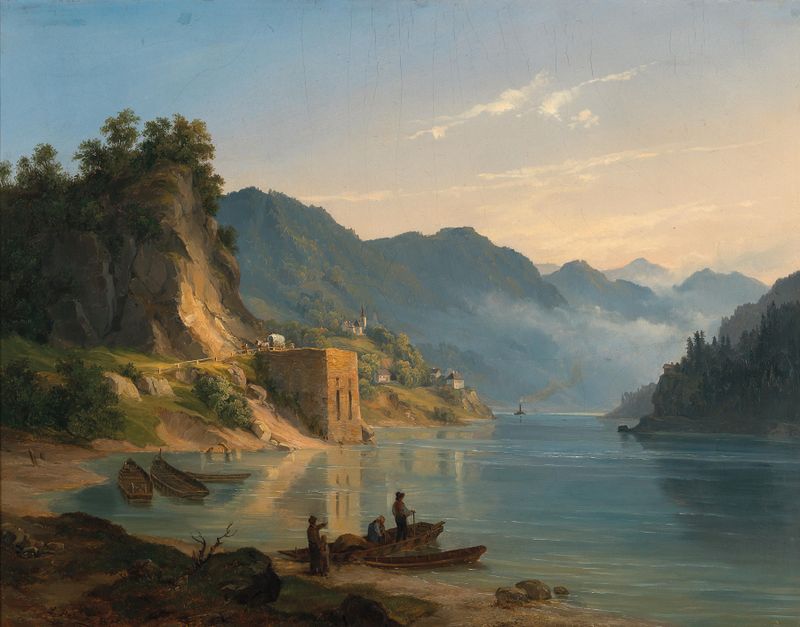
St. Nikola im Strudengau
Ludwig Halauska

Blick auf das Dorf Tutschach bei Aflenz mit dem Jauringbach im Vordergrund
Ludwig Halauska

Landschaft bei Flintsbach am Inn
Ludwig Halauska
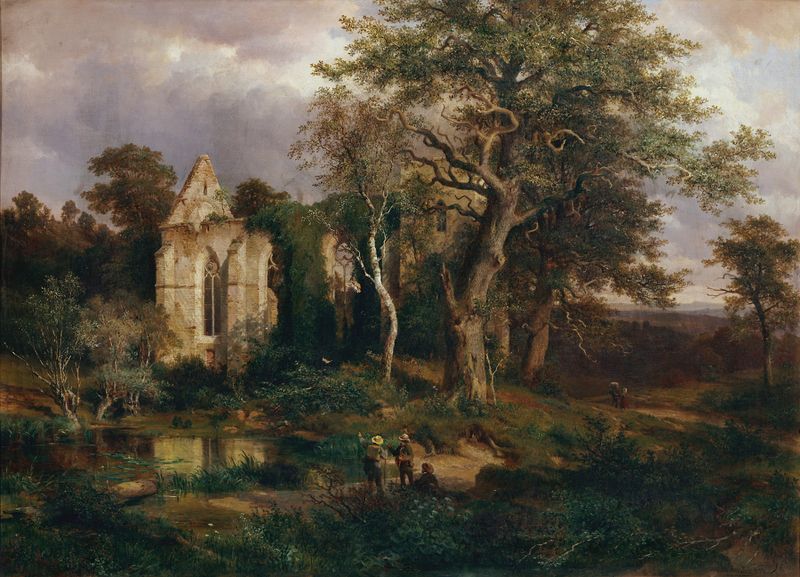
Kirchenruine
Ludwig Halauska

Partie aus Mittenwald am Karwendelgebirge
Ludwig Halauska

Sommerlandschaft
Ludwig Halauska





