
Sommerlandschaft — History & Facts
What secret hides in the quiet of the canvas? In the stillness of Sommerlandschaft, a yearning for connection with nature unfolds, inviting viewers into a serene yet deeply emotional landscape. Look to the foreground, where soft, waving grasses frame the scene, inviting a gentle breeze to stir them. The warm palette of greens and golds bathes the canvas in sunlight, while a distant line of trees stands humbly against the sky. Notice how the light dances across the rolling hills, creating a rhythm that echoes the pulse of the earth.
This harmonious composition not only captures the tranquil beauty of the landscape but also evokes an intrinsic longing for simpler times and spaces. Within this idyllic setting lies a subtle tension: the interplay between the expansive sky and the grounded earth suggests a yearning for freedom. The brushstrokes, while gentle, convey a sense of movement, as if the viewer is caught in a moment between stillness and the desire to wander. The slight variations in color, from the deep greens to the vibrant yellows, hint at the complexities of nature’s beauty and the emotions it stirs within us. In 1869, Ludwig Halauska painted Sommerlandschaft during a time when the art world was increasingly embracing realism and the beauty of the natural world.
Living in a period marked by industrialization, he sought solace in the landscapes that surrounded him, capturing not just the physical beauty, but the emotional resonance of a world on the brink of change.
More Artworks by Ludwig Halauska
Browse all →
Der Schneeberg in Niederösterreich von Gutenstein aus gesehen
Ludwig Halauska

A View of Klamm Castle near Imst in the Inntal in Tyrol
Ludwig Halauska
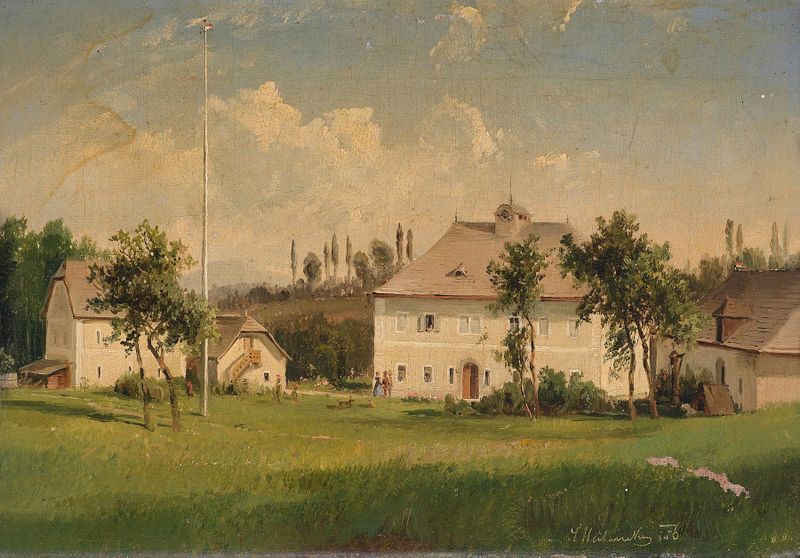
Blick auf einen Gutshof
Ludwig Halauska

Blick auf das Dorf Tutschach bei Aflenz
Ludwig Halauska
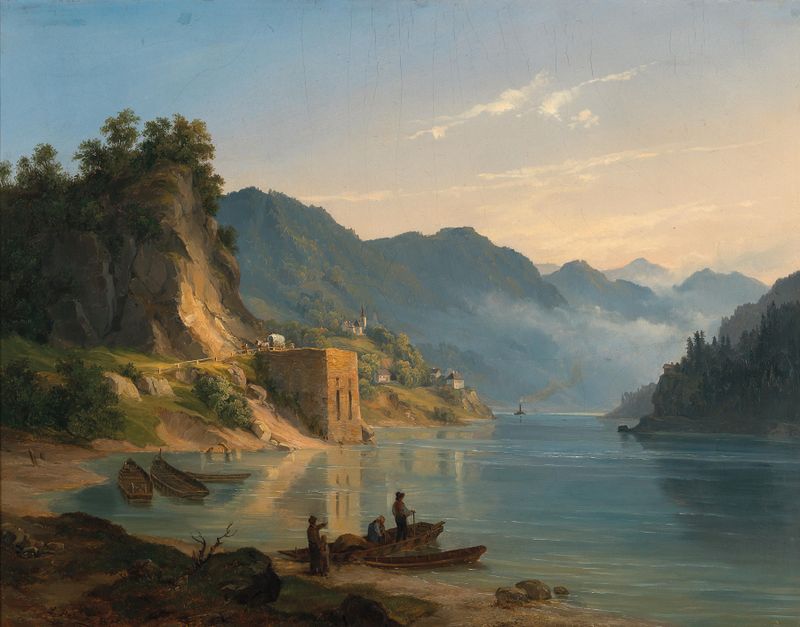
St. Nikola im Strudengau
Ludwig Halauska

Blick auf das Dorf Tutschach bei Aflenz mit dem Jauringbach im Vordergrund
Ludwig Halauska

Landschaft bei Flintsbach am Inn
Ludwig Halauska
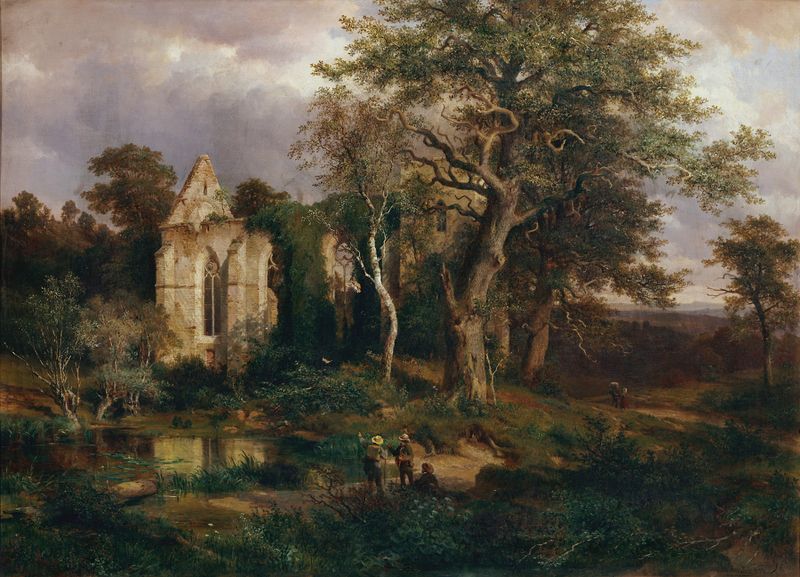
Kirchenruine
Ludwig Halauska

Partie aus Mittenwald am Karwendelgebirge
Ludwig Halauska
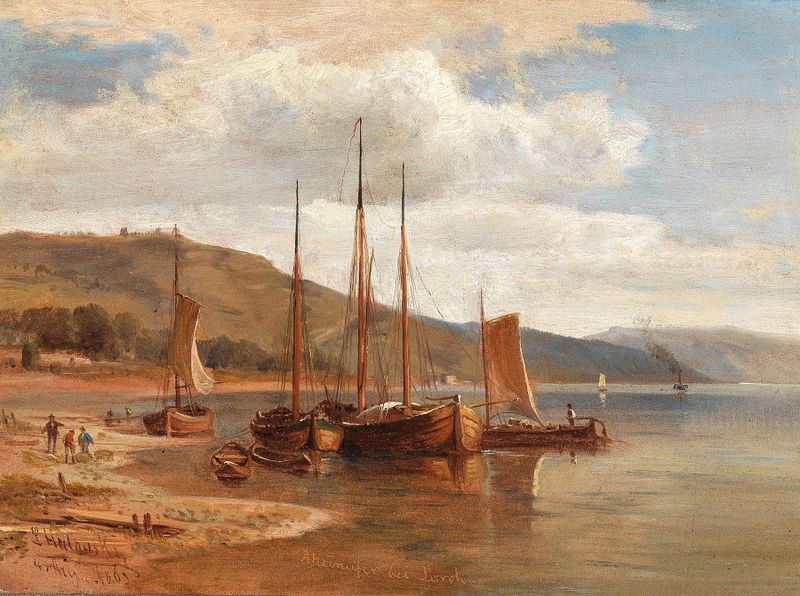
Rheinufer bei Lorch
Ludwig Halauska





