Wangen — History & Facts
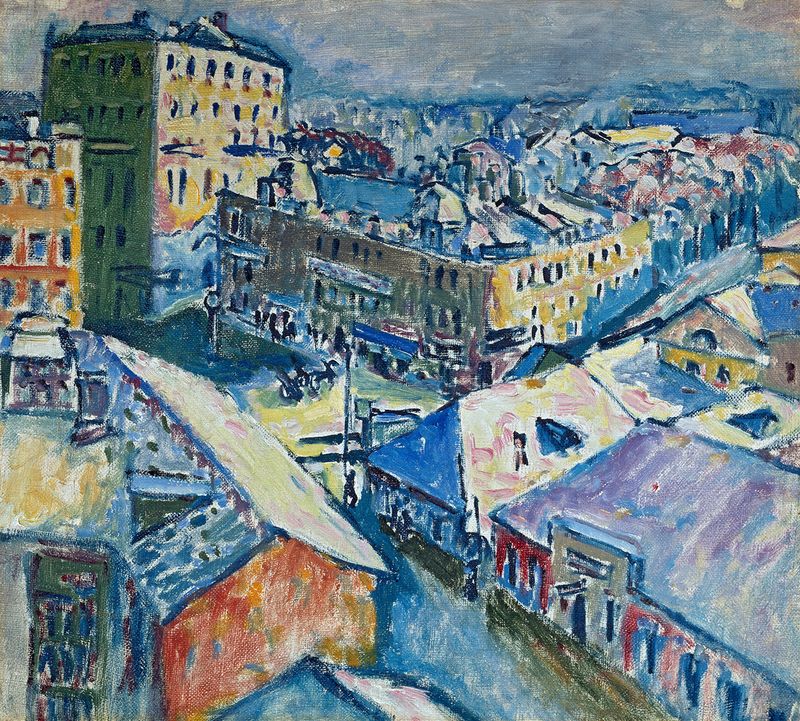
When did color learn to lie? The vibrant hues that dance across the surface whisper of life, yet conceal a deeper truth waiting to be unearthed. Look closely at the bold strokes that carve out forms in the canvas; the copious reds and yellows seem to pulse with energy. Notice how the cascading blue intertwines with the warmer tones, creating an interplay that draws the eye into a whirlpool of emotion. Each color choice is deliberate, hinting at a rebirth, an evolution that transcends mere representation.
The composition feels alive, as if it breathes with the very essence of reinvention. Hidden within these vivid layers lies a tension between illusion and reality. The swirling patterns may suggest movement, yet they ground a sense of stillness that invites contemplation. There’s an underlying complexity in the embrace of color that speaks to the cyclical nature of existence—the fleeting joy intertwined with an undercurrent of melancholy.
It is a reminder that beauty often masks deeper narratives, and that rebirth can be both exhilarating and painful. Created in a time when artistic expression was in flux, the piece emerged from the mind of Weibel, who navigated a world of shifting paradigms. While the exact date remains elusive, his work reflects an era marked by experimentation and a quest for new beginnings. A significant figure in the art scene, Weibel’s explorations reveal his own journey through the turbulent landscape of his time, as he sought to capture the essence of transformation in a rapidly changing world.
More Artworks by Jakob Samuel Weibel
Browse all →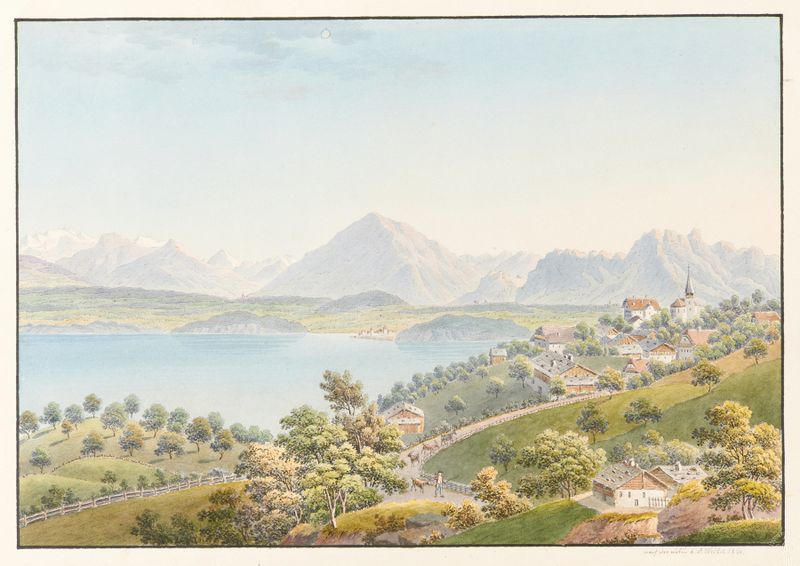
Vue dessiné depuis le Village de Sigriswil, audessus du Lac de Thoune
Jakob Samuel Weibel
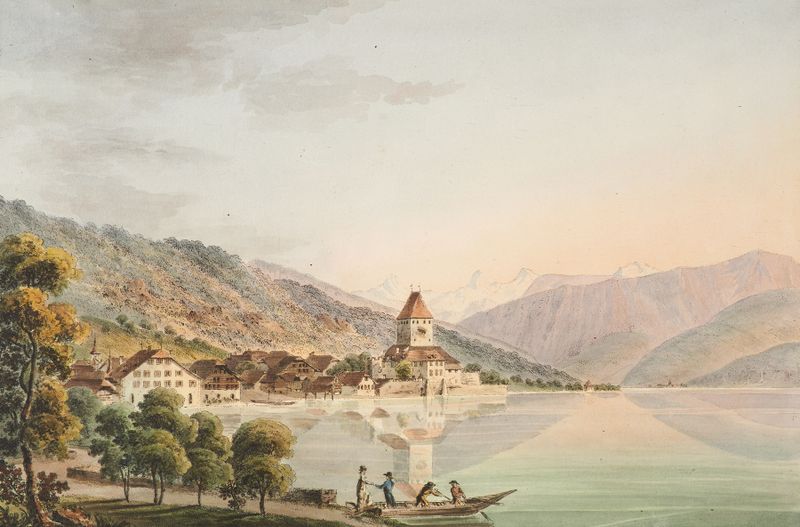
Vûe du Chateau d’Oberhofen au Lac de Thoune
Jakob Samuel Weibel
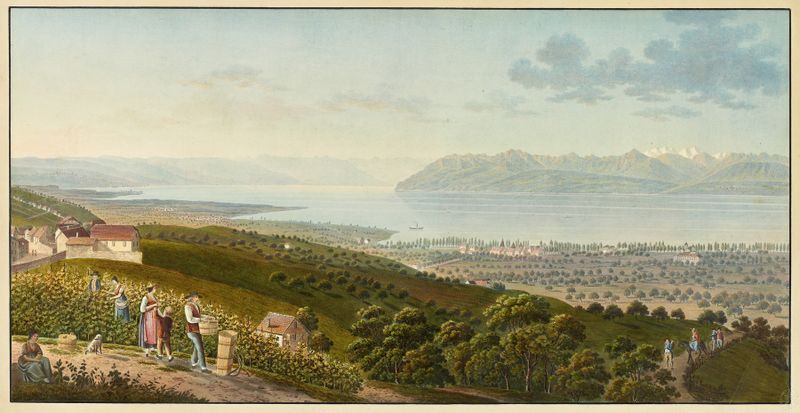
Vue genérale du Lac de Geneve
Jakob Samuel Weibel
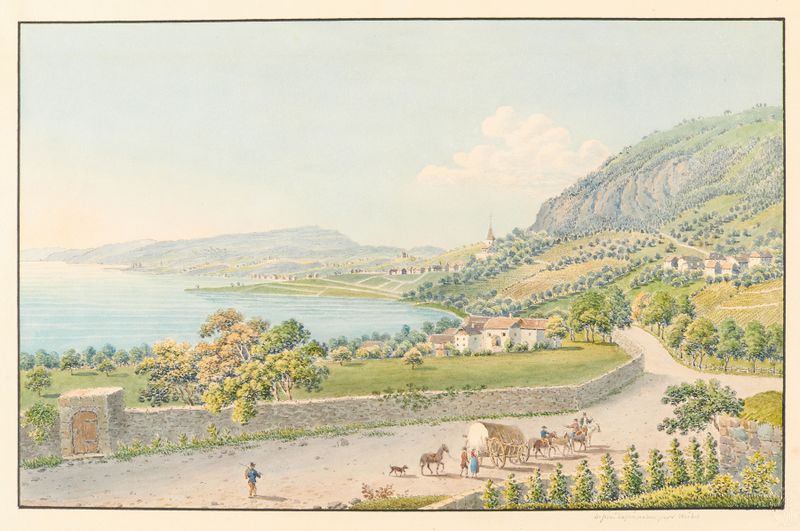
Vue des environs de Montreux et de Clarens
Jakob Samuel Weibel
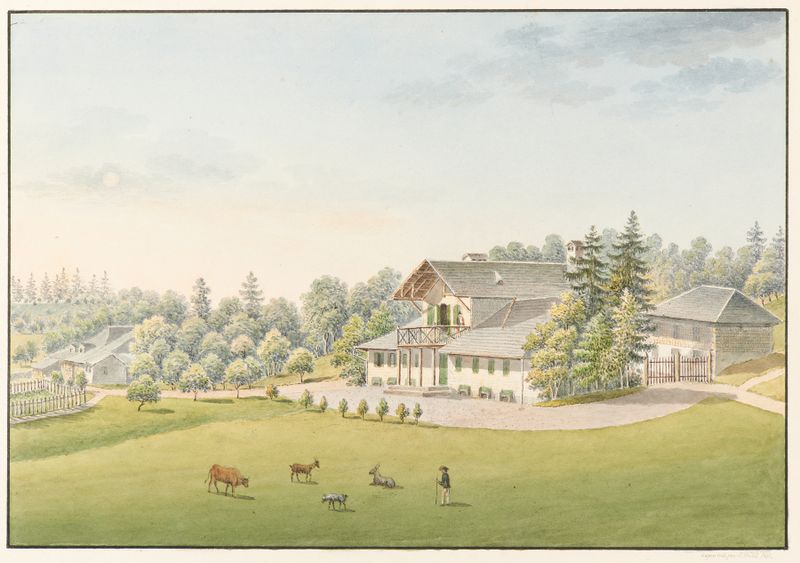
Vue du nouveau Châlet de Vernand
Jakob Samuel Weibel
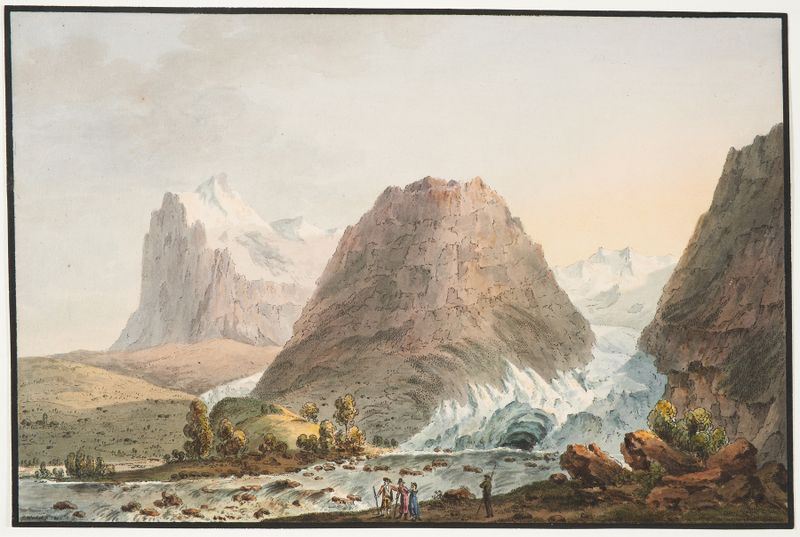
Vûe des Glacieres de Grindelwald
Jakob Samuel Weibel
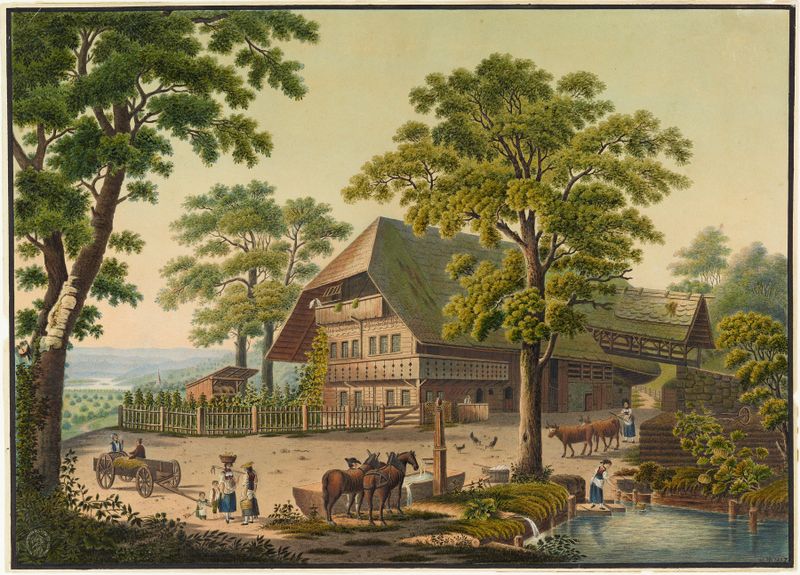
Maison de paysan près Wichtrach
Jakob Samuel Weibel
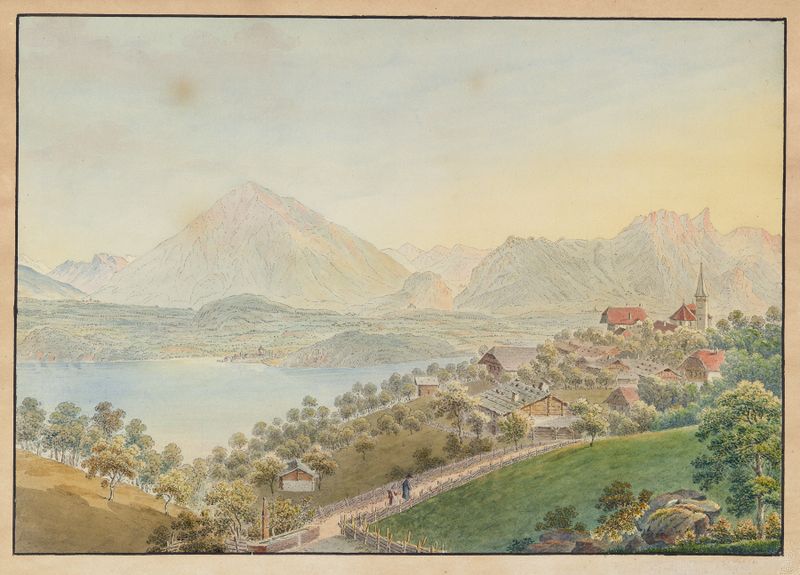
Ansicht von Sigriswil mit Niesen und Thunersee
Jakob Samuel Weibel
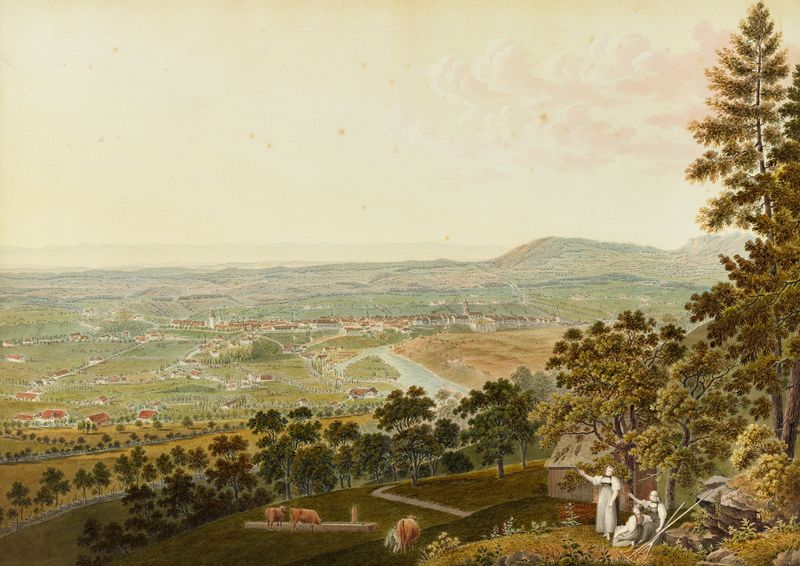
Ansicht Berns und der Aare vom Gurten aus
Jakob Samuel Weibel

Lausanne Ville capitale du Canton de Vaud
Jakob Samuel Weibel