
Wanstead House, Wanstead Grove, Essex — History & Facts
In the quiet stillness of Wanstead House, shadows dance through lush greenery, whispering stories of a bygone era. Here lies a testament to time, where the past lingers like an echo; this is a sacred space captured forever. Look to the left, where the grand façade of the house looms majestically beneath a canopy of swaying trees. Notice how the interplay of light and shadow defines the contours of the architecture, creating a symphony of depth and texture.
Soft greens and warm earth tones meld together, inviting the viewer into this serene grove, while brushstrokes convey a delicate touch that seems to breathe life into the landscape. Beyond its tranquil beauty, the painting reveals a tension between permanence and transience. The light filtering through the leaves hints at fleeting moments, while the sturdy structure represents stability. Yet, the shadows cast on the ground remind us of the ephemeral nature of human endeavors, urging contemplation on what remains after we are gone.
Each stroke captures not just the essence of the scene but the weight of history itself. In the early 1820s, Anne Rushout painted Wanstead House during a period marked by rapid industrial and social change in England. This era saw a rise in Romanticism, where artists began to embrace nature and the emotional resonance of their surroundings. Living in a time of transition, Rushout’s work reflects a deep appreciation for the landscapes that define both personal and collective memory.
More Artworks by Anne Rushout
Browse all →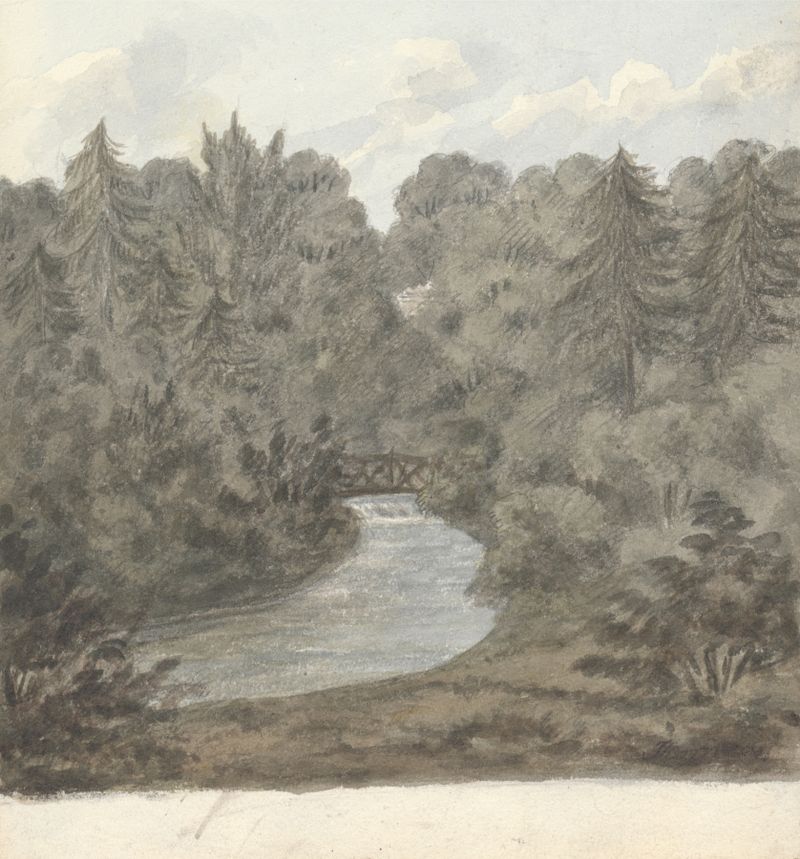
Thornery Pool, Sezincote
Anne Rushout
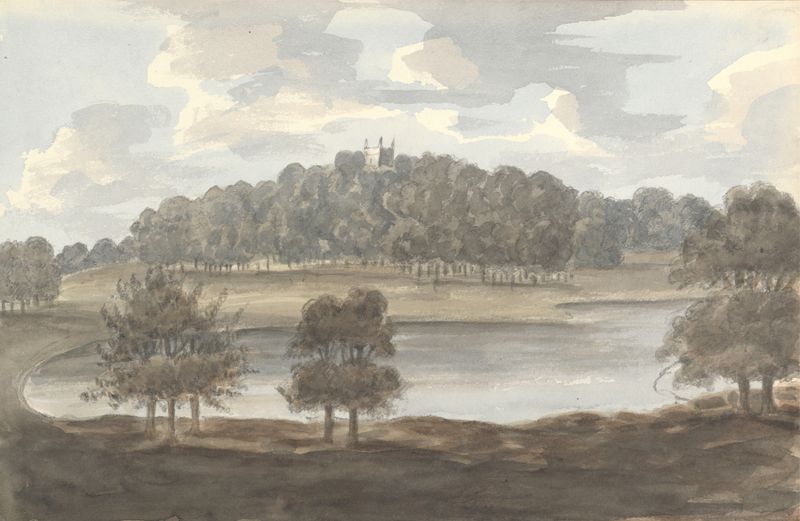
Holkham, August 1824
Anne Rushout

Grove Cottage, Wanstead May 18th, 1825
Anne Rushout
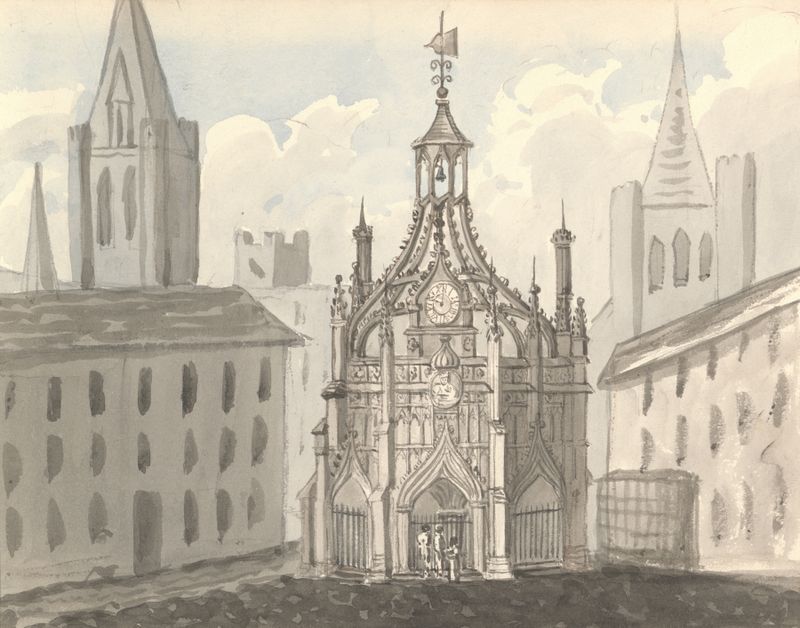
From Inn at Chichester, July 1828
Anne Rushout
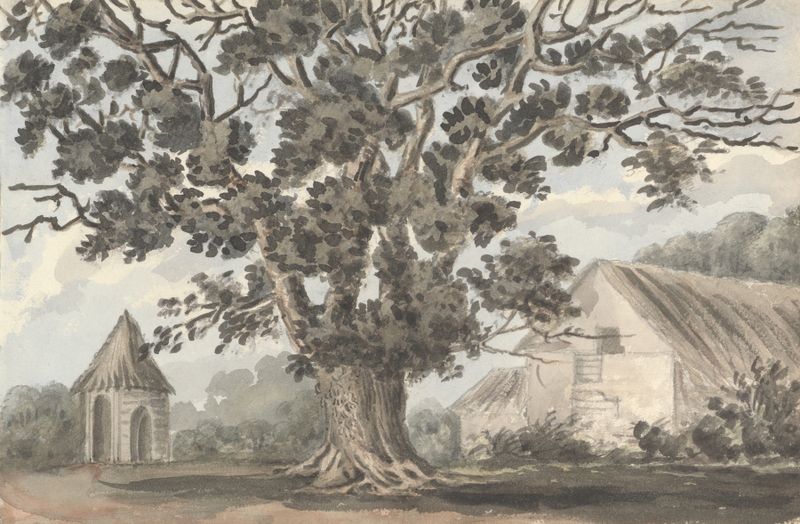
Queen Elizabeth’s Oak near Finborough Hall
Anne Rushout

Holkham, August 1824
Anne Rushout
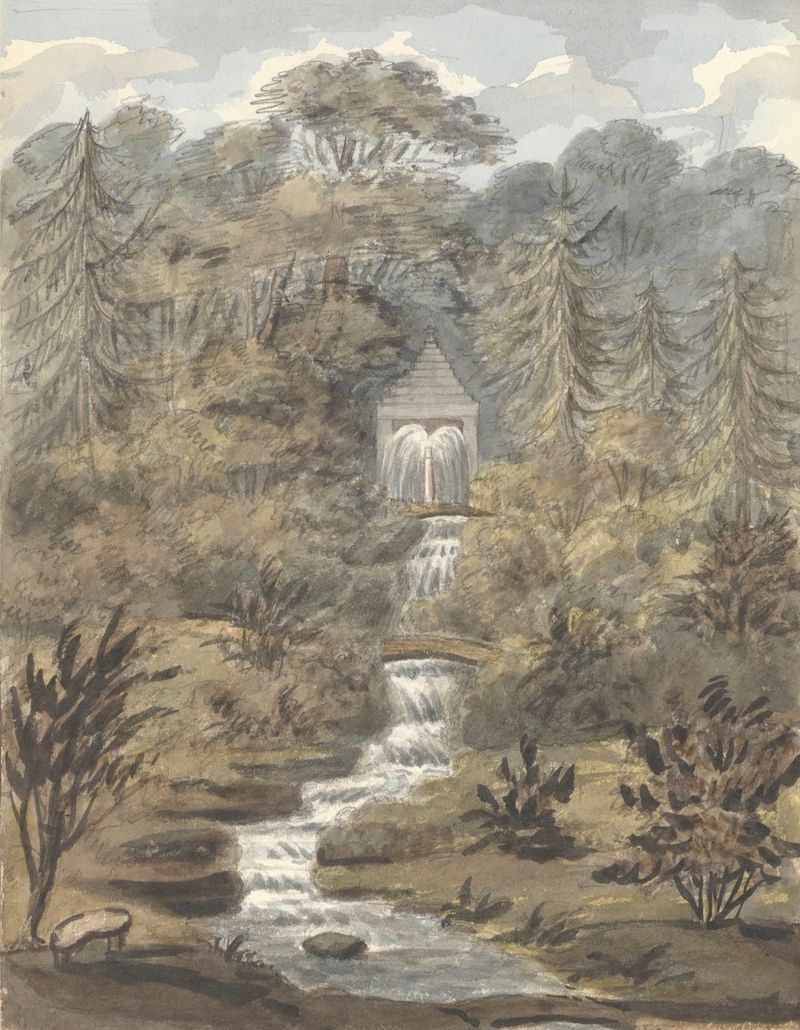
Temple and Falls, Sezincote
Anne Rushout

From Flower Garden, Wanstead Grove
Anne Rushout

From Window at Eastnor Castle, Gloucestershire Beacon, September 28, 1829
Anne Rushout

From Portico at Wanstead Grove, May 24, 1825
Anne Rushout





