
Wapen van Michael Behaim — History & Facts
Can paint confess what words never could? In Wapen van Michael Behaim, a legacy is not merely illustrated but intricately woven into the very fabric of the canvas, inviting us to contemplate the weight of heritage and identity. Look to the left at the heraldic emblem that commands attention, its vibrant colors and detailed embellishments capturing the essence of nobility. Notice how the rich reds and deep blues contrast with the delicate gold accents, which shimmer against the somber backdrop. The composition is meticulously balanced, drawing the eye to the crest while surrounding it with a network of intricate designs that speak to the craftsmanship and care inherent in the work.
The textured brushstrokes create depth, inviting viewers to explore both the physical and symbolic layers of the piece. In this artwork, the interplay between tradition and individualism emerges. The prominent shield embodies the personal history of Michael Behaim, but its ornate elements hint at the complexities of belonging and self-definition. The contrasting textures suggest that while the past shapes us, it doesn't define us entirely.
The muted background juxtaposed with the vibrancy of the emblem reflects the tension between personal legacy and societal expectation, capturing a moment of introspection about one’s roots. Crafted in the late 16th century, this piece finds Dürer at a pivotal time in his career, as he navigated the intricacies of identity during a period of cultural upheaval in Northern Europe. Living in a world where artistic boundaries were expanding, he infused his work with personal significance while also responding to the broader currents of Renaissance thought. The artwork, painted between 1585 and 1595, stands as a testament to the artist's ability to encapsulate the spirit of his time through the lens of individualized legacy.
More Artworks by Albrecht Dürer
Browse all →
Melancholia
Albrecht Dürer
Melancholie
Albrecht Dürer
Neushoorn
Albrecht Dürer
Knight, Death, and the Devil
Albrecht Dürer

De vier ruiters van de apocalyps
Albrecht Dürer

De vier ruiters van de apocalyps
Albrecht Dürer
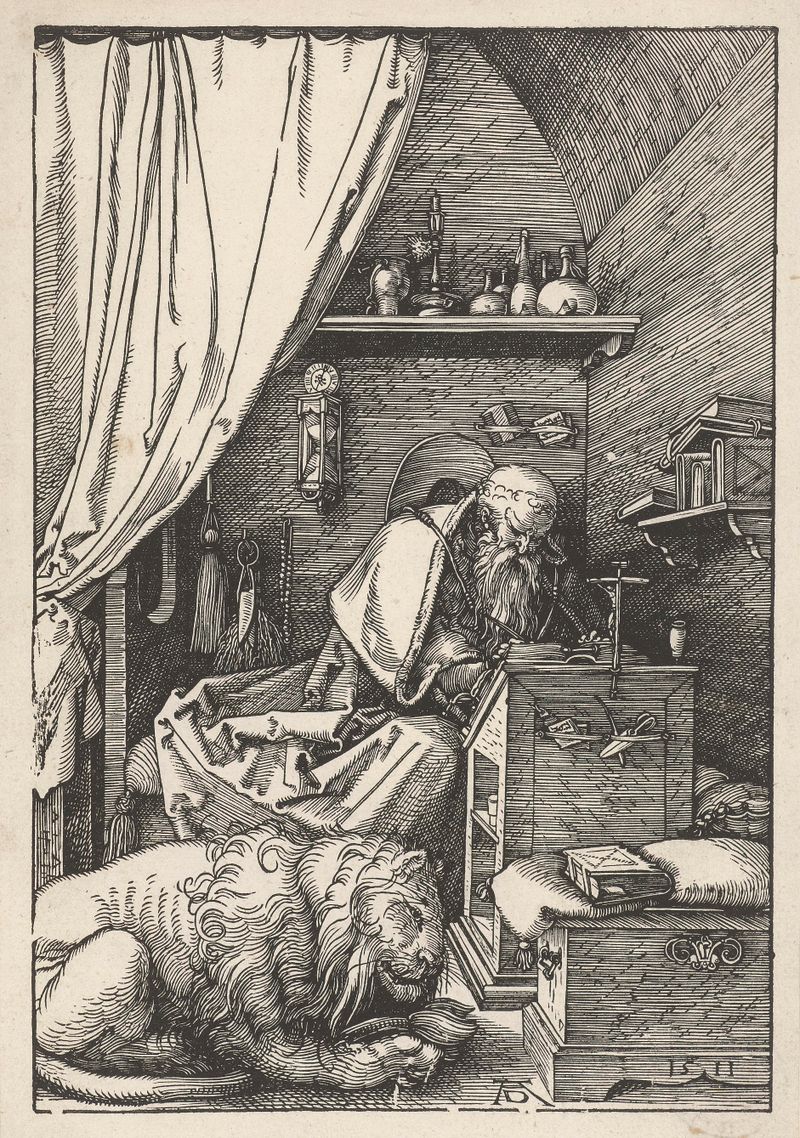
De Heilige Hiëronymus in zijn studeervertrek
Albrecht Dürer
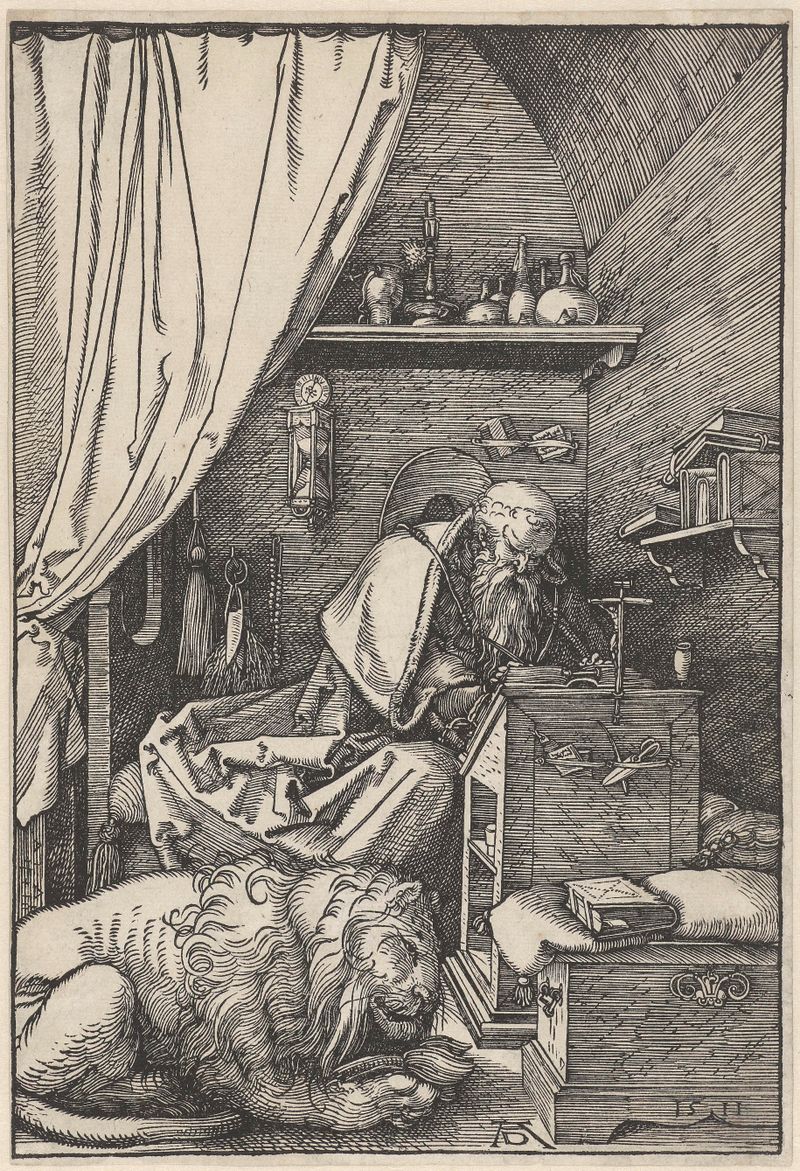
De Heilige Hiëronymus in zijn studeervertrek
Albrecht Dürer
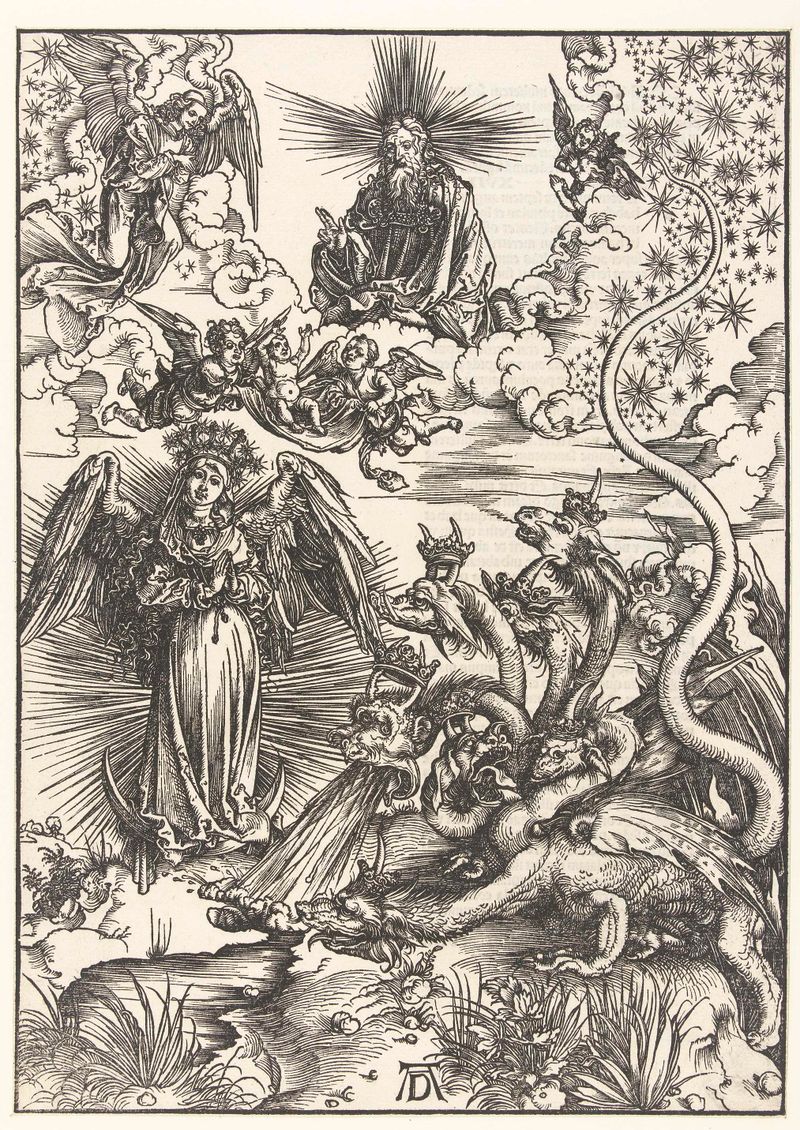
De apocalyptische vrouw en de zevenkoppige draak
Albrecht Dürer
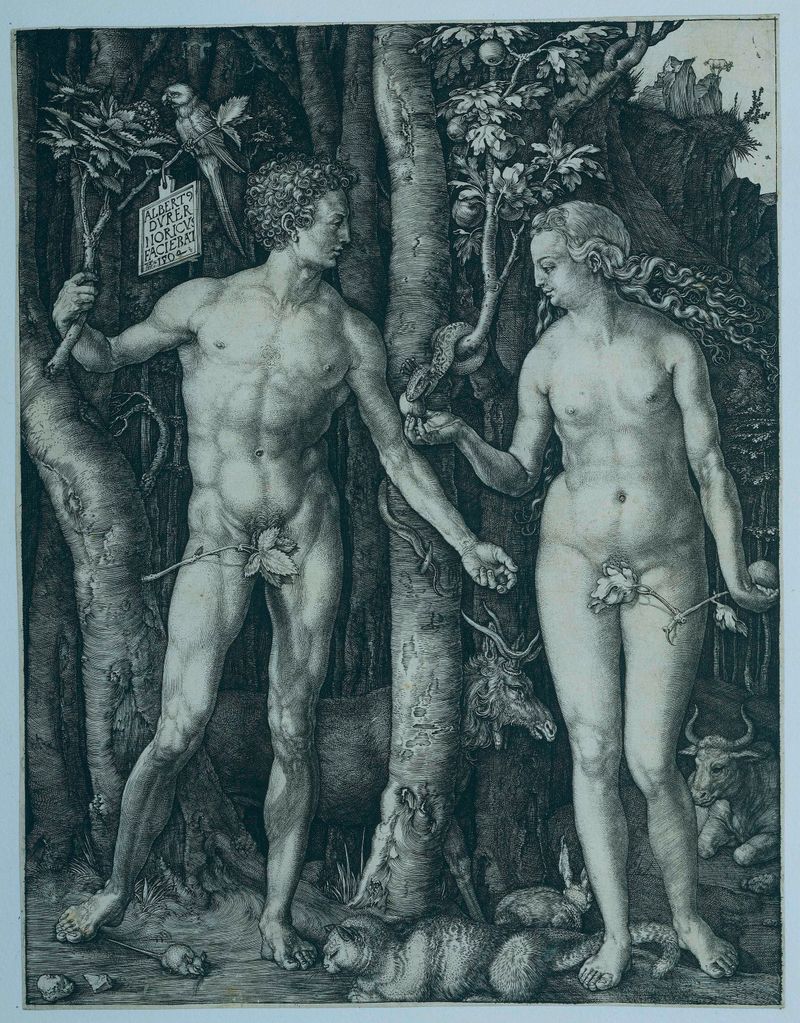
Adam en Eva
Albrecht Dürer
More Historical Art
Browse all →
The Night Watch Militia Company of District II under the Command of Captain Frans Banninck Cocq
Rembrandt van Rijn

Lincoln Memorial
Henry Bacon

The Third of May 1808
Francisco de Goya

Isaac and Rebecca, Known as ‘The Jewish Bride’
Rembrandt van Rijn

The Charge of the Mamelukes (1814)
Francisco de Goya
De vier ruiters van de apocalyps
Albrecht Dürer