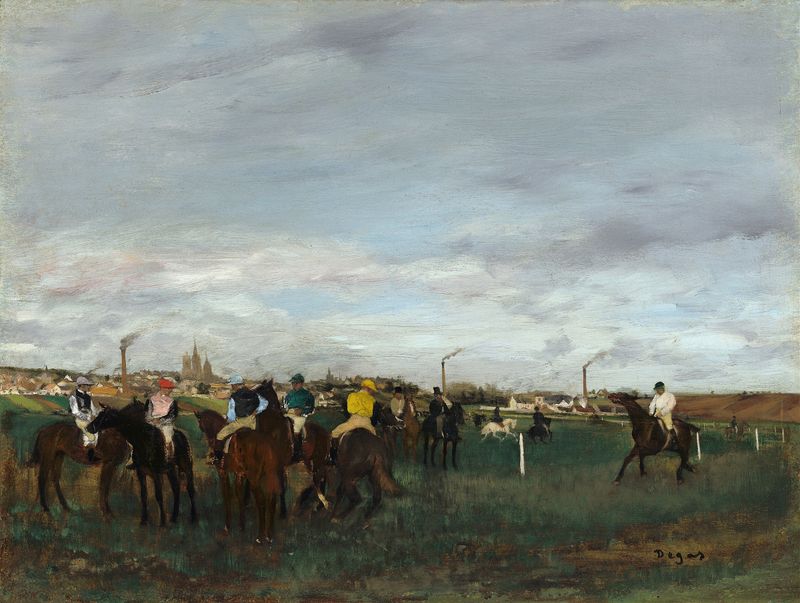
Wapenschild met haan — History & Facts
In the shadows of history and intention, Wapenschild met haan invites us to peel back layers of meaning and beauty, revealing what lies beneath the surface. Look closely at the intricate details on the shield, where the proud cock stands sentinel against a background of muted earth tones. The craftsmanship captivates the eye, leading you from the bold contours of the shield to the delicate feathers of the rooster. Notice how the soft, diffused light dances across the surface, casting subtle shadows that enhance the depth and texture, emphasizing the contrast between the polished metal and the organic form of the bird. Beneath its apparent simplicity, this work teems with symbolism.
The cock, often a herald of dawn and awakening, signals courage and vigilance. In juxtaposition, the shield represents protection and valor, a fusion of nature and human craftsmanship. This interplay of elements evokes a sense of readiness, suggesting a narrative of defense and the ever-looming shadows of conflict that accompany human existence. Dürer painted Wapenschild met haan between 1500 and 1505 in Nuremberg, a city bustling with the early currents of the Renaissance.
At this time, he was honing his mastery of printmaking and exploring the intricacies of perspective and form. The art world was evolving, with a growing emphasis on realism and humanism, elements that would soon define Dürer's legacy and reflect the tumultuous yet enriching context of his time.
More Artworks by Albrecht Dürer
Browse all →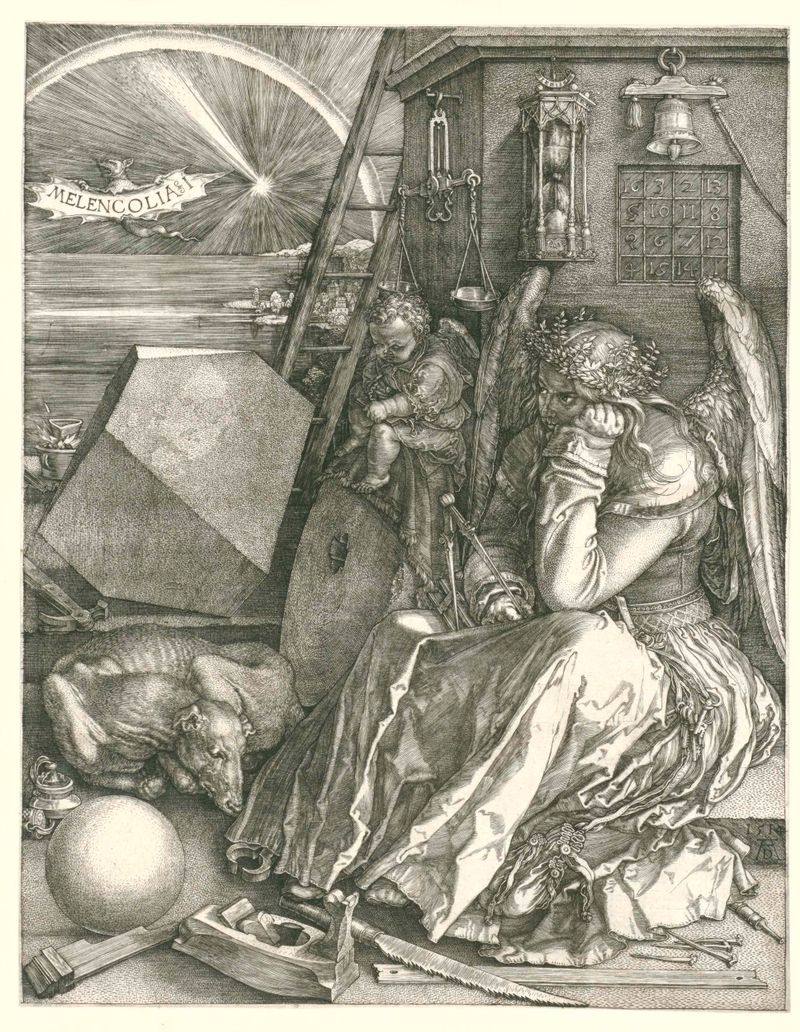
Melancholia
Albrecht Dürer
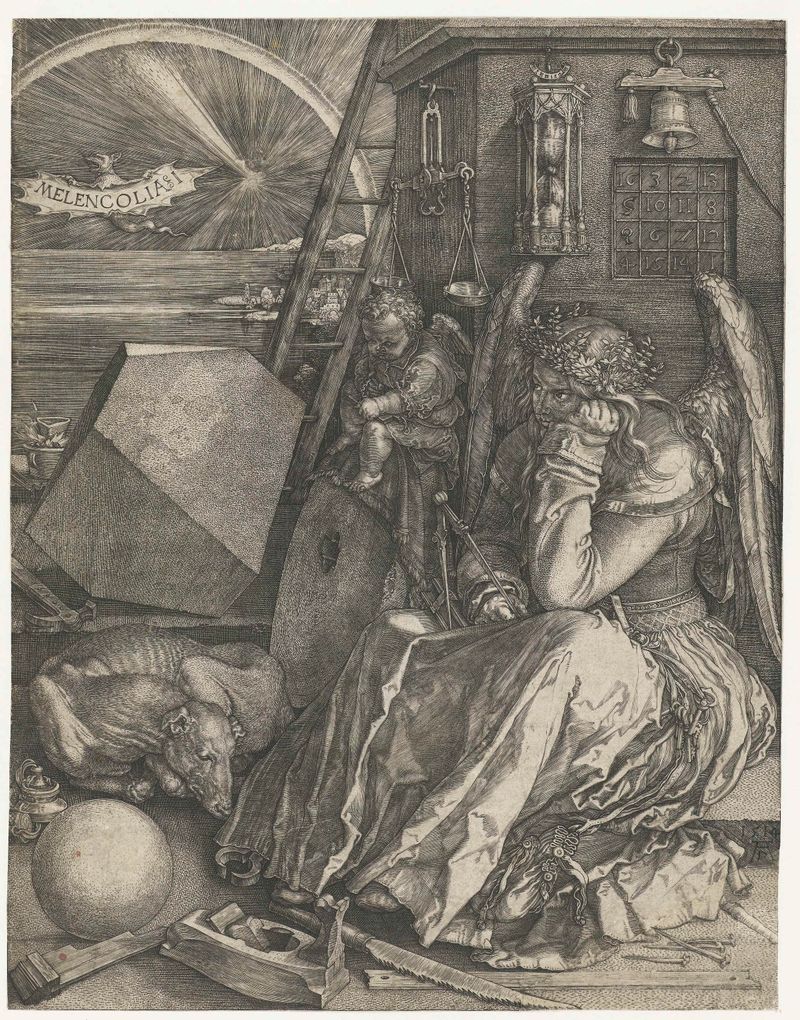
Melancholie
Albrecht Dürer
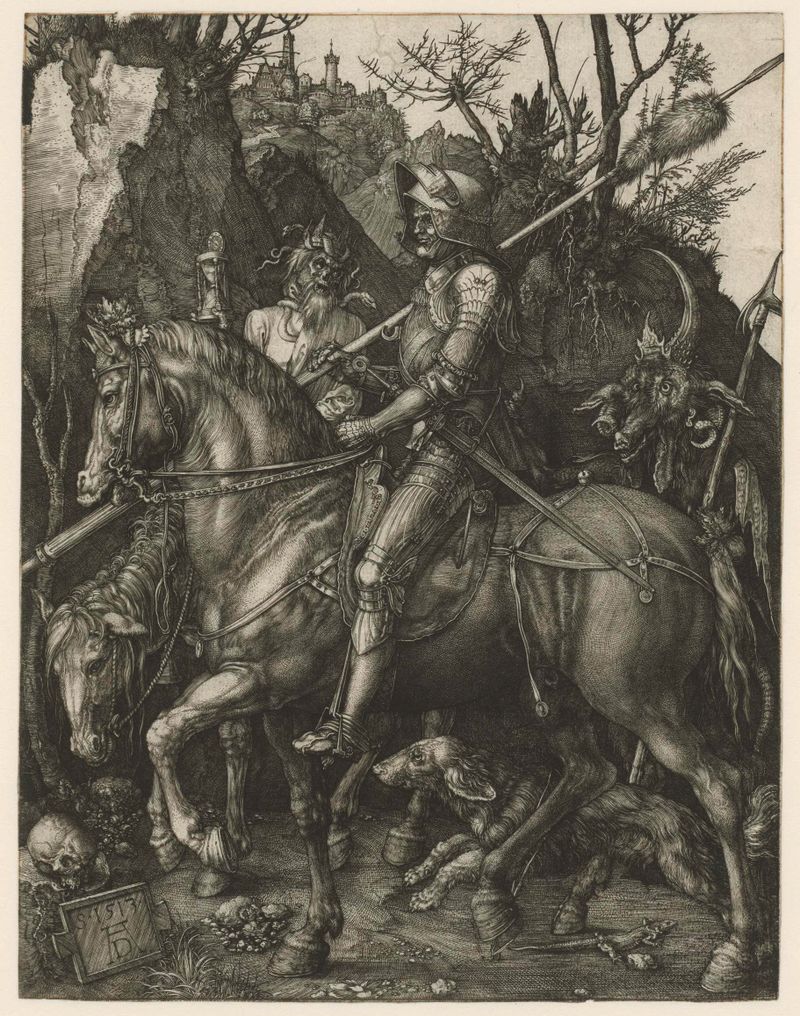
Knight, Death, and the Devil
Albrecht Dürer
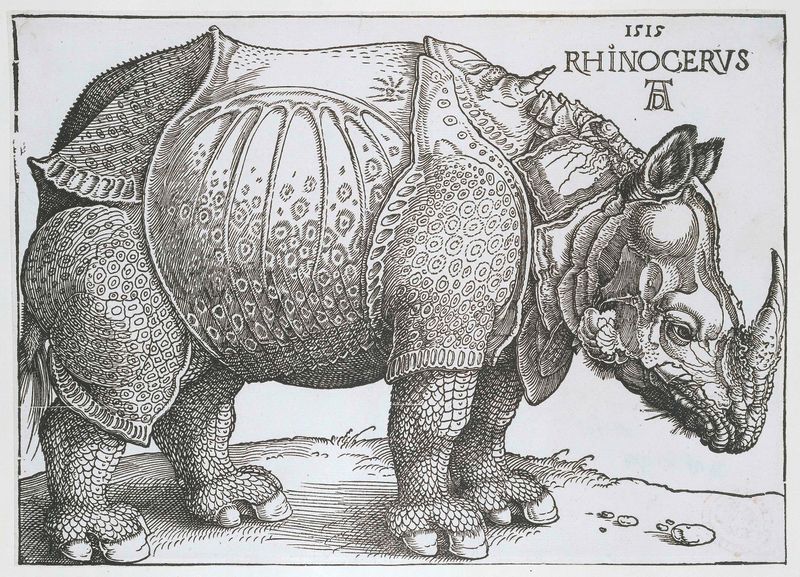
Neushoorn
Albrecht Dürer

De vier ruiters van de apocalyps
Albrecht Dürer

De vier ruiters van de apocalyps
Albrecht Dürer
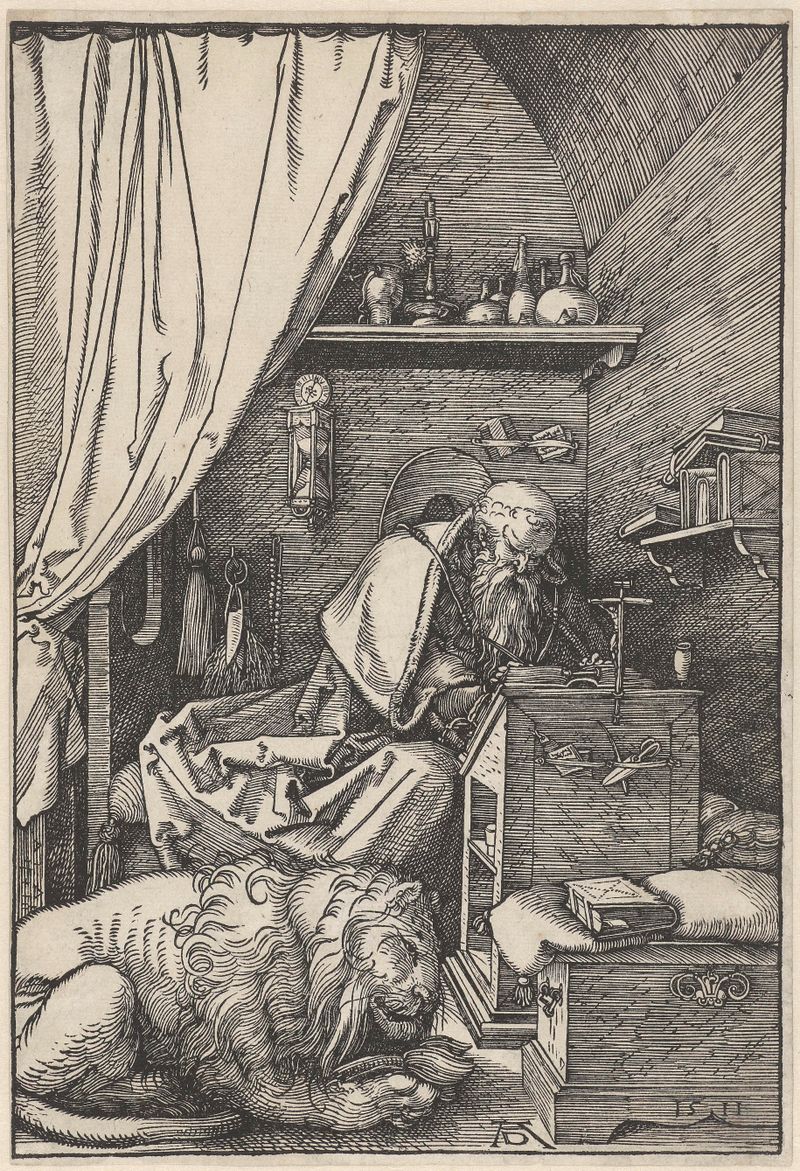
De Heilige Hiëronymus in zijn studeervertrek
Albrecht Dürer
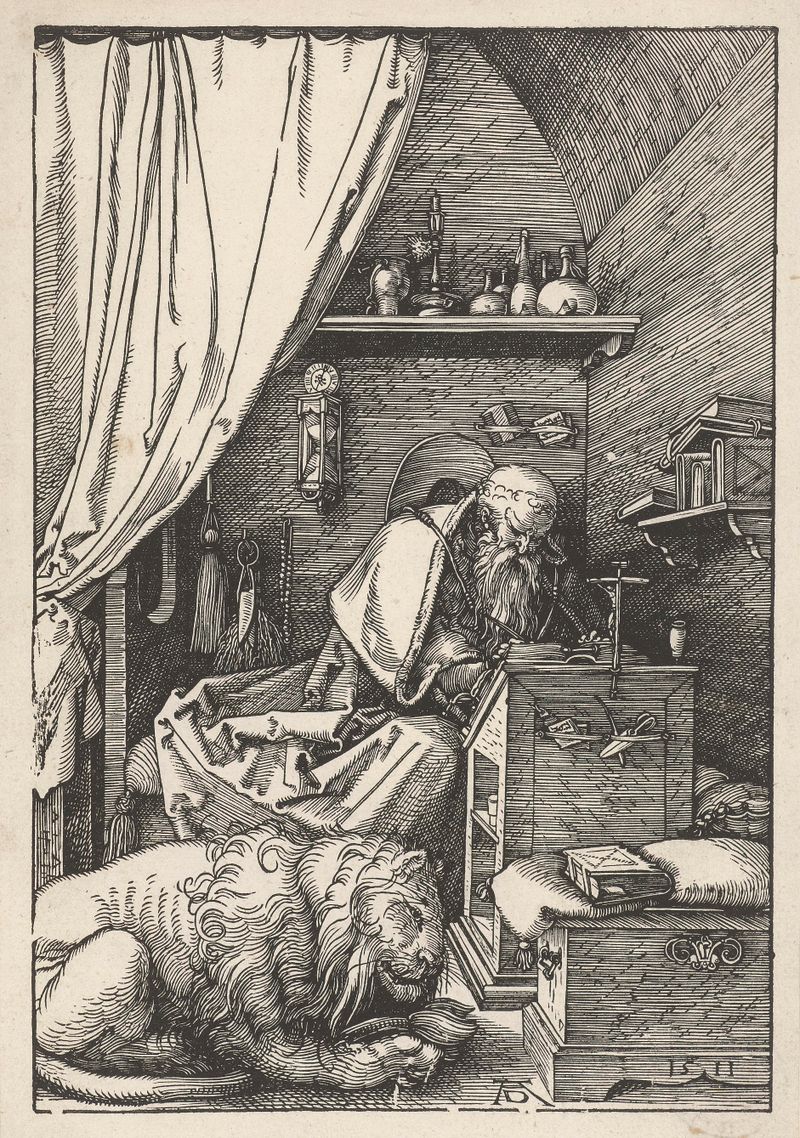
De Heilige Hiëronymus in zijn studeervertrek
Albrecht Dürer
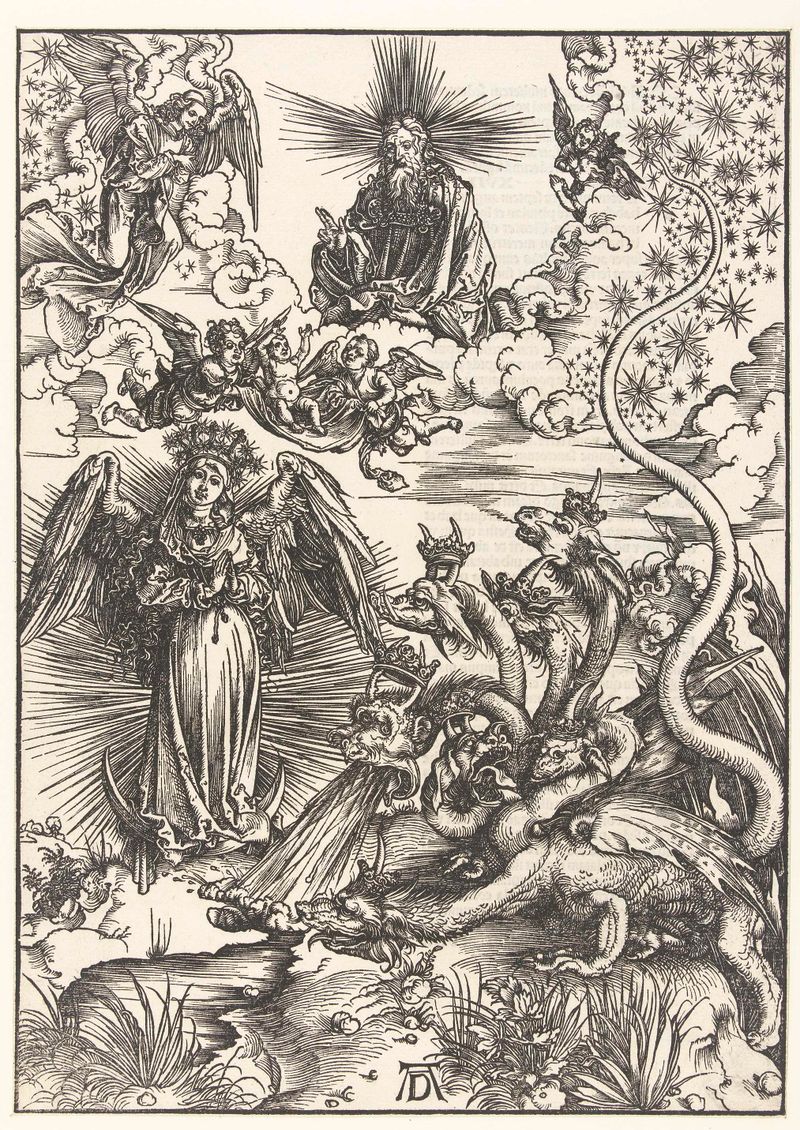
De apocalyptische vrouw en de zevenkoppige draak
Albrecht Dürer
Adam en Eva
Albrecht Dürer