
Washington Arch no. 2 — History & Facts
Can beauty exist without sorrow? In Washington Arch no. 2, the delicate interplay of light and shadow invites this haunting question, prompting contemplation of the human experience woven within the canvas. Focus first on the arch itself, standing majestically in the background, its grandeur framed by lush trees that cascade with vibrant greens. The artist’s brushwork, fluid and alive, captures the sunlight filtering through the leaves, creating a dappled effect that dances upon the ground.
Notice how the harmonious tones of lavender and gold meld seamlessly, evoking a serene atmosphere, while the arch looms as a silent witness, hinting at the passage of time and the weight of history. Beneath the surface lies an emotional tension, where joy and fear coexist. The arch, a symbol of triumph, contrasts with the underlying shadows that creep along the path, suggesting an unease that accompanies beauty. The viewers, depicted as tiny figures, seem almost insignificant in the face of this monumental structure, reflecting a deeper struggle between aspiration and introspection.
Each brushstroke whispers of the intricate relationship between celebration and the sorrow that often follows. Created between 1887 and 1893, the artist was deeply influenced by American Impressionism as he found his footing in a rapidly changing art world. During this time, Weir experienced personal loss and the evolving dynamics of nature and society, leading him to explore themes of connection and isolation. In the tranquil yet charged atmosphere of *Washington Arch no.
2*, the echoes of his journey find visual expression, revealing the complexity of beauty and the fear it may invoke.
More Artworks by Julian Alden Weir
Browse all →
My Back Yard no. 1
Julian Alden Weir
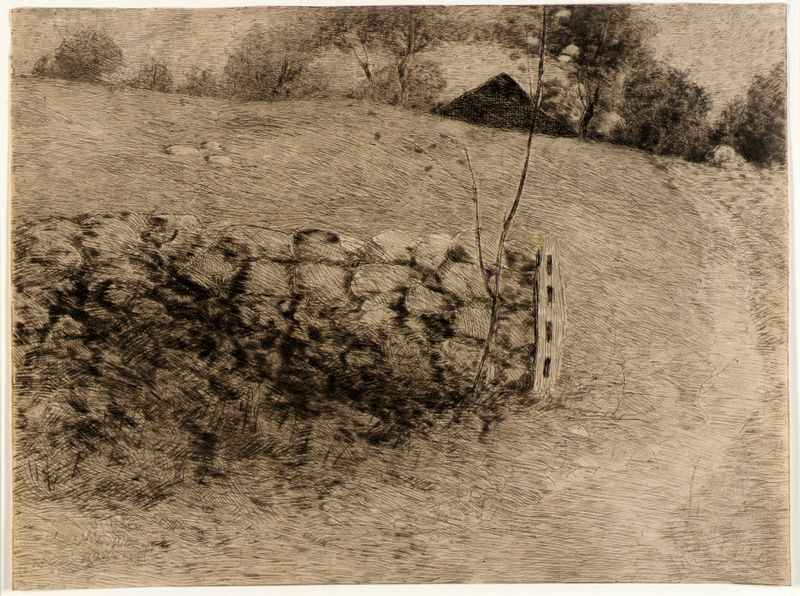
The Barn Lot
Julian Alden Weir

The Webb Farm
Julian Alden Weir
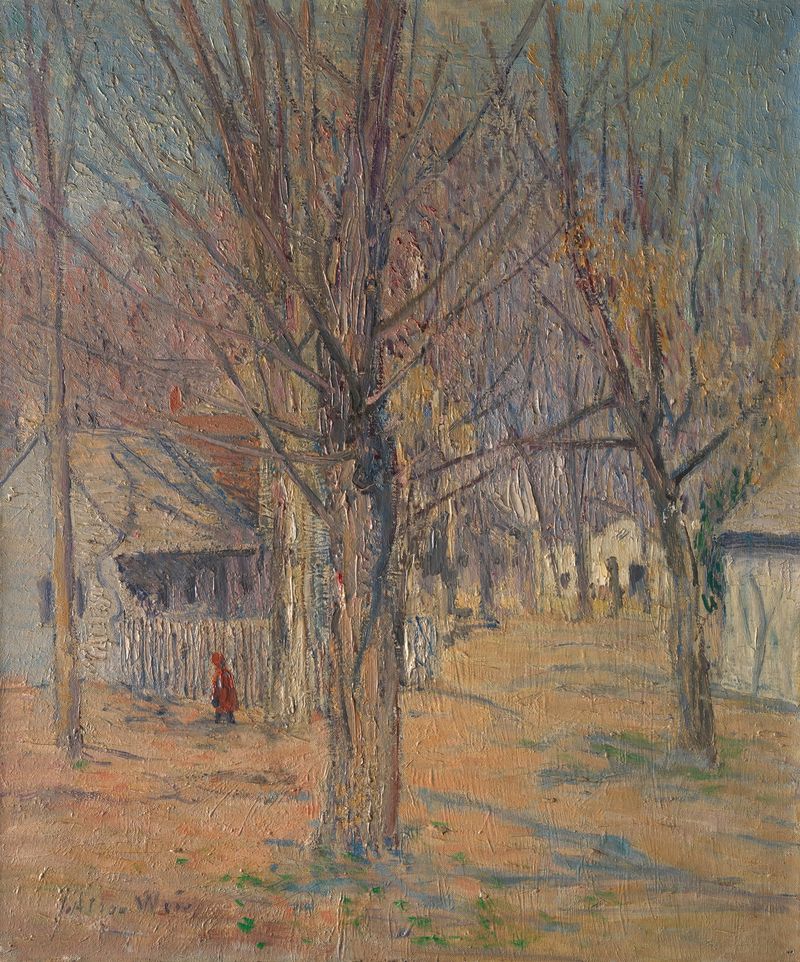
Connecticut Village (Going to School)
Julian Alden Weir

The Stone Bridge
Julian Alden Weir

The Webb Farm 2
Julian Alden Weir
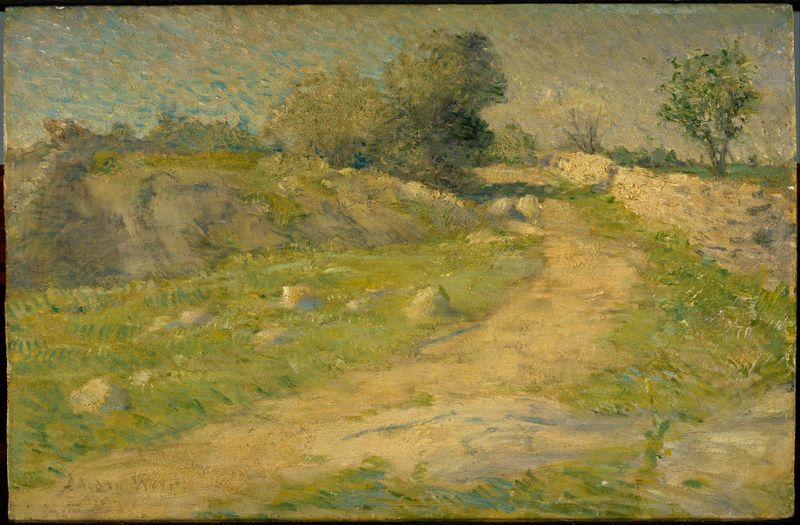
The Lane
Julian Alden Weir
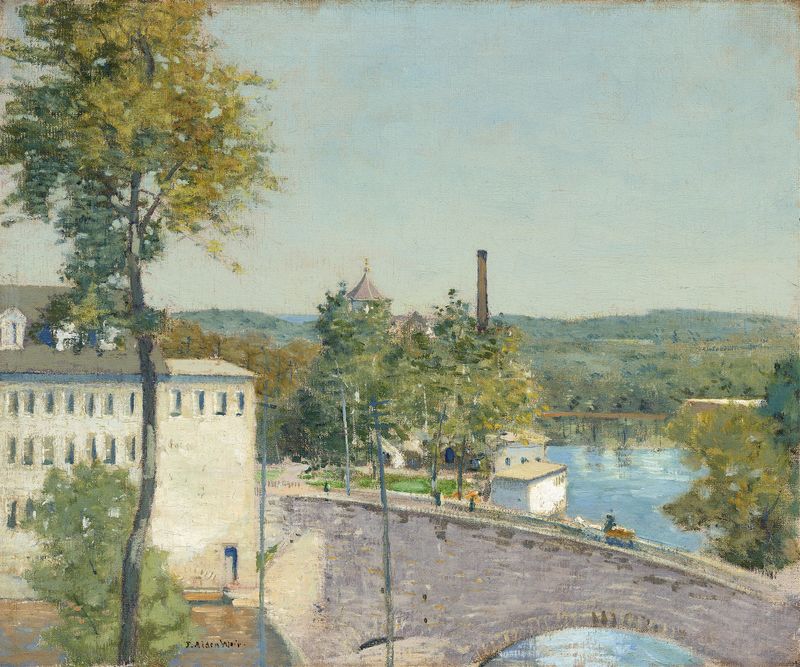
U.S. Thread Company Mills,Willimantic,Connecticut
Julian Alden Weir

Neighboring Farm
Julian Alden Weir

Coon Alley
Julian Alden Weir
More Architecture Art
Browse all →
The statue of Liberty
Frédéric Auguste Bartholdi

View of Houses in Delft, Known as ‘The Little Street’
Johannes Vermeer

View of Houses in Delft, Known as ‘The Little Street’
Johannes Vermeer

The Cathedral in Rouen. The portal, Grey Weather
Claude Monet

The yellow house
Vincent van Gogh

The Church in Auvers-sur-Oise, View from the Chevet
Vincent van Gogh