
Wastwater, Cumberland — History & Facts
In the vast stillness of Wastwater, Cumberland, an expression of profound emptiness emerges, inviting us to confront our own solitude. Look to the center of the canvas where the serene lake reflects a vast expanse of sky, a muted palette of blues and grays merging seamlessly. Notice how the jagged mountains loom in the background, their rough textures contrasting sharply against the tranquil surface of the water. The soft strokes and hazy outlines evoke a sense of distance, drawing the viewer’s gaze inward, as if the landscape itself is a mirror of the mind’s desolate corners. Yet beneath this peaceful exterior lies a tension between the beauty of nature and the isolation it can evoke.
The still water, while mesmerizing, suggests a void—an absence of life, perhaps, or a reminder of our own fleeting existence. The low-hanging clouds appear to suffocate the horizon, casting shadows that hint at an emotional landscape as rugged as the mountains, where hope and despair coexist in delicate balance. Turner painted this work in a time marked by personal loss and artistic transformation, as he grappled with his place in the Romantic movement. Embracing the sublime, he captured not just the physicality of Wastwater but also the emotional weight it bore for him and society.
In this moment, he turned inward, seeking to express not just the scenery, but the essence of human experience amid nature's grandeur.
More Artworks by William Turner of Oxford
Browse all →
Shepherd Boy on a Hillside
William Turner of Oxford

Oxford from Hinksey Hill
William Turner of Oxford
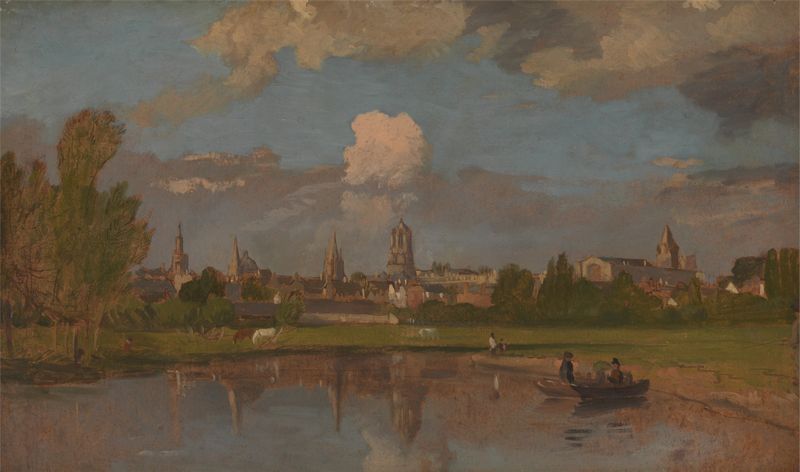
Oxford from the River with Christ Church in the Foreground
William Turner of Oxford
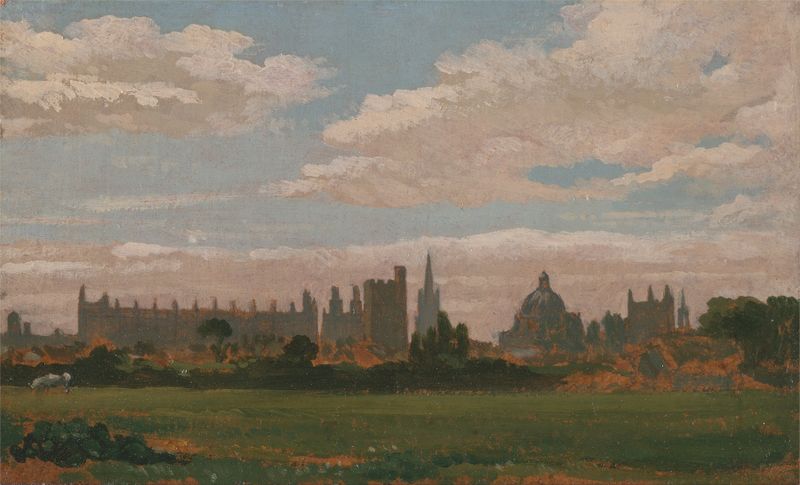
A View of Oxford
William Turner of Oxford

Extensive Landscape with a Pond
William Turner of Oxford
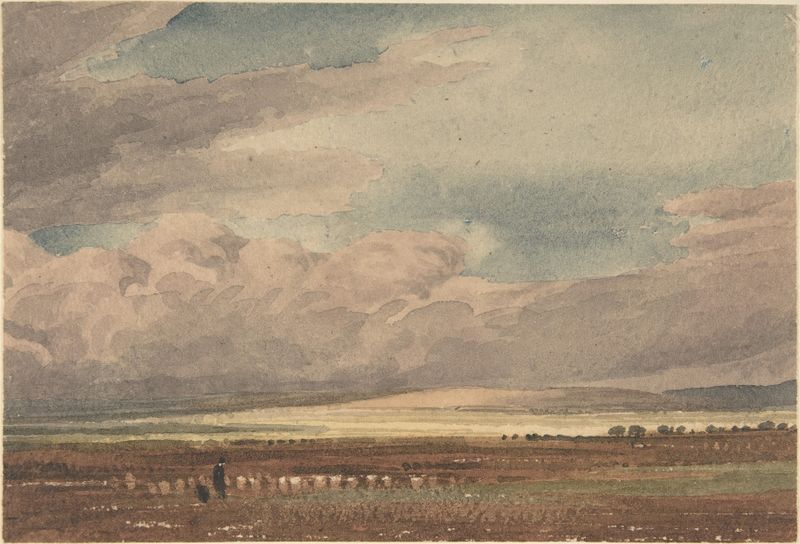
Salisbury Plain with Old Sarum in the Distance, Wiltshire
William Turner of Oxford
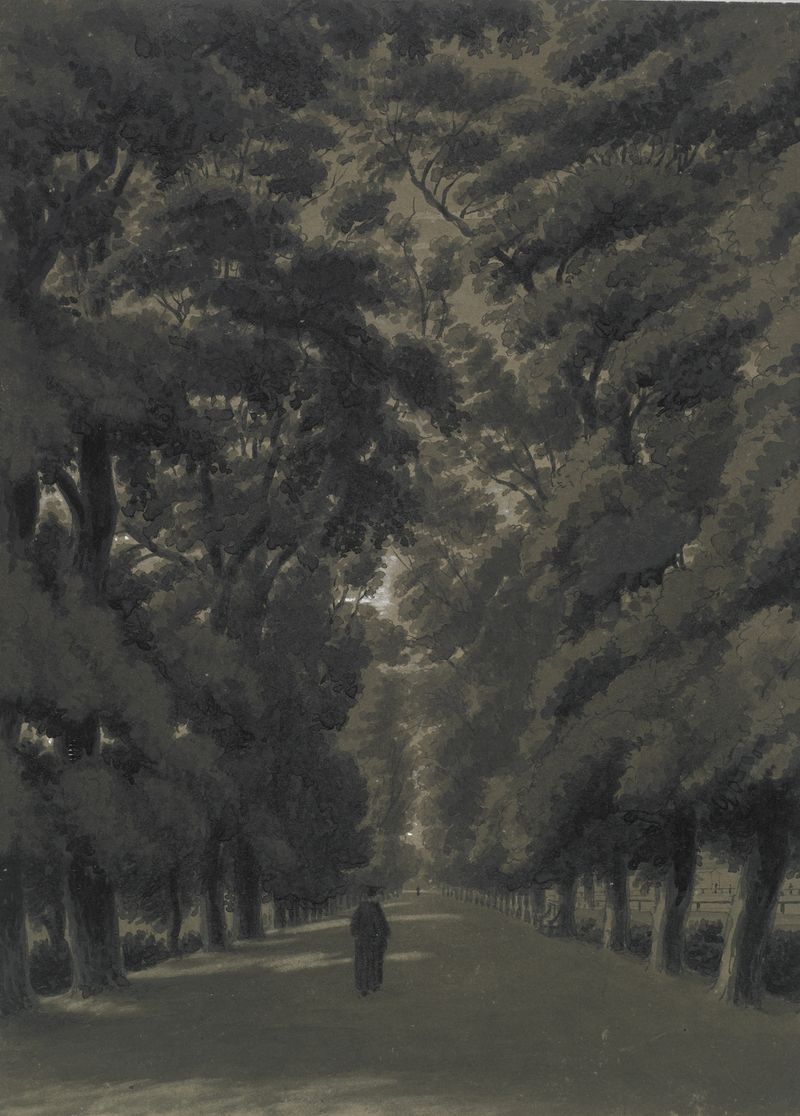
The Broadwalk, Oxford
William Turner of Oxford
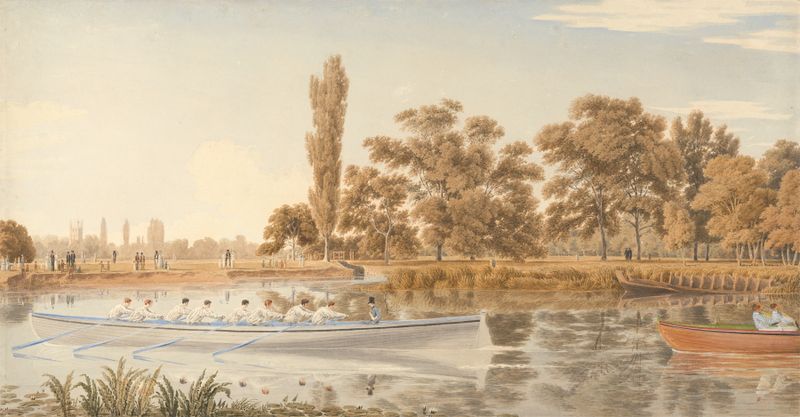
The Exeter College Eight on the Isis, Oxford
William Turner of Oxford

A View from Moel Cynwich; Looking Over the Vale of Afon Mawddach and Toward Cader Idris
William Turner of Oxford
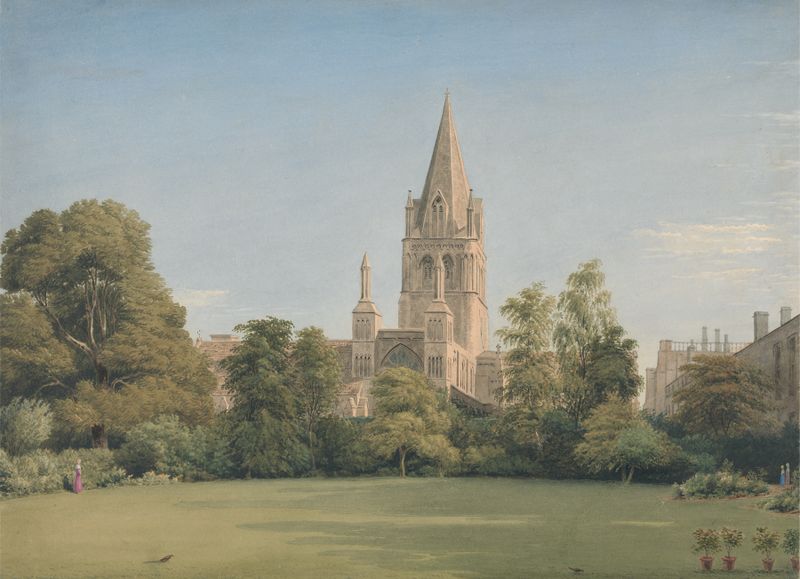
View from the Dean’s Garden, Christ Church, Oxford
William Turner of Oxford





