
Waterfall at Terni — History & Facts
Did the painter know this moment would outlive them? In Waterfall at Terni, the simplicity and innocence of nature capture the essence of fleeting beauty, inviting contemplation far beyond Corot's time. Look to the right at the delicate cascade, water tumbling gracefully over rocks, creating a soft murmur that feels almost audible. Notice how light filters through the trees, casting gentle dapples on the water’s surface, giving life to the scene. The lush greens and rich earth tones envelop the viewer, drawing them into a tranquil realm where nature reigns supreme.
The brushwork is fluid and expressive, allowing the viewer to feel the breezy whispers of the landscape. Beneath the serene exterior lies an interplay of serenity and tumult, reflected in the juxtaposition between the soft, flowing water and the jagged stones beneath. The innocence of the natural world contrasts starkly with the underlying erosion, a reminder of the passage of time and the fragile beauty of existence. The composition invites reflection on how nature, while timeless, bears the scars of change, echoing the duality of tranquility and chaos inherent in life itself. In 1826, Corot was deeply immersed in the burgeoning Romantic movement, which celebrated the sublime beauty of nature against the backdrop of human experience.
He painted this work while exploring Italy, where he sought to capture the essence of landscapes that resonated with emotion. At this time, artists were beginning to break away from classical norms; Corot’s focus on light and atmosphere marked a significant step towards the Impressionist ideals that would flourish in later decades.
More Artworks by Jean-Baptiste-Camille Corot
Browse all →
View of Genoa
Jean-Baptiste-Camille Corot
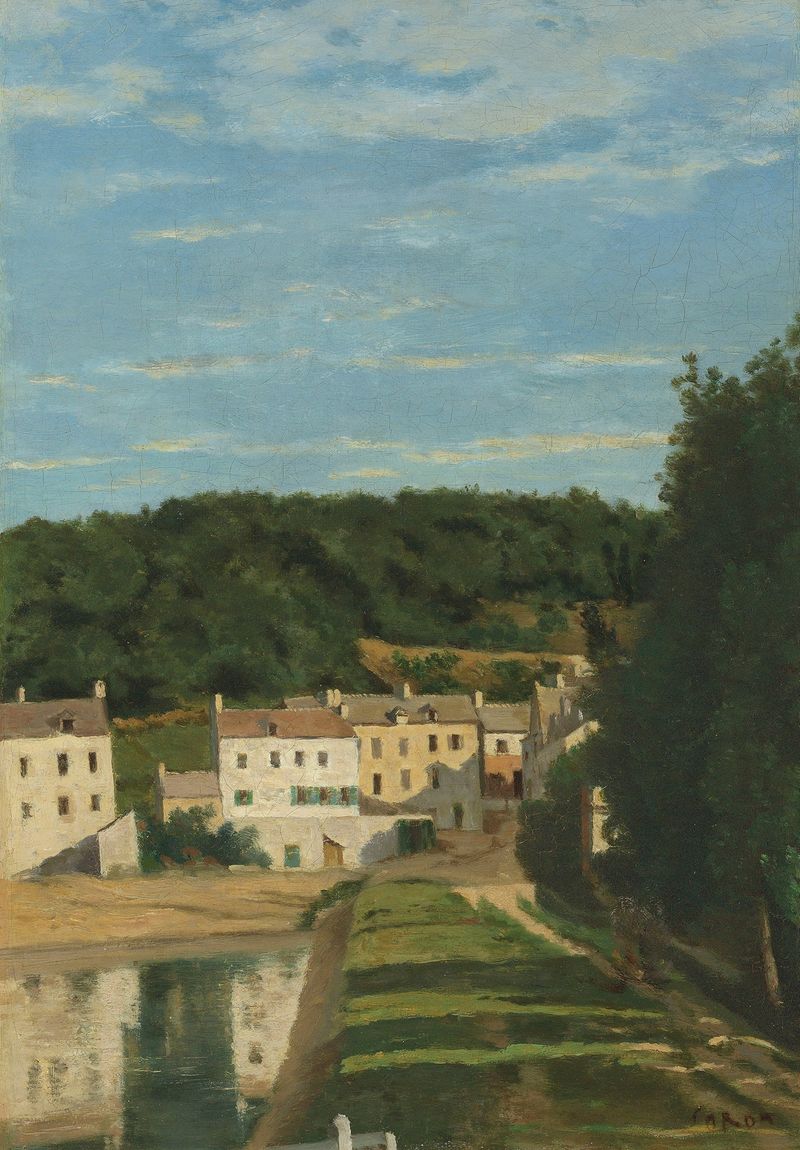
Les Maisons Cabassud À Ville D’avray
Jean-Baptiste-Camille Corot

La solitude. Souvenir de Vigen (Limousin)
Jean-Baptiste-Camille Corot
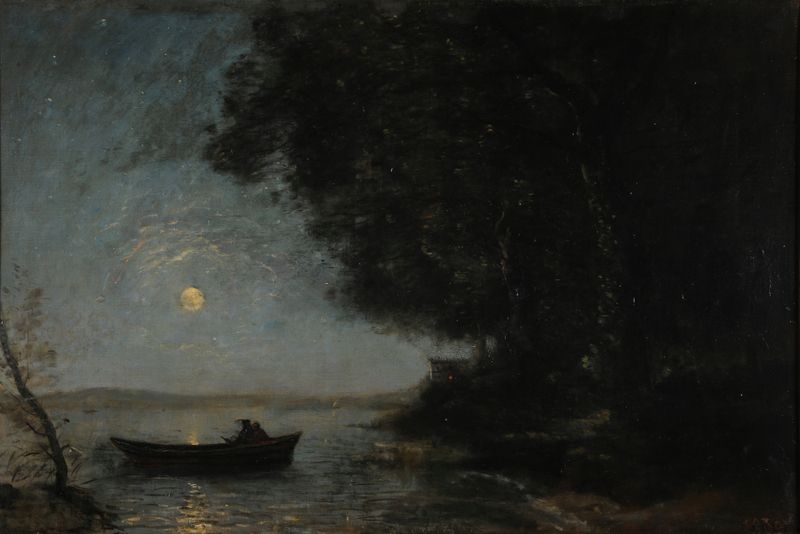
Le lac ; effet de nuit
Jean-Baptiste-Camille Corot
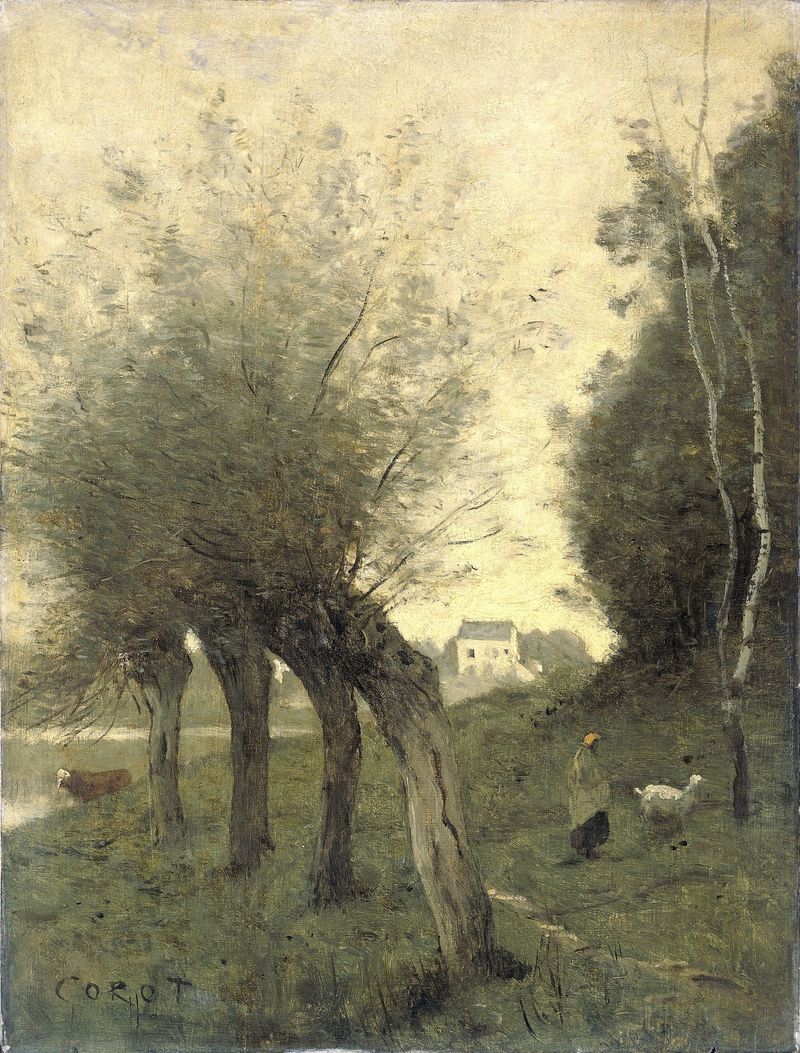
Landscape with Pollard Willows
Jean-Baptiste-Camille Corot
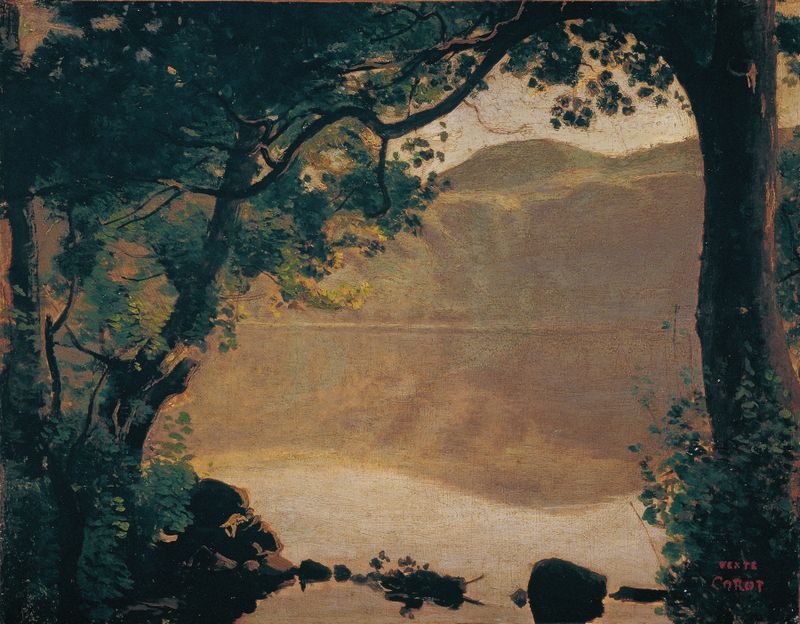
Der Nemisee
Jean-Baptiste-Camille Corot
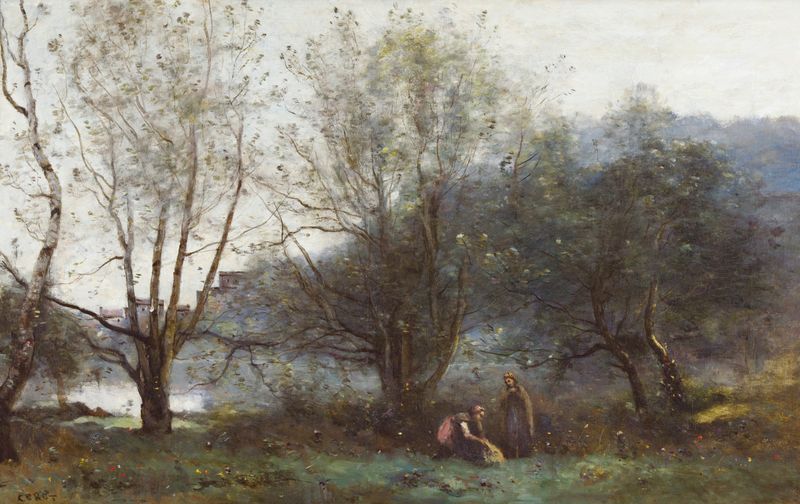
Les Étangs De Ville D’avray
Jean-Baptiste-Camille Corot
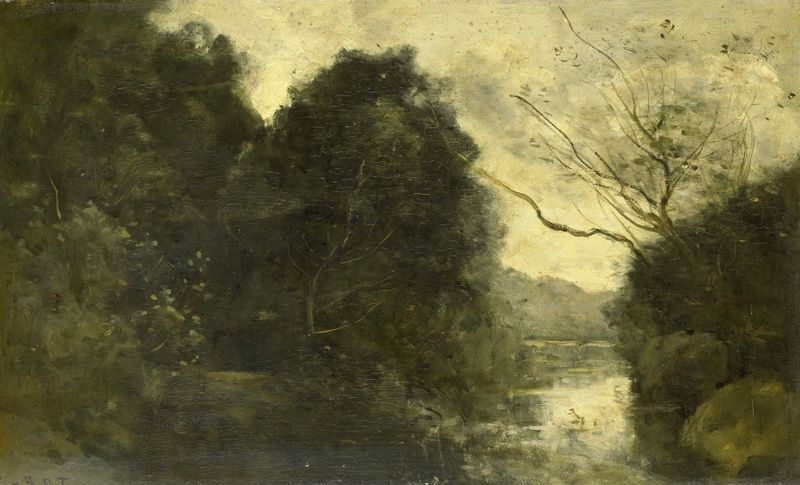
Pond in the Woods
Jean-Baptiste-Camille Corot
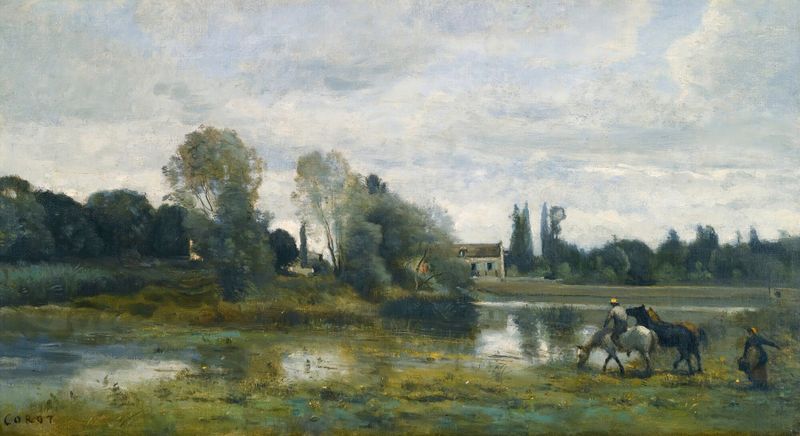
Ville D’avray; L’abreuvoir Des Chevaux
Jean-Baptiste-Camille Corot
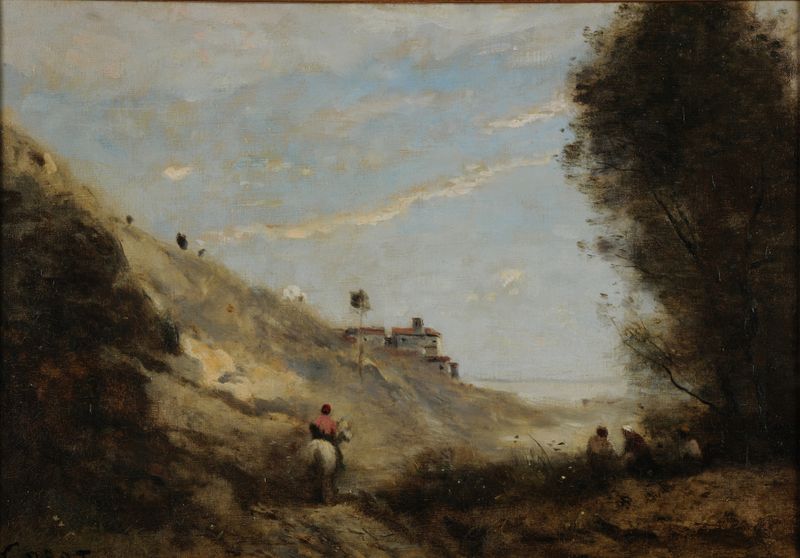
Le vallon au cavalier
Jean-Baptiste-Camille Corot





