Discover insights about this artwork
Waterloo Bridge — History & Facts
In Waterloo Bridge, Claude Monet presents a scene filled with soft hues of blue, gray, and pink. The painting depicts the iconic bridge shrouded in mist, creating a sense of mystery. The water below reflects the colors of the sky, enhancing the overall atmosphere.
Silhouettes of boats can be seen, adding to the tranquil scene. This artwork is an example of Impressionism, characterized by its loose brushwork and emphasis on light. Monet uses oil on canvas to create a fluid representation of the bridge and its surroundings. The dimensions of the painting are approximately 65 x 81 cm, making it a medium-sized piece.
The use of color and light captures the fleeting moments of the scene. Claude Monet painted Waterloo Bridge during a series of works focused on the bridge itself, showcasing his fascination with light and atmosphere. This particular painting was created around 1903, a time when Monet was exploring the effects of fog and sunlight. Interestingly, Monet painted several views of Waterloo Bridge, each capturing different times of day and weather conditions.
This work is now housed in the Musée d'Orsay, a fitting location for such an iconic piece.
More Artworks by Claude Monet
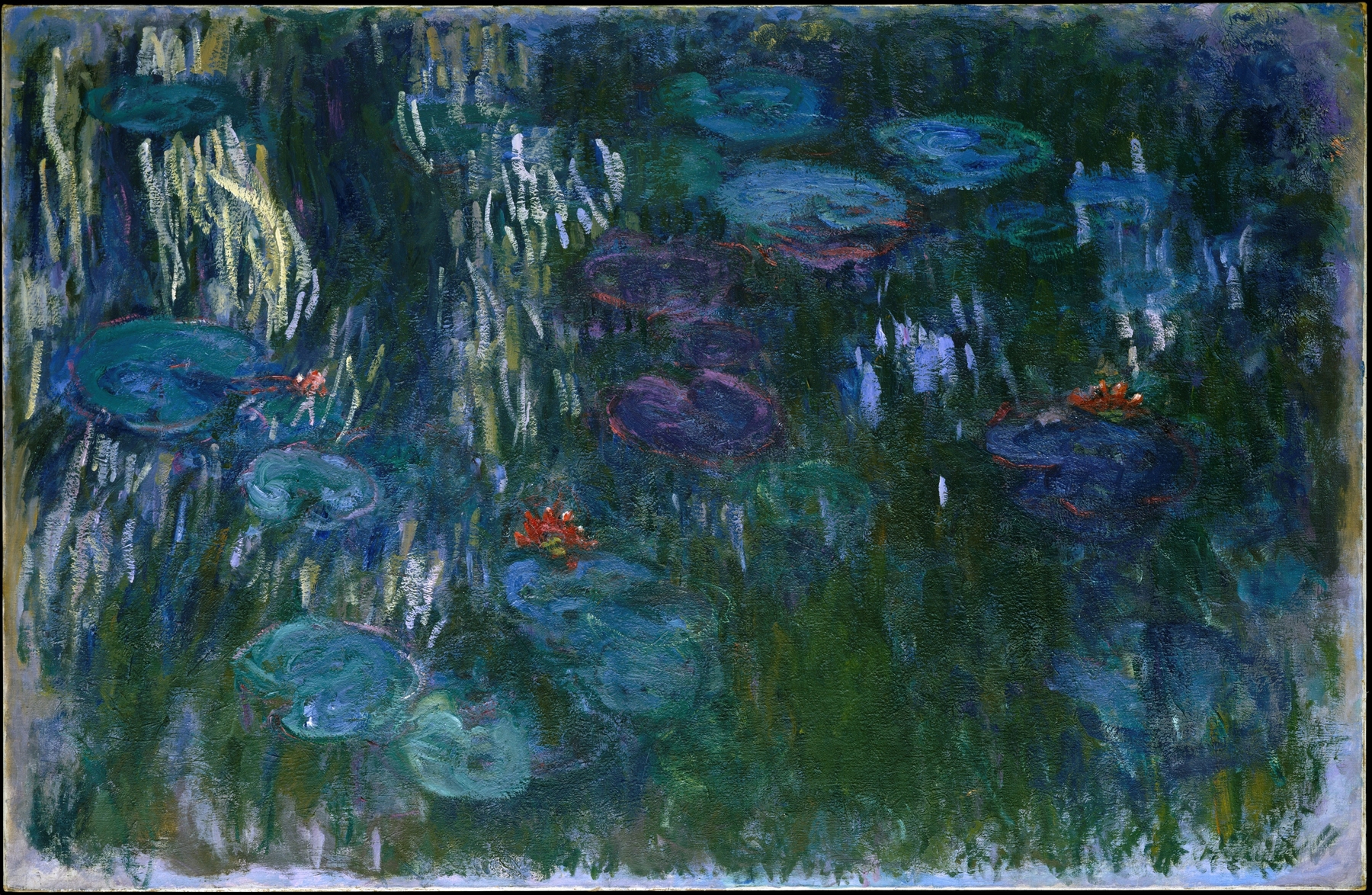
Water Lilies
Claude Monet
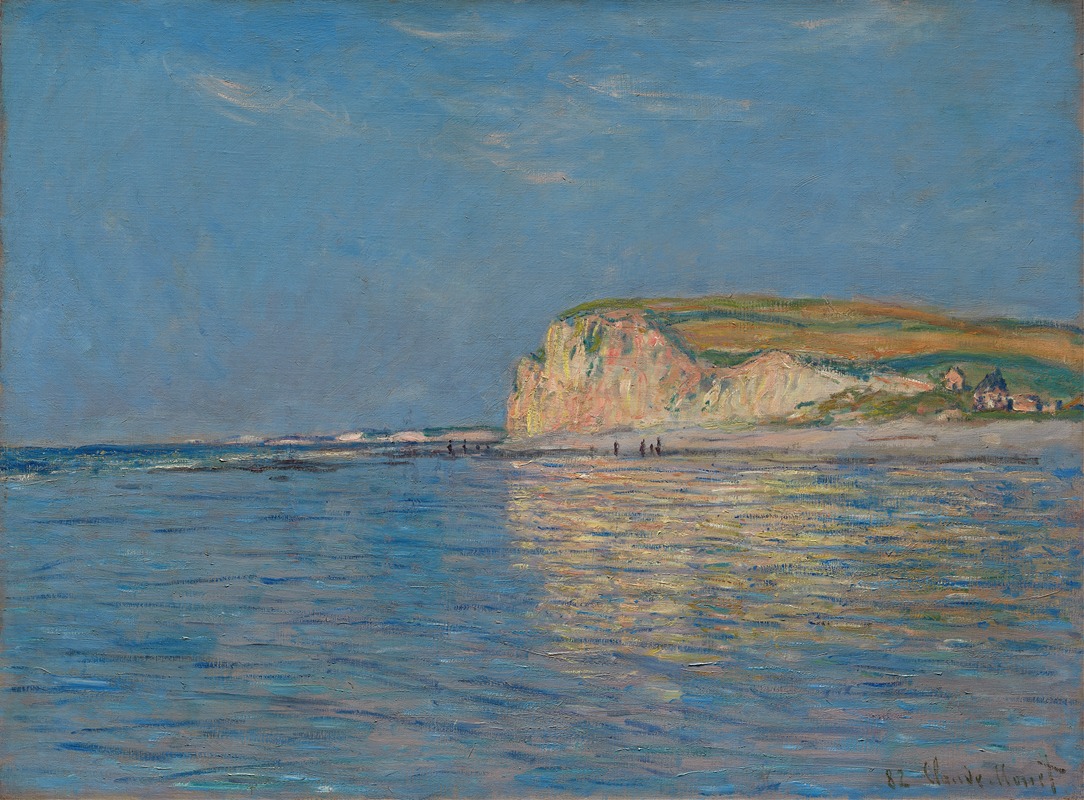
Low Tide at Pourville, near Dieppe
Claude Monet
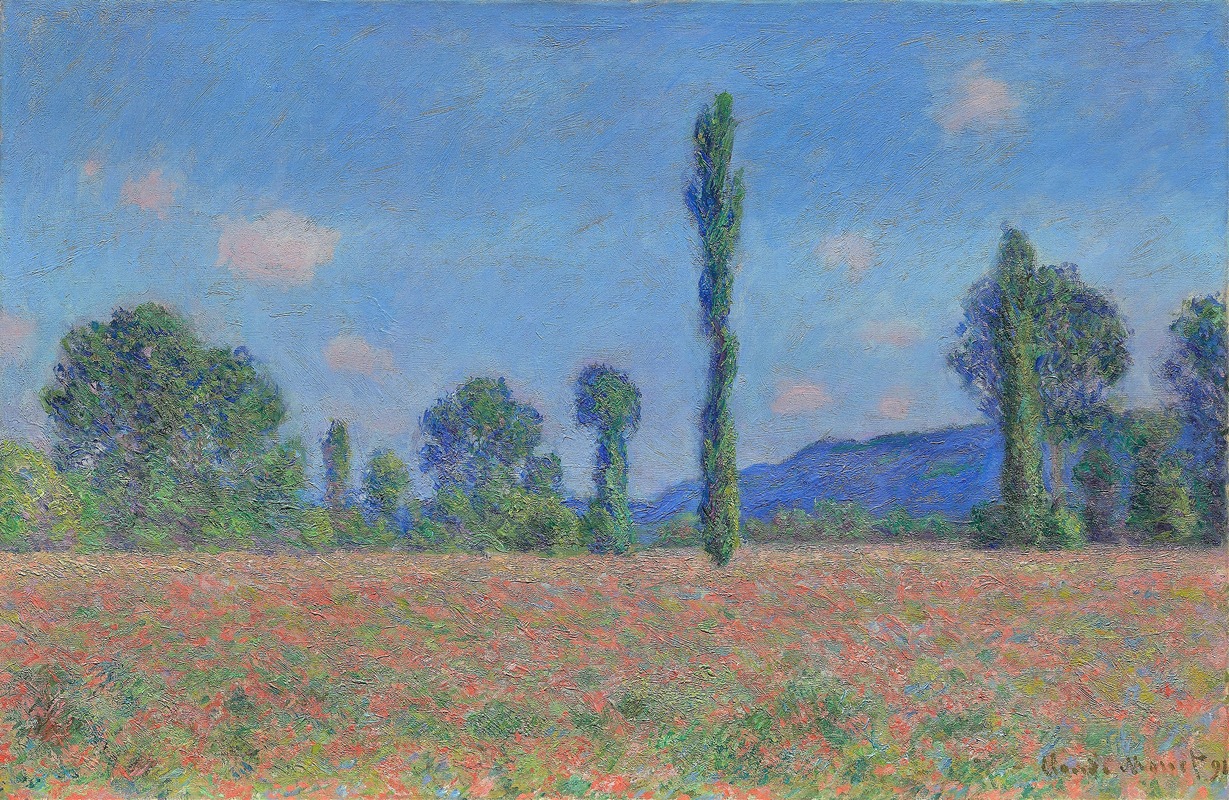
Poppy Field (Giverny)
Claude Monet
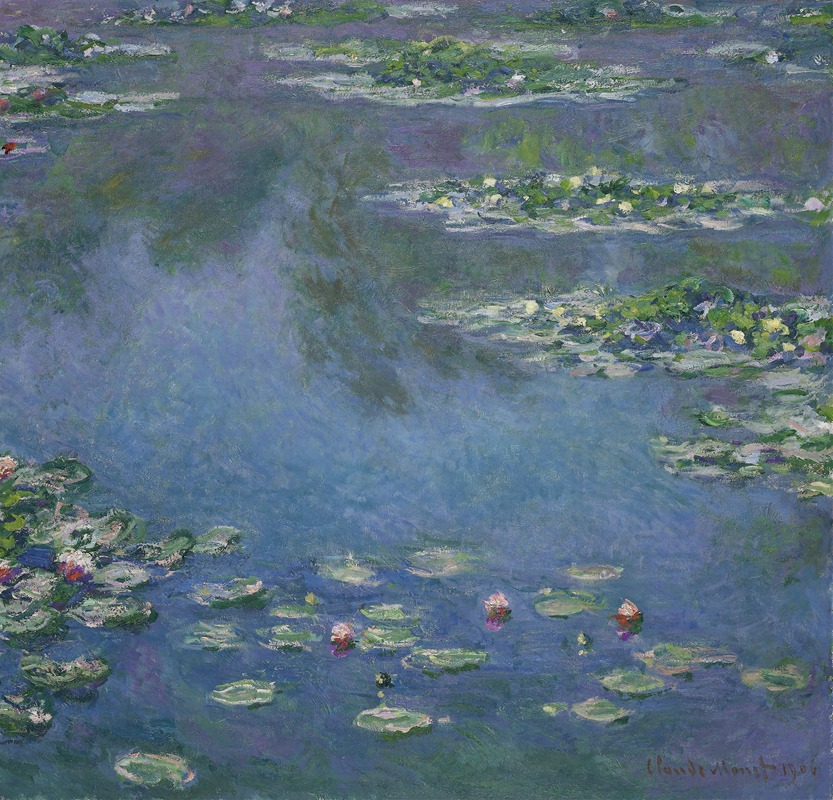
Water Lilies
Claude Monet
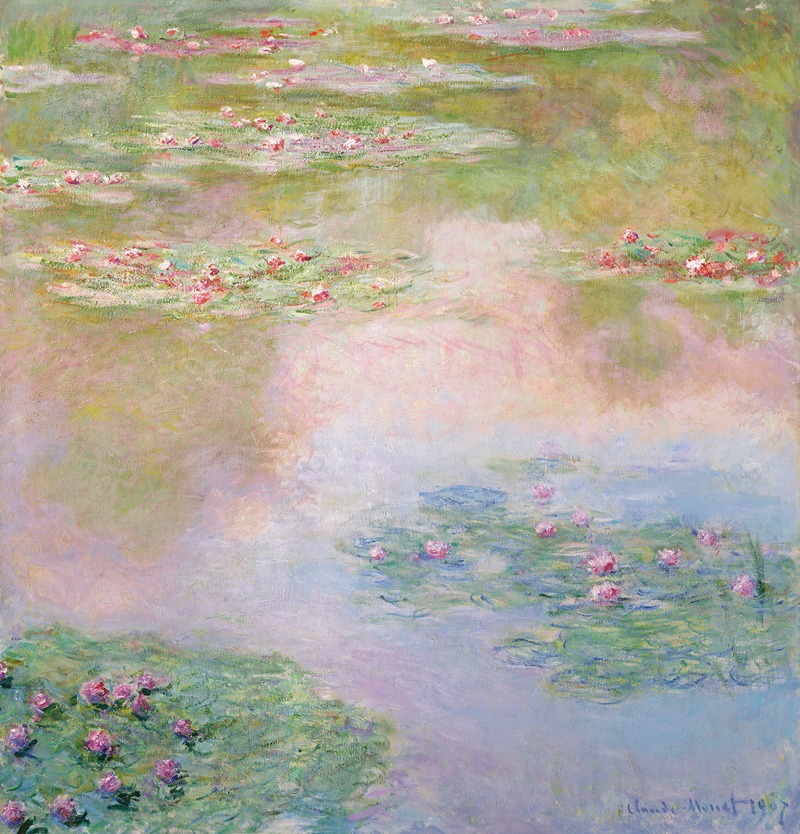
Nymphéas
Claude Monet
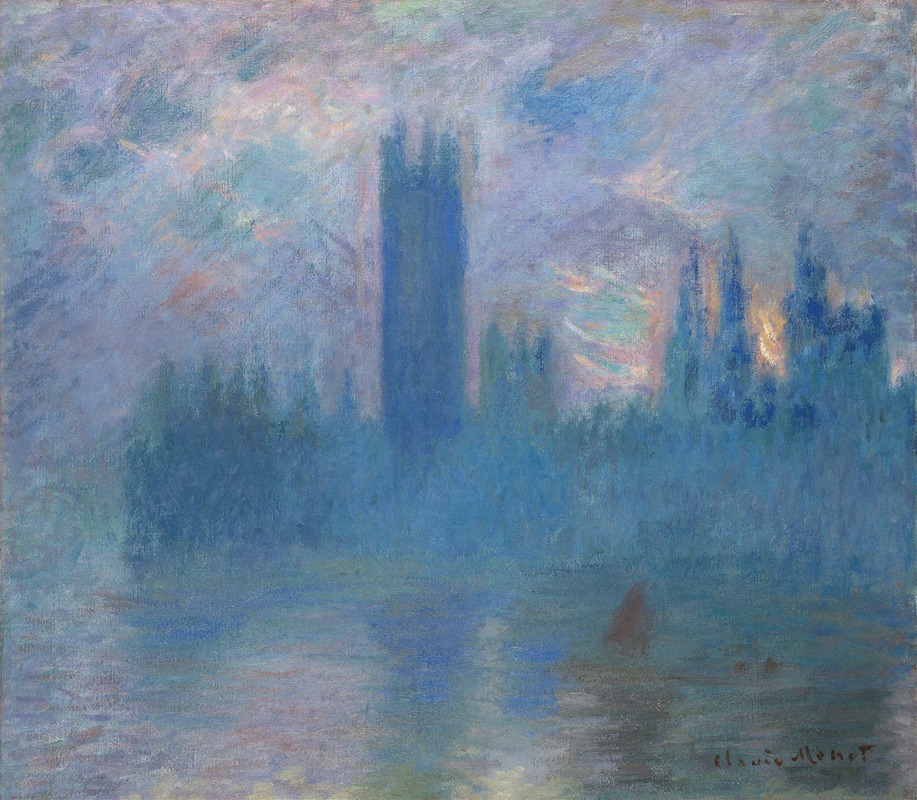
Houses of Parliament, London
Claude Monet
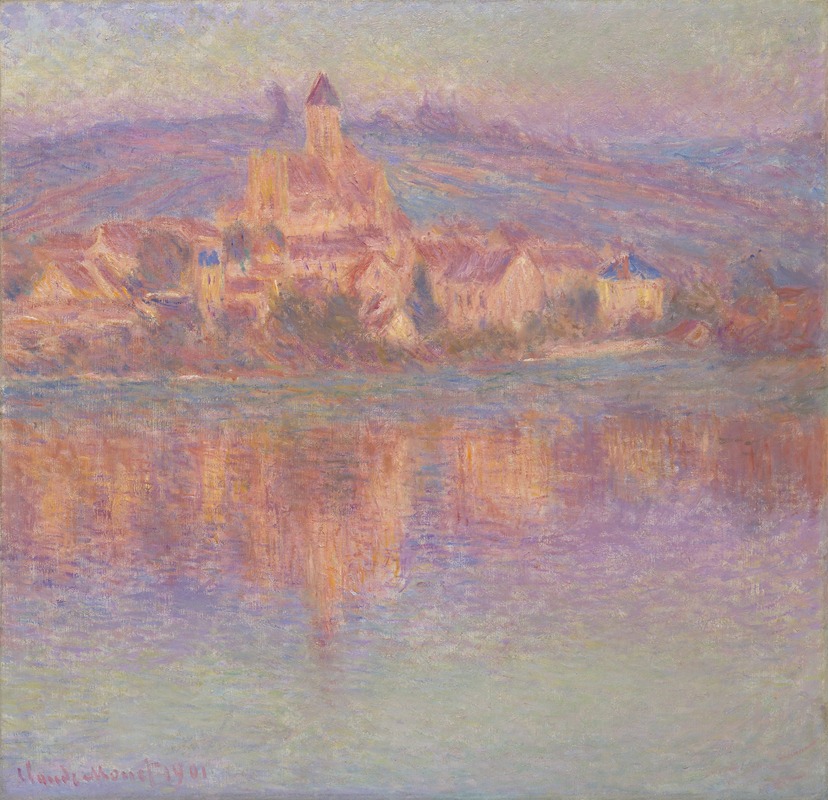
Vétheuil
Claude Monet
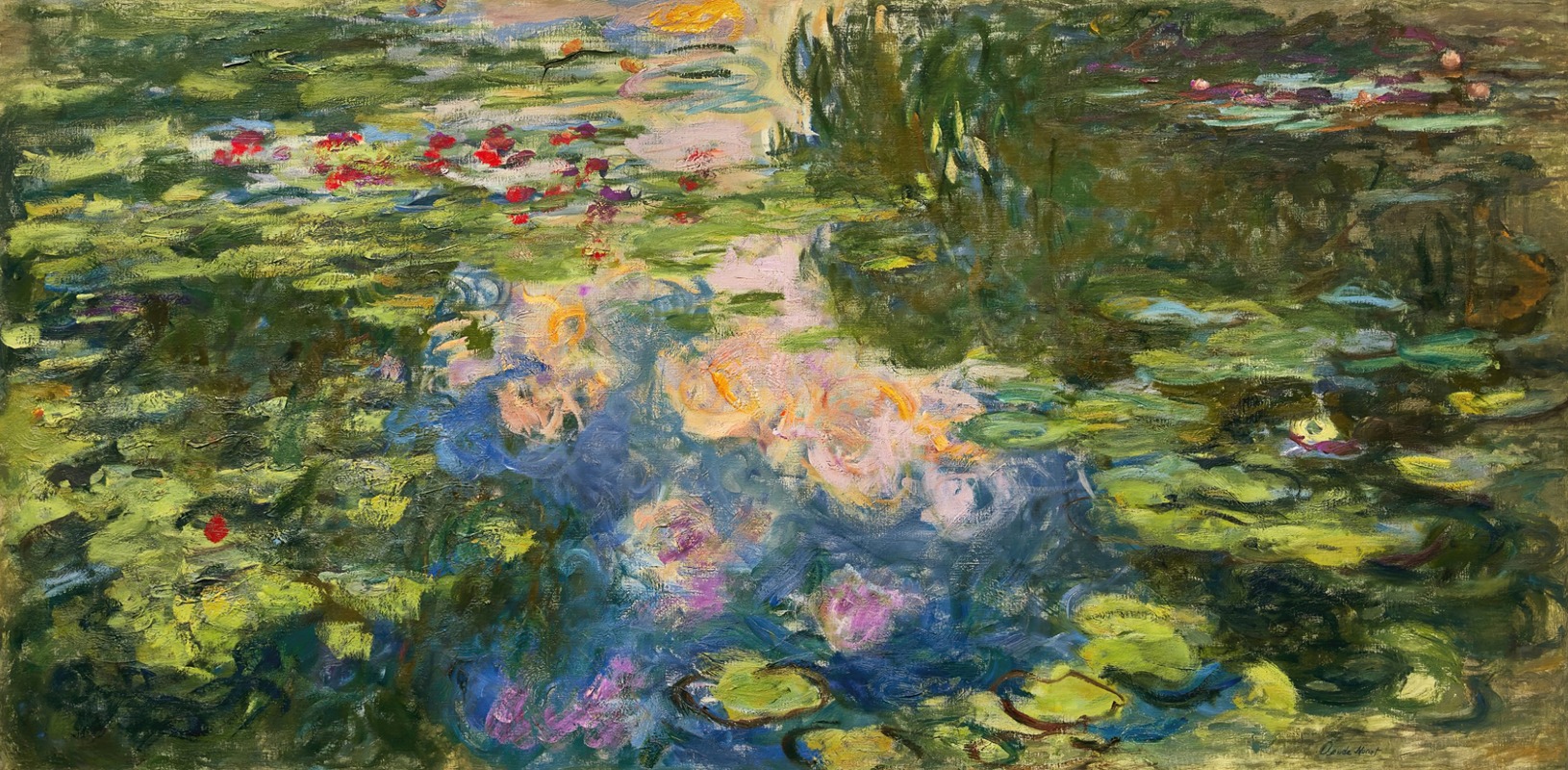
Le Bassin aux nymphéas
Claude Monet
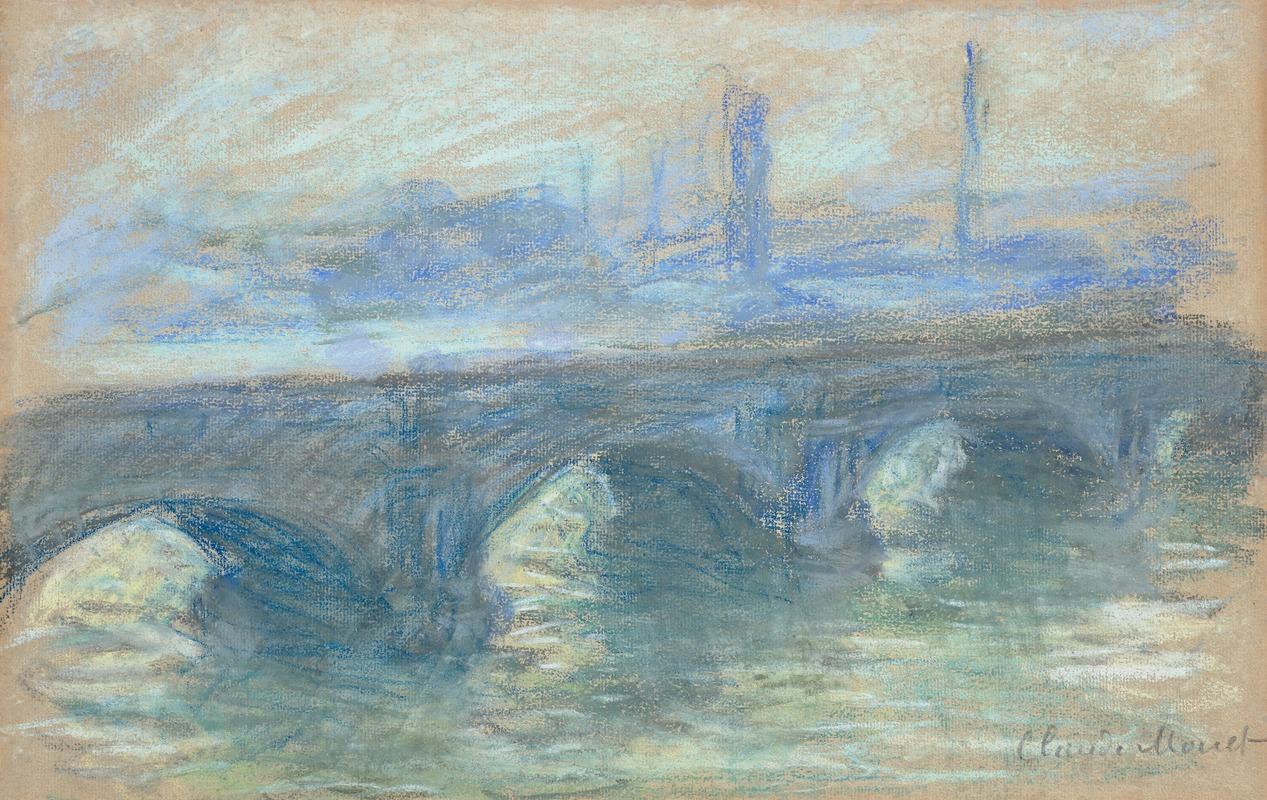
Waterloo Bridge
Claude Monet

Printemps à Giverny, effet d’après-midi
Claude Monet