Discover insights about this artwork
Waterloo Bridge, Gray Weather — History & Facts
Waterloo Bridge, Gray Weather by Claude Monet captures a scene of the iconic bridge enveloped in a gray atmosphere. The painting is dominated by muted tones of gray, blue, and hints of warm colors peeking through the clouds. The bridge itself is rendered with soft brush strokes, blending into the foggy background.
The overall effect evokes a sense of calm and stillness, characteristic of Monet's Impressionist style. Monet employs oil on canvas to create this work, using loose brushwork to convey the effects of light and weather. The painting measures approximately 60 x 80 cm, making it a medium-sized piece that invites viewers to immerse themselves in its atmosphere. The composition focuses on the bridge, with the surrounding landscape fading into the mist.
This technique enhances the feeling of depth and distance. Created in the early 1900s, Waterloo Bridge, Gray Weather reflects Monet's fascination with the changing effects of light and atmosphere. This work is part of a series where Monet painted the same subject under different weather conditions. Interestingly, Monet often painted en plein air, directly from nature, which allowed him to capture the fleeting moments of light.
This painting exemplifies his dedication to exploring the nuances of perception in the natural world.
More Artworks by Claude Monet
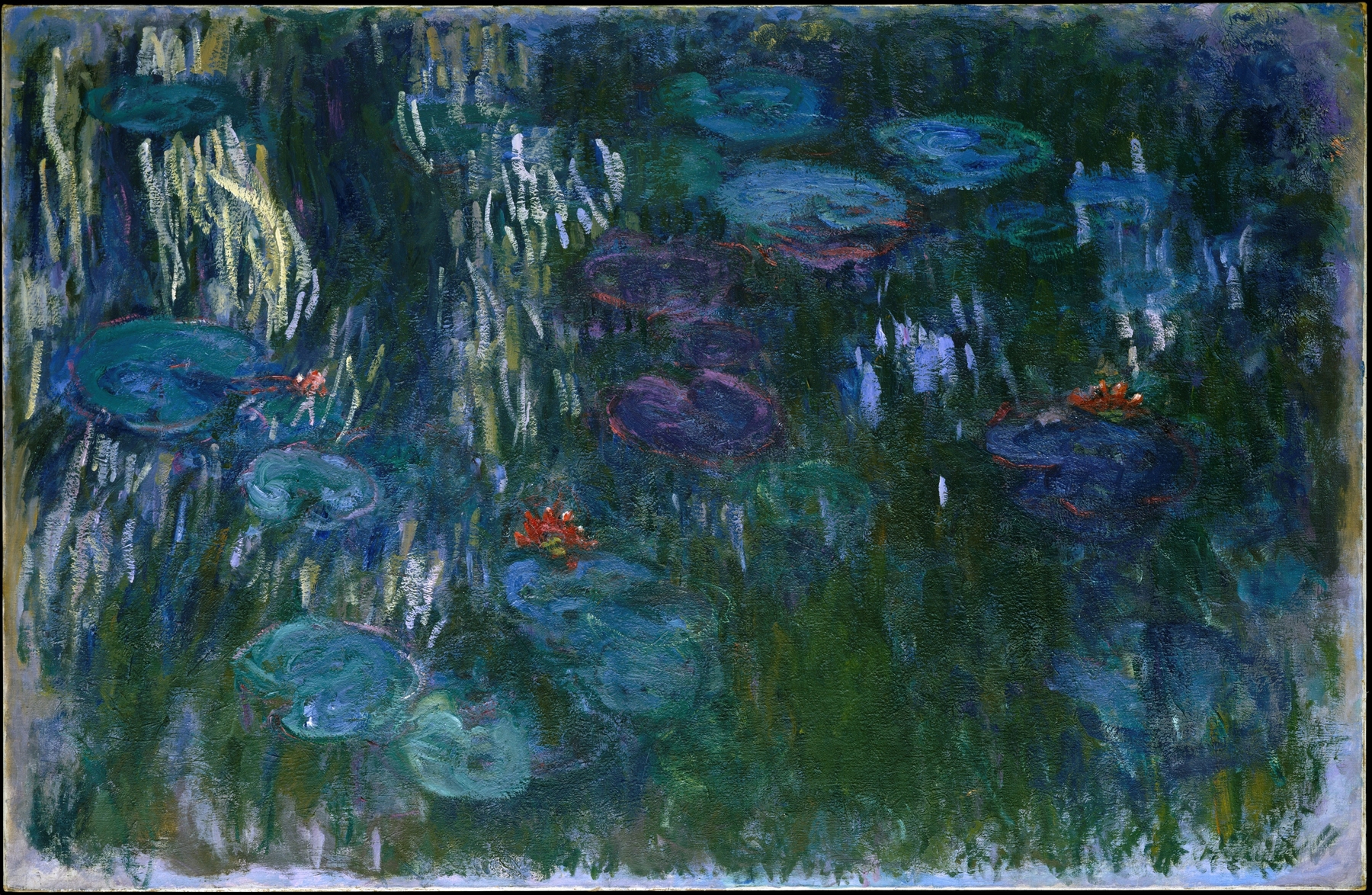
Water Lilies
Claude Monet
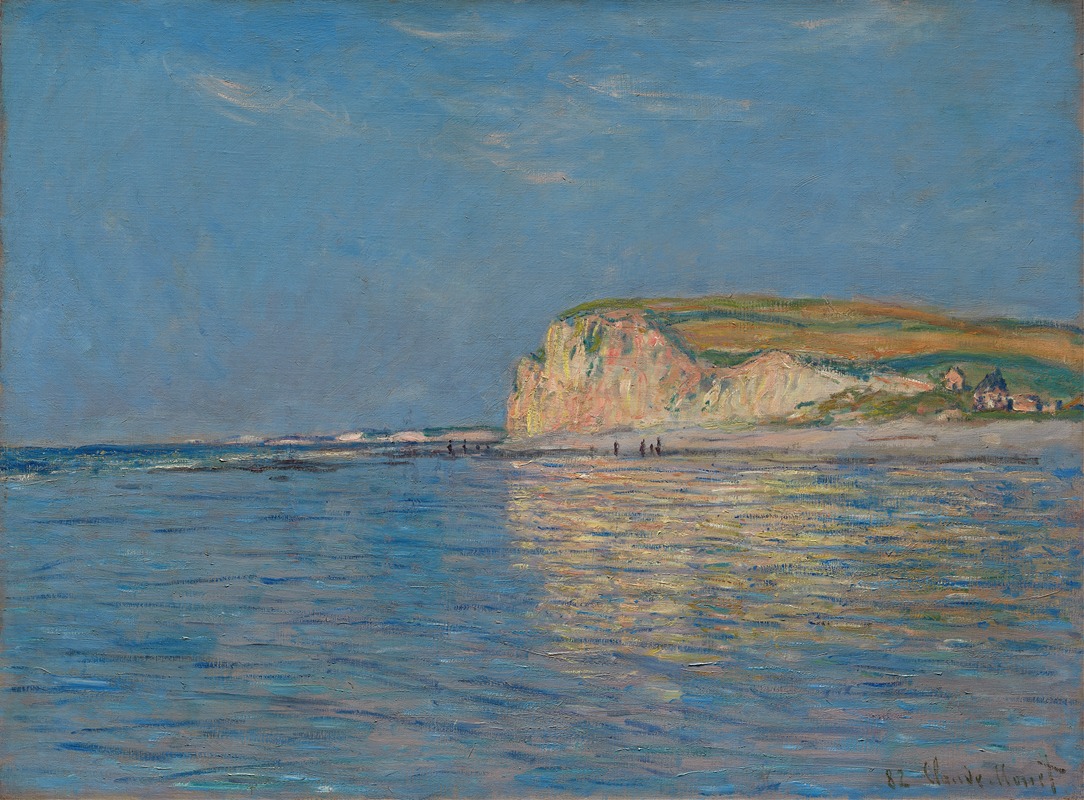
Low Tide at Pourville, near Dieppe
Claude Monet
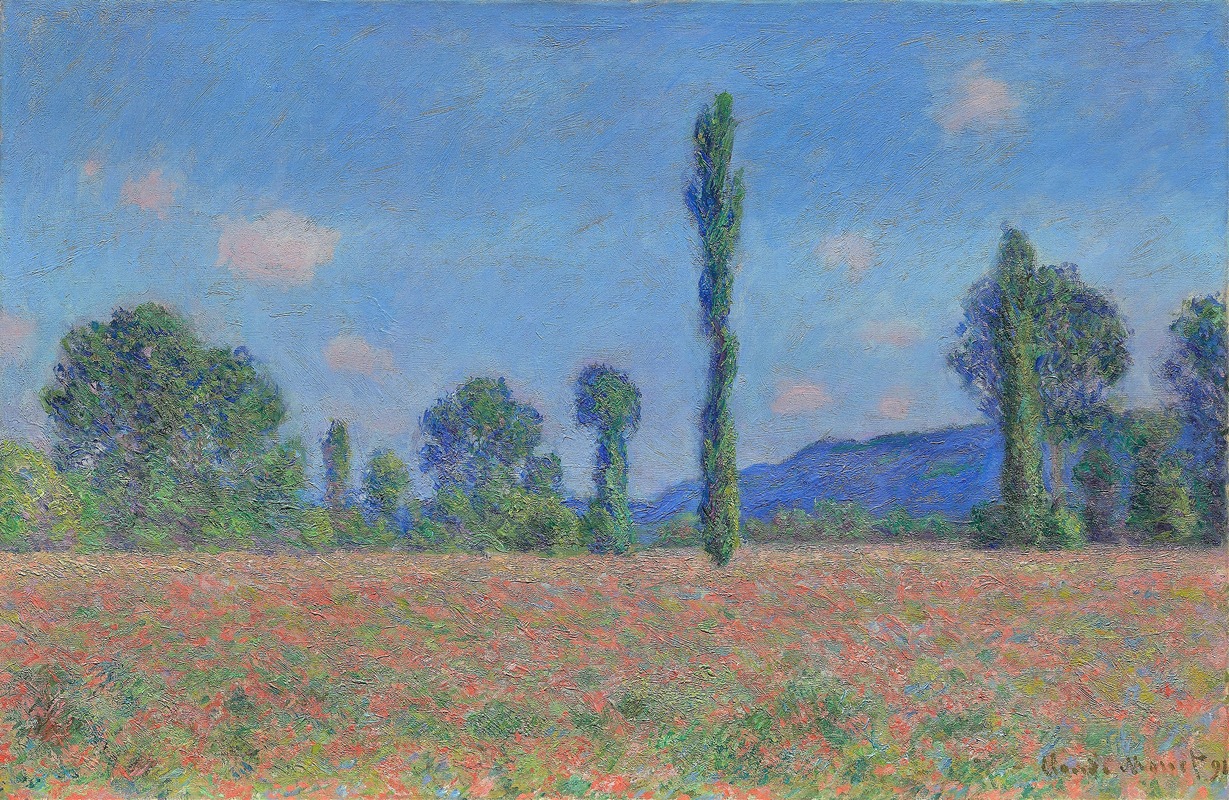
Poppy Field (Giverny)
Claude Monet
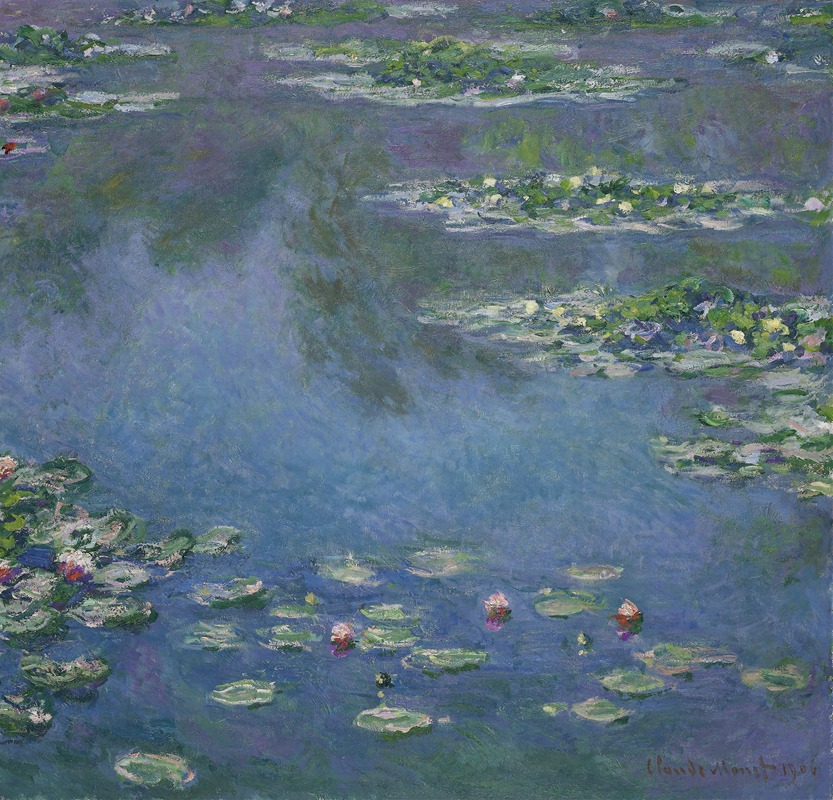
Water Lilies
Claude Monet
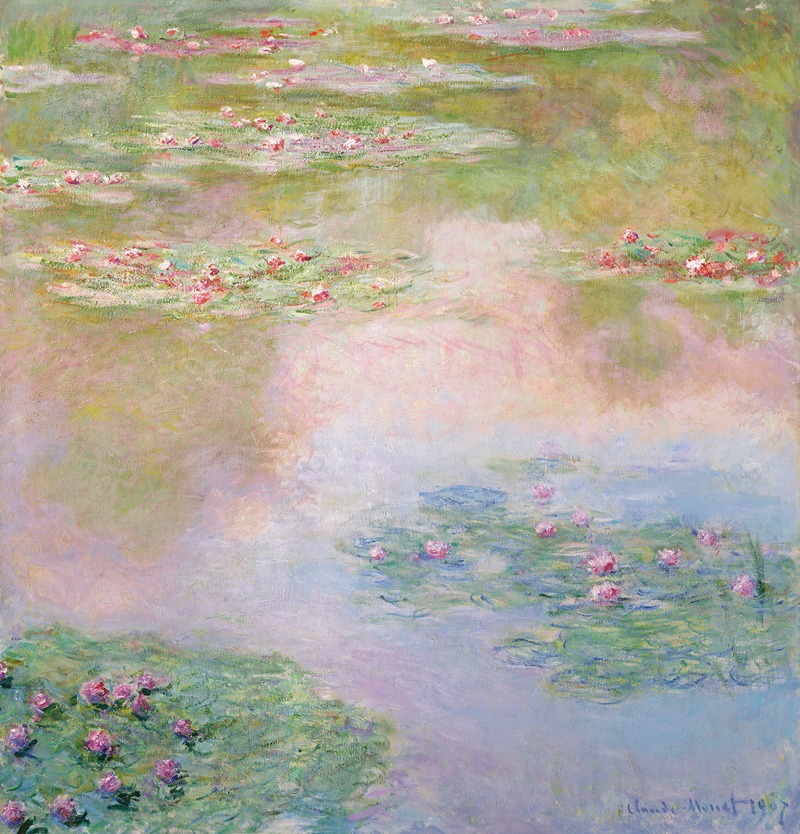
Nymphéas
Claude Monet
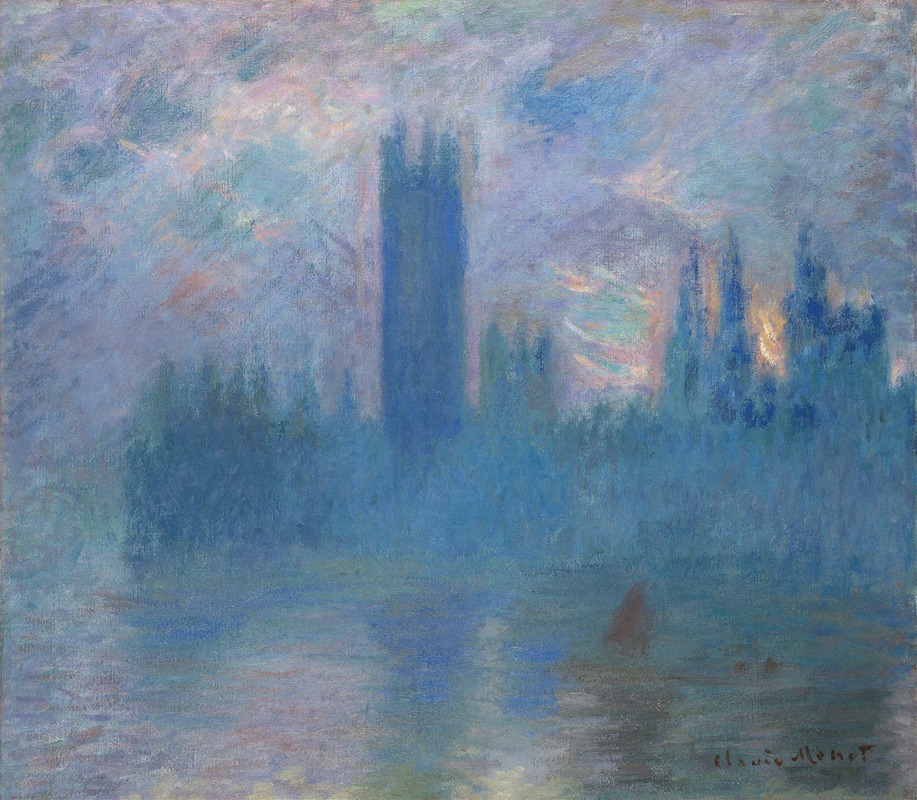
Houses of Parliament, London
Claude Monet
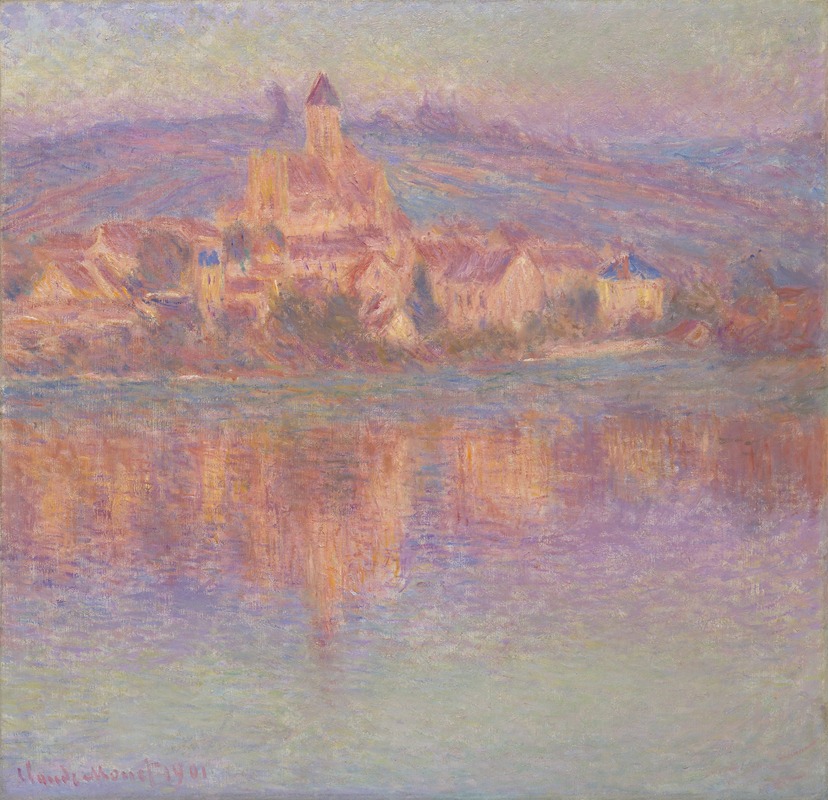
Vétheuil
Claude Monet
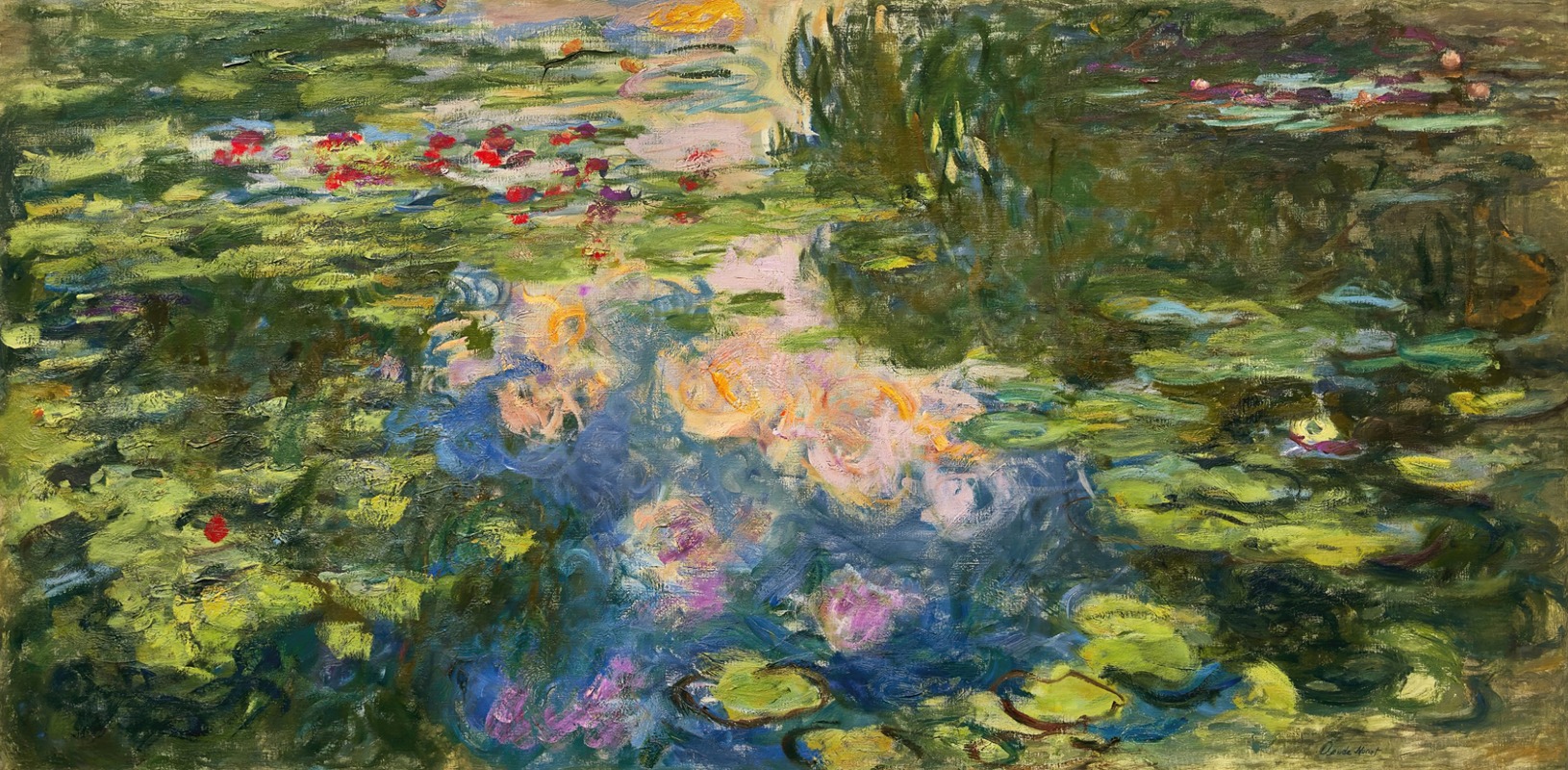
Le Bassin aux nymphéas
Claude Monet
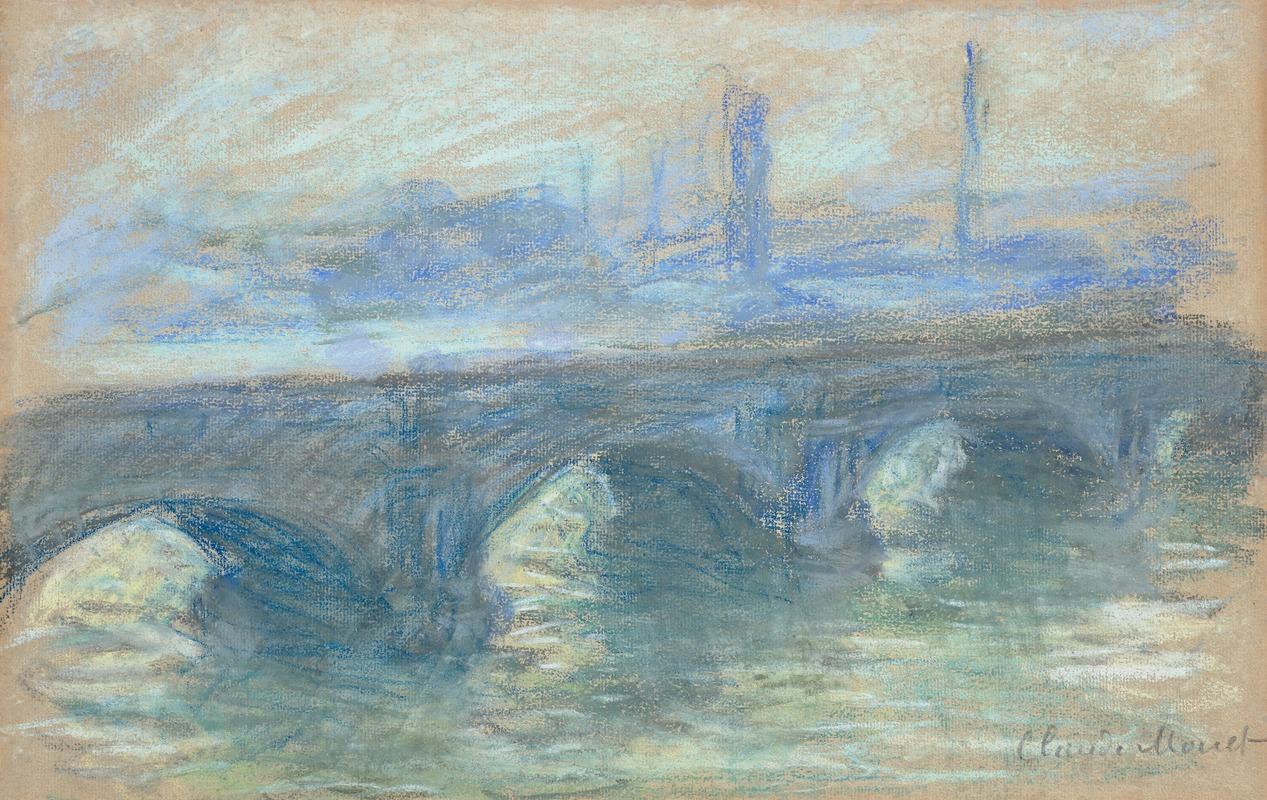
Waterloo Bridge
Claude Monet

Printemps à Giverny, effet d’après-midi
Claude Monet