
Watermill near a Flowing Brook — History & Facts
In the silent embrace of nature, the essence of a moment hangs suspended, yet it whispers of the weight of existence. Look at the gentle swirl of the brook, where hues of azure and emerald intertwine, creating a symphony of color that draws your gaze. The watermill stands stoic, its wooden structure rendered in warm earth tones, contrasting beautifully with the vibrant blues of the water. Notice how the light dances across the surface, illuminating the delicate ripples, while shadows pool beneath the trees, suggesting depth and a hidden life that thrives beyond the canvas. Hidden within the tranquility of the scene lies an exploration of the ephemeral versus the eternal.
The flowing brook signifies the ceaseless passage of time, while the sturdy mill embodies endurance and human innovation. Indeed, the lush surrounding foliage teeters on the edge of wildness, embodying nature's chaotic beauty, yet it’s tethered to man’s quiet endeavor. The intricate details of the millstone, dulled by the passing of seasons, remind us of the impermanence of labor and the inevitability of nature's reclamation. During the years of 1795 to 1797, the artist was navigating the burgeoning Romantic movement, grappling with the tension between the natural world and industrial progress.
Painted in England, this piece reflects Turner's fascination with light and atmosphere, as he sought to capture the sublime essence of a landscape that hinted at both nostalgia and a changing world. In this era of transformation, he remained a pioneer, deftly weaving emotional depth into each brushstroke.
More Artworks by Joseph Mallord William Turner
Browse all →
Dort or Dordrecht- The Dort Packet-Boat from Rotterdam Becalmed
Joseph Mallord William Turner
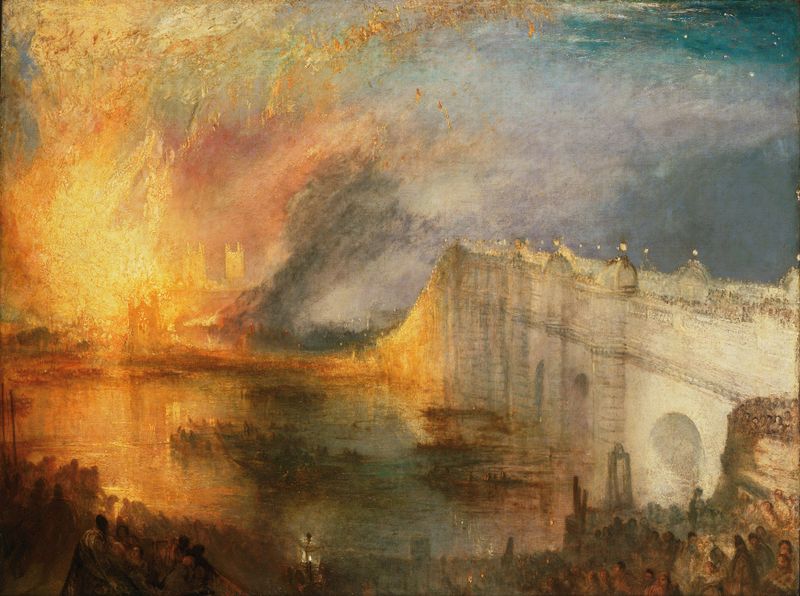
The Burning of the Houses of Lords and Commons, October 16, 1834
Joseph Mallord William Turner
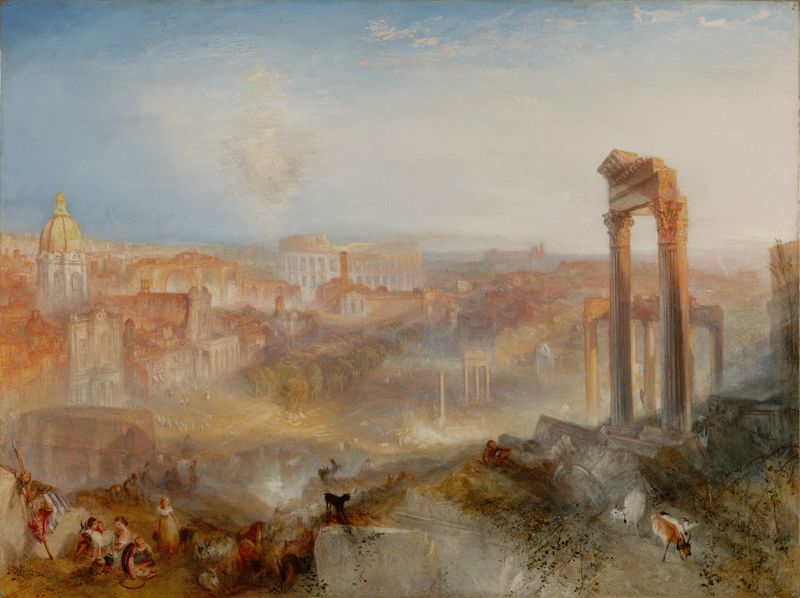
Modern Rome – Campo Vaccino
Joseph Mallord William Turner
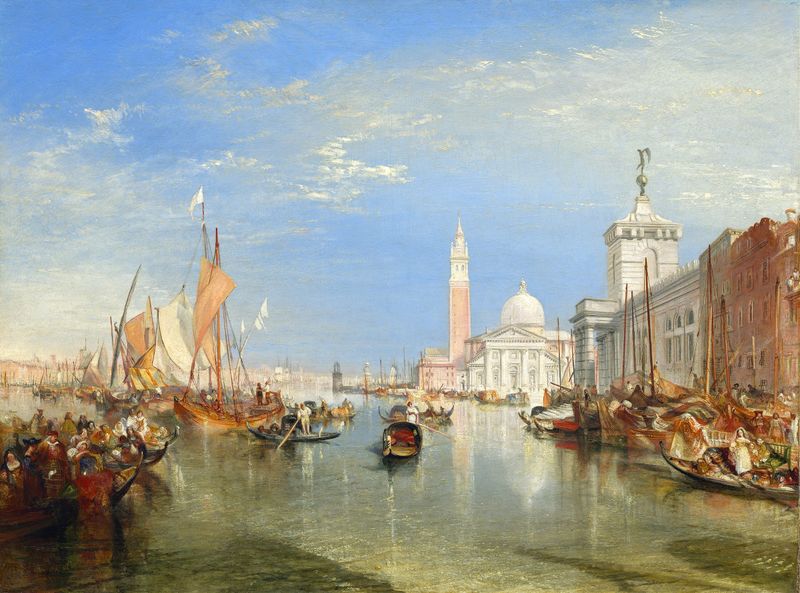
Venice – The Dogana and San Giorgio Maggiore
Joseph Mallord William Turner

The Burning of the Houses of Lords and Commons, 16 October 1834
Joseph Mallord William Turner
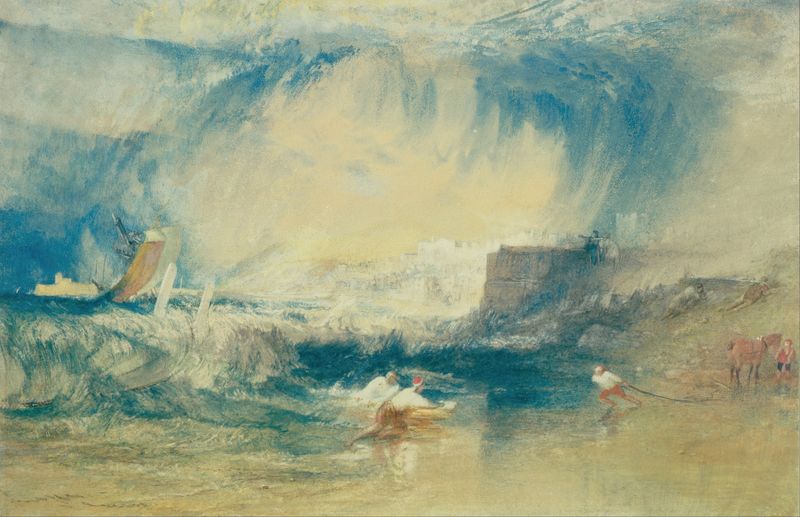
Lyme Regis, Dorsetshire, England
Joseph Mallord William Turner
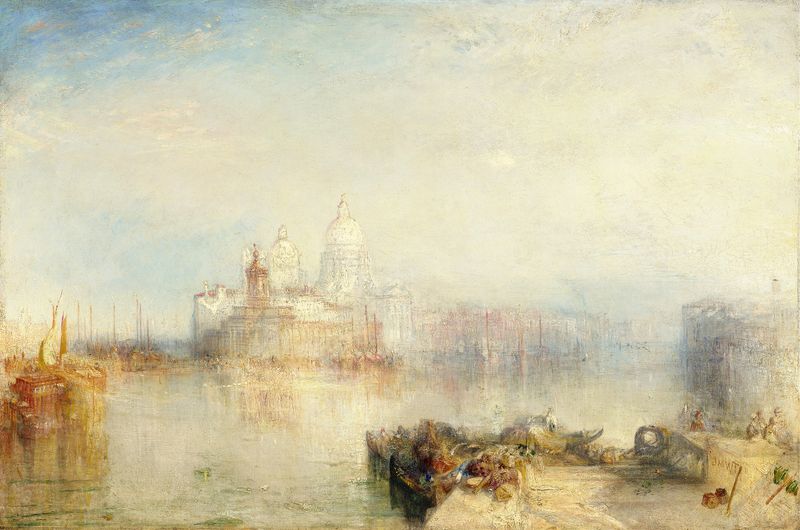
The Dogana and Santa Maria della Salute, Venice
Joseph Mallord William Turner
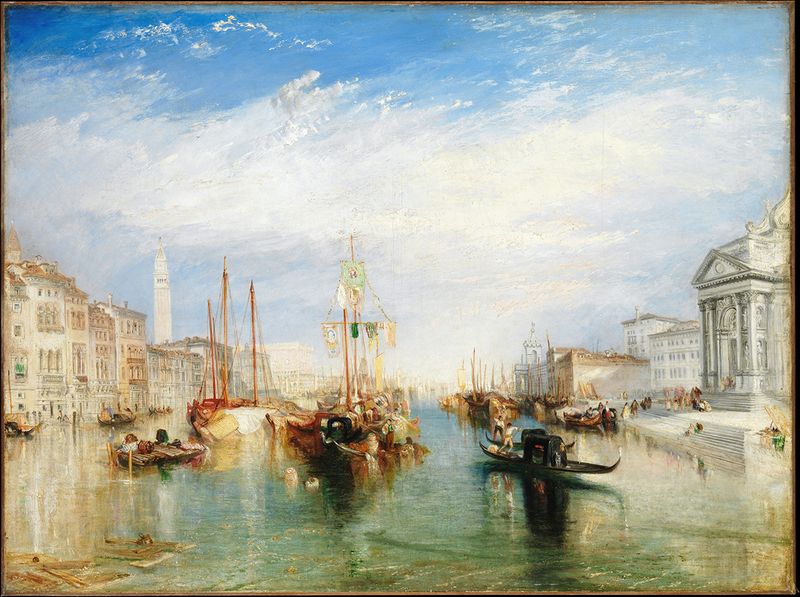
Venice, from the Porch of Madonna della Salute
Joseph Mallord William Turner
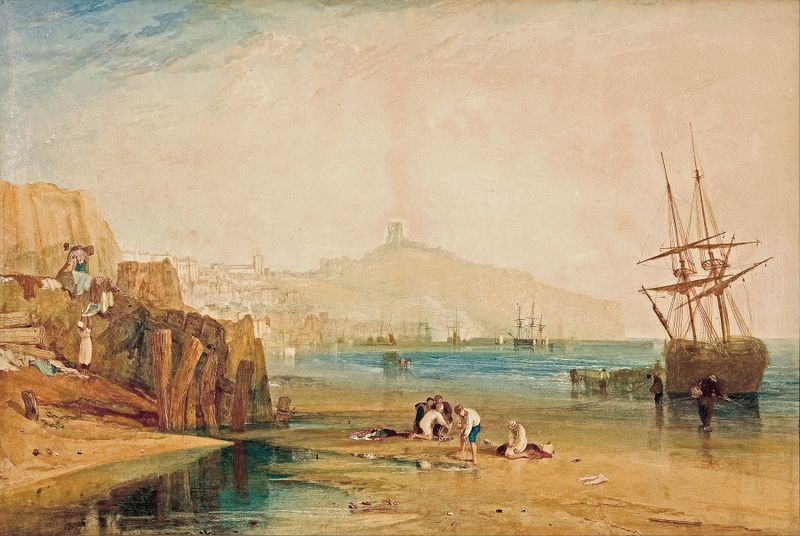
Scarborough town and castle; morning; boys catching crabs
Joseph Mallord William Turner
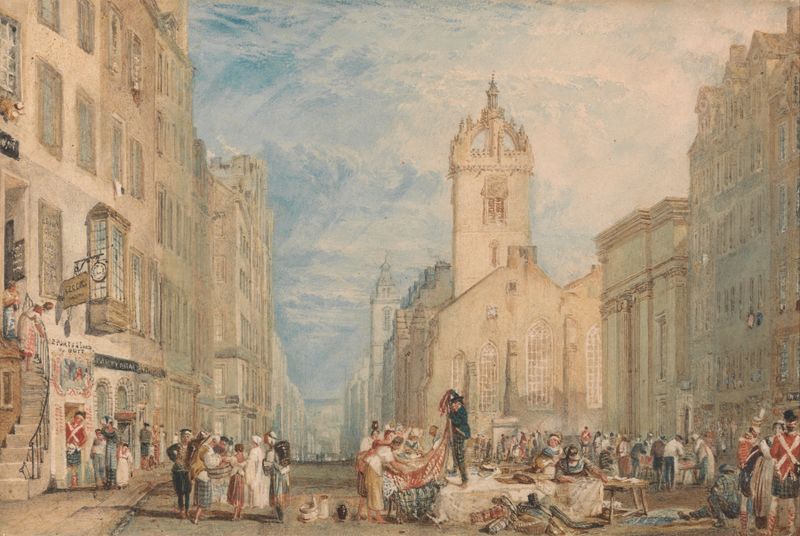
High Street, Edinburgh
Joseph Mallord William Turner





