
Waxenstein — History & Facts
Did the painter know this moment would outlive them? A stillness pervades Waxenstein, drawing the viewer into a contemplative realm where faith and existence intertwine through the interplay of color and form. Focus on the central figure, a silhouette that emerges from a backdrop of rich, swirling hues. The stark contrast between the darkened form and the vibrant palette surrounding it invites introspection. Notice how layers of paint create texture, embodying the weight of belief.
The use of bold brushstrokes captures both motion and stillness, while the colors echo a spectrum of emotion—from despair to hope, illuminating the complexity of spiritual experience. Within the piece lurks a profound exploration of duality. The figure, both ghostly and corporeal, suggests the transient nature of life against a backdrop that pulsates with vitality. The vibrant colors symbolize a spectrum of faith experiences, from fervent devotion to quiet doubt.
This tension compels the audience to consider their own beliefs, urging a reflection on personal and collective spiritual journeys. Marsden Hartley painted Waxenstein in 1933 while living in New York City, a time when the art world was grappling with modernism and abstraction. Hartley was influenced by his personal experiences, including the loss of loved ones and his deep connection to spirituality. This painting reflects a pivotal moment in his career, showcasing his evolution as an artist and his quest to express intangible themes through bold, emotive abstraction.
More Artworks by Marsden Hartley
Browse all →
New Mexico
Marsden Hartley
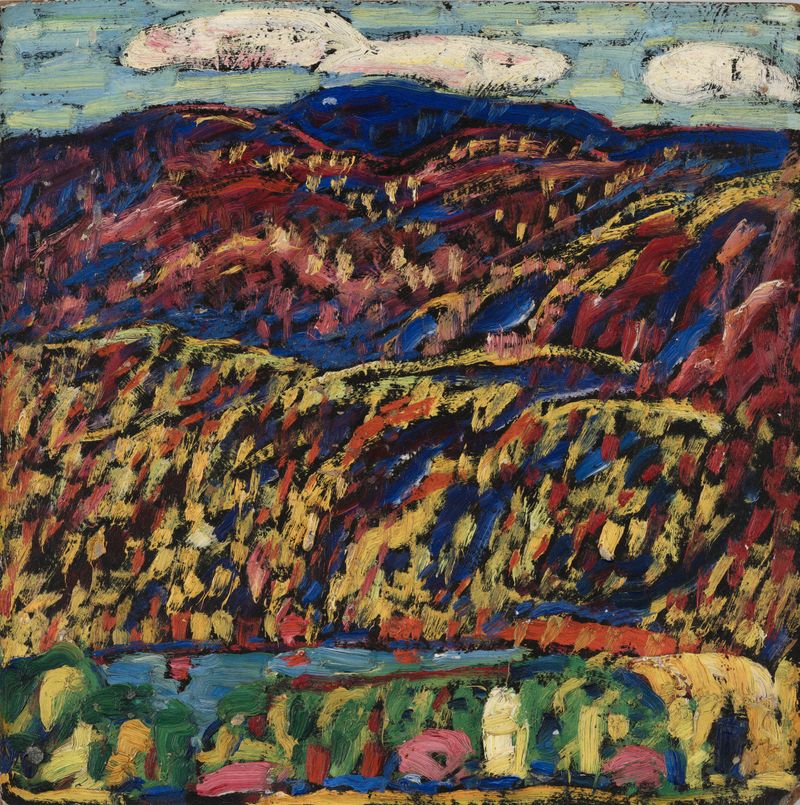
Kezar Lake, Autumn Morning
Marsden Hartley
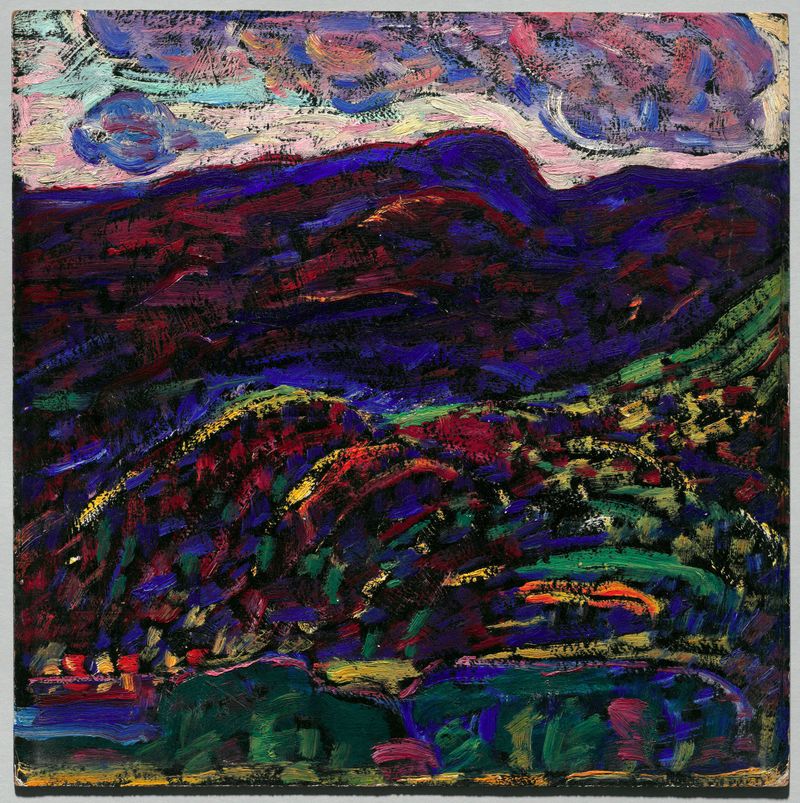
Kezar Lake, Autumn Evening
Marsden Hartley

The Last of New England—The Beginning of New Mexico
Marsden Hartley

New Mexico Recollection No. 8
Marsden Hartley
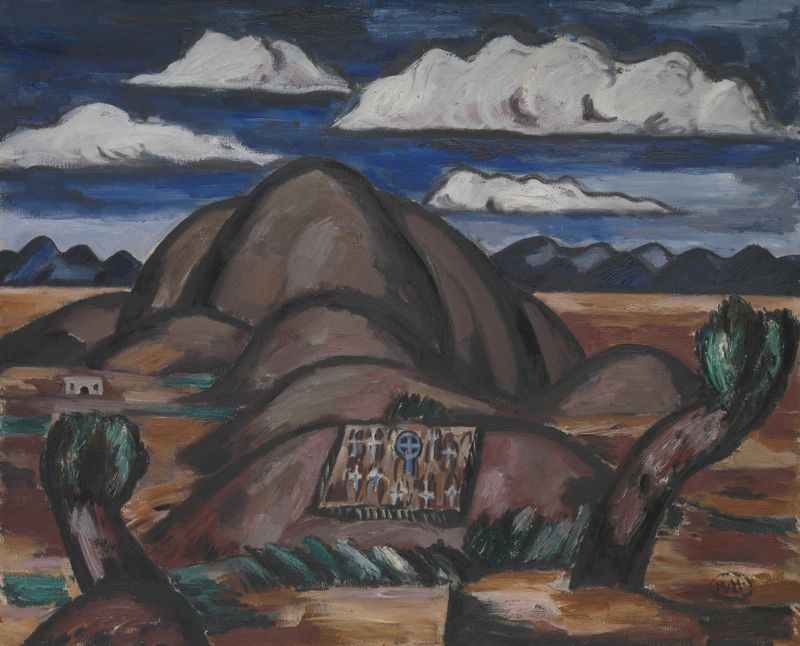
Cemetery, New Mexico
Marsden Hartley

Movement No. 10
Marsden Hartley

Song Of Winter
Marsden Hartley
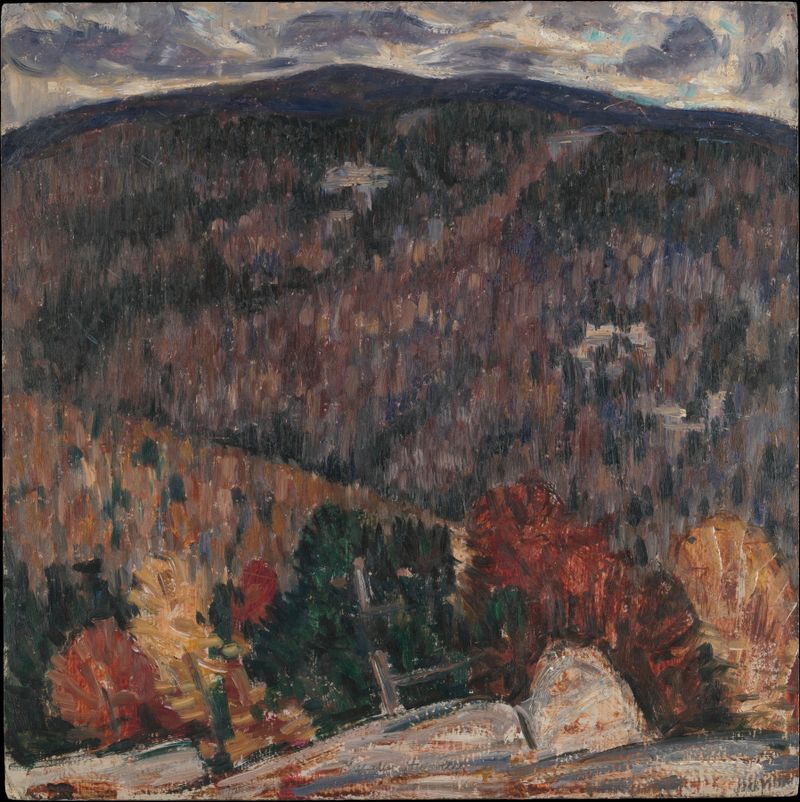
Landscape No. 25
Marsden Hartley

Landscape no. 26
Marsden Hartley





