
West Front of Longford Castle, Wiltshire the Seat of the Earl of Radnor — History & Facts
In the realm of art, we often find reflections of our own fleeting existence, where every stroke hints at the inevitable passage of time. The beauty of a moment captured can evoke an understanding of mortality that transcends mere visual representation. Look to the left of the canvas, where the intricate detail of the castle’s stone façade stands resilient against nature’s encroachment. The warm hues of the earth mingle with the cool greens of the surrounding trees, creating a tapestry of contrasts that draws the viewer’s gaze.
Notice how the sunlight glimmers across the castle's windows, illuminating the structure while casting shadows that whisper of time’s embrace. Each architectural feature is meticulously rendered, inviting one to contemplate both the grandeur and the decay that accompanies such monuments. Delve deeper into the painting, and you might sense the poignant tension between the sturdy castle and the encircling foliage that threatens to reclaim it. There’s an underlying narrative of preservation versus erosion, symbolizing not just the building’s structural integrity but also the fragility of legacy.
This duality serves as a reminder that beauty is often ephemeral, echoing our own lives as we grapple with the fleeting nature of existence. In 1811, the artist created this work while living in a time marked by industrialism's rise and the echoes of the Enlightenment. Buckler was part of a burgeoning movement that celebrated British architecture, and he was influenced by the Romantic ideals of his era, seeking to preserve the pastoral beauty of the countryside amidst the changes sweeping through society. His depiction of Longford Castle thus stands not only as a testament to architectural prowess but also as a meditation on the impermanence that shapes our world.
More Artworks by John Buckler
Browse all →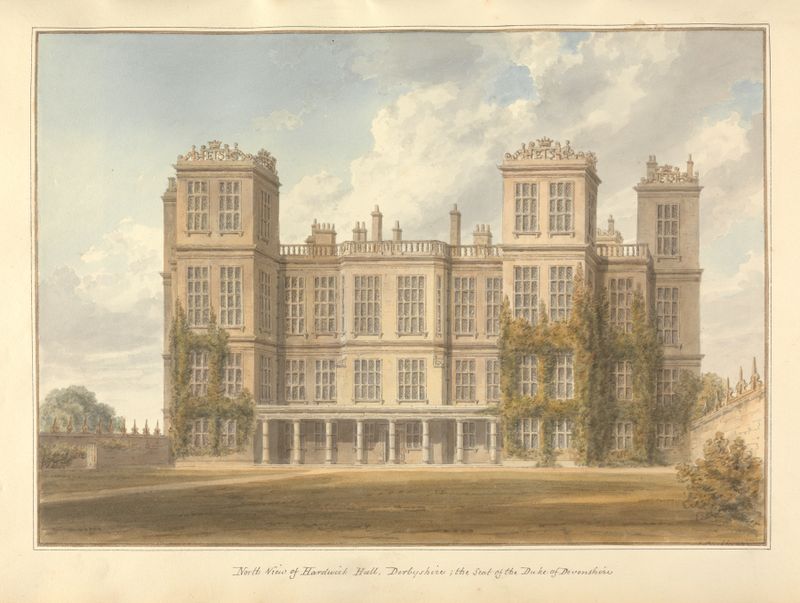
North View of Hardwick Hall, Derbyshire: the Seat of the Duke of Devonshire
John Buckler
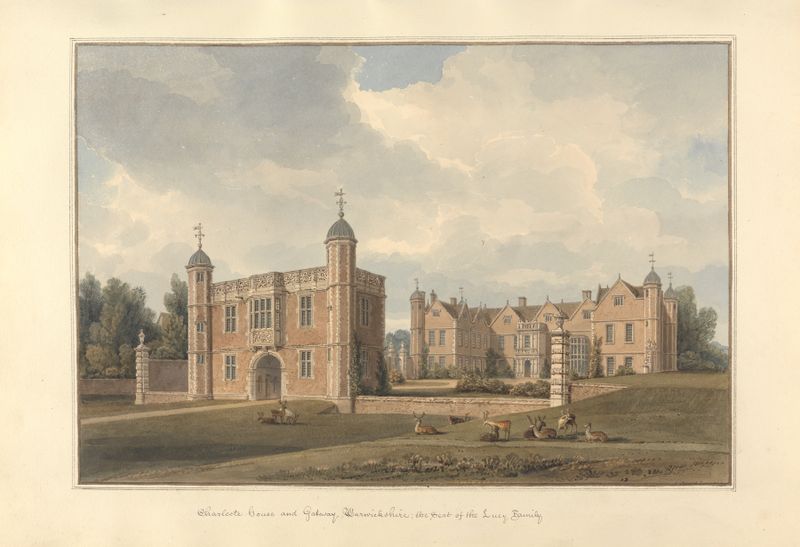
Charlcote house and Gateway, Warwickshire: the Seat of the Lucy Family
John Buckler

North East View of Holland House
John Buckler
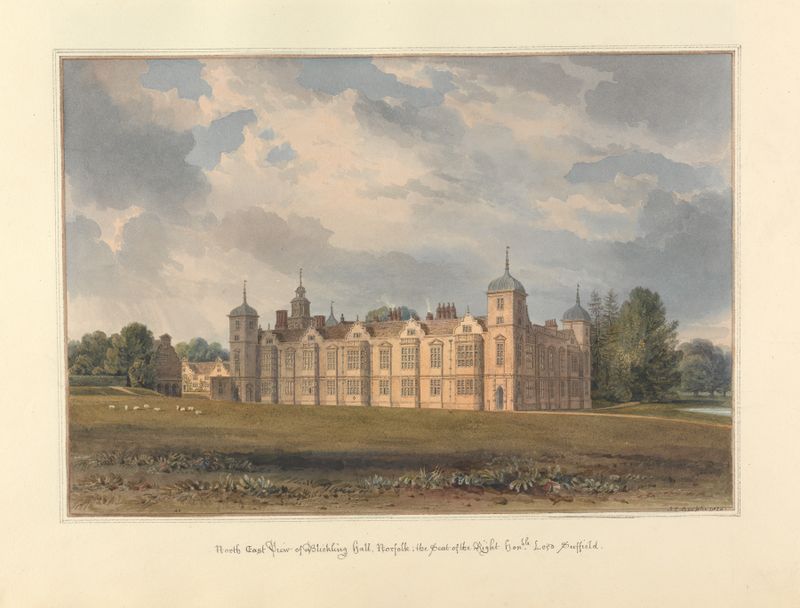
North East View of Blickling Hall, Norfolk: the Seat of the Right Hon’ble Lord Suffield
John Buckler
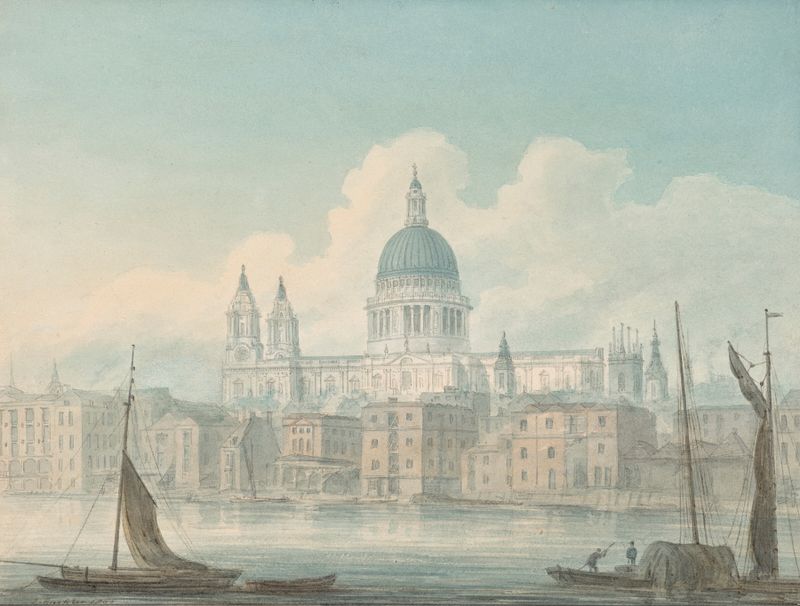
View of St Paul’s Cathedral, from the Southbank of the River Thames, London
John Buckler
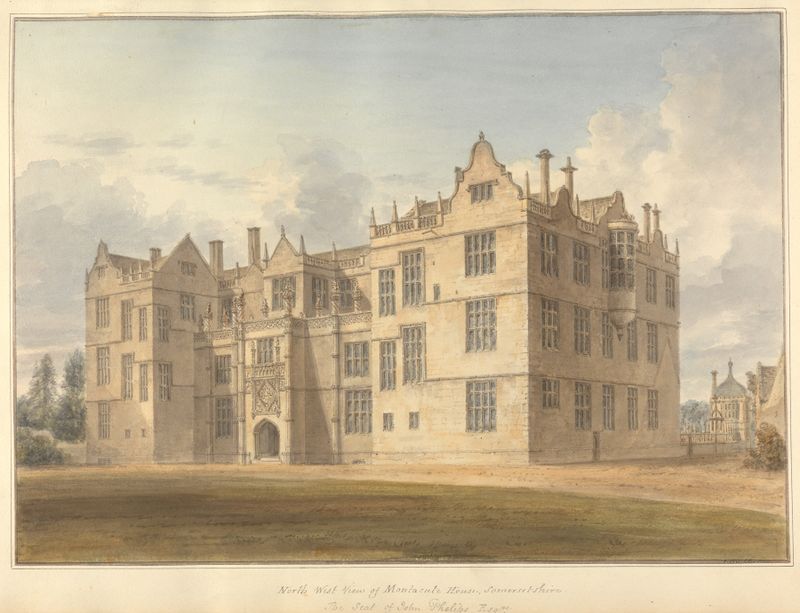
North West View of Montacute House, Somersetshire, The Seat of John Phelips Esqr.
John Buckler
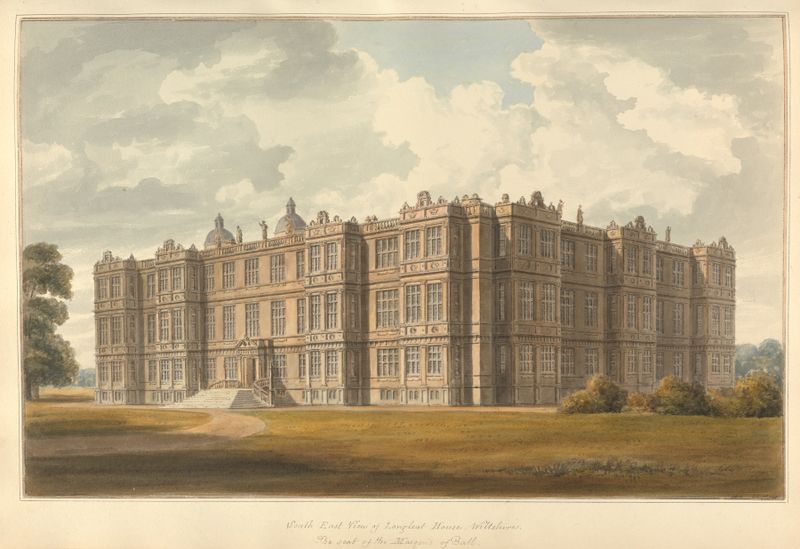
South East View of Longleat House, Wiltshire, the Seat of the Marquis of Bath
John Buckler
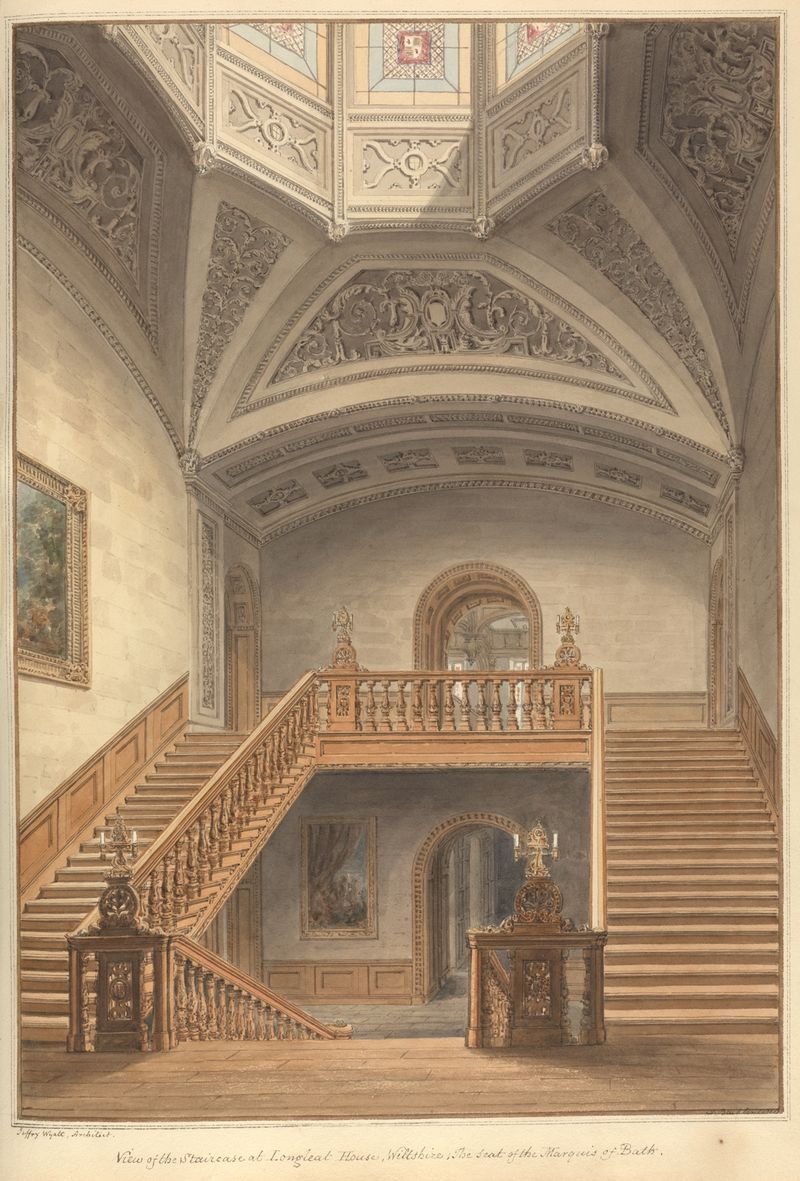
View of the Staircase at Longleat House, Wiltshire: the Seat of the Marquis of Bath
John Buckler
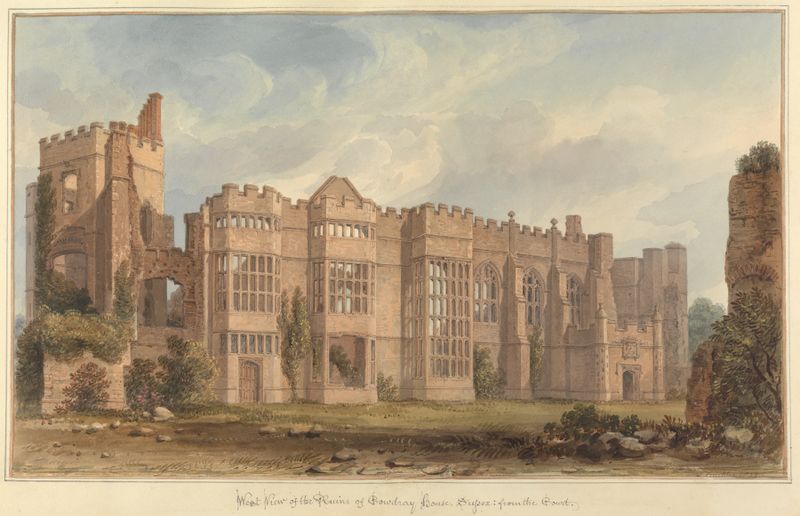
West View of the Ruins of Cowdray House, Sussex: from the Court
John Buckler
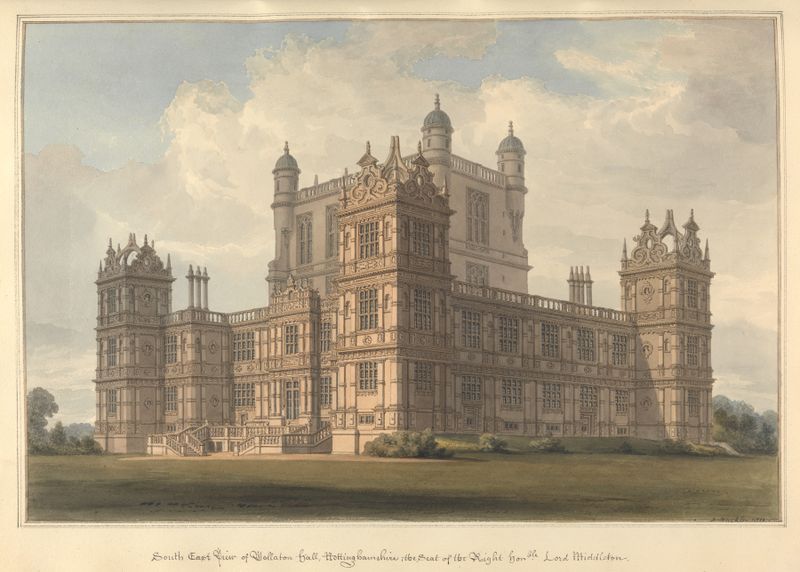
South East view of Wollaton hall, Nottinghamshire, the Seat of the Right honble. Lord Middleton
John Buckler
More Architecture Art
Browse all →
The statue of Liberty
Frédéric Auguste Bartholdi

View of Houses in Delft, Known as ‘The Little Street’
Johannes Vermeer

View of Houses in Delft, Known as ‘The Little Street’
Johannes Vermeer

The Cathedral in Rouen. The portal, Grey Weather
Claude Monet

The yellow house
Vincent van Gogh

The Church in Auvers-sur-Oise, View from the Chevet
Vincent van Gogh