
West Lodge, East Bergholt — History & Facts
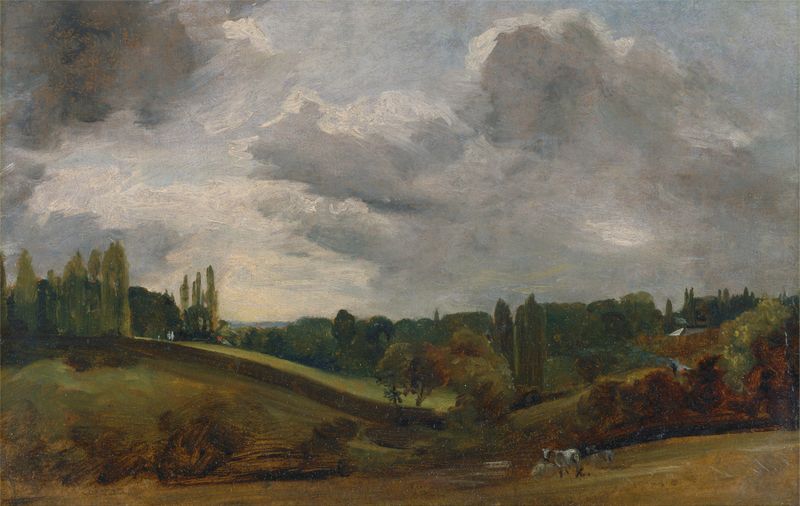
The echo of absence reverberates through the lush landscape, a haunting reminder of what once was. In the gentle strokes of paint, the emptiness speaks volumes, inviting contemplation of both the natural world and the human experience. Look to the center of the canvas, where an inviting cottage nestles against rolling hills. Notice how the delicate greens and soft browns blend harmoniously, creating a sense of tranquility that is both comforting and eerily still.
The way the light filters through the clouds, casting a gentle glow on the cottage, draws your eye, while the tall trees stand sentinel, their shadows stretching long beneath the fading afternoon sun. This subtle play of color and light elevates the ordinary scene into something profound, evoking a sense of nostalgia and longing. Yet, beneath the serene surface lies a deeper narrative. The openness of the landscape, coupled with the isolation of the lodge, hints at themes of solitude and reflection.
The absence of human figures adds to the emotional weight, suggesting a longing for connection that remains just out of reach. Each brushstroke captures a moment suspended in time, where the beauty of nature clashes with the quiet desolation of uninhabited spaces. Created between 1813 and 1816, this work emerged during a transformative period for the artist, who was grappling with personal loss and the shifting tides of the Romantic movement in England. As Constable sought to capture the essence of the English countryside, he also wrestled with the art world's growing emphasis on urban themes.
This painting stands as a testament to both his love for the landscape and his deep, abiding sense of emptiness within it.
More Artworks by John Constable
Browse all →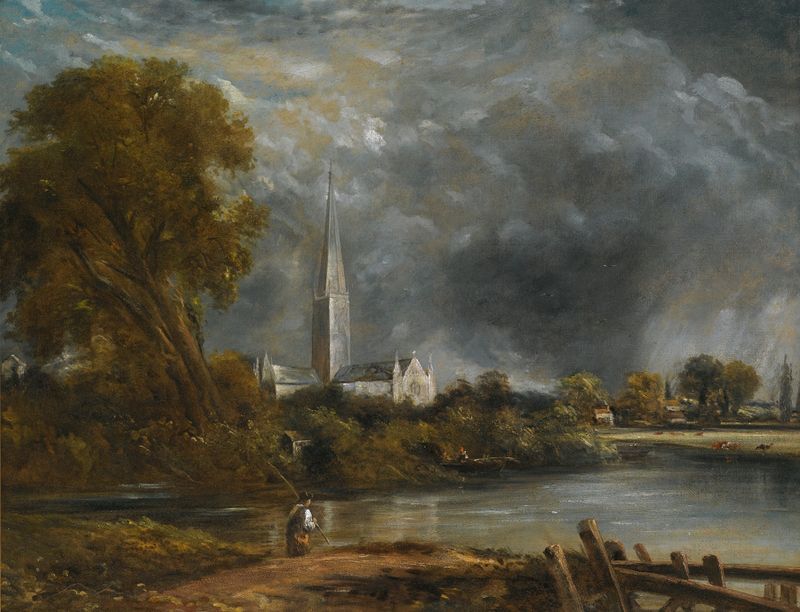
Salisbury Cathedral From The Meadows
John Constable
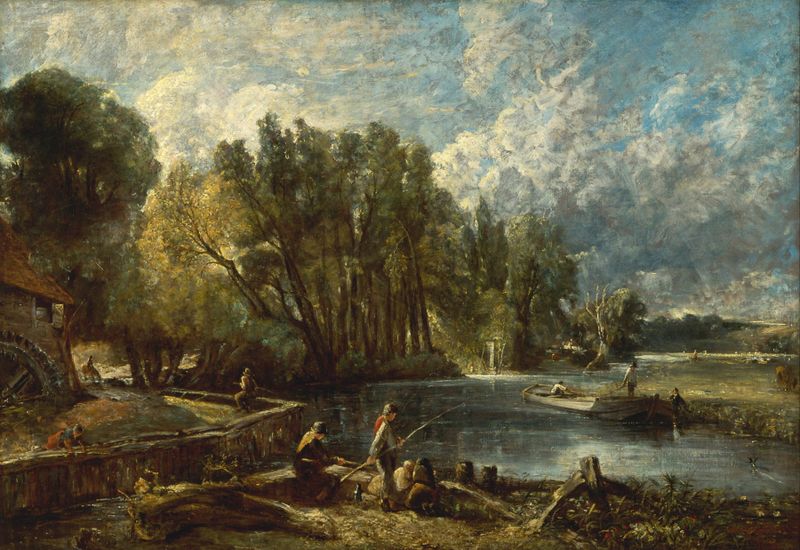
Stratford Mill
John Constable
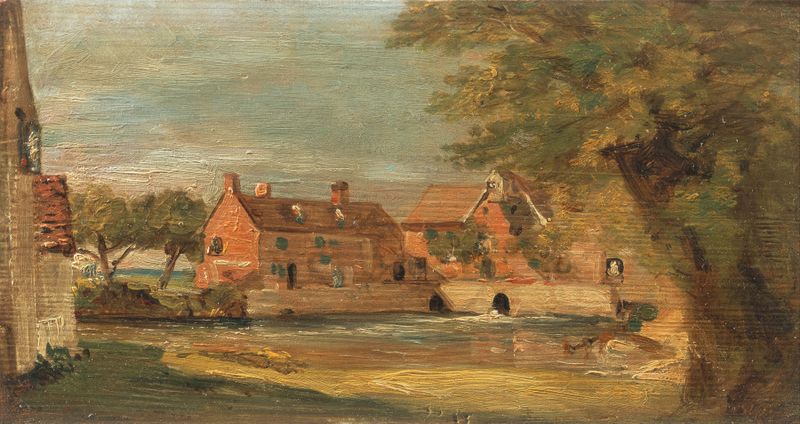
Flatford Mill
John Constable
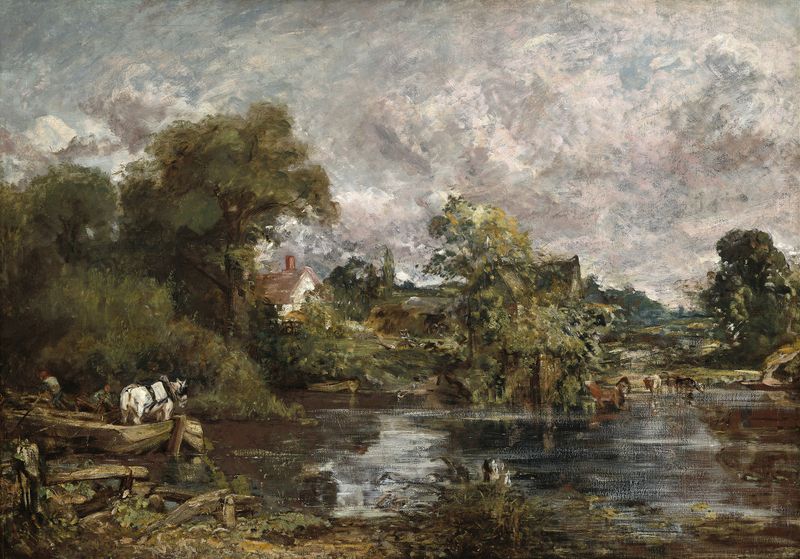
The White Horse
John Constable
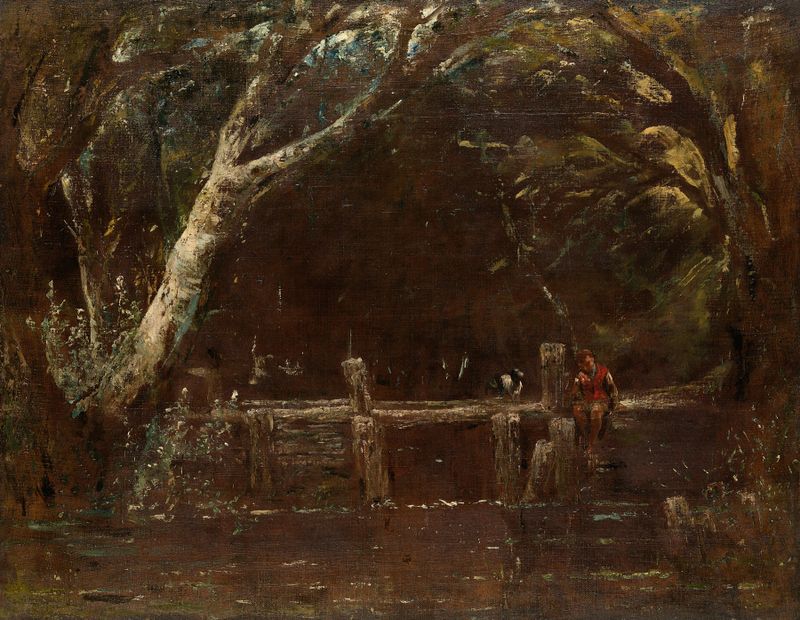
Landscape (The Lock)
John Constable
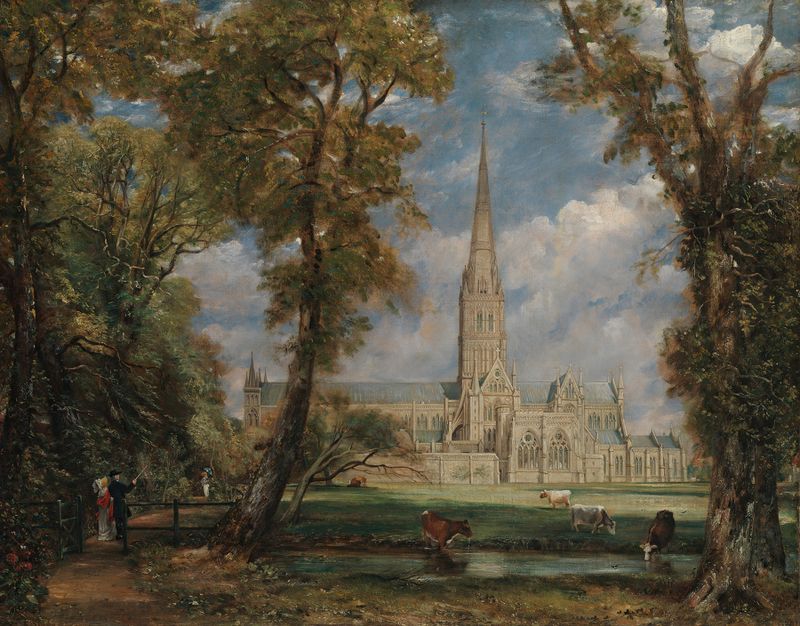
Salisbury Cathedral from the Bishop’s Grounds
John Constable
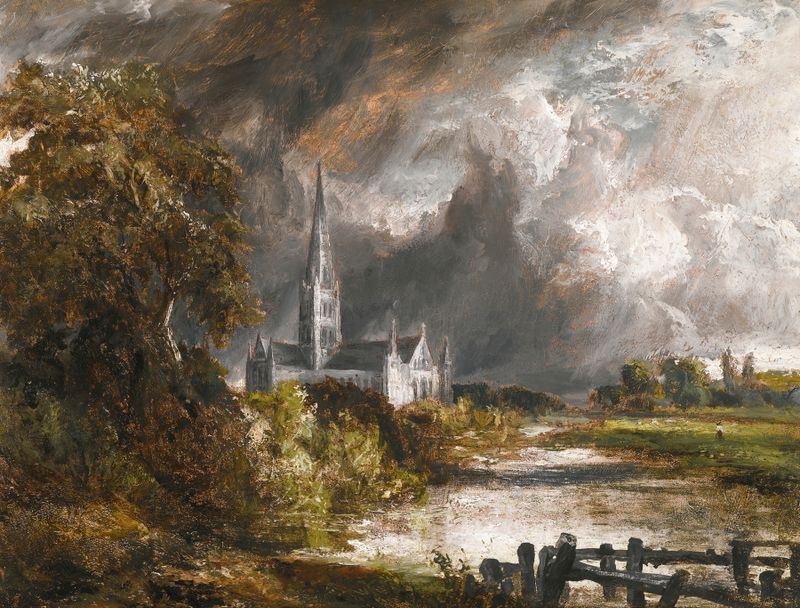
Salisbury Cathedral From The Meadows
John Constable
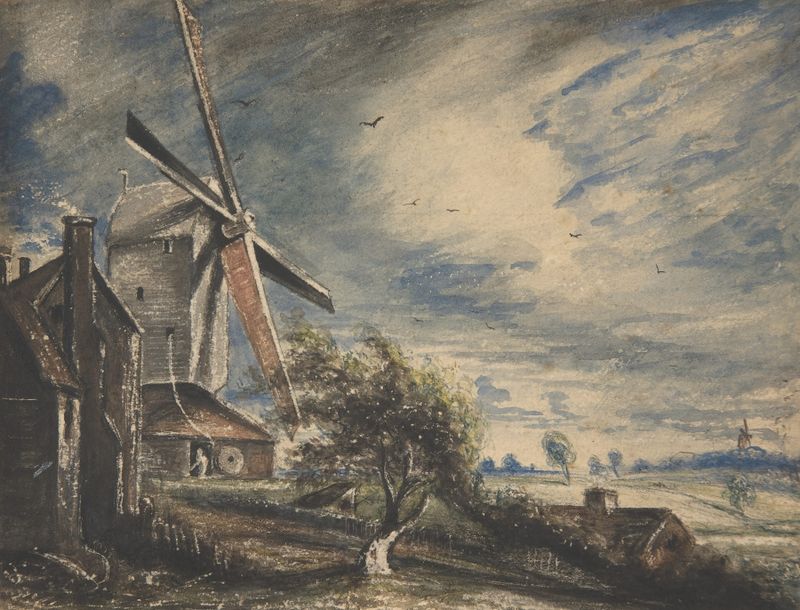
A Mill Near Colchester
John Constable
East Bergholt
John Constable

Flatford Mill
John Constable





