
West Lodge, East Bergholt, with a hatchment — History & Facts
Such reflections linger in the quiet corners of the heart as one gazes upon the tranquil landscape of West Lodge, East Bergholt, with a hatchment. The painting invites contemplation of hope, nestled within the shadows of loss and absence. Look to the left, where the hatchment—a solemn emblem—hangs gently against the whitewashed wall of the lodge, its presence a stark reminder of mortality. The soft brushstrokes depict the verdant surroundings with an ethereal quality, the greens vibrant yet muted, suggesting the complexities of life itself.
Notice how the sunlight filters through the foliage, casting dappled patterns across the path, leading the viewer’s eye deeper into this serene yet poignant moment. Within this pastoral scene lies a quiet tension. The juxtaposition of the hatchment against the idyllic countryside captures the bittersweet nature of existence; life persists in its beauty, even in the face of death. The interplay of light and shadow evokes a sense of nostalgia, reminding us that hope can thrive even amid sorrow.
Each element, from the weathered textures of the lodge to the soft, billowing clouds overhead, resonates with a longing for connection and understanding. During the time West Lodge, East Bergholt, with a hatchment was created, Constable was deeply rooted in the landscapes of his youth, grappling with personal losses and the shifting art world of the early 19th century. The period was marked by a growing interest in the natural world and a shift towards Romanticism, as artists sought to express emotional authenticity within their work. This painting stands as a testament to Constable’s connection to his homeland, reflecting both the beauty of rural life and the profound echoes of memory.
More Artworks by John Constable
Browse all →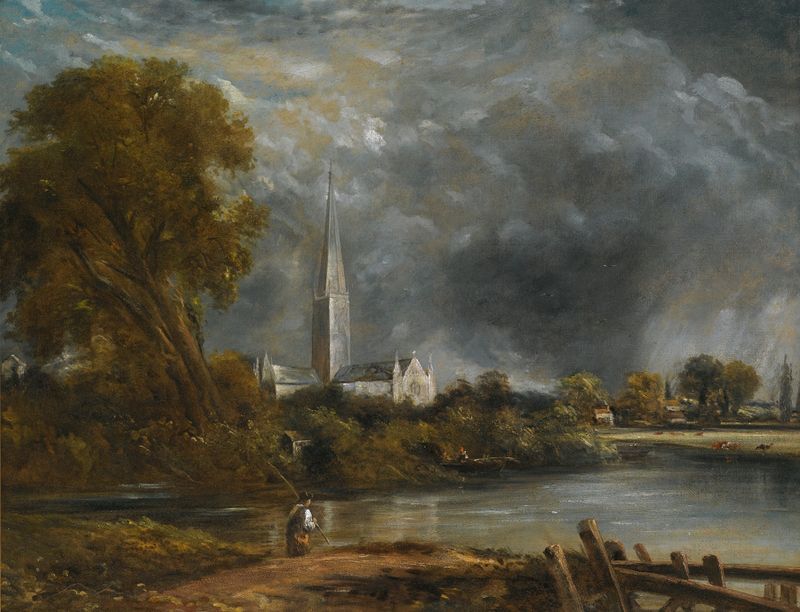
Salisbury Cathedral From The Meadows
John Constable
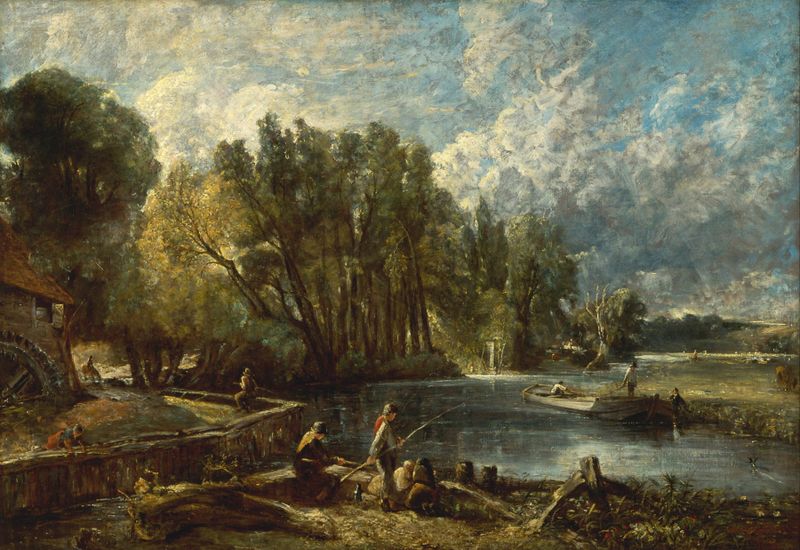
Stratford Mill
John Constable
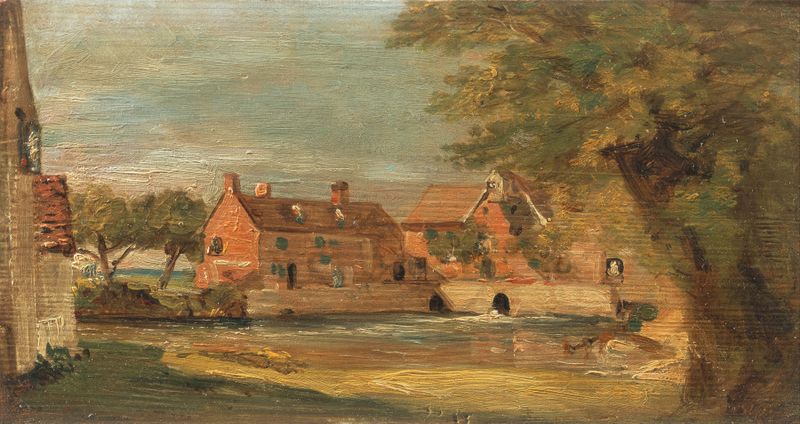
Flatford Mill
John Constable
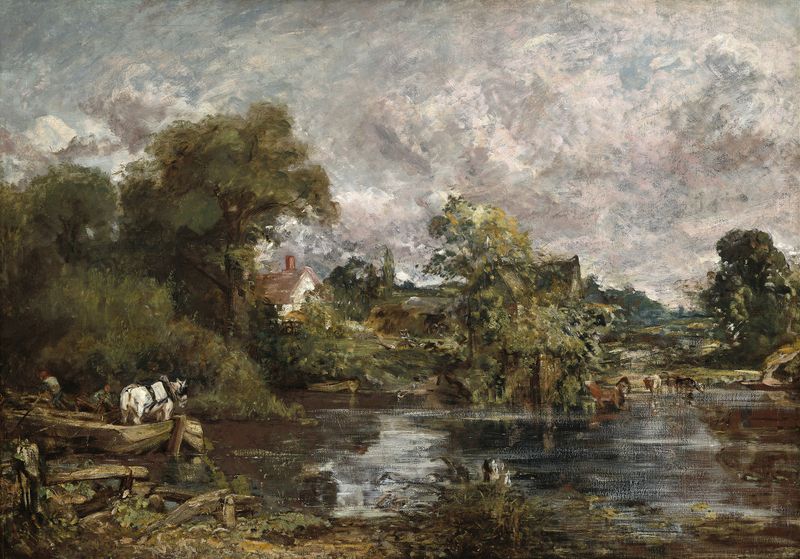
The White Horse
John Constable
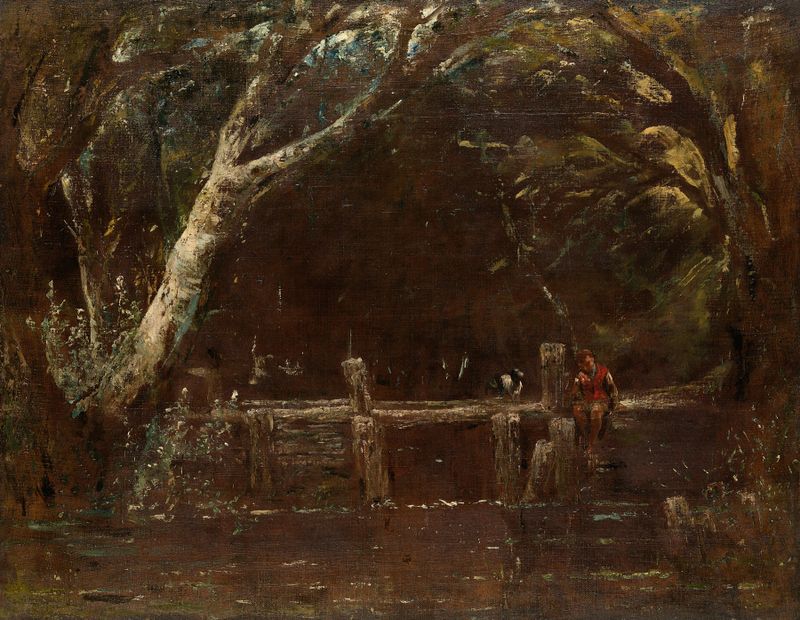
Landscape (The Lock)
John Constable
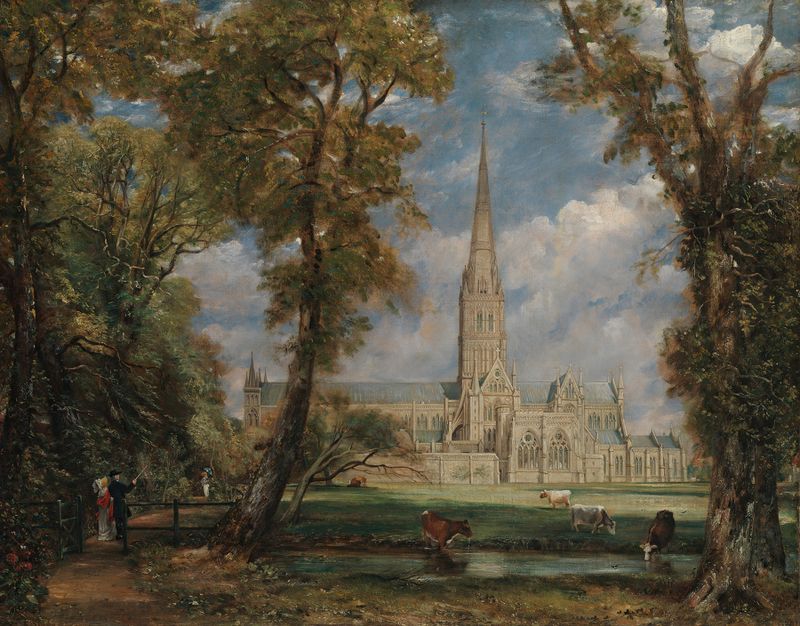
Salisbury Cathedral from the Bishop’s Grounds
John Constable
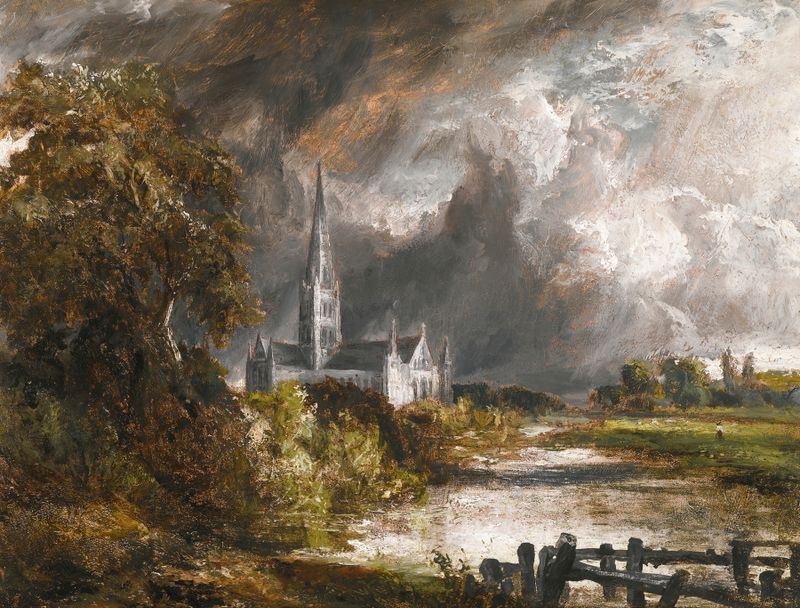
Salisbury Cathedral From The Meadows
John Constable
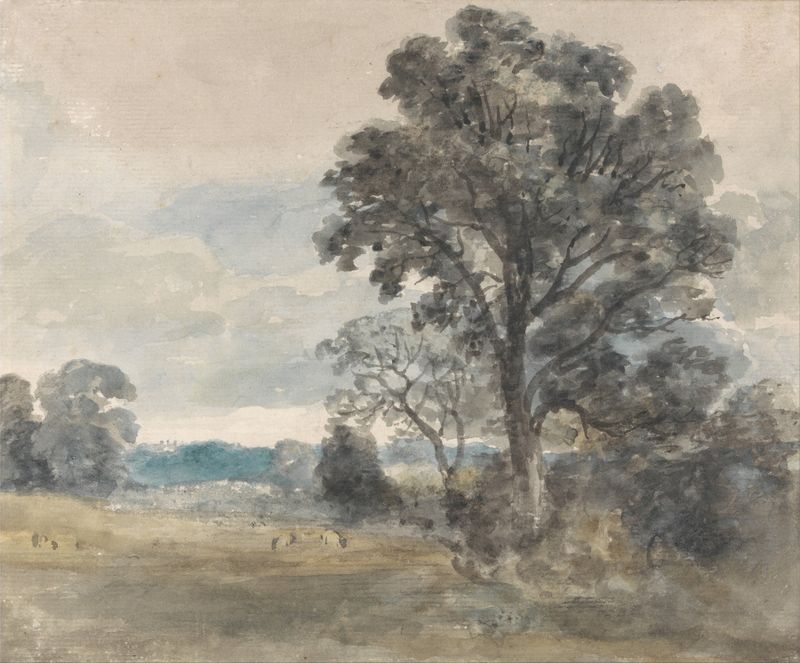
Landscape at East Bergholt
John Constable
Hadleigh Castle
John Constable
A View on the Banks of the River Stour
John Constable





