
West Pier — History & Facts
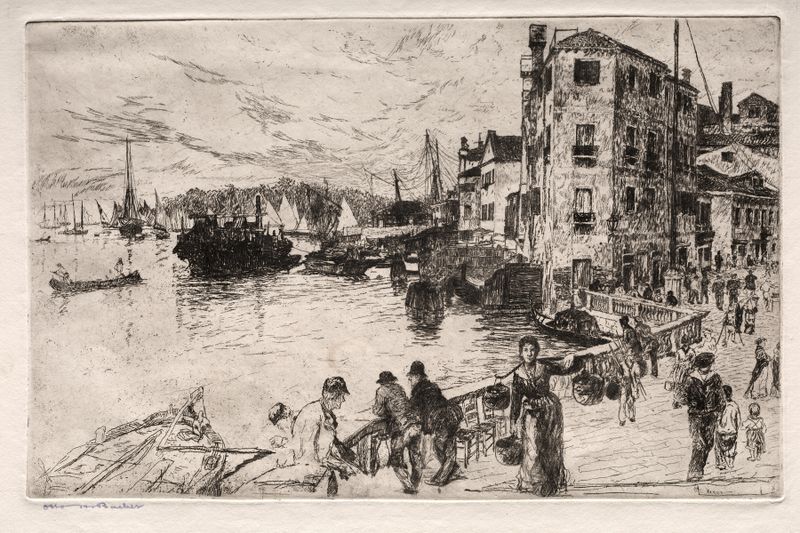
Can paint confess what words never could? In West Pier, Otto Henry Bacher captures the ephemeral nature of dreams, suggesting the inexpressible longing that lingers just out of reach. Look to the center of the canvas; the crumbling silhouette of the pier emerges from soft, shimmering water. The artist employs a palette of muted blues and gentle grays, evoking a sense of nostalgia and calm. Notice how the light dances on the water's surface, creating a delicate interplay between shadow and illumination, as if the scene itself is caught in a reverie.
The wispy clouds above appear almost ethereal, framing the pier and heightening the sense of transience. In this artwork, contrasts abound; the sturdy structure of the pier stands firm against the fluidity of the water. The juxtaposition reveals the tension between permanence and impermanence, reflecting the artist's exploration of the dreams we cling to while acknowledging their inevitable decay. Small details, like the subtle ripples in the water, serve as reminders of time's passage, inviting viewers to contemplate their own dreams and aspirations, quietly fading yet ever-present. Bacher painted West Pier in 1878 during his time in Europe, a period marked by a burgeoning interest in Impressionism.
The artistic world was shifting, filled with new techniques and experiments in light and color. It was a time of both personal and societal change for Bacher, who sought to capture fleeting moments and ephemeral beauty through his brush, immersing himself in the evolving dialogue of art and emotion.
More Artworks by Otto Henry Bacher
Browse all →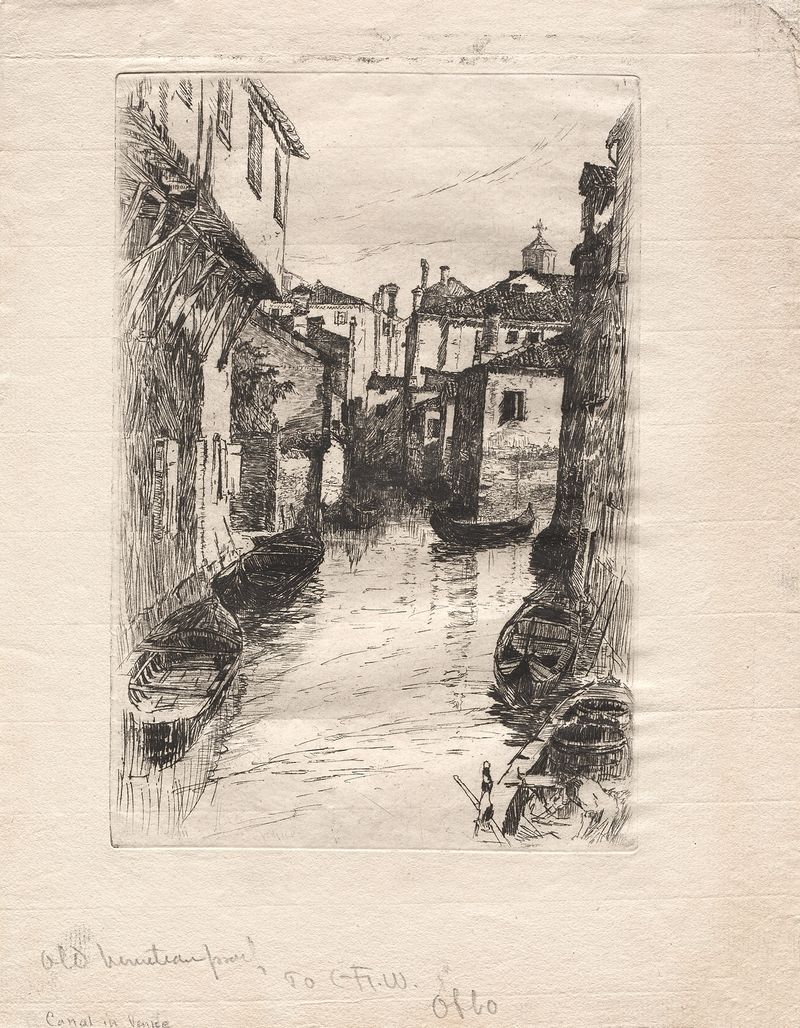
Canal in Venice
Otto Henry Bacher
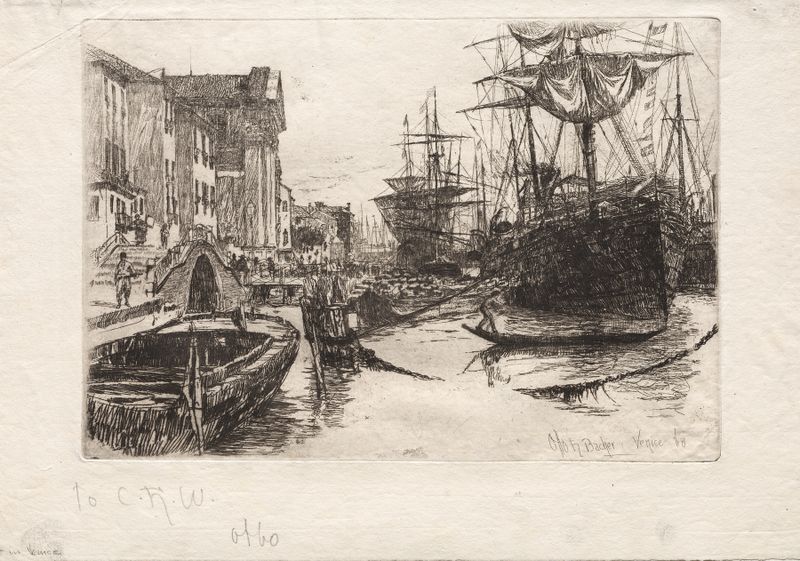
View in Venice
Otto Henry Bacher
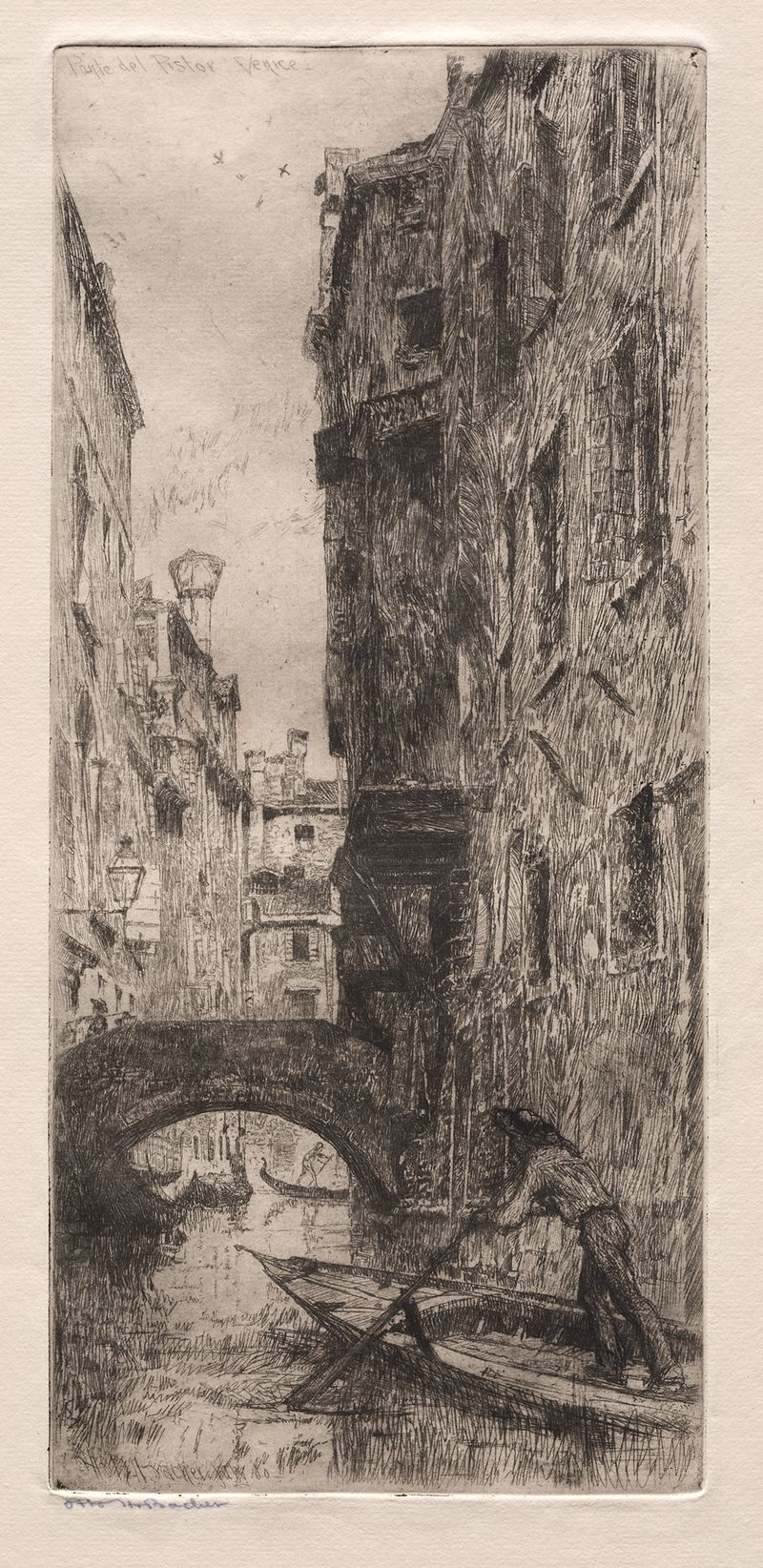
Ponte del Pistor, Venice
Otto Henry Bacher
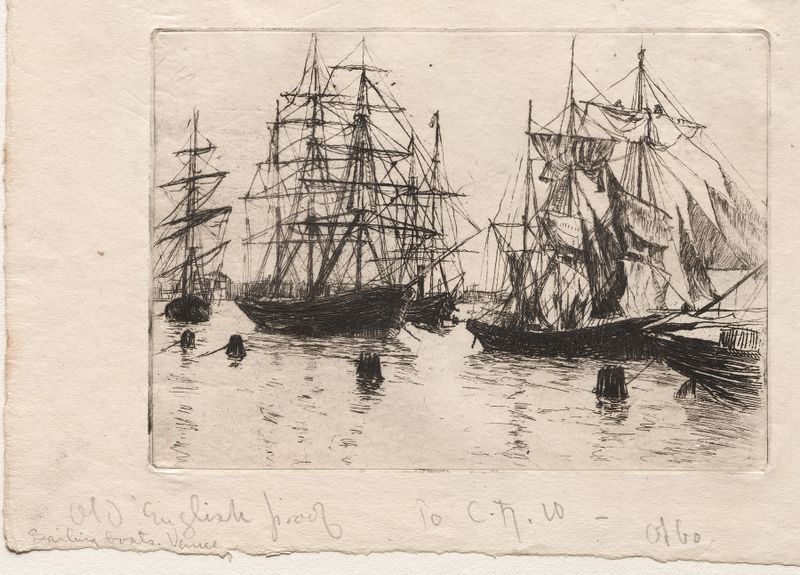
Sailing Boats, Venice
Otto Henry Bacher
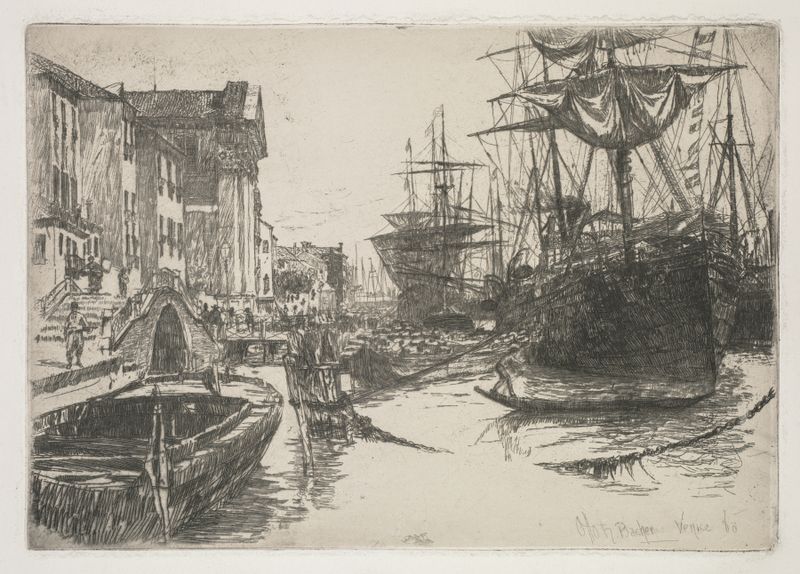
Fondamenta della Zattere
Otto Henry Bacher
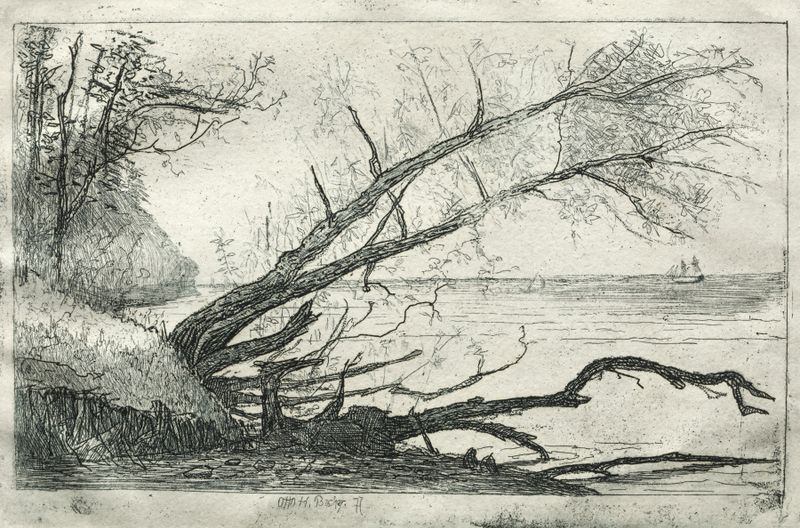
Old Sycamore
Otto Henry Bacher
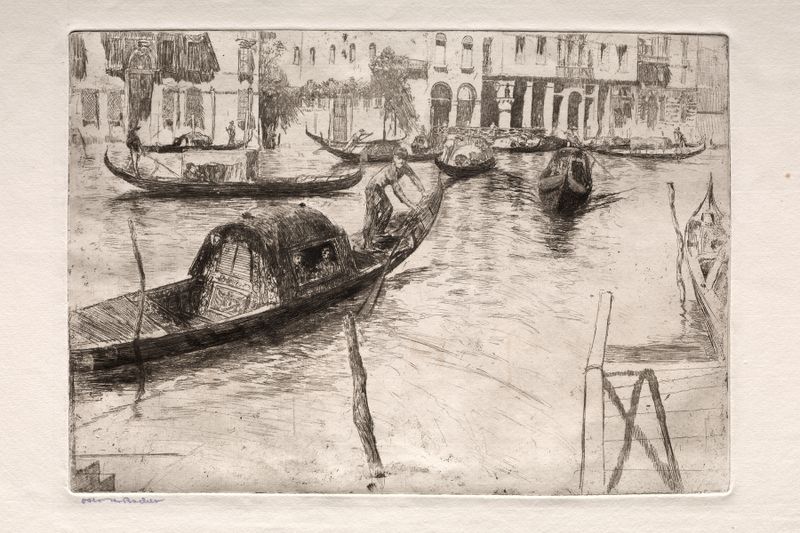
Traghetto San Felice
Otto Henry Bacher
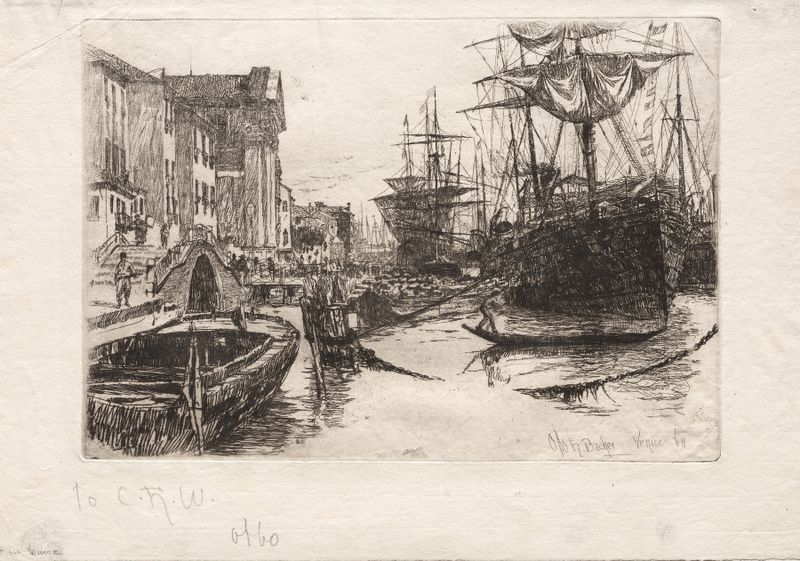
View in Venice
Otto Henry Bacher
Castello Quarters, Riva
Otto Henry Bacher
St. Clair Street, Cleveland
Otto Henry Bacher





