
Westgevel van tempel van Juno Lucina — History & Facts
Did the painter know this moment would outlive them? Each brushstroke captures the essence of devotion, an intricate dialogue between faith and permanence that transcends time. Look to the foreground, where the ancient temple stands proudly against an azure sky, its columns reaching like arms towards the heavens. The soft, golden light caresses the stone facade, illuminating the delicate carvings that tell stories of the divine. The composition balances both grandeur and intimacy, inviting the viewer to linger at the base of this architectural marvel, where shadows play and whispers of past worship echo through the stillness. As you explore further, notice the interplay of nature and human creation.
The flowering plants at the temple’s base symbolize renewal and hope, contrasting with the solid, unyielding structure above. This juxtaposition evokes a profound meditation on the relationship between the fleeting beauty of life and the enduring nature of faith, prompting reflections on what we build in pursuit of meaning. Each detail, from the gentle sway of the foliage to the weathered stones, speaks to the cyclical nature of devotion and the impermanence of human existence. In 1778, Ducros painted this work while immersed in the neo-classical movement, a time when artists sought inspiration from the past to elevate contemporary ideals.
Living in Rome, he was deeply influenced by the ruins of antiquity, capturing their grandeur and spiritual significance amidst the Enlightenment’s rationalism. This piece reflects not only his artistic mastery but also an era grappling with its beliefs, as faith was both questioned and celebrated.
More Artworks by Abraham-Louis-Rodolphe Ducros
Browse all →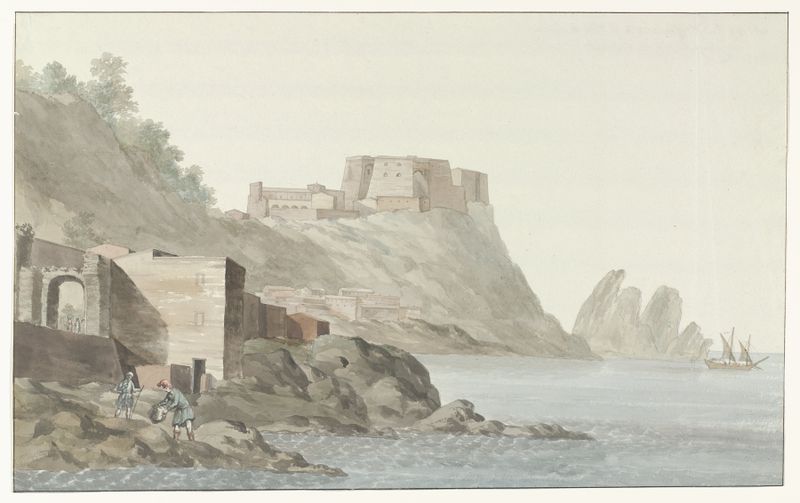
Rots en stad Scilla in de regio Calabrië aan de oostkust
Abraham-Louis-Rodolphe Ducros
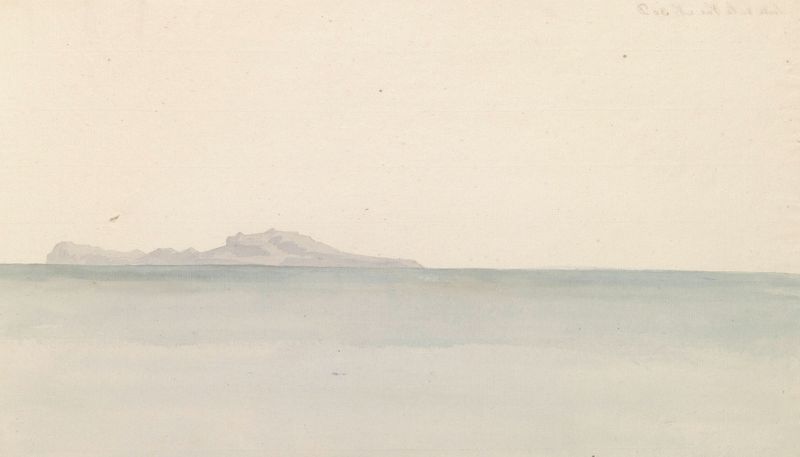
Gezicht op Golf van Napels vanaf kade bij kerk Santa Maria del Carmine
Abraham-Louis-Rodolphe Ducros
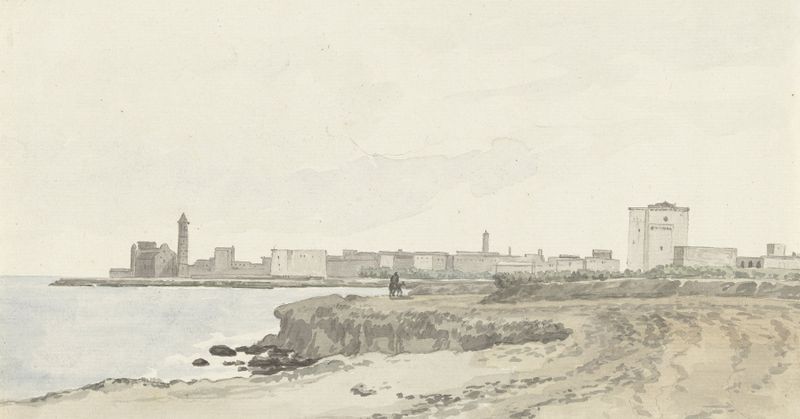
Gezicht op Trani gelegen aan de kust
Abraham-Louis-Rodolphe Ducros
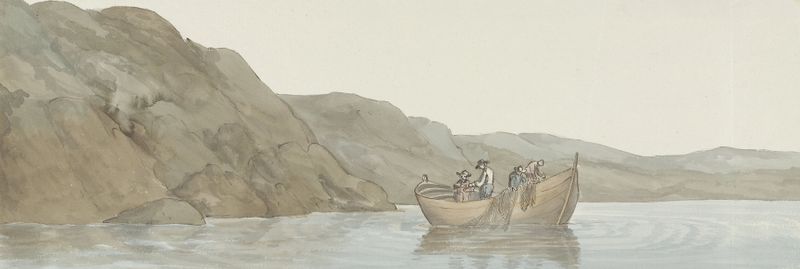
Gezicht op Kaap Paceco in Calabrië nabij de stad Scilla
Abraham-Louis-Rodolphe Ducros
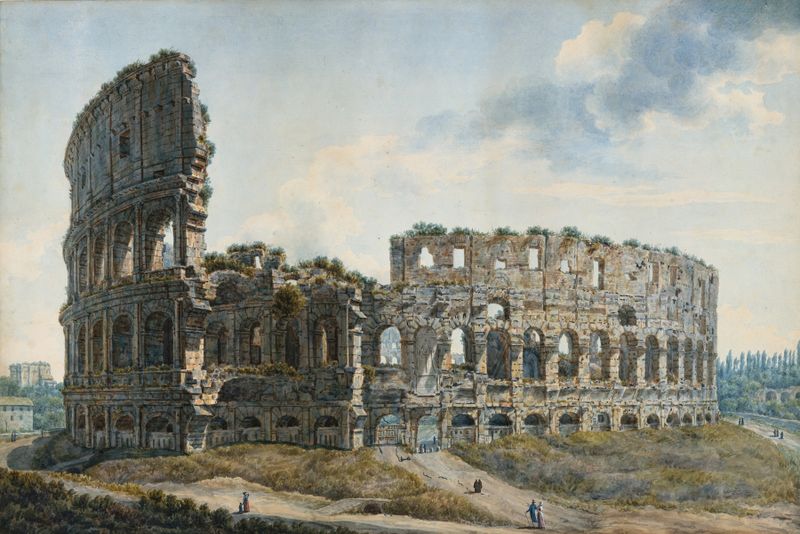
The Colosseum, Rome.
Abraham-Louis-Rodolphe Ducros
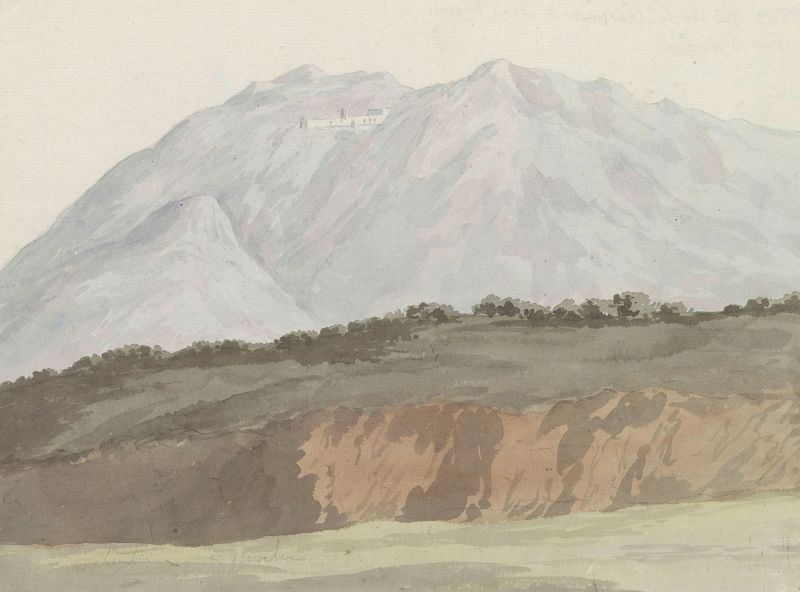
Gezicht op kartuizerklooster van Monte Vergine hoog gelegen boven Avellino
Abraham-Louis-Rodolphe Ducros
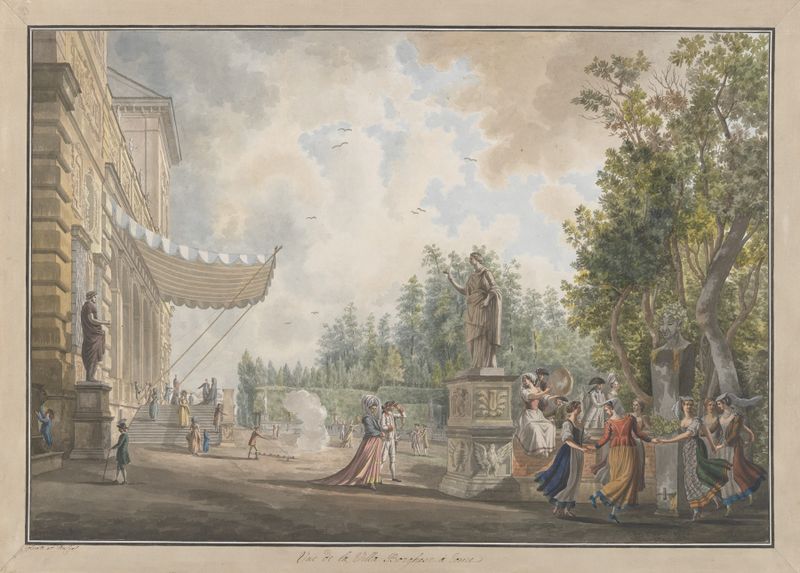
Villa Borghese
Abraham-Louis-Rodolphe Ducros
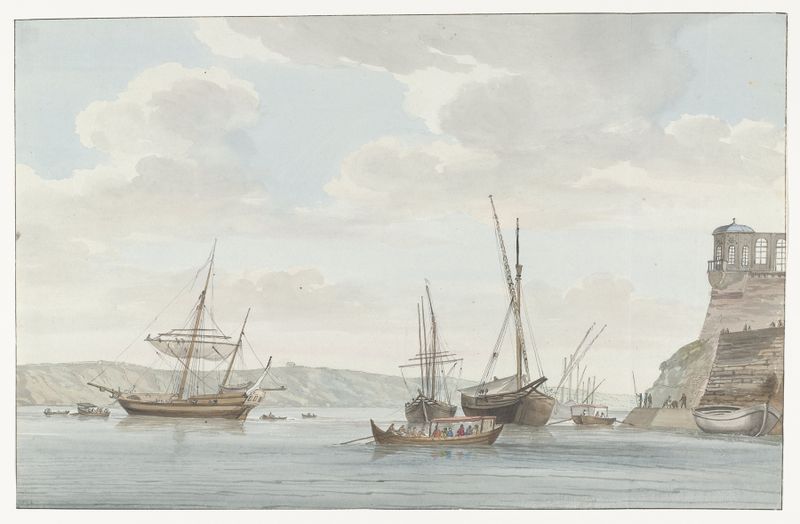
Tuinhuis van de Jardin du Grand Maître uittorend boven de haven met galei schepen op Malta
Abraham-Louis-Rodolphe Ducros
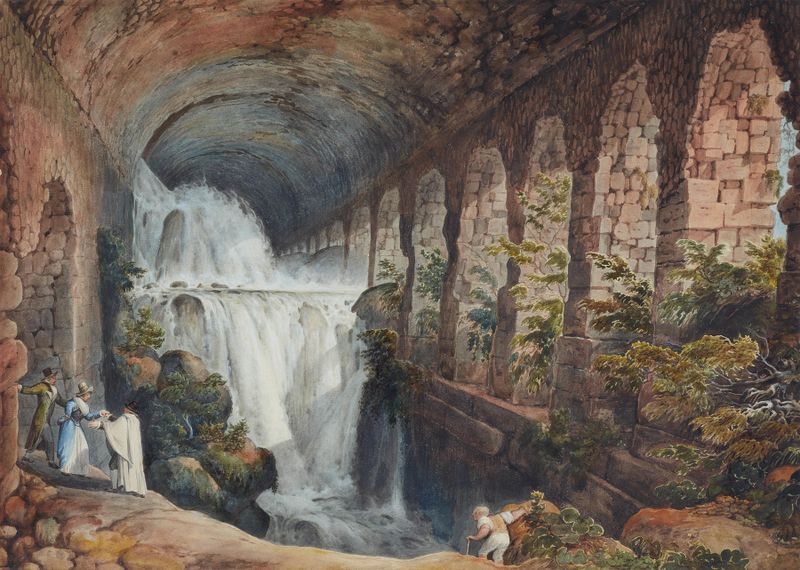
Aquädukt unter der Villa des Maecenas in Tivoli
Abraham-Louis-Rodolphe Ducros
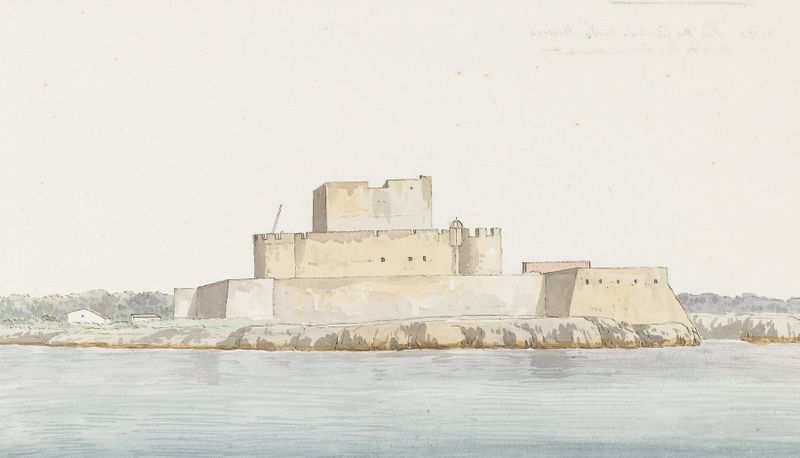
Gezicht op kasteel van San Mauro la Bruca vanaf zee bij aankomst
Abraham-Louis-Rodolphe Ducros
More Architecture Art
Browse all →
The statue of Liberty
Frédéric Auguste Bartholdi

View of Houses in Delft, Known as ‘The Little Street’
Johannes Vermeer

View of Houses in Delft, Known as ‘The Little Street’
Johannes Vermeer

The Cathedral in Rouen. The portal, Grey Weather
Claude Monet

The yellow house
Vincent van Gogh

The Church in Auvers-sur-Oise, View from the Chevet
Vincent van Gogh