Wetterübermut — History & Facts
Wetterübermut by Koloman Moser features a lively composition filled with swirling forms and vibrant colors. The painting showcases a dynamic interplay of blues, greens, and yellows, evoking a sense of movement and energy. Figures are often abstracted, blending seamlessly into the decorative elements that surround them.
The overall setting feels both organic and whimsical, characteristic of the Art Nouveau style. The technical execution of Wetterübermut is notable for its intricate patterns and fluid lines. Moser employs oil on canvas, allowing for rich color saturation and texture. The use of decorative motifs is consistent with the Art Nouveau movement, emphasizing beauty and craftsmanship.
Viewers can appreciate the meticulous attention to detail that Moser infused into every aspect of the work. Koloman Moser was a key figure in the Vienna Secession, known for his contributions to decorative arts and design. Wetterübermut, created around the early 1900s, reflects the innovative spirit of the time, merging fine art with applied arts. An interesting fact about this work is its embodiment of nature's fluidity, a common theme in Moser's oeuvre.
This painting not only showcases his artistic talent but also his vision of harmony between art and nature.
More Artworks by Koloman Moser

Butterfly
Koloman Moser
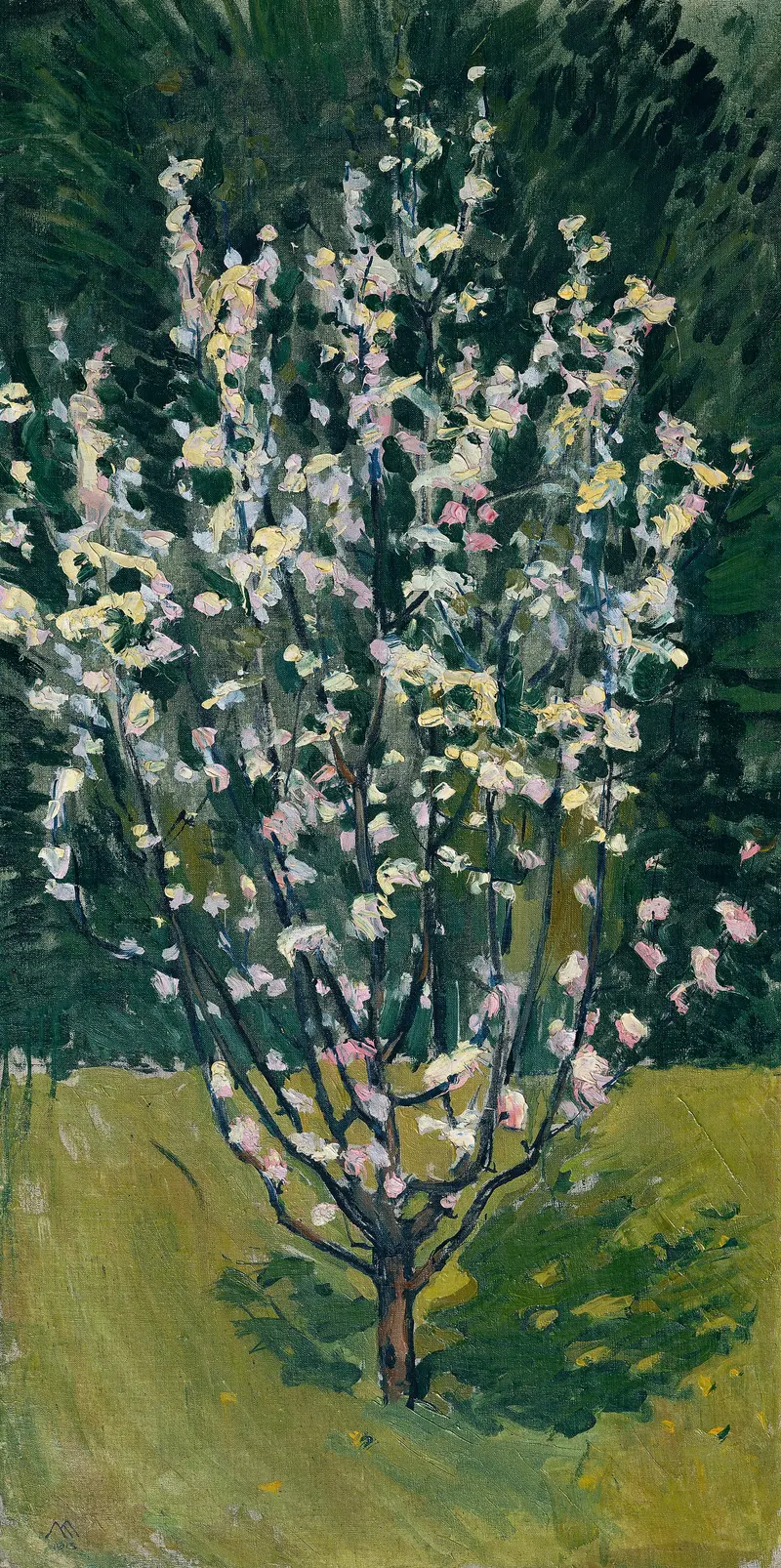
Blühendes Bäumchen
Koloman Moser
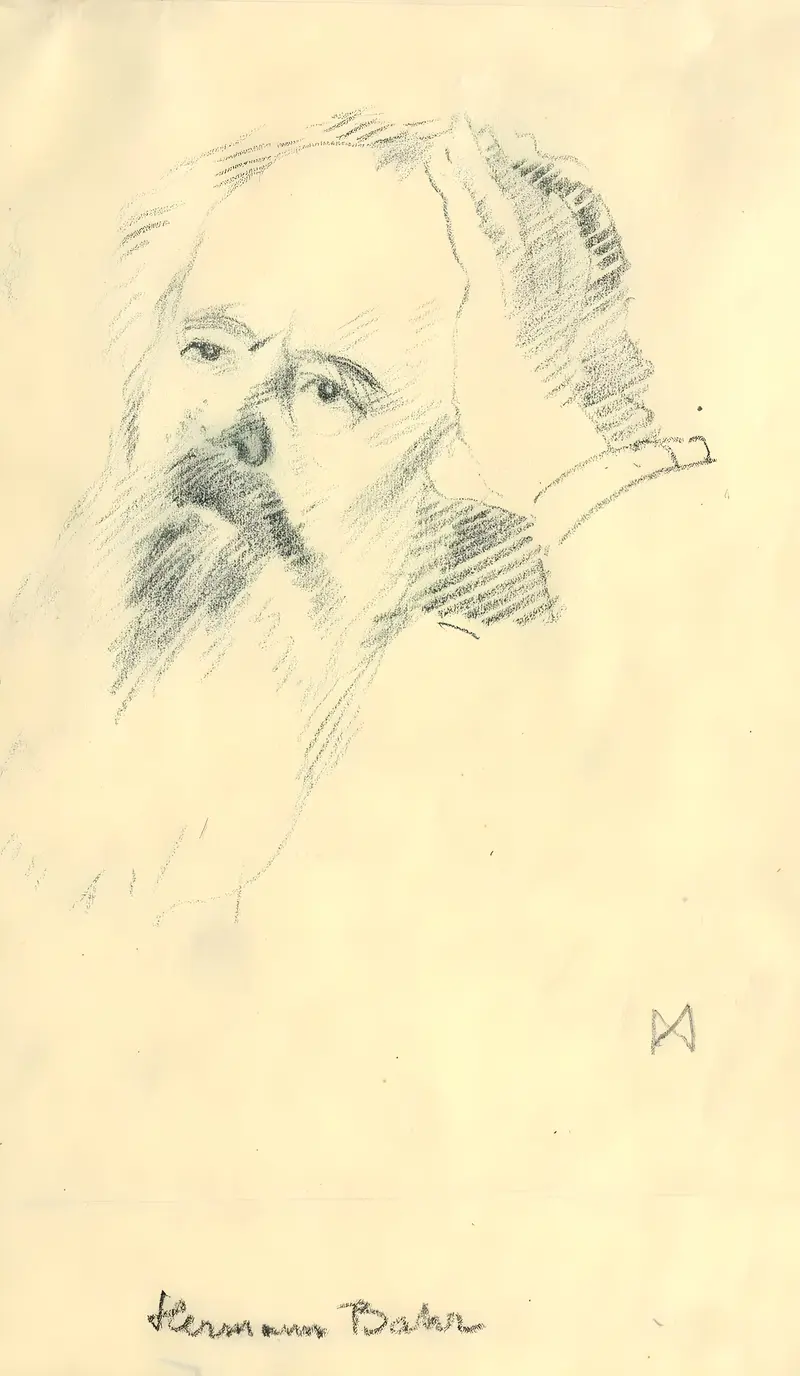
Porträt Hermann Bahr
Koloman Moser

Lesendes Mädchen
Koloman Moser

Liebespaar
Koloman Moser
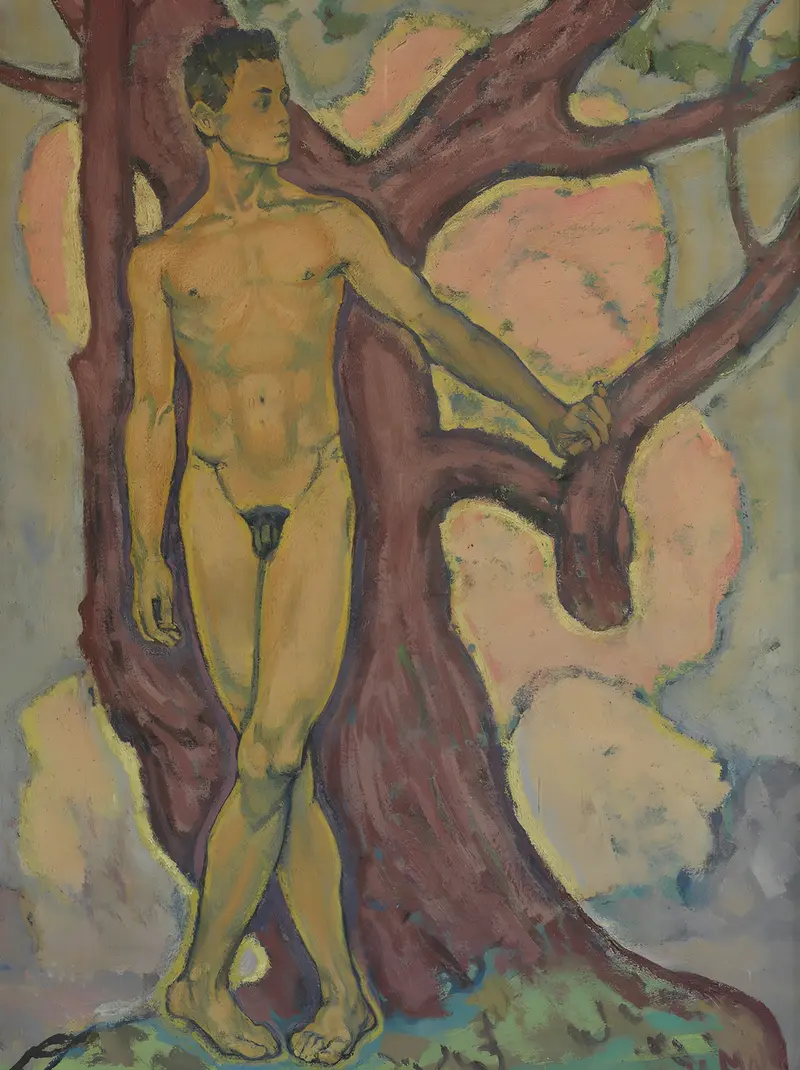
Allegorie Jüngling
Koloman Moser
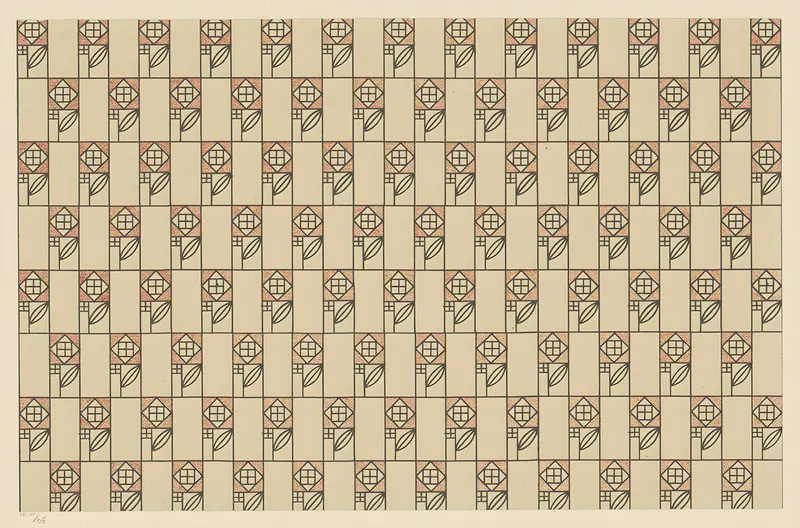
Einwickelpapier der Wiener Werkstätte mit Rosenmarke
Koloman Moser
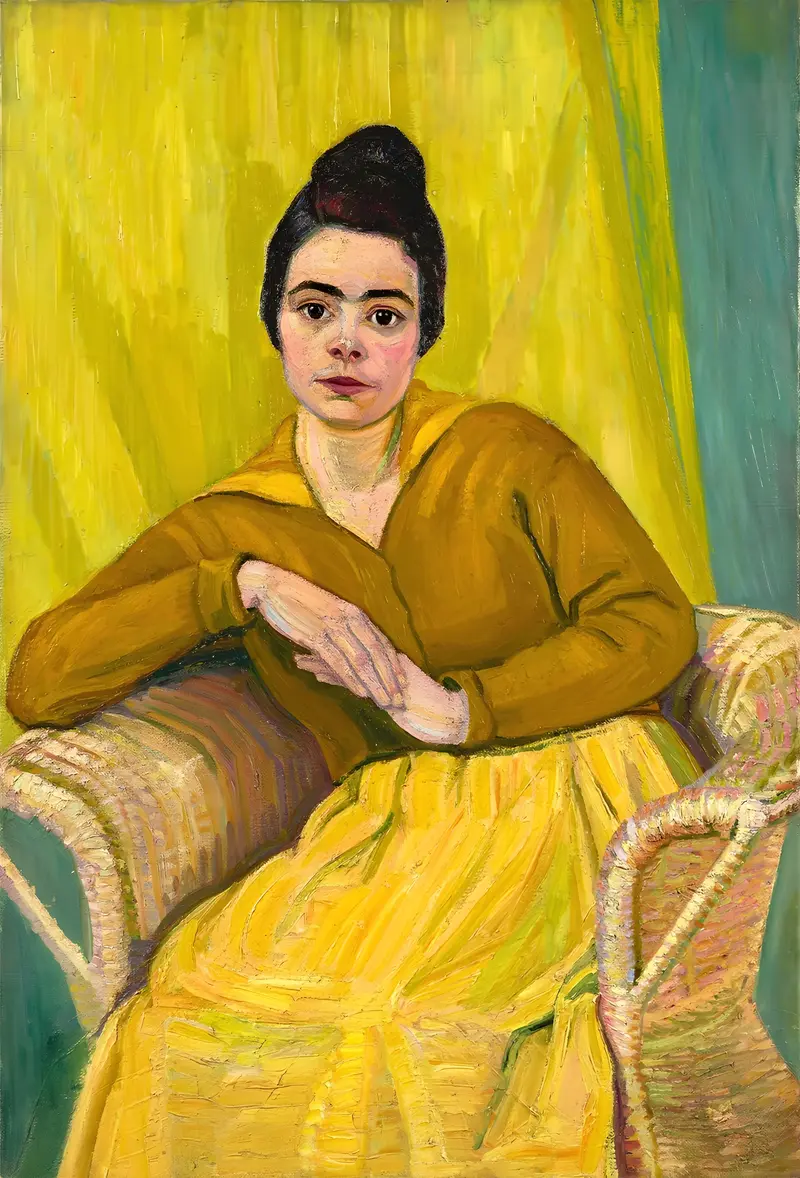
Sitzende Dame im Korbstuhl
Koloman Moser
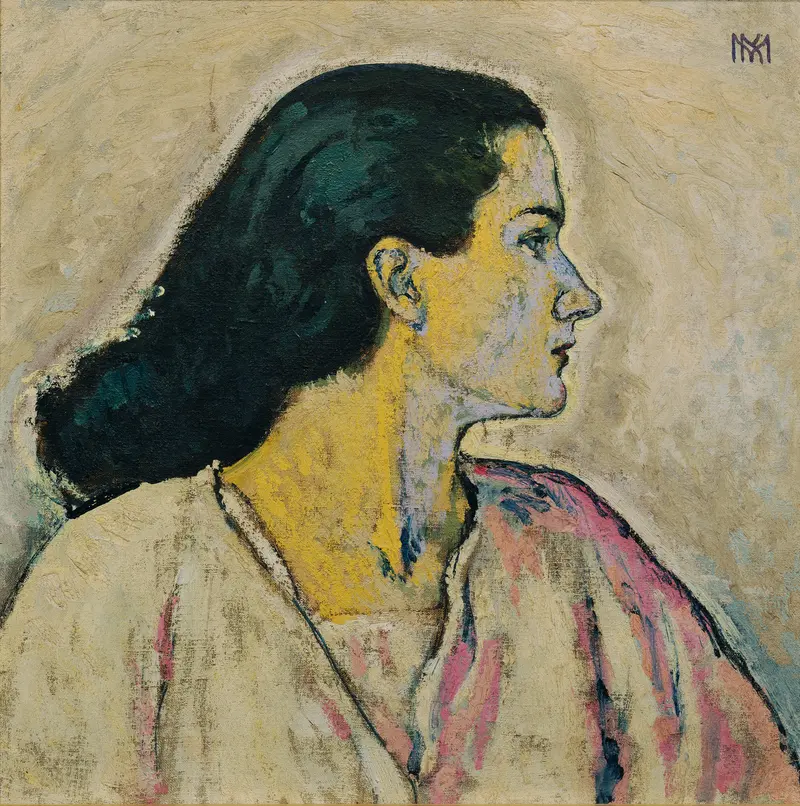
Frauenbildnis im Profil
Koloman Moser
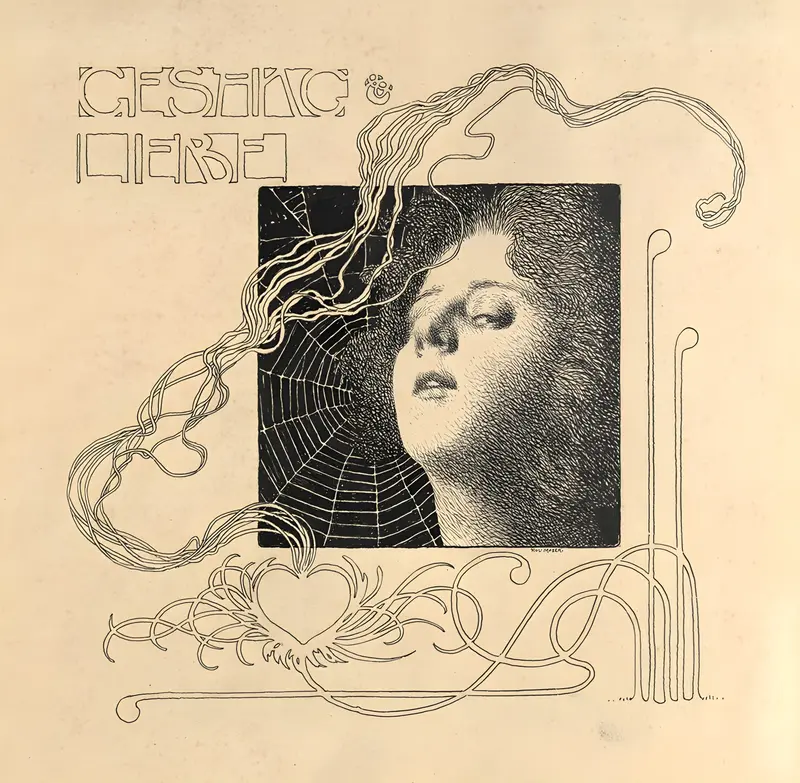
Gesang – Liebe
Koloman Moser