
When The Heart Is Young — History & Facts
A shaft of sunlight falls across the courtyard, drawing the eye first to the woman in white, who sits poised at the edge of the scene, a spray of pink oleander in her hand and a gentle watchfulness in her posture. Around her, the day unfolds in small, golden moments: a pair of children, one reaching eagerly for a dove perched atop a great terracotta jar, while another is gently restrained by an older girl. The doves, both on the ground and above, serve as a quiet counterpoint to the children’s restless energy, their white feathers echoing the folds of the woman’s dress.
The composition leads the viewer in a slow circle, from the scattered bread and doves in the foreground, through the lively children, and back to the woman’s calm, attentive gaze—a silent guardian of youth and play. When The Heart Is Young belongs unmistakably to the late nineteenth-century tradition of idealized domesticity and Arcadian leisure, a genre that flourished as Europe’s rising middle class sought images of innocence and order for their homes. Artists like Sophie Anderson specialized in such scenes, blending classical references—seen here in the Grecian drapery and monumental urn—with the sentimental realism that appealed to Victorian tastes. The source gives no date for this work, and history has kept few traces of its journey, but its presence in a modern online collection is a reminder of how these gentle visions of childhood and maternal care continue to invite us into their sunlit worlds.
The longer you look, the more you notice: the cool shade behind the urn, the careful arrangement of bread, the way every figure’s gesture is both spontaneous and choreographed for the viewer’s delight.
More Artworks by Sophie Anderson

Elaine
Sophie Anderson
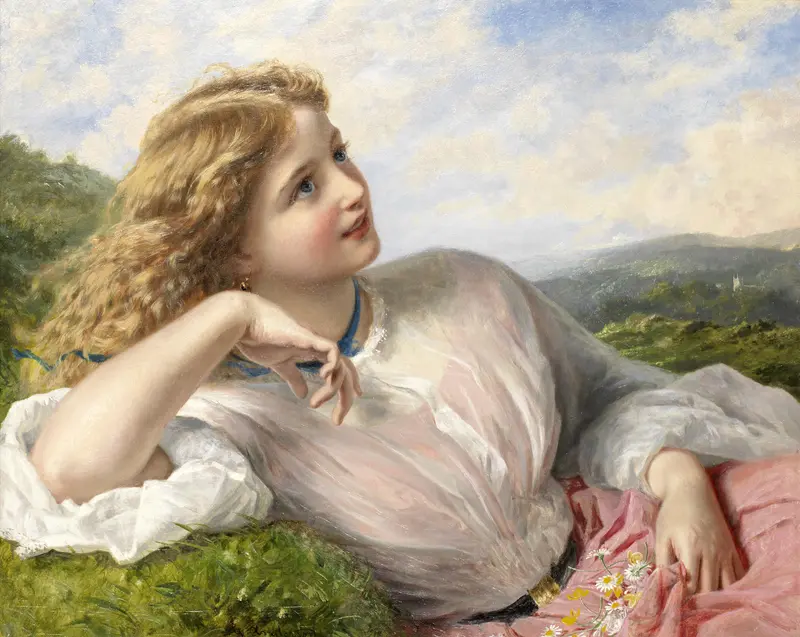
The song of the lark
Sophie Anderson
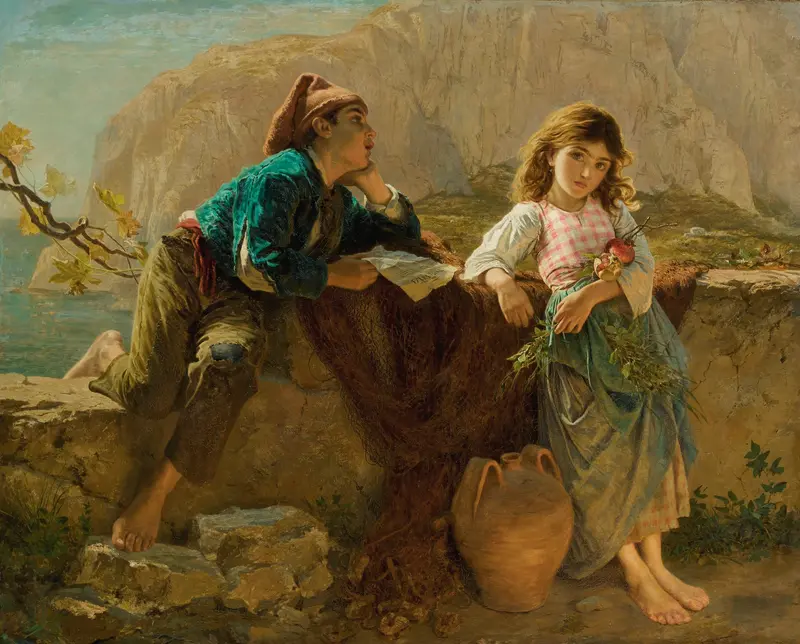
Fisherman’s children, Capri
Sophie Anderson
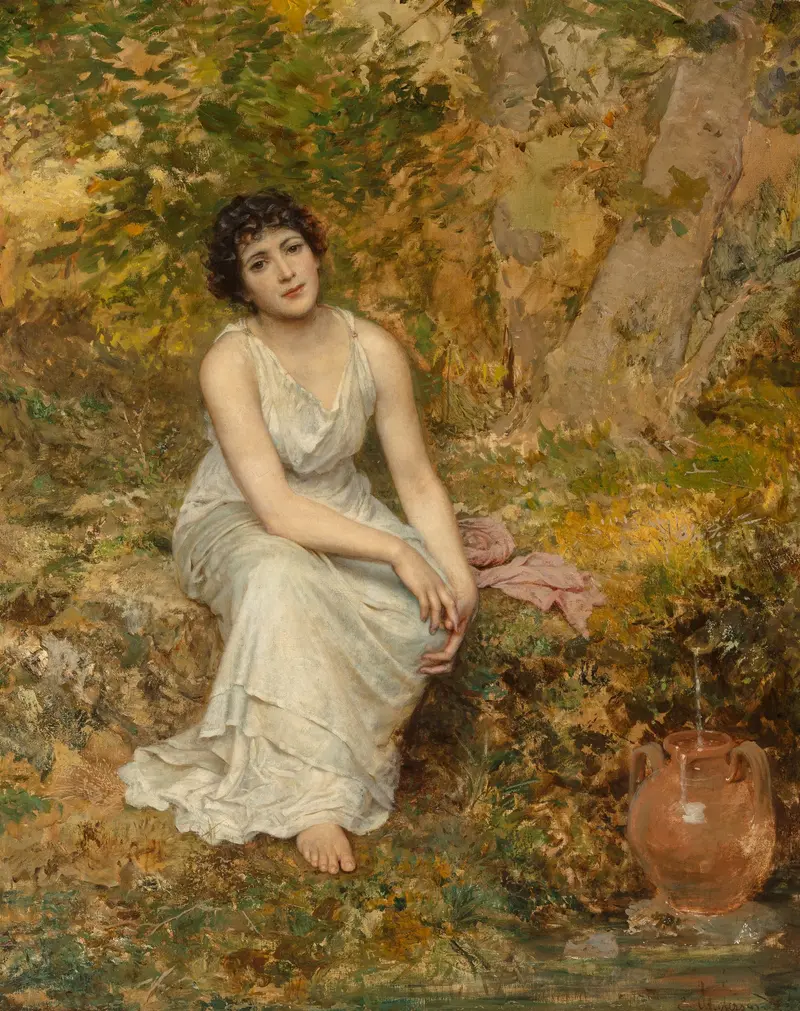
At the well
Sophie Anderson
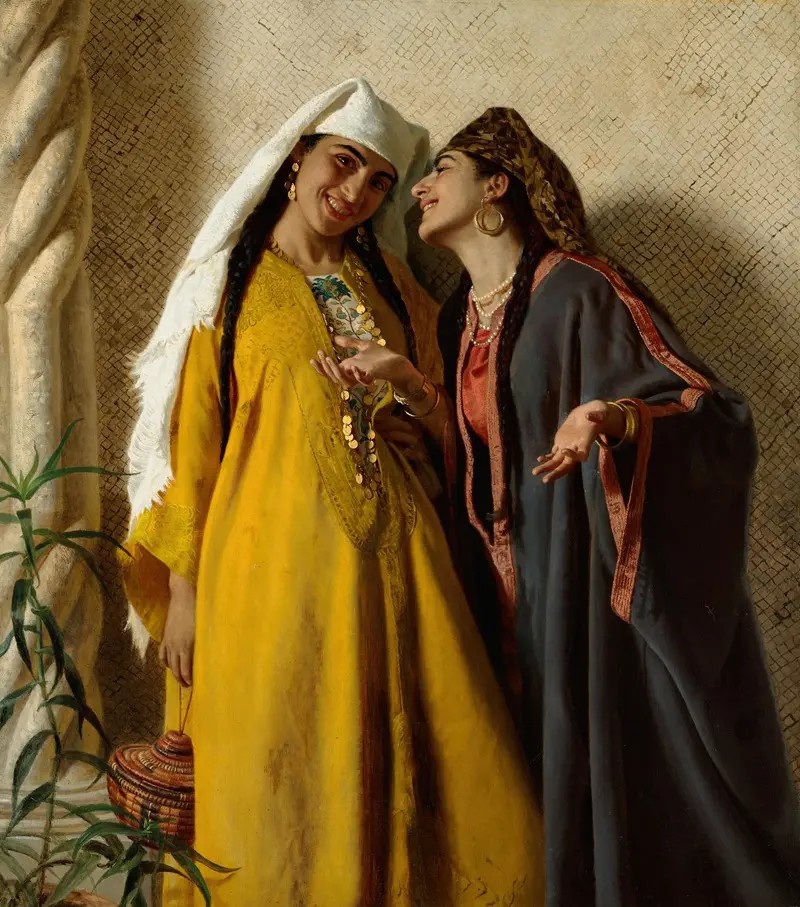
Scandal in the harem
Sophie Anderson
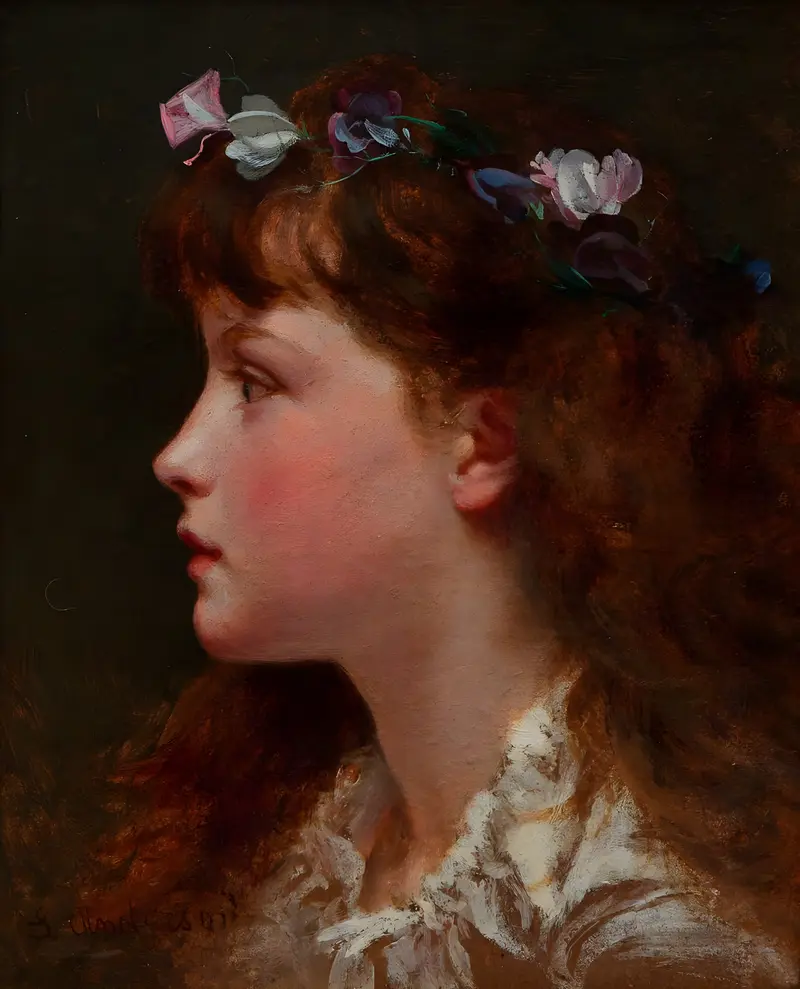
A young girl with a garland of flowers in her hair
Sophie Anderson
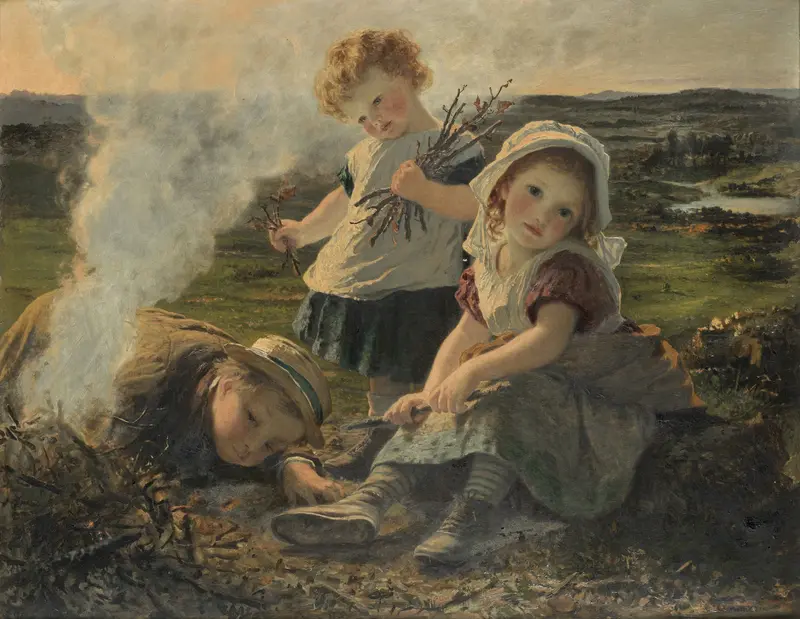
The Bonfire
Sophie Anderson
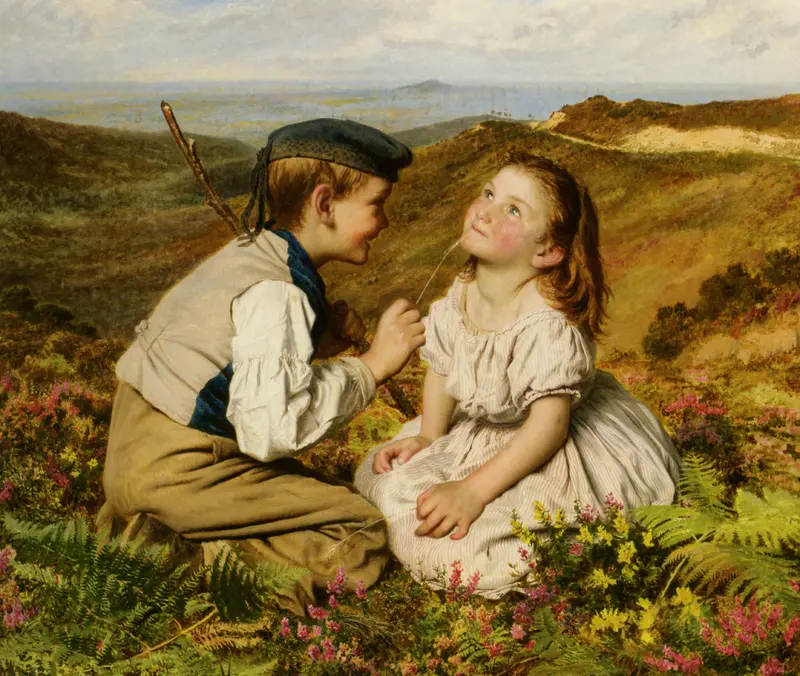
It’s Touch And Go, To Laugh Or No
Sophie Anderson
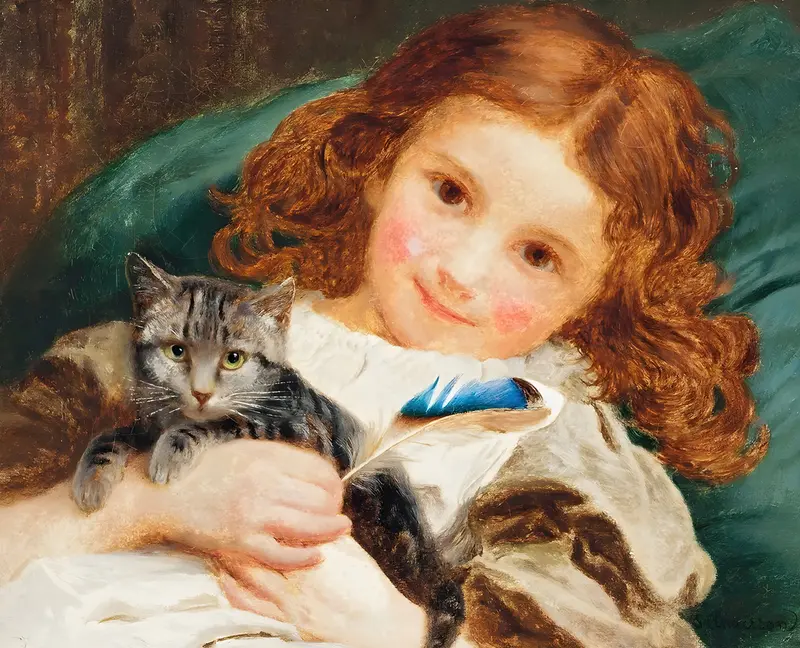
Best Friends
Sophie Anderson
The Flower Girl, Capri
Sophie Anderson
More Genre Scene Art

Banquet of the Officers of the St George Civic Guard
Frans Hals

Rembrandt and Saskia in the Scene of the Prodigal Son
Rembrandt van Rijn

Bal du moulin de la Galette
Pierre-Auguste Renoir

Quadrille at the Moulin Rouge
Henri de Toulouse-Lautrec

A Burial at Ornans
Gustave Courbet

When Will You Marry?
Paul Gauguin