
White Farm — History & Facts
Did the painter know this moment would outlive them? Nostalgia clings to the canvas, whispering secrets of a pastoral life that the artist immortalized with gentle strokes. Look to the foreground, where a simple white farmhouse stands resilient against a backdrop of lush greens and inviting blues. The composition draws the eye into a harmonious blend of earthy tones, where sunlight bathes the scene in a warm glow that seems to breathe life into the structure. Notice how De Smet’s brushwork captures the texture of the weathered wood and the rolling fields, creating a sense of authenticity that feels both intimate and expansive. Beneath this idyllic setting lies a deep emotional resonance.
The stark white of the house symbolizes purity and hope, yet it also evokes themes of solitude and vulnerability. The surrounding landscape, a lush but quiet expanse, hints at the passage of time and the fleeting nature of rural life. Small details, like the subtle shadows cast by the trees, suggest a moment of stillness, frozen in time, inviting contemplation on the lives that have unfolded there. In 1941, De Smet painted this work during a turbulent period in history.
Living in Belgium, he grappled with the effects of World War II, which marked a turning point not only in global affairs but also in his own artistic journey. Amidst the chaos, he sought refuge in the tranquility of rural scenes, reflecting a yearning for peace and simplicity during uncertain times.
More Artworks by Gustave De Smet
Browse all →
Landscape
Gustave De Smet
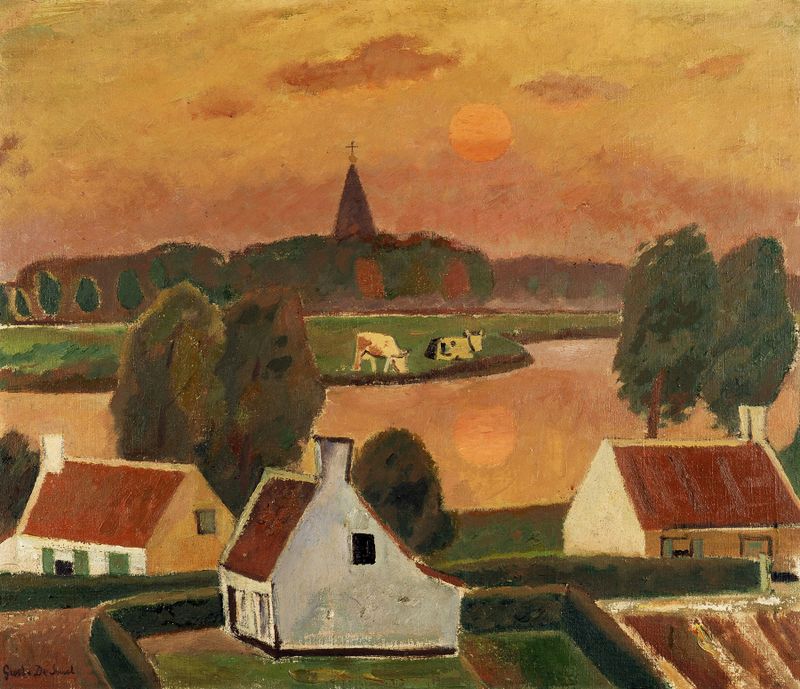
Dorpsgezicht
Gustave De Smet
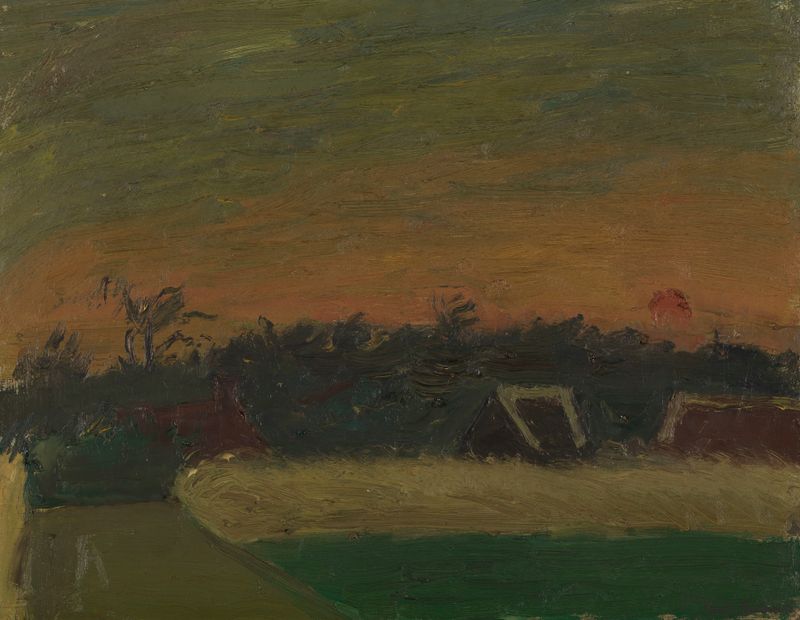
Sunset
Gustave De Smet

Fair in Deurle (Sint-Martens-Latem)
Gustave De Smet
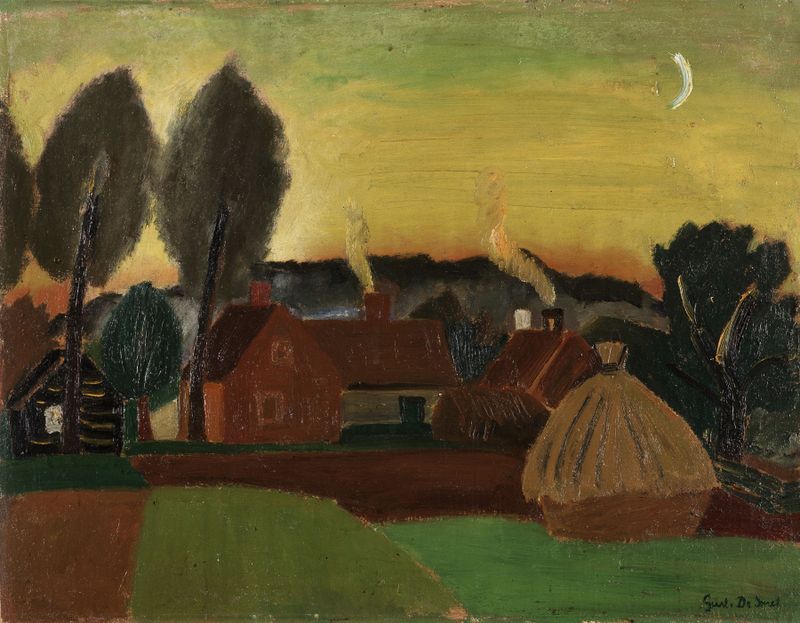
Landscape in the Evening
Gustave De Smet
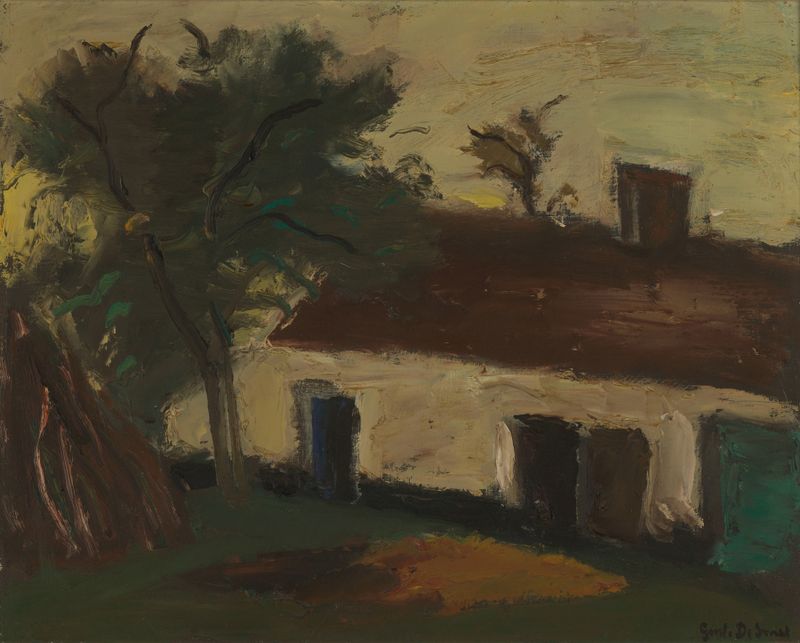
Stable
Gustave De Smet
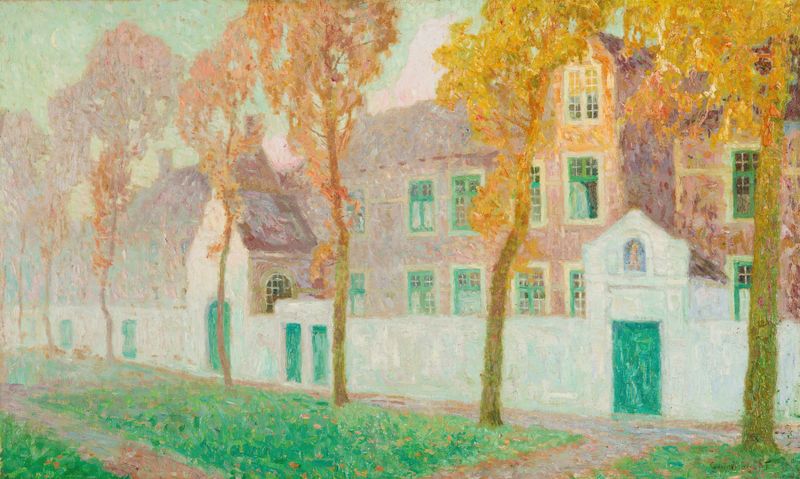
Le Béguinage À Bruges
Gustave De Smet

Oies Dans Un Jardin Avec Deux Enfants
Gustave De Smet
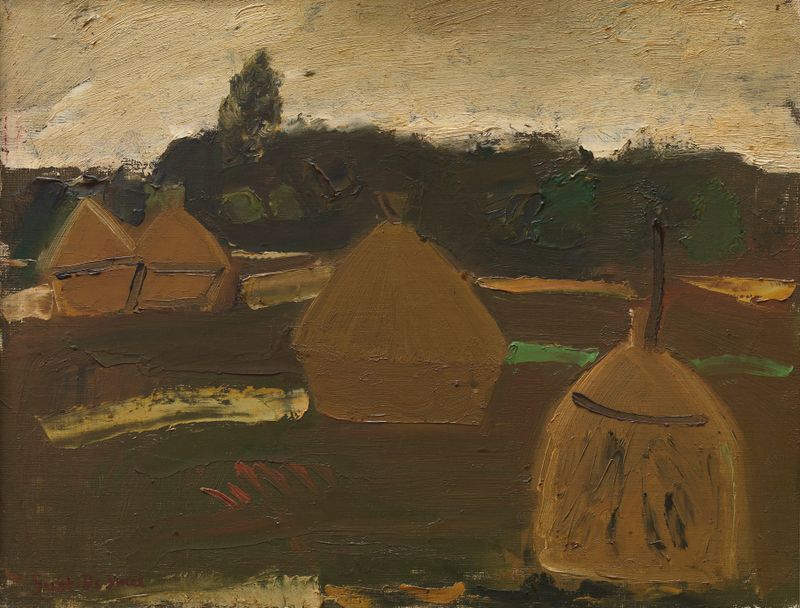
Haystacks
Gustave De Smet
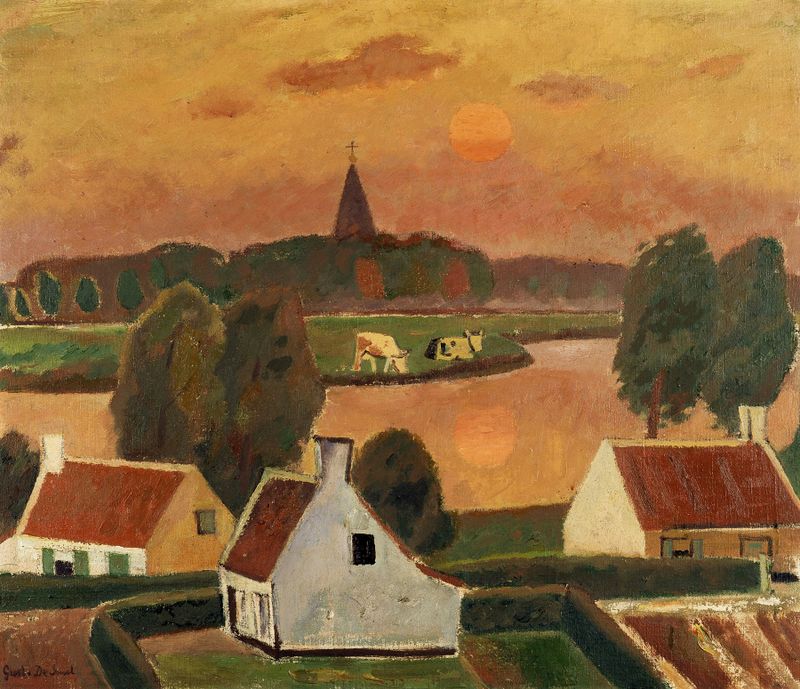
View of a Village
Gustave De Smet





