
Wicklow Hills — History & Facts
Is this a mirror — or a memory? In Wicklow Hills, the lush landscape intertwines with a longing that transcends the canvas, inviting viewers into a realm of nostalgia and beauty. Look to the left at the rolling hills, where vibrant greens mingle with soft earthy tones, creating a gentle gradient that draws the eye deeper into the scene. Notice how the clouds above seem to hang low, their delicate brushstrokes capturing an ethereal quality that evokes a sense of both serenity and melancholy. The artist’s technique, with its dappled light, brings forth an almost tactile sensation, allowing the viewer to feel the breeze rustling through the grass. Beneath the surface, there is a tension between the tranquility of the hills and the hidden yearning that seems to pulse through the landscape.
The winding pathways invite exploration, yet they also suggest a journey unfulfilled, echoing the heart's desire to connect with something just out of reach. This contrast highlights the duality of nature’s beauty and the human experience of longing, as if the hills themselves are whispering secrets of a past forever etched in memory. Created in 1843, Elizabeth Murray painted Wicklow Hills during a time when the Romantic movement was flourishing, emphasizing emotion and the sublime in nature. Living in Ireland, she was inspired by the breathtaking landscapes of her homeland, reflecting a growing appreciation for the natural world among artists.
In this context, her work serves not only as a personal expression but also as part of a wider cultural shift that sought to capture the profound connection between humanity and the landscapes they inhabit.
More Artworks by Elizabeth Murray
Browse all →
Scarborough
Elizabeth Murray

From Barnard’s Book on Coloring
Elizabeth Murray

Cows in Landscape
Elizabeth Murray

Winchelsea Church
Elizabeth Murray

Caernarvon Castle
Elizabeth Murray

Val of Shanganagh, Dún Laoghaire, with Boats
Elizabeth Murray

Scarborough Castle
Elizabeth Murray
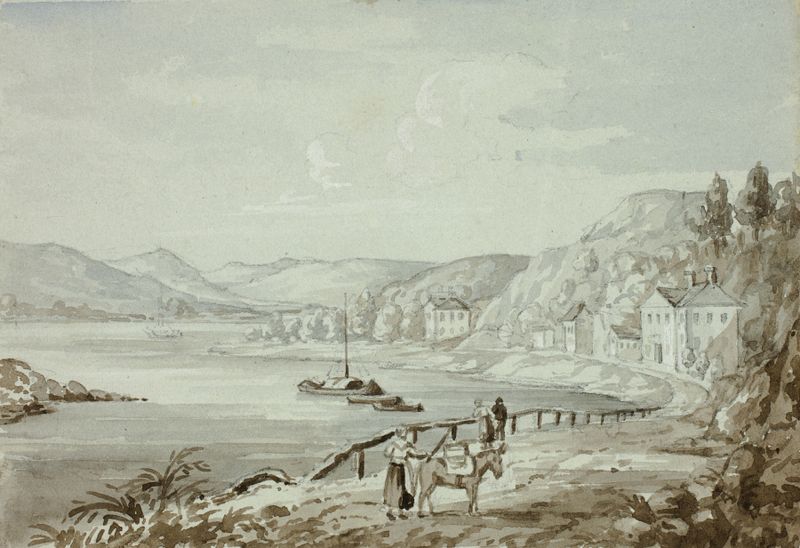
On the Rhine
Elizabeth Murray
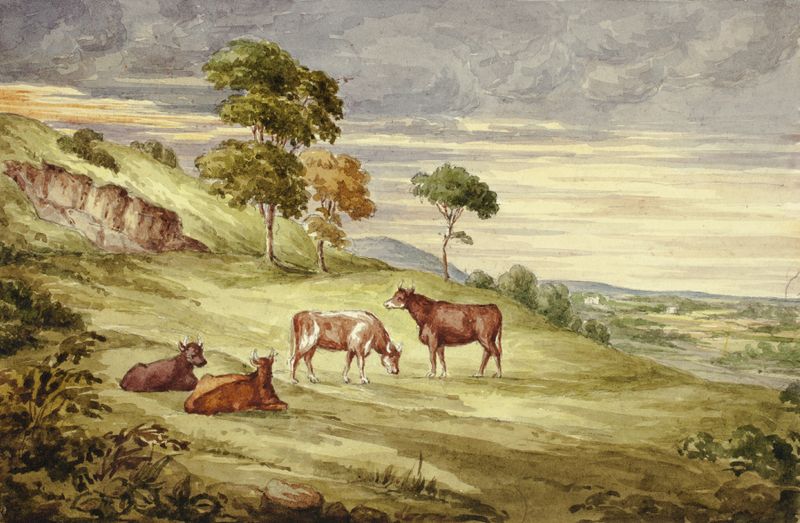
Deer Park, possibly Kilkenny
Elizabeth Murray
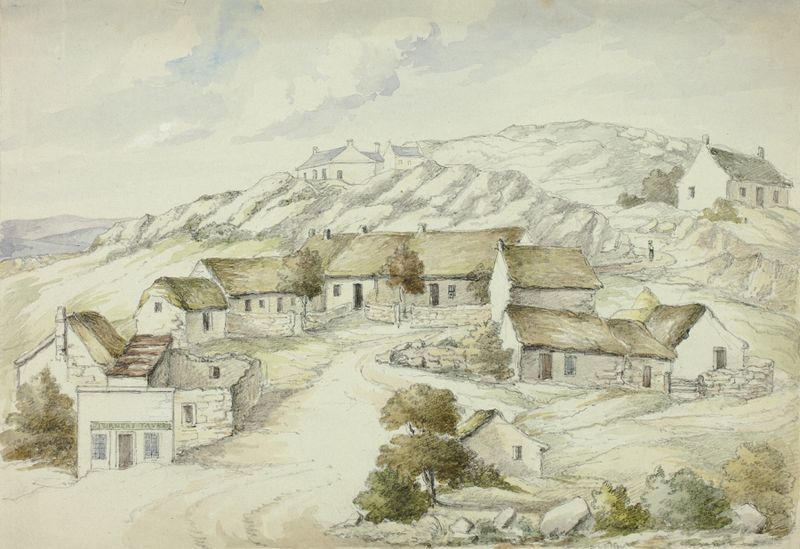
Kilkenny Village from the Rocks
Elizabeth Murray





