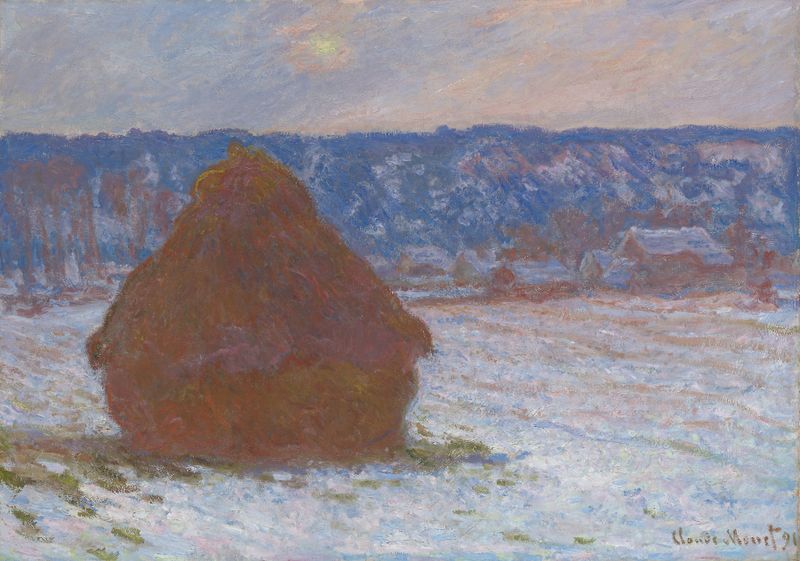
Wind Effect, Series of The Poplars — History & Facts
In the delicate interplay of light and nature, an unseen void speaks volumes in the heart of the artwork. The idea of impermanence is captured beautifully, reminding us of the transient moments that define our existence. Focus on the vibrant hues of blue and green that swirl together, creating a lush tapestry of poplars swaying in the wind. The brushstrokes are both vigorous and tender, inviting the viewer to trace the movement of the trees as they bend under the invisible embrace of the breeze.
Notice how the dappled light plays across the scene, casting a rhythmic dance of shadows that enhances the sense of vitality and rhythm. Hidden within this idyllic landscape lies a tension between stability and motion. The fluidity of the wind contrasts with the steadfastness of the trees, symbolizing a deeper existential struggle. The vibrant colors resonate with joy, yet there lingers an undertone of longing, a reminder of the ephemeral nature of beauty and life itself.
Each stroke offers a glimpse into the complexity of emotions, capturing the essence of a moment that feels both alive and fleeting. In 1891, Monet painted this piece during a prolific period in his career while living in Giverny, France. He was deeply engaged in exploring the effects of light and atmosphere on natural landscapes, influenced by the changing seasons and his personal reflections. This time marked a significant evolution in his technique, embracing the impressionist movement’s ethos while pushing boundaries to embody the essence of the world around him.