
Wind-Swept Sands — History & Facts
Is this a mirror — or a memory? As the viewer gazes upon the expanse of endless dunes, a sense of quiet desolation and introspection envelops the soul, inviting contemplation of what remains and what has vanished. Look to the left where the soft, golden sands undulate under a gentle breeze, leading the eye towards the horizon. Notice how Chase masterfully captures the interplay of light and shadow; the sun bathes the scene in a warm glow, accentuating the delicate texture of each grain. The sweeping brushstrokes evoke movement, as if the very sands are alive, whispering secrets of the past.
This simple yet profound composition draws us into an oasis of tranquility, urging us to explore the emotional landscape it presents. Hidden beneath the surface is a dialogue between solitude and serenity, accentuated by the starkness of the empty foreground. The absence of figures amplifies a poignant sense of what is omitted — moments unshared and dialogues unheard. The viewer is left to wrestle with the tension of this emptiness, inviting reflection on their own experiences of solitude and the memories that linger like footprints in the sand. In 1894, William Merritt Chase was immersed in the vibrant art community of New York City, where he played a significant role in shaping American Impressionism.
Amidst personal struggles and evolving artistic philosophies, he created Wind-Swept Sands during a summer retreat in Shinnecock Hills, where the beauty of nature and the search for artistic identity intertwined. This period marked a pivotal moment in his career, as he sought to express the emotive qualities of the landscape through light and color.
More Artworks by William Merritt Chase
Browse all →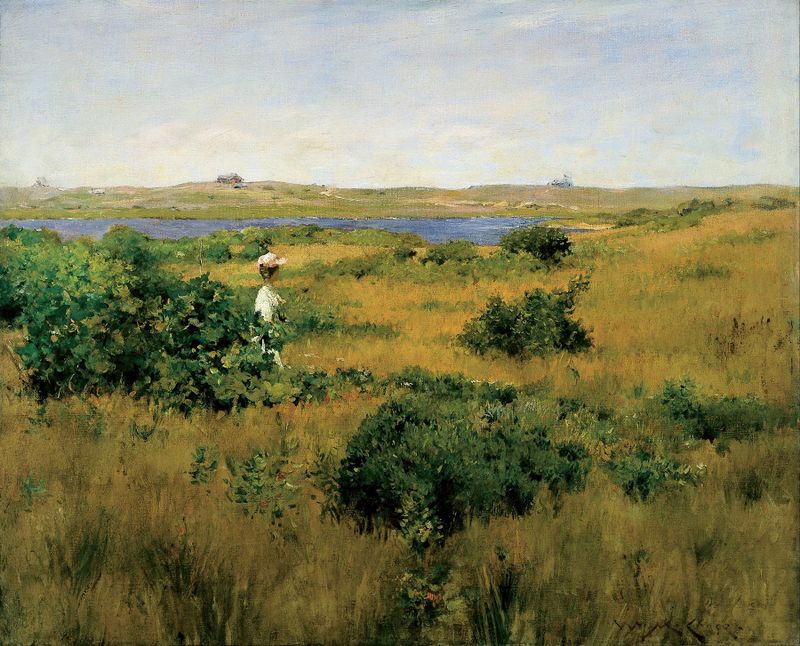
Summer at Shinnecock Hills
William Merritt Chase

A City Park
William Merritt Chase

Morning at Breakwater, Shinnecock
William Merritt Chase

Shinnecock Hills
William Merritt Chase

Terrace, Prospect Park
William Merritt Chase
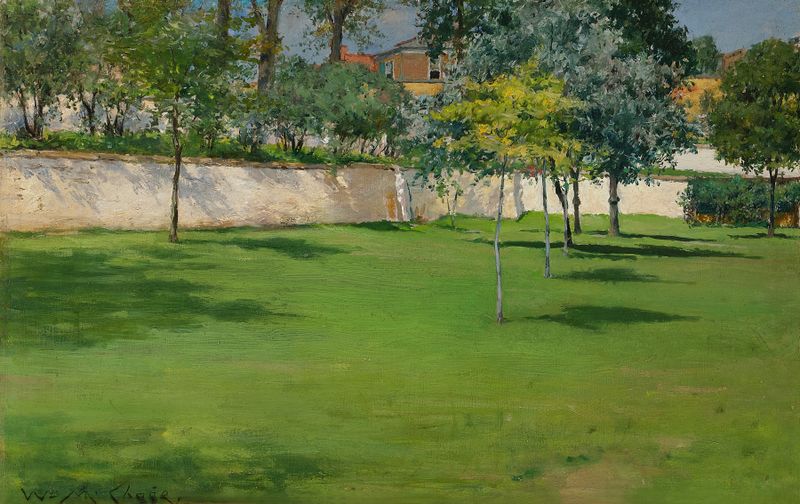
Summer-Time
William Merritt Chase
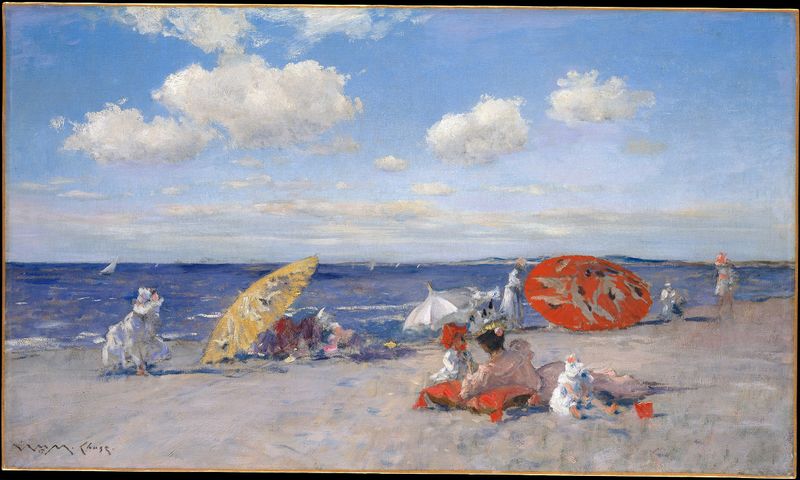
At the Seaside
William Merritt Chase

Idle Hours
William Merritt Chase
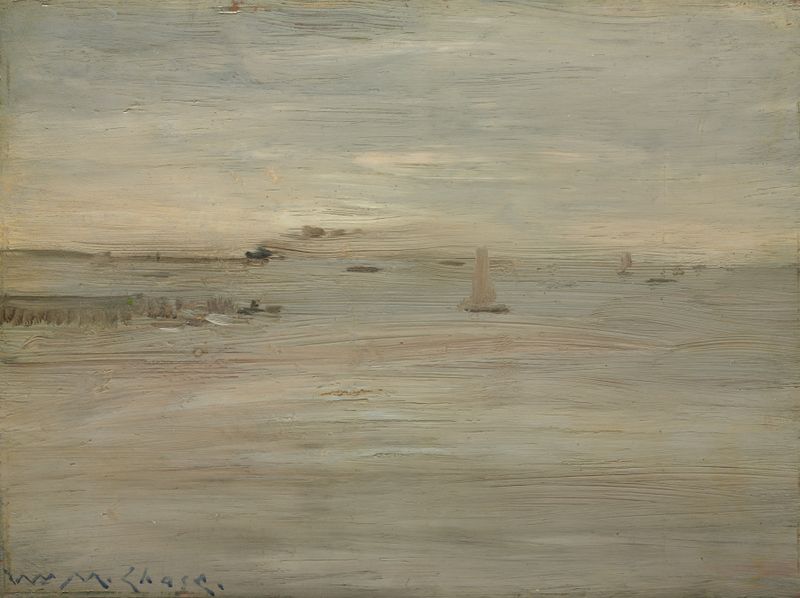
Marine
William Merritt Chase

Wheat Field
William Merritt Chase





