
Windermere — History & Facts
In Windermere, light emerges as the artist's most powerful tool, transforming the ordinary into the extraordinary. Look to the left at the gentle ripples shimmering on the water's surface, where reflections dance with the warmth of the sun. The vibrant greens of the foliage contrast sharply with the deep blues of the lake, creating an inviting frame for the serene landscape. Notice how the artist's brushwork captures the delicate play of light filtering through the trees, casting dappled shadows that evoke a sense of harmony within nature's embrace. Within this tranquil setting lies a deeper narrative; the interplay of light and shadow symbolizes the balance of tranquility and turmoil inherent in life.
The beckoning path leading into the woods suggests a journey, tempting viewers to explore both the landscape and their own introspection. Meanwhile, the subtle presence of distant mountains hints at the sublime, reminding us of nature’s vastness and our humble place within it. During the years between 1794 and 1830, John Glover created Windermere while living in England, a period marked by a rising interest in Romanticism. This painting reflects his passion for the English countryside, capturing not just the physical beauty but also the emotional resonance of the landscape.
As an artist transitioning from traditional depictions to a more personal interpretation of nature, Glover's work resonates with the growing awareness of light's transformative power in the visual arts.
More Artworks by John Glover
Browse all →
A view of the artist’s house and garden, in Mills Plains, Van Diemen’s Land
John Glover
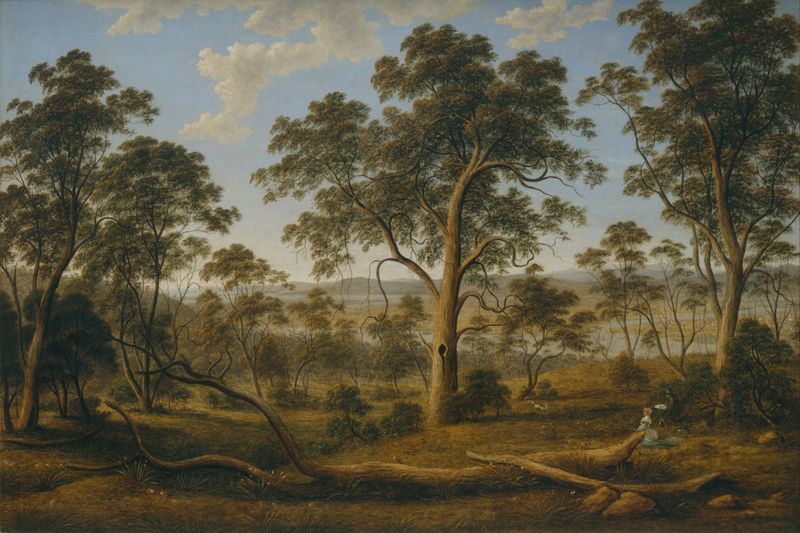
Launceston and the river Tamar
John Glover
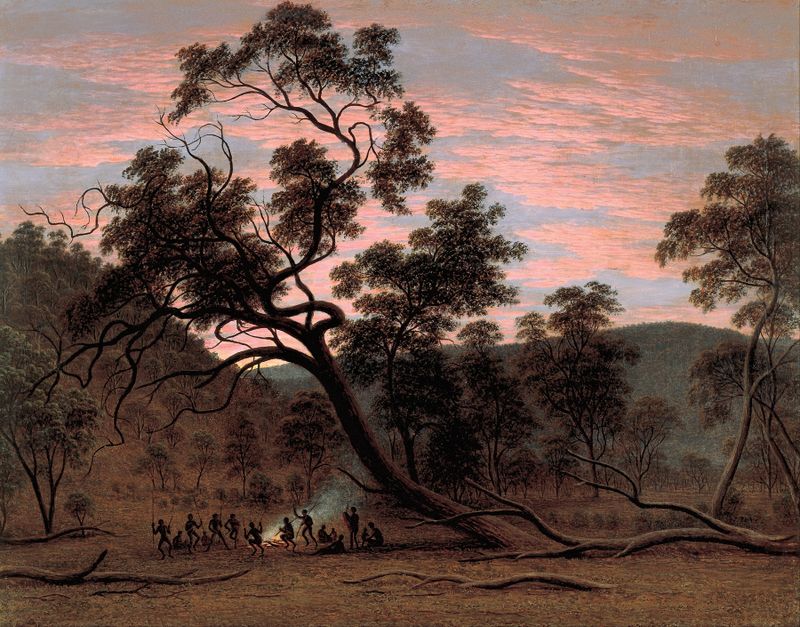
A corroboree of natives in Mills Plains
John Glover

Mount Wellington and Hobart Town from Kangaroo Point
John Glover

Mr Robinson’s house on the Derwent, Van Diemen’s Land
John Glover
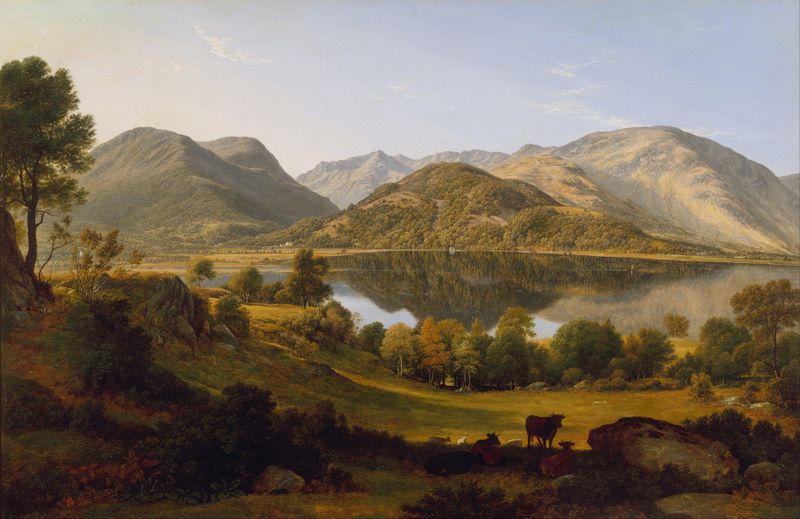
Ullswater, early morning
John Glover
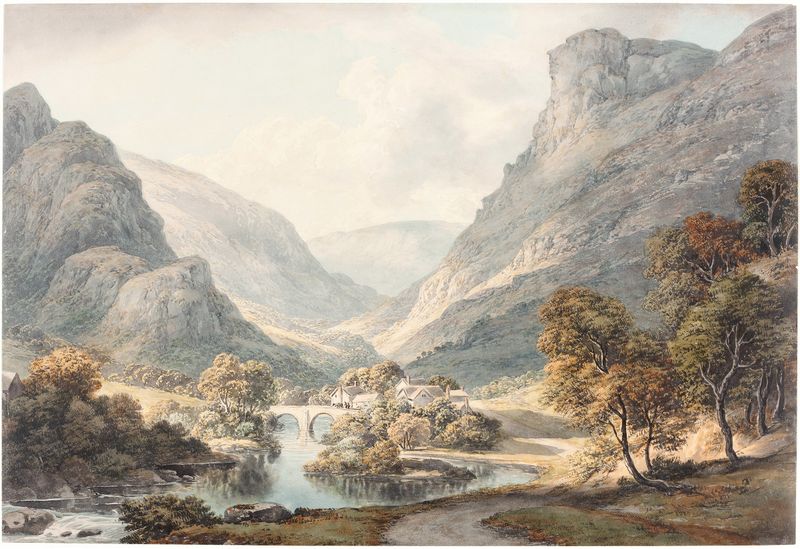
A View of Dovedale
John Glover

The bath of Diana, Van Diemen’s Land
John Glover

Landscape view in Cumberland
John Glover
Patterdale farm
John Glover





