
Windmills telegraph Wire — History & Facts
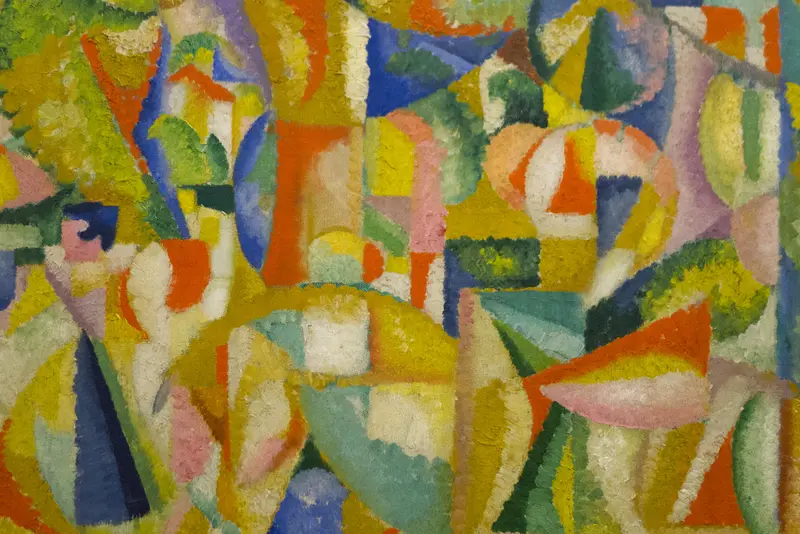
In Windmills Telegraph Wire, we see a vibrant landscape filled with windmills against a backdrop of rolling hills. The colors are bold, with bright greens and blues dominating the scene. The windmills stand tall, their blades catching the light, while telegraph wires crisscross the sky.
This juxtaposition of nature and technology creates a dynamic visual experience. The painting is executed in oil on canvas, showcasing Amadeo de Souza-Cardoso's modernist style. The brushwork is expressive, with visible strokes that add texture and movement to the composition. The use of color is striking, employing a palette that emphasizes the contrast between the natural and the industrial.
Viewers can appreciate the artist's technique in the layering of paint and the play of light. Amadeo de Souza-Cardoso was a prominent figure in the modernist movement in Portugal. This work reflects his interest in the intersection of nature and technology, a theme prevalent in early 20th-century art. An interesting fact about this painting is that it captures the spirit of innovation during a time when telegraphy was transforming communication.
It serves as a reminder of how art can reflect societal changes.
More Artworks by Amadeo de Souza-Cardoso
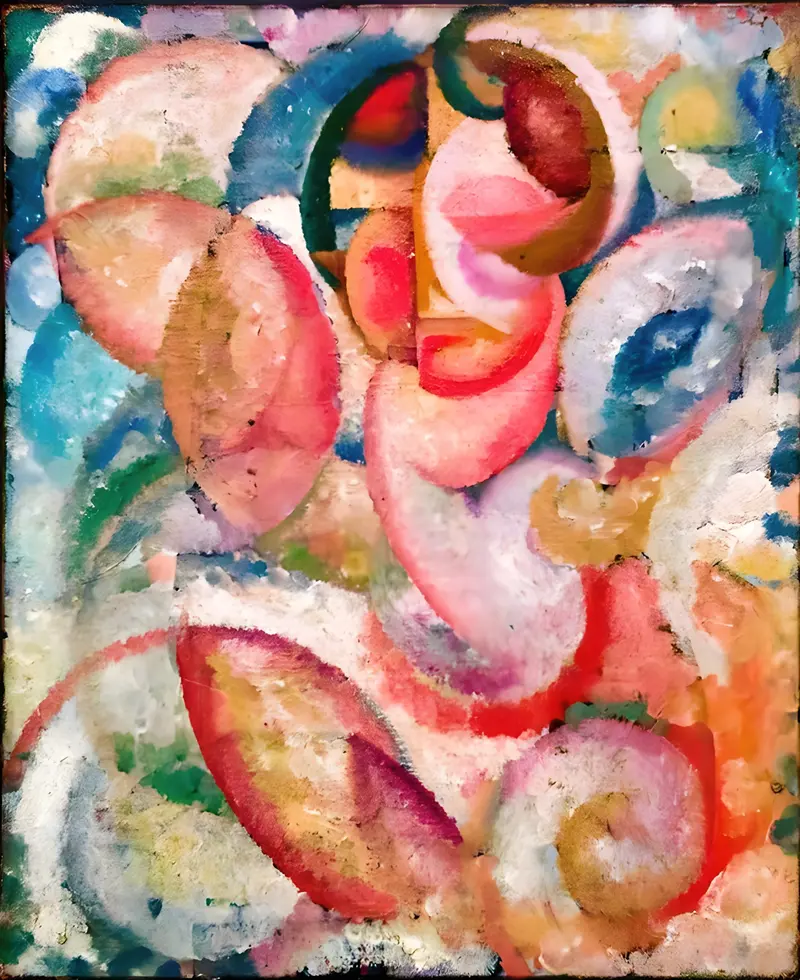
Untitled
Amadeo de Souza-Cardoso
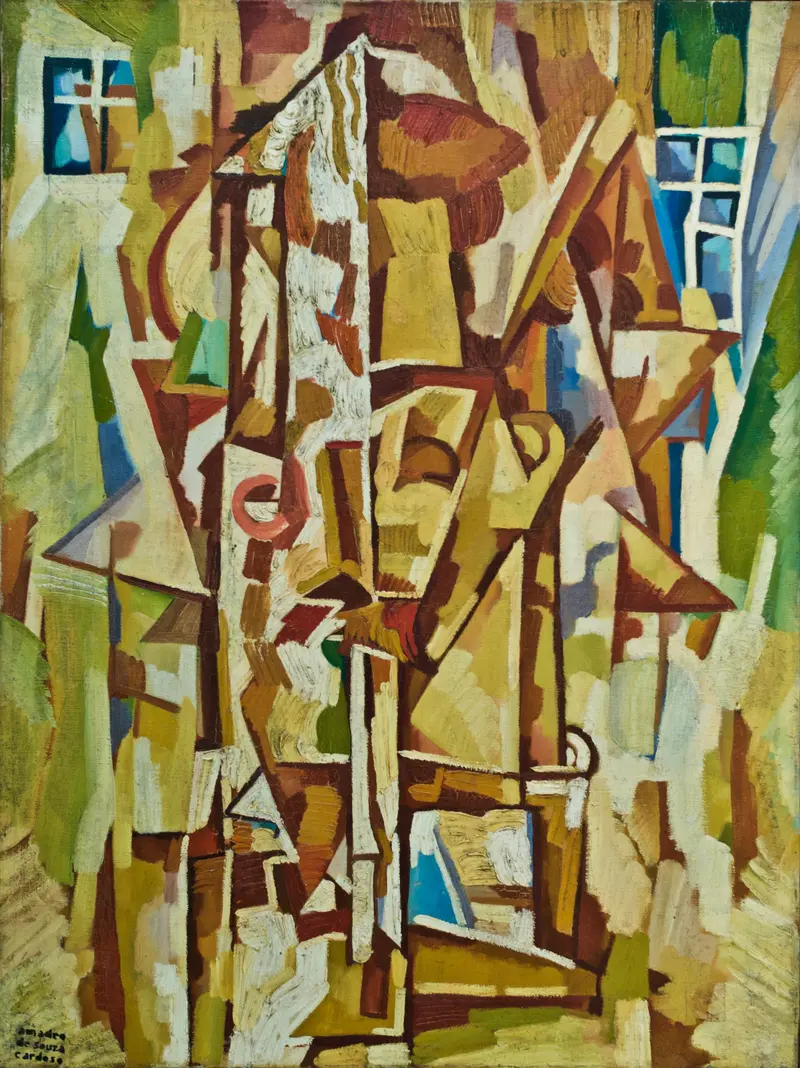
Smoker with a cigarette-holder
Amadeo de Souza-Cardoso
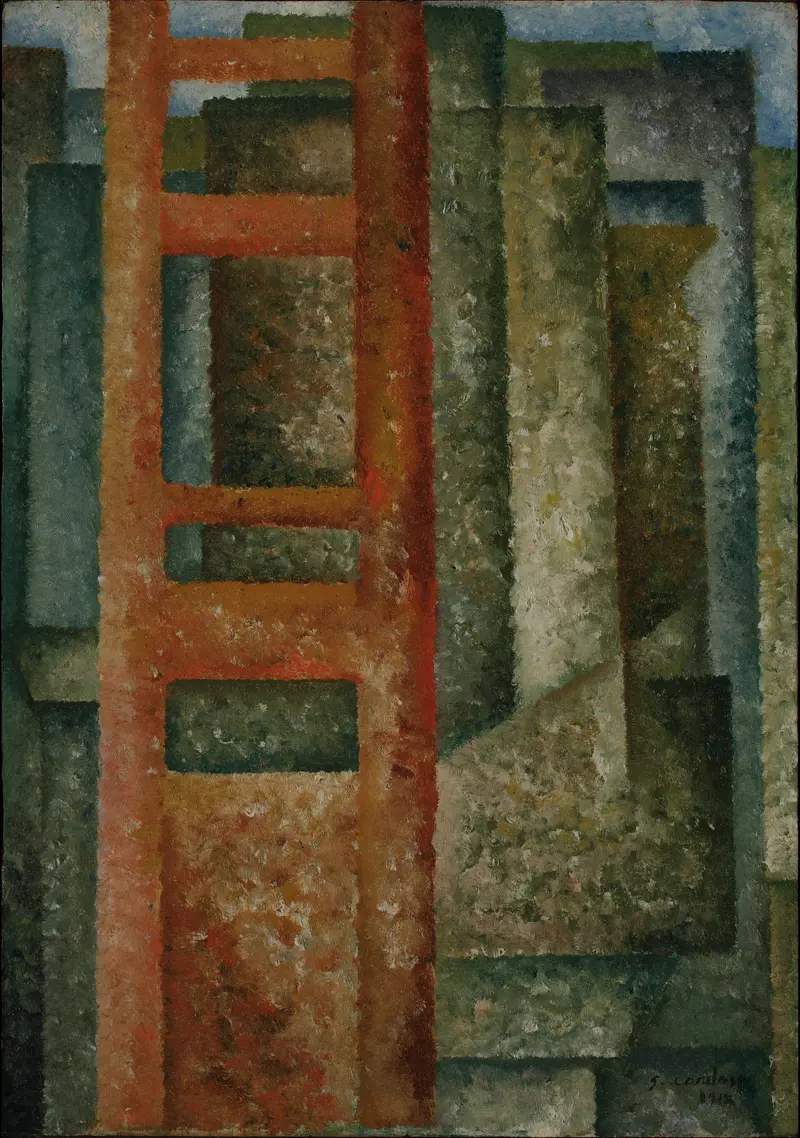
Pelas Janelas (Desdobramento – Intersecção)
Amadeo de Souza-Cardoso
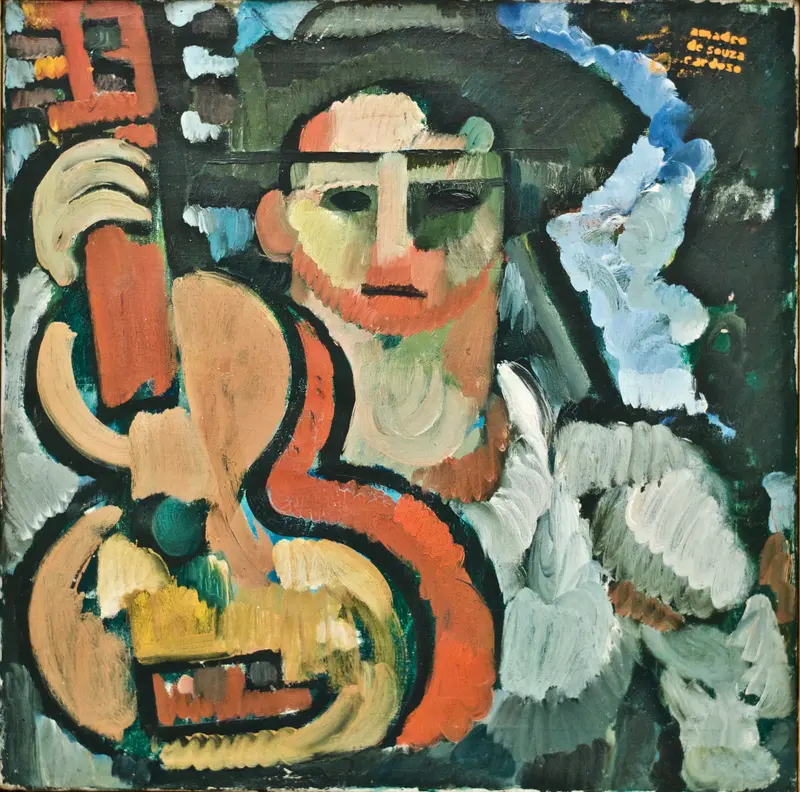
Cavaquinho
Amadeo de Souza-Cardoso
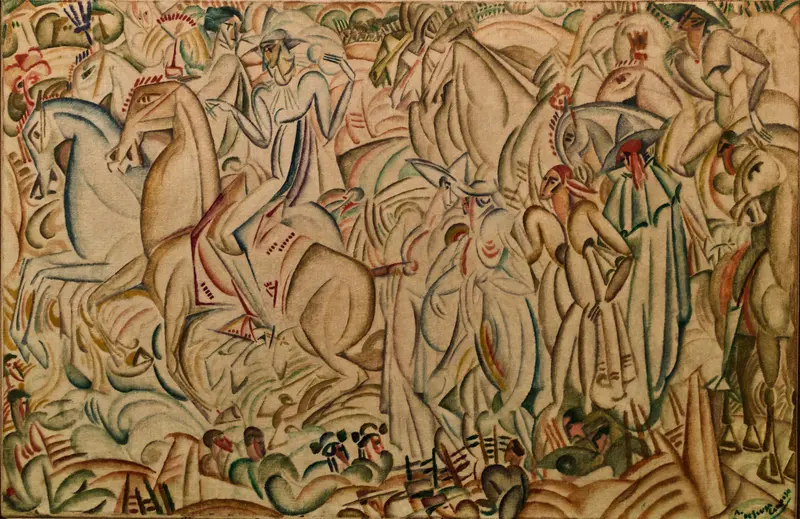
Before the Bullfight
Amadeo de Souza-Cardoso
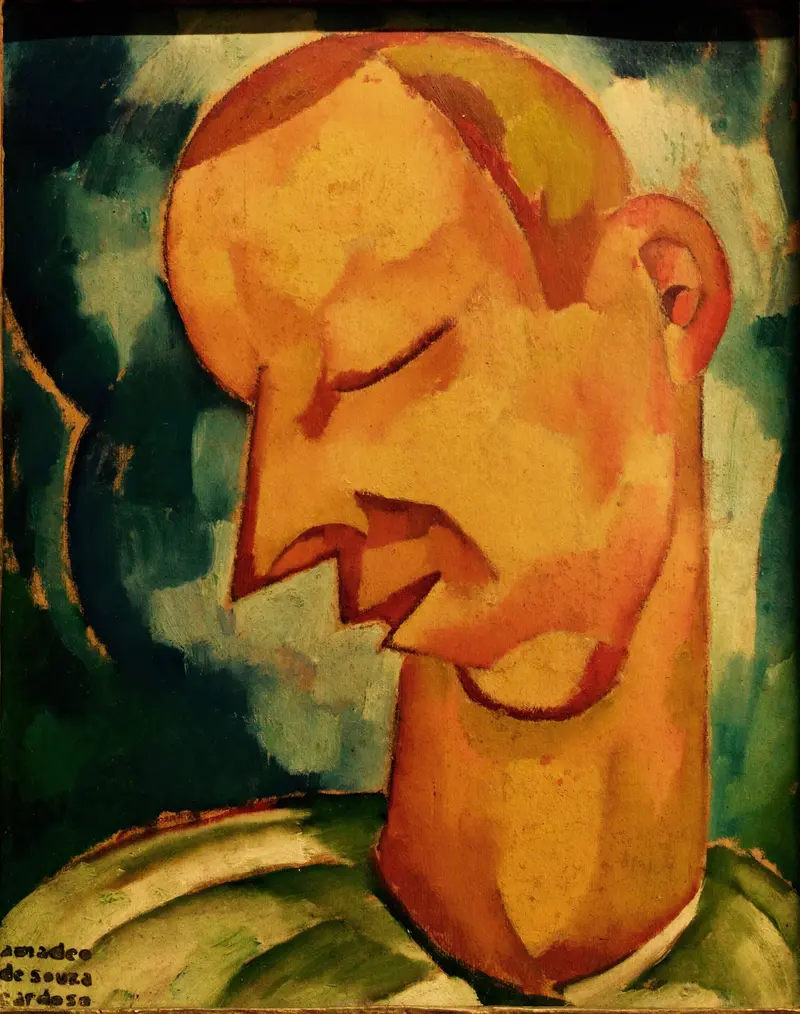
The poor fool
Amadeo de Souza-Cardoso
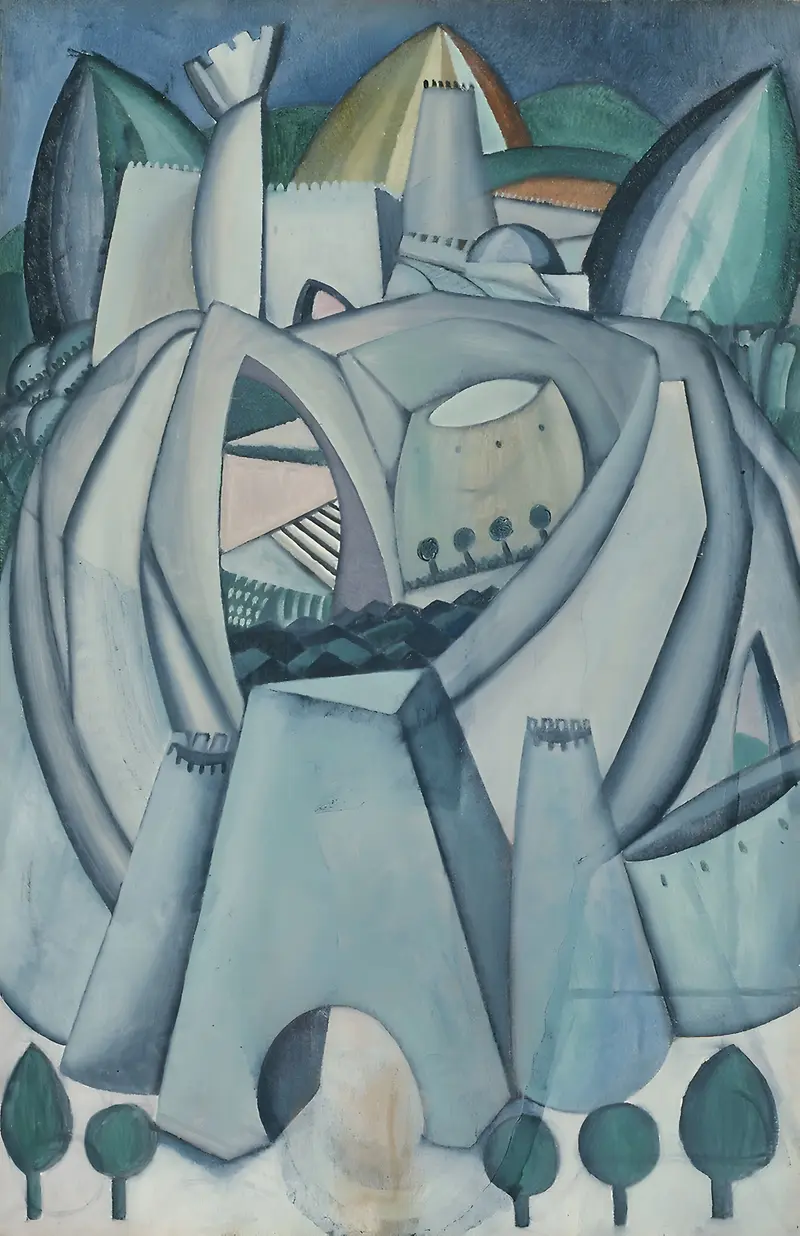
The Stronghold
Amadeo de Souza-Cardoso
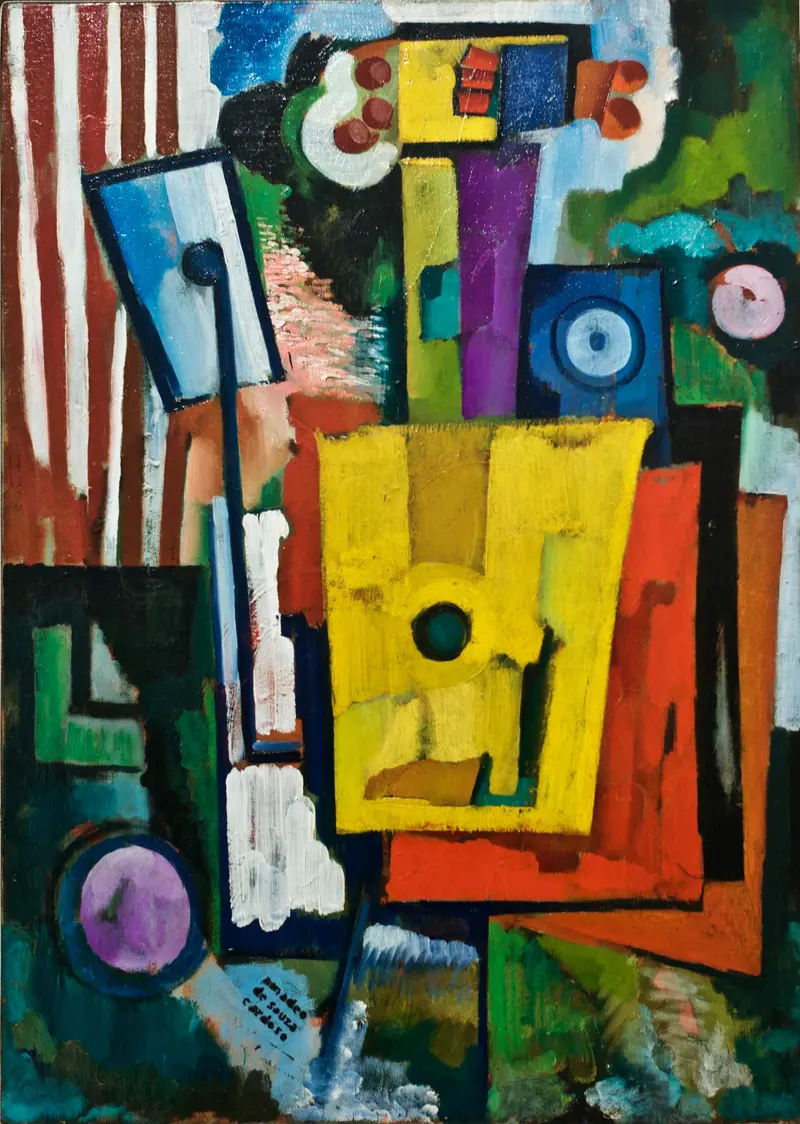
Instrument’s Life
Amadeo de Souza-Cardoso
Les Cavaliers
Amadeo de Souza-Cardoso
O Rata
Amadeo de Souza-Cardoso
More Landscape Art

The Starry Night
Vincent van Gogh

View of Delft
Johannes Vermeer

Water Lilies
Claude Monet

The Grand Canal, Venice, looking north-west from the Ca' Corner to the Ca' Contarini degli Scrigni, with the campanile of Santa Maria della Carità
Canaletto

Windsor Castle
Canaletto

The Grand Canal looking North-East from the Palazzo Dolfin-Manin to the Rialto Bridge
Canaletto