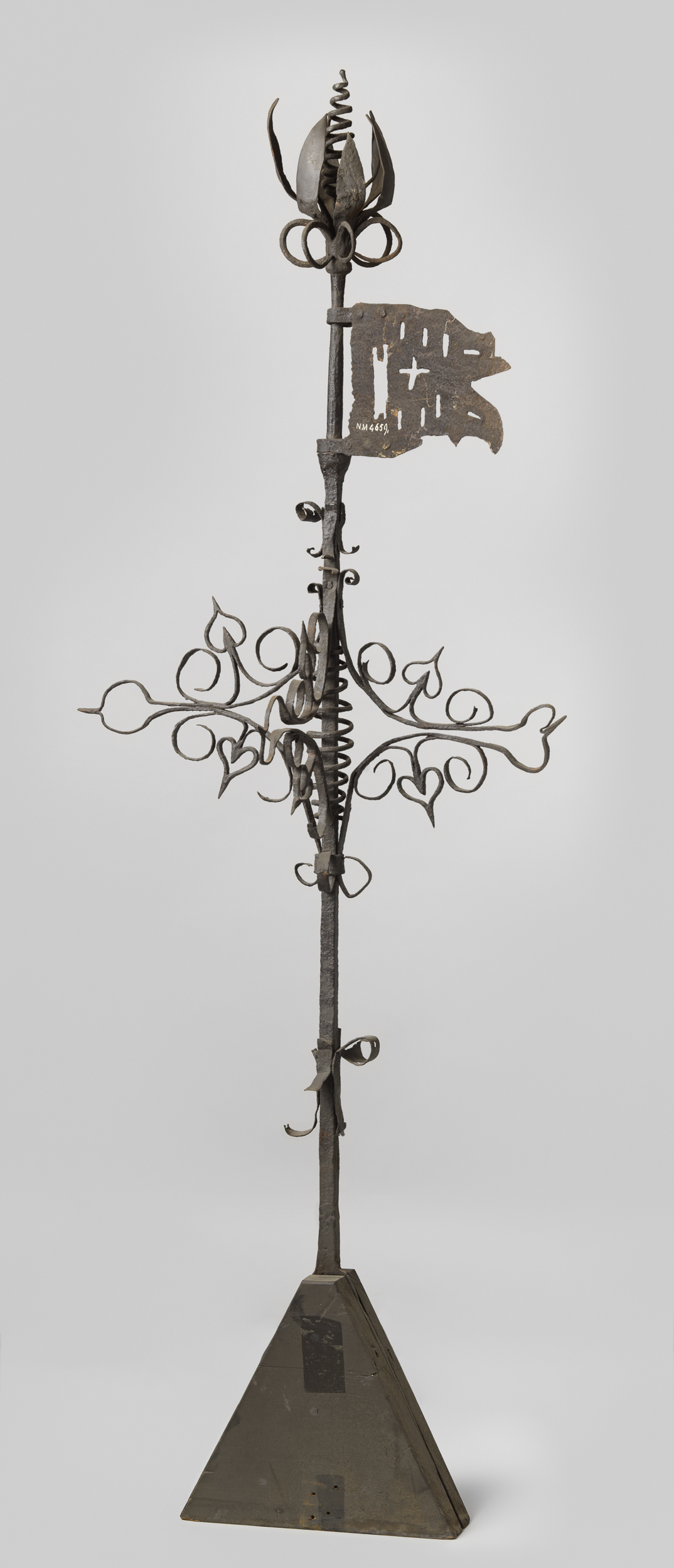
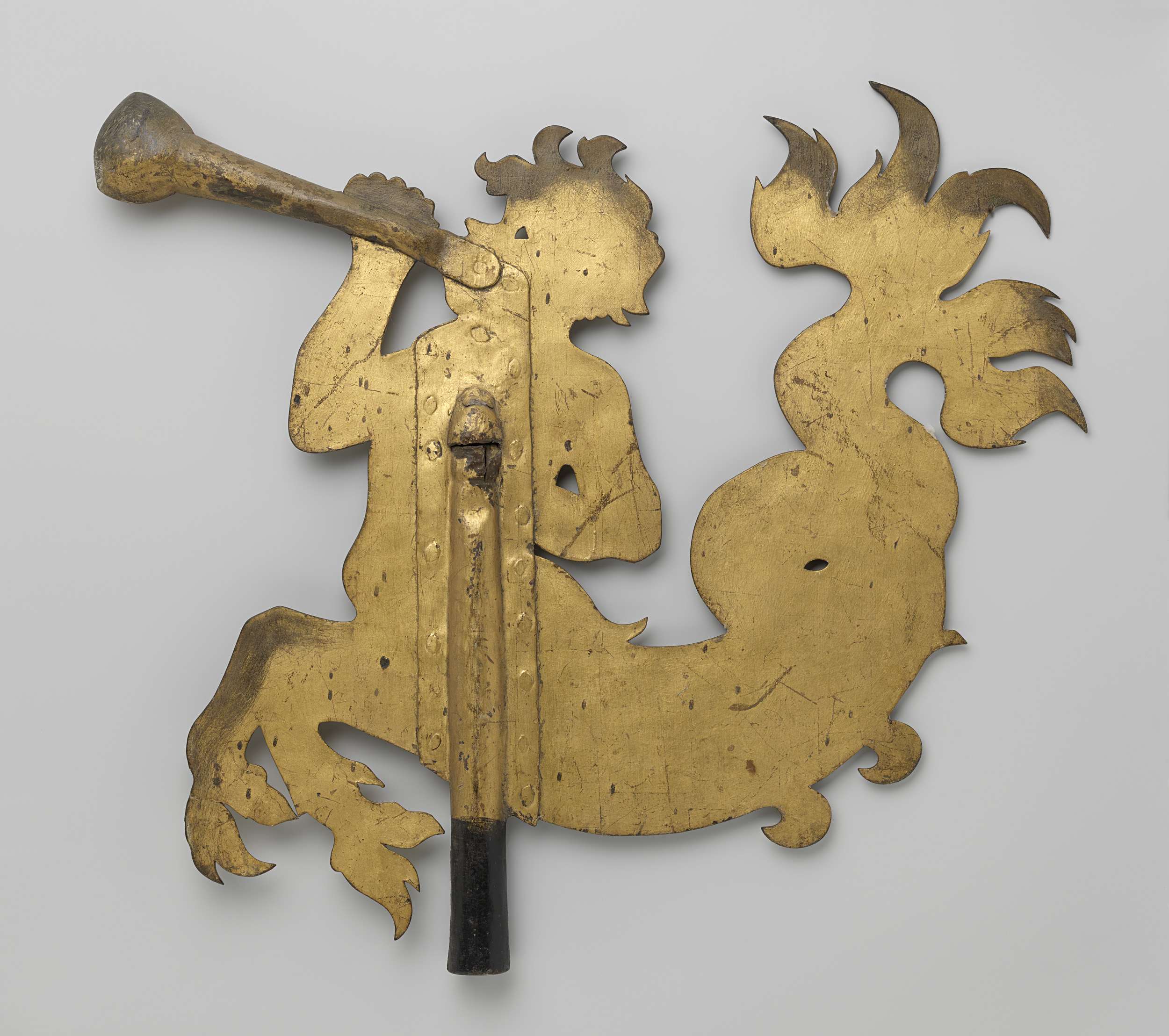
Windwijzer — History & Analysis
“Every silence here is a confession.” Within the delicate strokes and muted palette of this work, a whisper of sorrow lingers, inviting the viewer to pause and reflect. Focus on the gentle movement depicted in the subtle curves of the background, where soft hues of blue and gray converge. Notice how light dances across the serene surface, illuminating key elements and casting shadows that hint at deeper stories. The composition draws you in, guiding your gaze across the intricate details, from the meticulously rendered figures to the atmospheric horizon, all while evoking a sense of longing.
Hidden within these layers are emotional tensions that resonate profoundly. The juxtaposition of stillness against the backdrop of a turbulent sky suggests a struggle between inner peace and external chaos. The figures, though poised in tranquil poses, carry expressions that hint at unspoken grief or longing, encapsulating the melancholy of human experience.
Each element feels deliberate, weaving together themes of solitude and reflection, creating a narrative that lingers long after viewing. This artwork emerged during a significant shift in the late Renaissance, a period marked by a growing interest in human emotion and the complexities of the soul. Created anonymously between 1500 and 1600, it likely reflects the artist's contemplation of the currents in art and society, as the exploration of personal and collective identity began to shape the landscape of visual culture.