
Winter beim Käferkreuzwäldchen — History & Facts
What secret hides in the quiet of the canvas? In Winter beim Käferkreuzwäldchen, stillness and longing intertwine, inviting the viewer to explore its depths. Look to the foreground, where the path meanders, lightly dusted with freshly fallen snow. Notice how the muted palette — soft whites, grays, and hints of dusky blue — envelops the scene, fostering a sense of serene isolation. The trees, stark and skeletal, rise like sentinels, their branches reaching across the canvas in delicate silhouettes, creating a rhythm that guides the eye deeper into the woodland. Yet, it is the whisper of longing that resonates within the quiet.
The absence of figures suggests a retreat from the world, amplifying the feeling of solitude. The layered textures of the snow lead the viewer into a contemplative state, evoking memories of warmth and connection that seem just out of reach. The juxtaposition of the crisp winter landscape with the stillness seems to reflect deeper emotional tensions, inviting reflection on nature’s beauty and the solitude it can bring. Max Kahrer painted this piece in 1935 while living in Germany, a time marked by social and political upheaval.
As the world moved towards conflict, Kahrer found solace in landscapes, capturing a melancholic beauty that reflects both personal and collective longing. This painting stands testament to his ability to meld emotion with the serene realities of nature, evoking a complex response in those who behold it.
More Artworks by Max Kahrer
Browse all →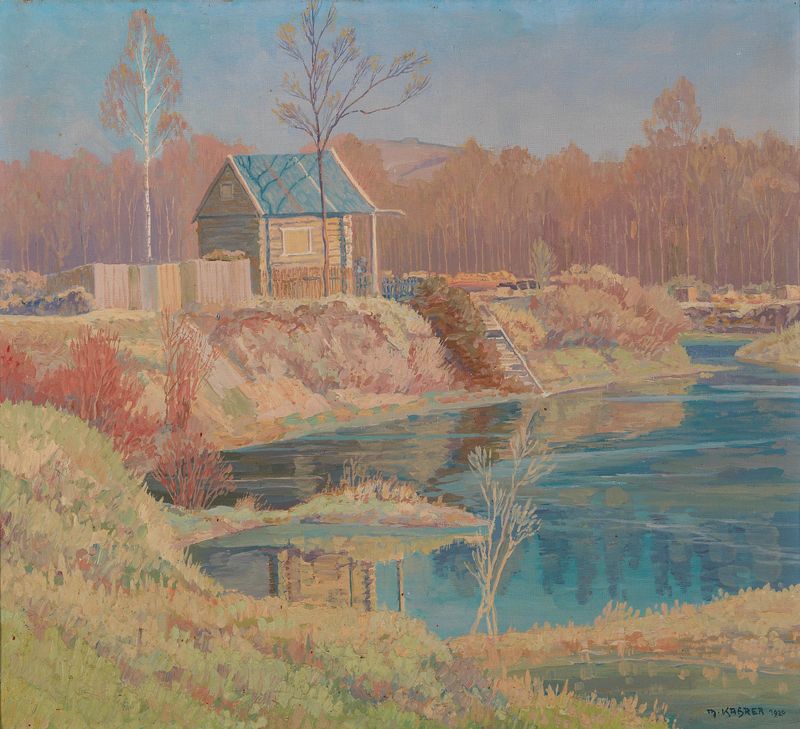
By A Lake
Max Kahrer

View of Klosterneuburg in winter
Max Kahrer

Klosterneuburg im Winter
Max Kahrer
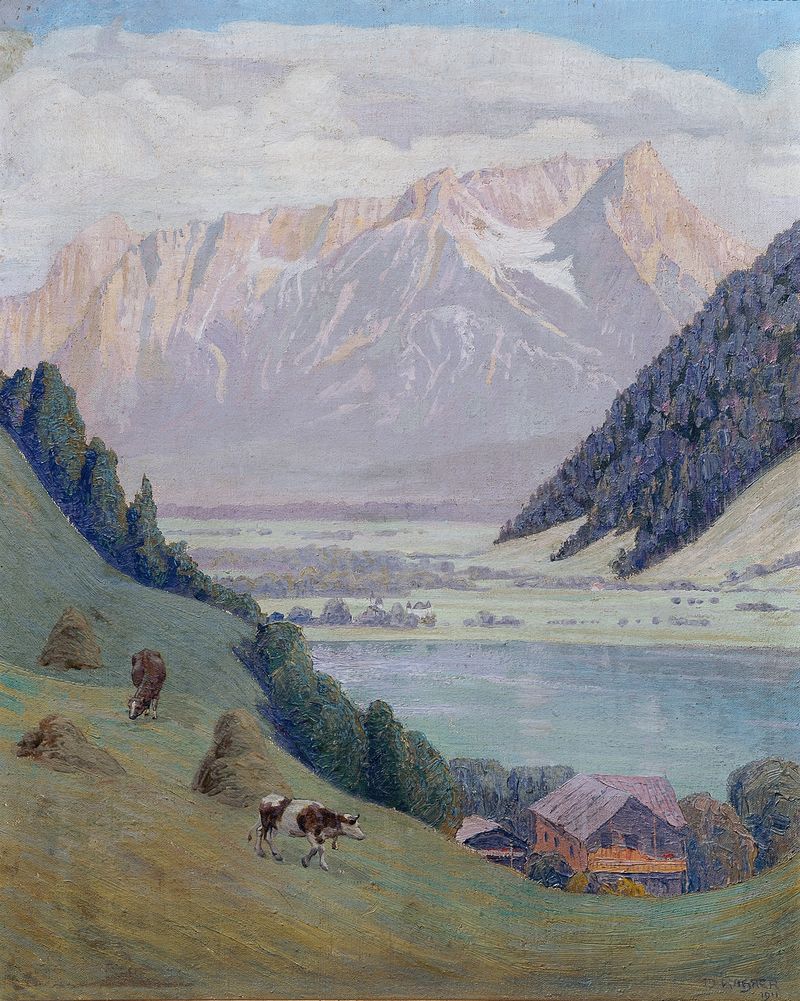
Bergsee
Max Kahrer

Seiser Alm (Südtirol)
Max Kahrer
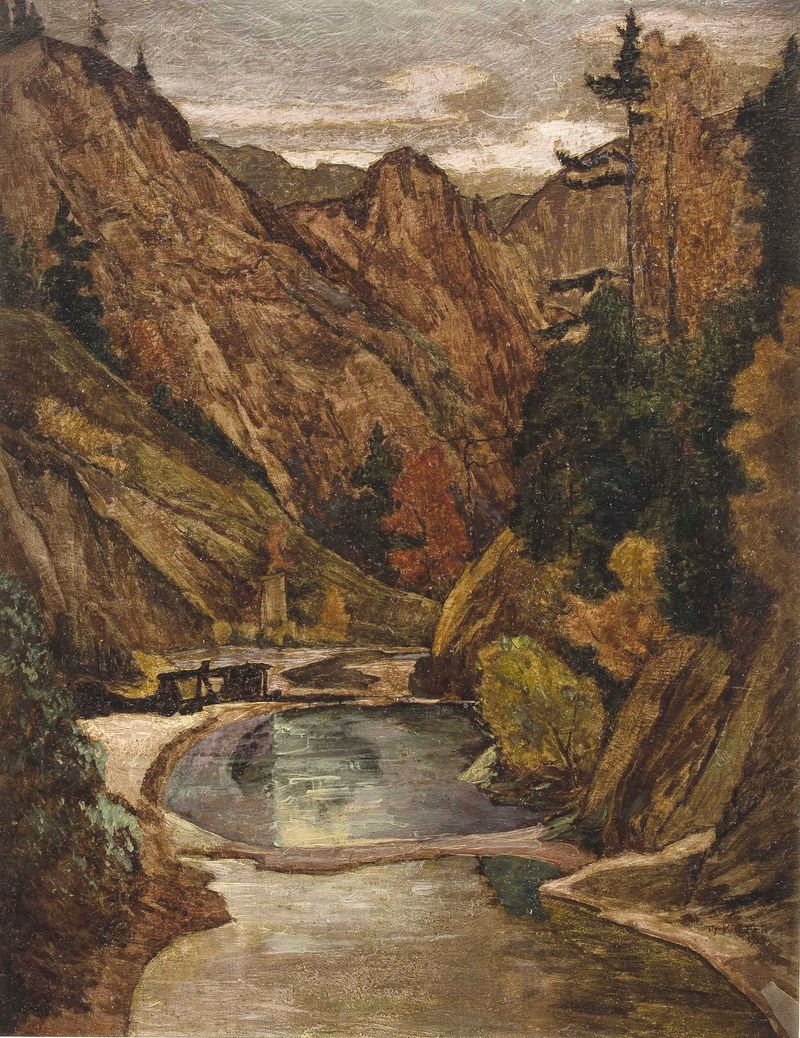
Der Lassinggraben
Max Kahrer
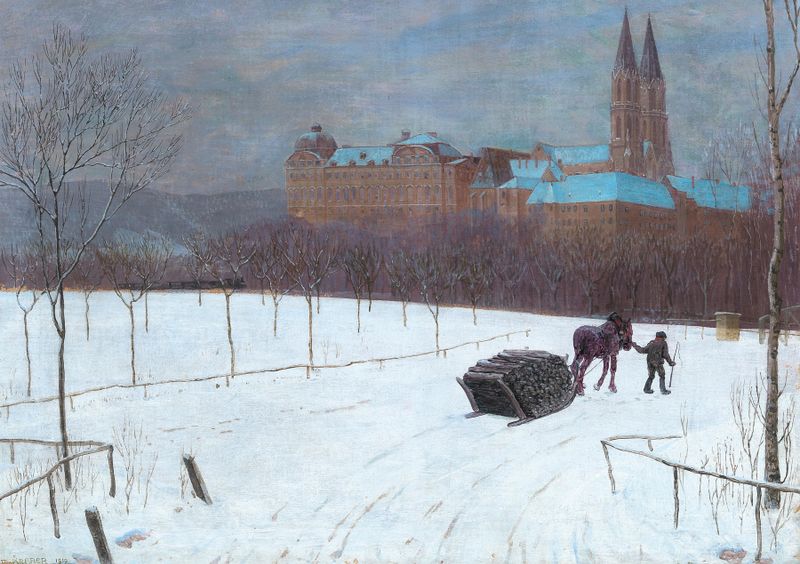
Winter landscape at Klosterneuburg
Max Kahrer

Auf dem Feld
Max Kahrer
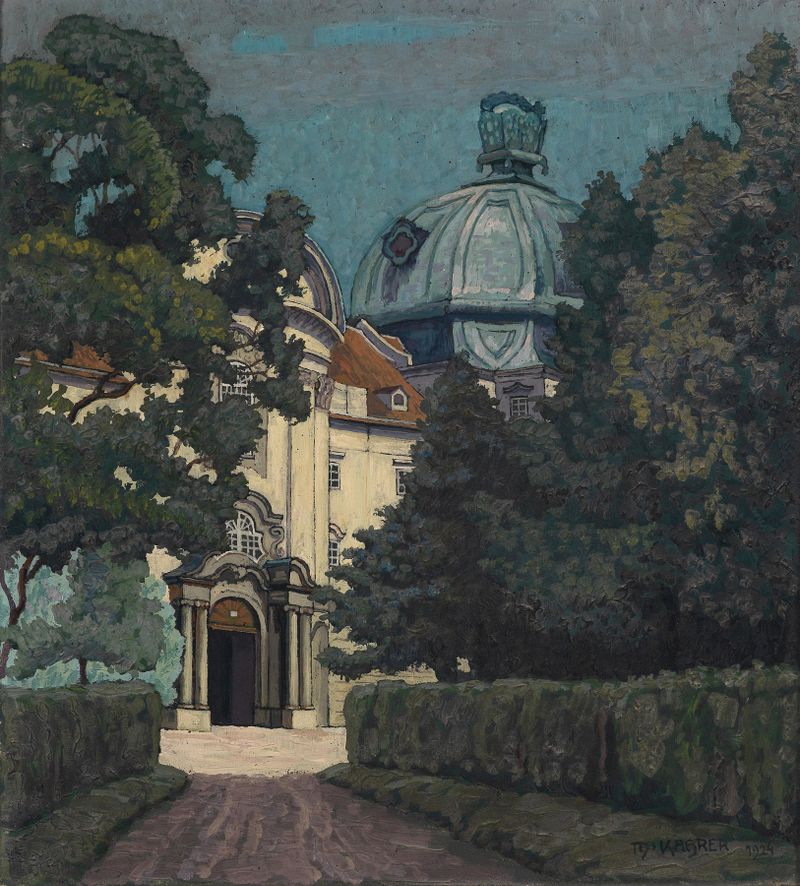
Stiftsportal Klosterneuburg
Max Kahrer

Aulandschaft im Vorfrühling
Max Kahrer





