Winter forest — History & Facts
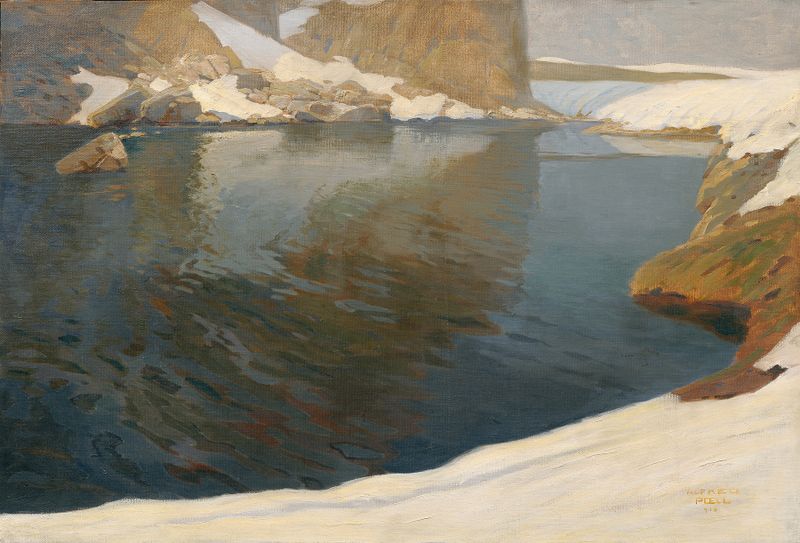
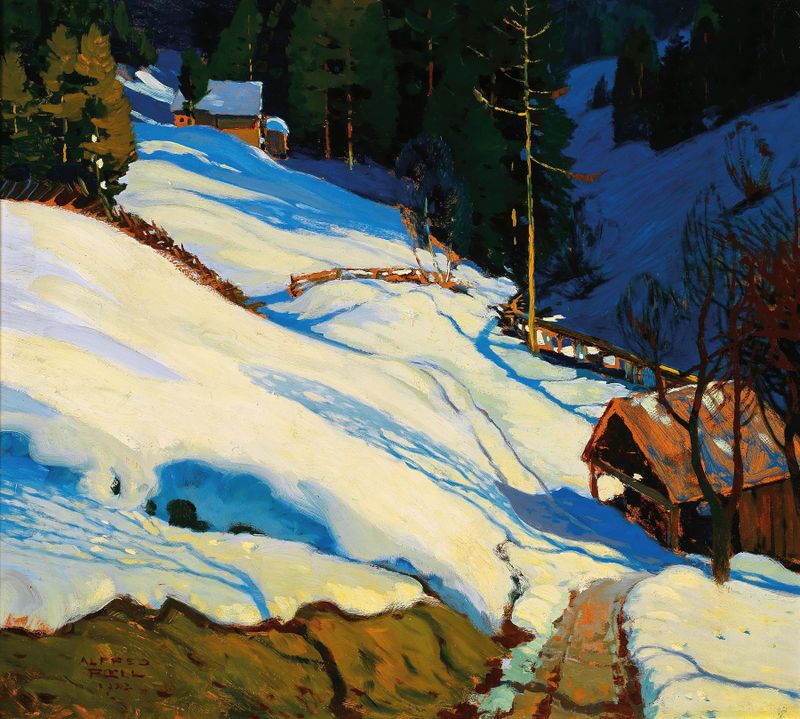
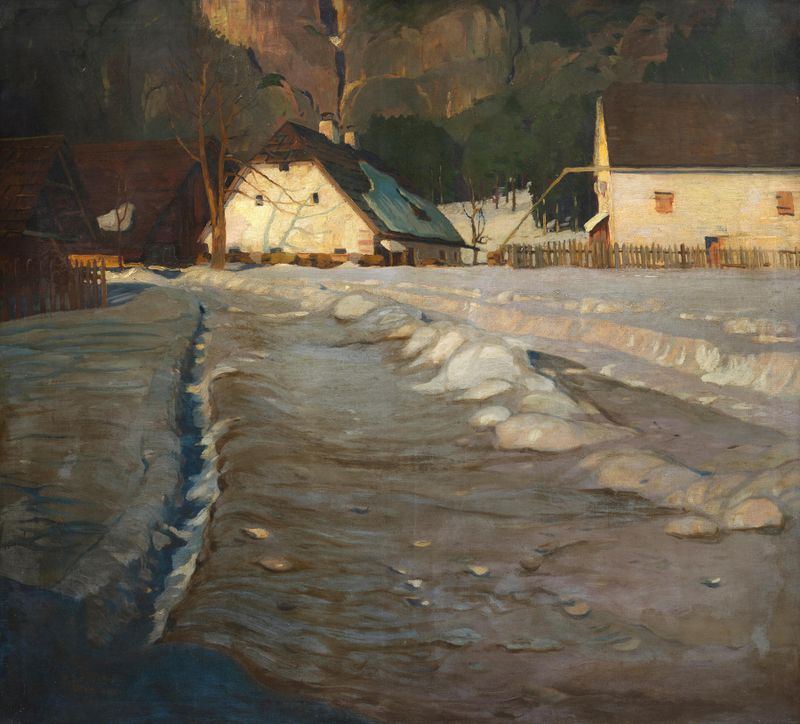
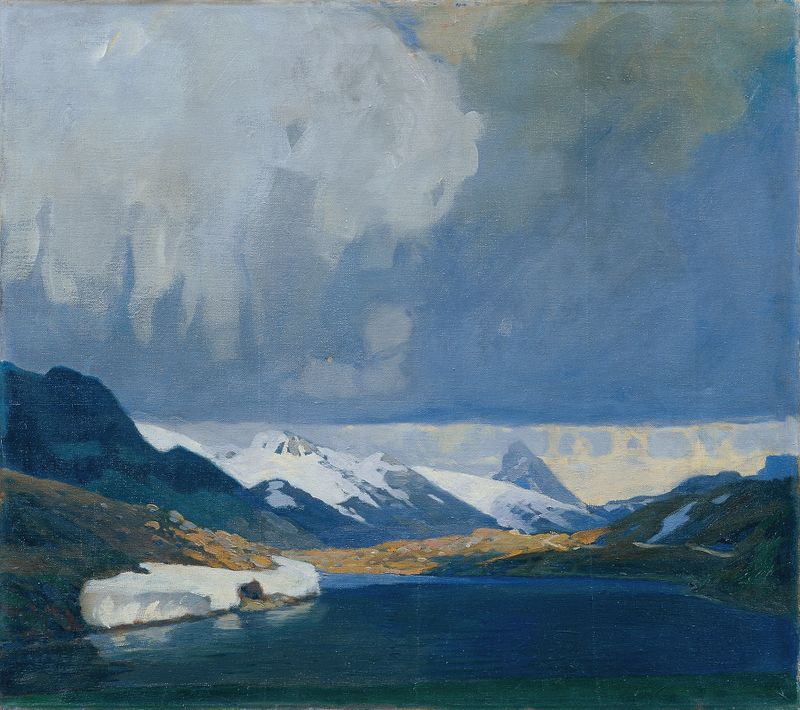
Could a single brushstroke hold eternity? In the realm of art, light becomes the whisper of nature, a fleeting moment captured forever on canvas. Direct your gaze to the interplay of light and shadow as it dances across the snow-draped trees in the foreground. Notice how the artist employs soft, muted colors to evoke the stark beauty of winter. The delicate grays and whites blend seamlessly, while patches of blue peek through, creating a serene yet dynamic atmosphere.
The composition draws you in, with the towering trunks guiding the eye upward toward a luminous sky that suggests both dawn and dusk, a liminal space between night and day. Hidden within the serene landscape lies a profound tension between solitude and community. Each tree stands tall and resolute, yet their collective presence evokes a sense of isolation, mirroring the quiet introspection often found in winter. This contrast between the stillness of the scene and the vitality of life beneath the surface invites contemplation on the cycles of nature and the resilience of the human spirit.
The light, so carefully rendered, symbolizes hope amidst the cold, a reminder of warmth waiting just beyond the horizon. Alfred Poell painted this evocative piece in 1923, during a period of artistic experimentation in Europe. Having moved to Vienna, he found himself amid a vibrant art scene grappling with post-war changes and the rise of modernism. This work reflects his unique approach, blending impressionistic techniques with a personal interpretation of the natural world, as he sought to convey the emotional resonance of nature's beauty amidst the shifting tides of the time.