Winter landscape — History & Facts
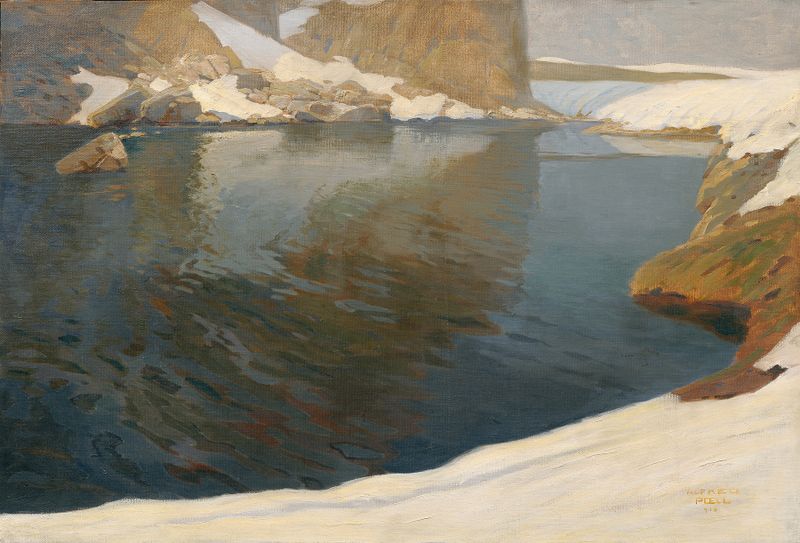
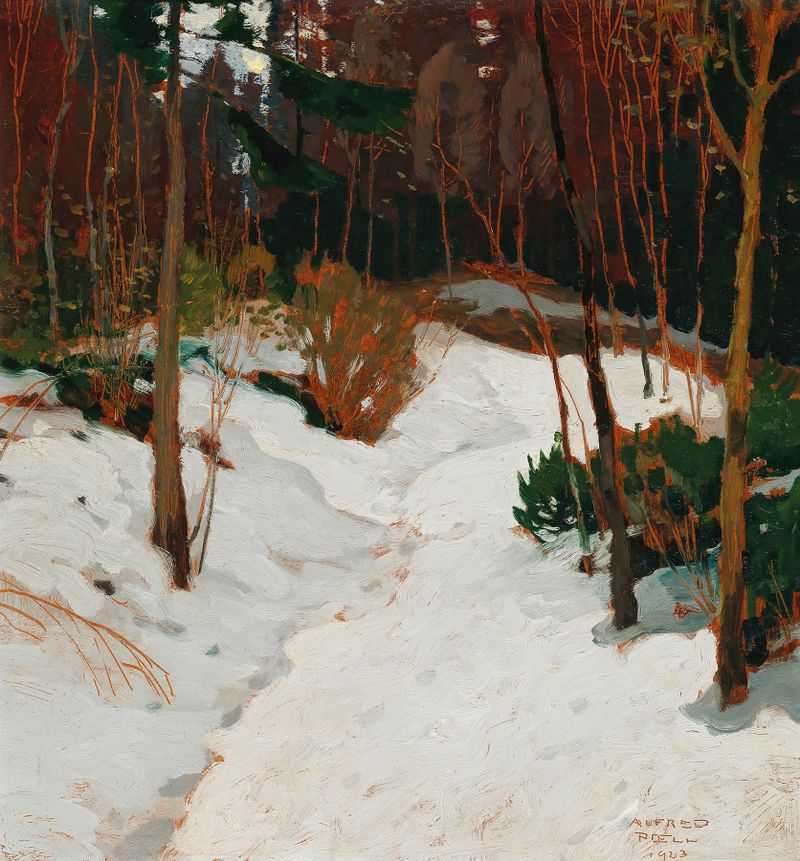
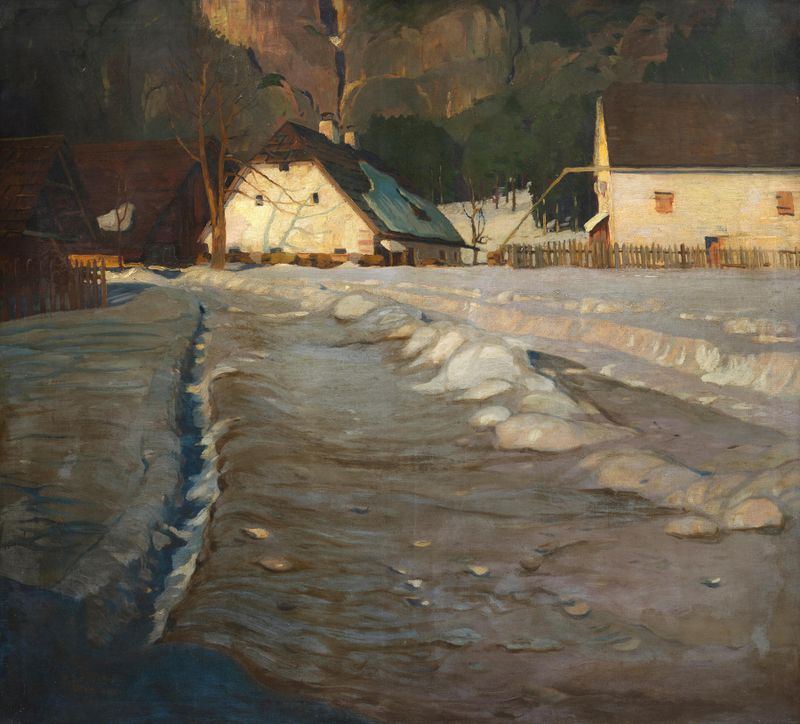
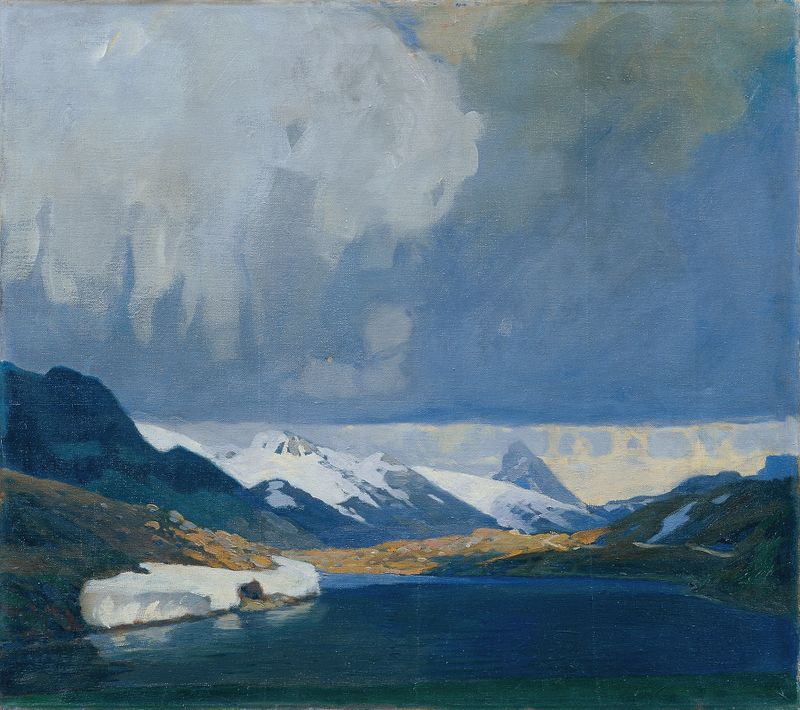
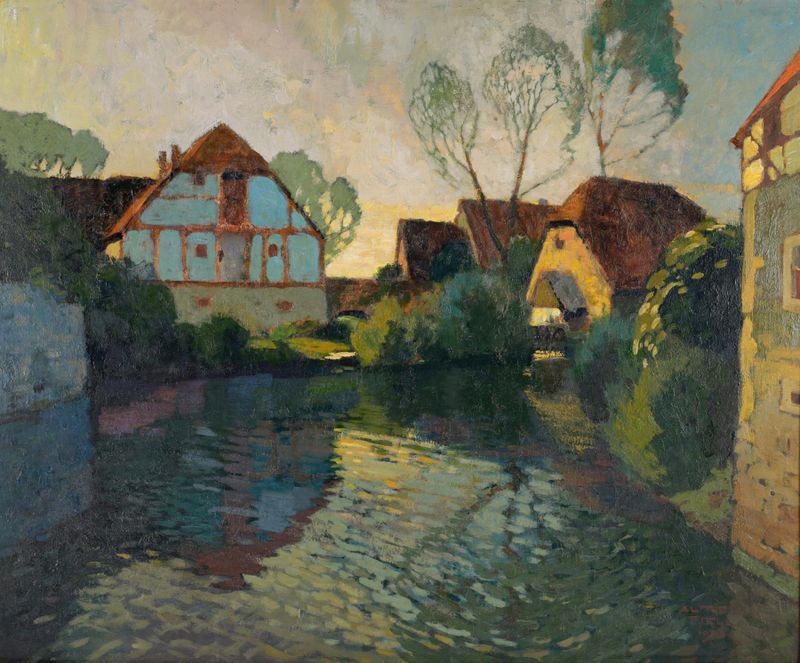
Could beauty survive in a century of chaos? As the world grapples with the tumult of the early 20th century, some artists find solace in the quiet elegance of nature. Look to the center, where soft white snow blankets rolling hills, gently undulating under a pale blue sky. The artist’s brushstrokes are delicate yet deliberate, capturing the stillness of the winter scene. Notice how the muted palette of blues and whites evokes a sense of tranquility, while dappled shadows play across the snowdrifts, offering depth and dimension.
The sparse trees, like guardians, stand resolute against the chill, their silhouettes stark yet beautifully intertwined with the wintry landscape. Hidden within this serene vista lies a deeper narrative of resilience and hope. The contrast between the coldness of winter and the subtle warmth of the light peering through the clouds suggests an impending thaw, symbolizing renewal. The winding path through the snow, almost inviting, hints at a journey forward, encouraging viewers to ponder their own paths amidst life’s trials.
Each brushstroke whispers the possibility of rebirth, a quiet revolution against despair. Alfred Poell painted this work in 1922, a time when Europe was still grappling with the aftermath of World War I. Living in a world marked by both devastation and artistic innovation, Poell sought to capture the solace found in nature. This piece reflects the interwar period's tension between turmoil and tranquility, showcasing how art can offer a refuge and a sense of hope amid chaos.