Winter Landscape with Evening Sky — History & Facts
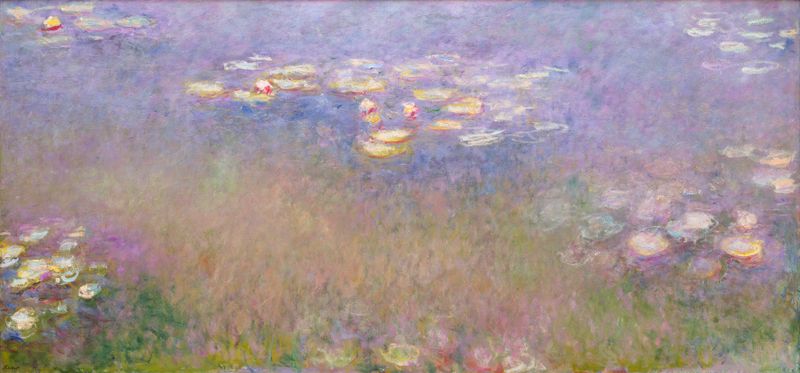
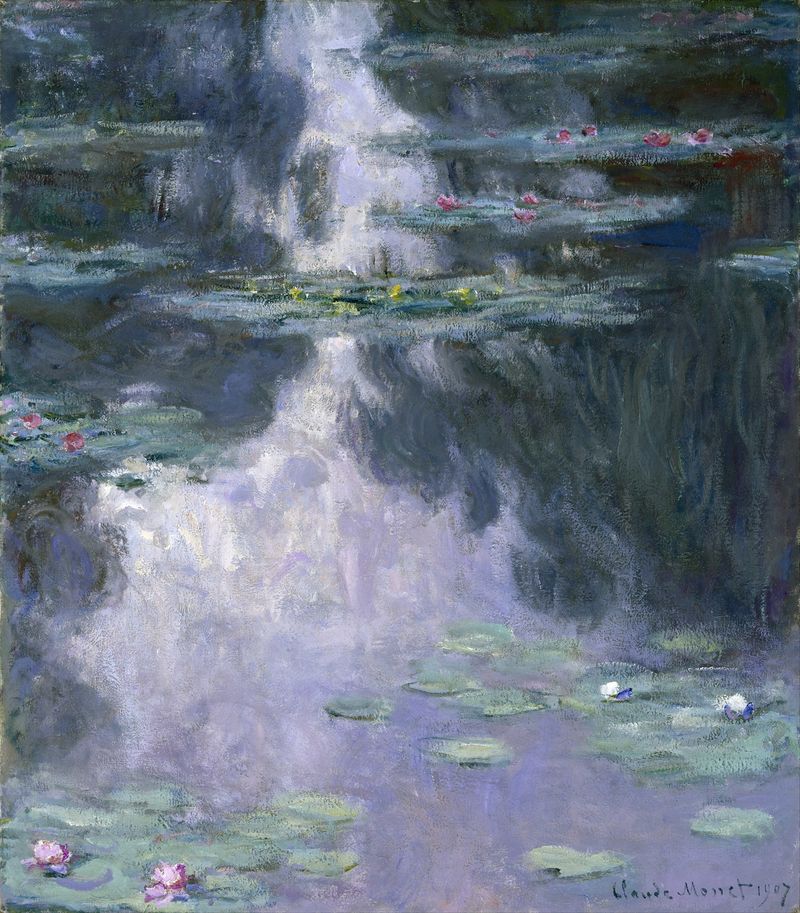
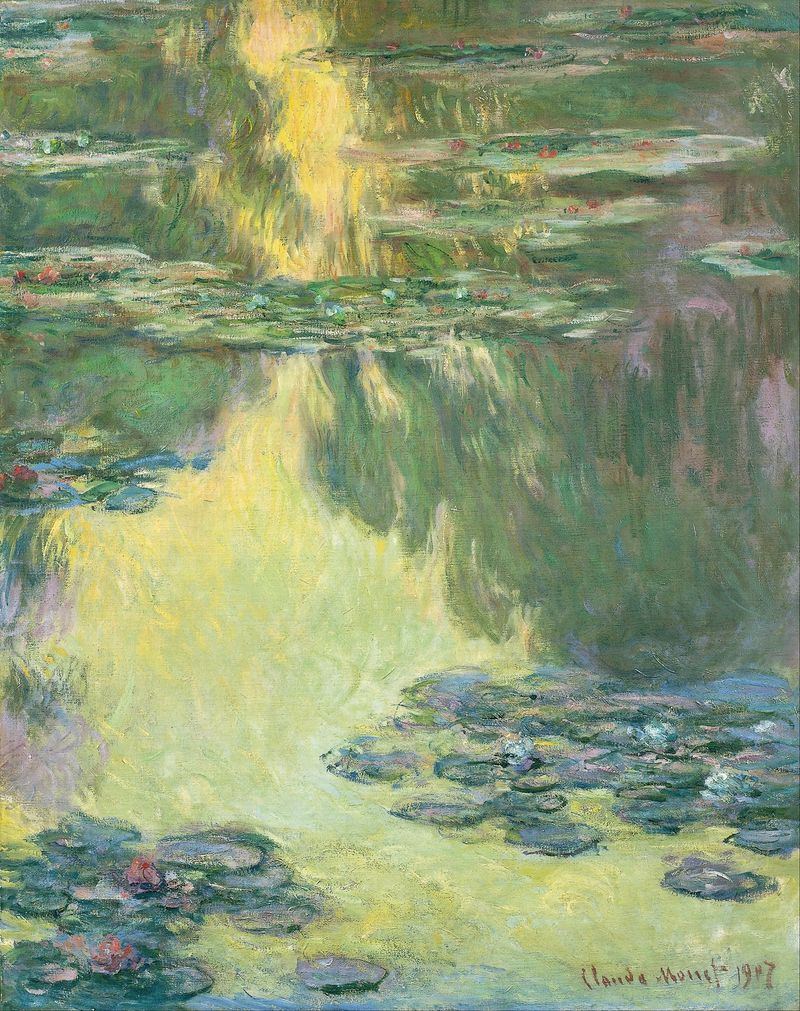
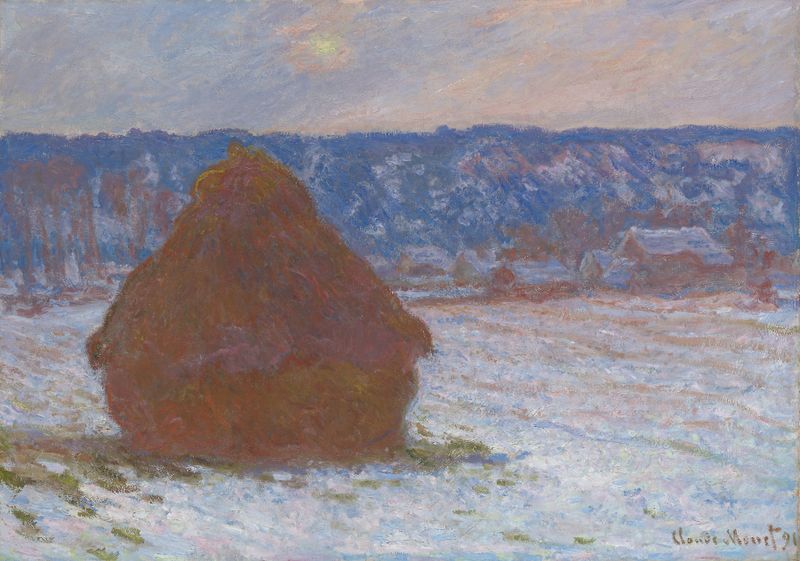
In the stillness of a winter landscape, where the sky meets the snow-covered ground, a revelation lingers in the air. Each brushstroke whispers secrets of isolation, beauty, and the quietude found only in the heart of winter. Gaze first at the vast expanse of white, which dominates the canvas. The gentle gradation of blues and purples in the evening sky invites the eye upward, while the soft textures of the snow create a serene contrast.
Notice how the horizon blurs, allowing the viewer to slip into an infinite embrace of color—a masterful use of light that plays with perception and depth. This composition, both tranquil and haunting, embodies the characteristic spontaneity and fluidity of the artist’s technique. Within this scene lies a tension between warmth and cold, life and desolation. The almost ethereal quality of the light suggests the fleeting nature of time, a reminder of the transitory beauty of winter evenings.
Hidden details, such as the faint outlines of trees and distant hills, evoke a sense of longing—a yearning for connection amid solitude. This layering of emotions speaks to the human experience, capturing moments of reflection in the embrace of nature. During the late 1870s, while residing in France and deeply influenced by the shifting movements of Impressionism, the artist sought to capture the ephemeral effects of light and atmosphere. This period marked a time of transition in Monet’s career, as he navigated both personal challenges and the evolving art world, culminating in works that would define his legacy and transform landscape painting.