
Winter Scene — History & Facts
What if beauty was never meant to be finished? The stark yet delicate hues of winter carry an unresolved story that lingers in the air, inviting us to consider the depths within mere color. Focus on the icy blues and grays that blanket the canvas, setting the mood for a cold day by the water. Look closely at the figures, their muted clothing contrasting sharply with the glistening snow, as they traverse the frozen landscape. The gentle strokes of light breaking through the overcast sky draw the eye towards the horizon, where a sense of tranquility meets isolation.
Each brushstroke breathes life into the stillness, beckoning the viewer to feel the chill and the quiet beauty of winter. Beneath the surface, an uneasy tension emerges: the juxtaposition of the human spirit against nature's vast indifference. The figures, small against the expanse of the wintry scene, evoke a sense of solitude, yet their movement suggests resilience. The palette speaks of hope and desolation, a reminder that beauty exists even in frigid silence; it is a fleeting moment captured in time, forever suspended between the joy of life and the harshness of the elements. In the early 1650s, Jan van de Cappelle found himself deeply immersed in the burgeoning tradition of Dutch winter landscapes.
Based in Amsterdam, he sought to depict the nuances of nature, reflecting both the serenity and the starkness inherent in the season. It was a time when artists like him were beginning to capture not just the physical beauty of their surroundings, but also the emotional resonance that such scenes could evoke in their audience.
More Artworks by Jan van de Cappelle
Browse all →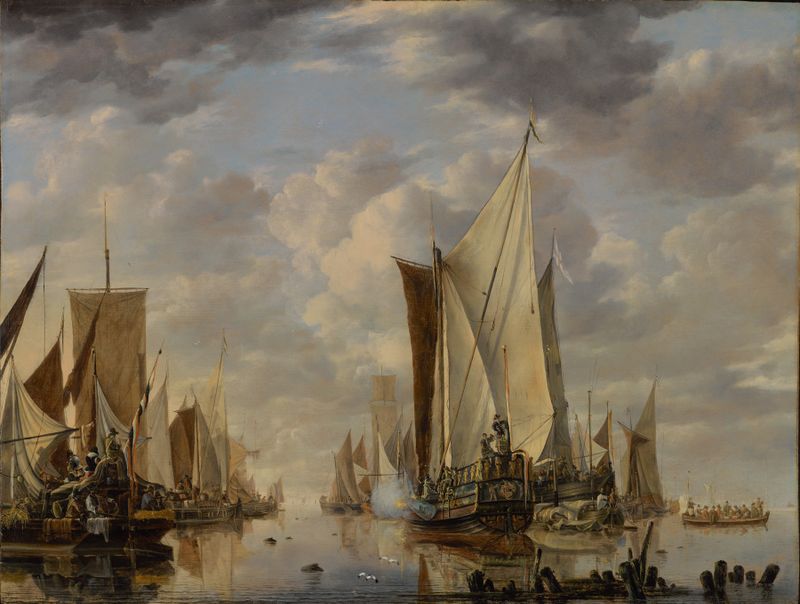
Shipping in a Calm at Flushing with a States General Yacht Firing a Salute
Jan van de Cappelle

Ships in a Calm
Jan van de Cappelle

The Home Fleet Saluting the State Barge
Jan van de Cappelle
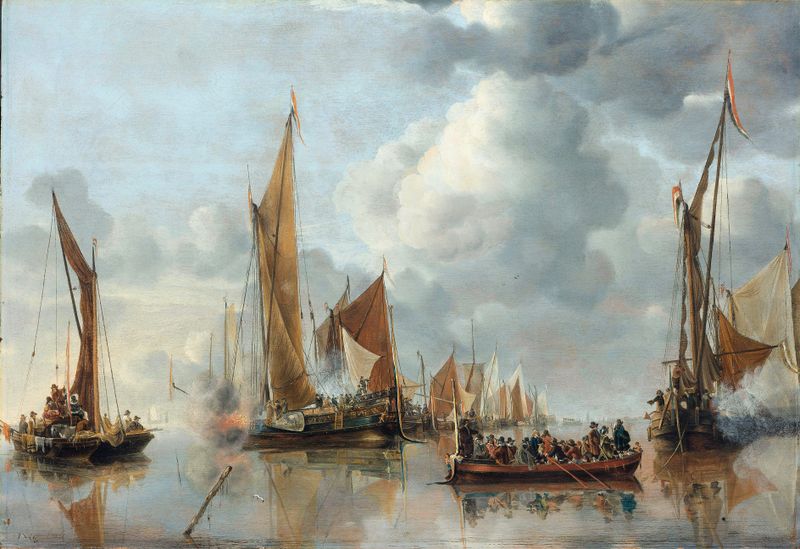
The Home Fleet Saluting the State Barge
Jan van de Cappelle
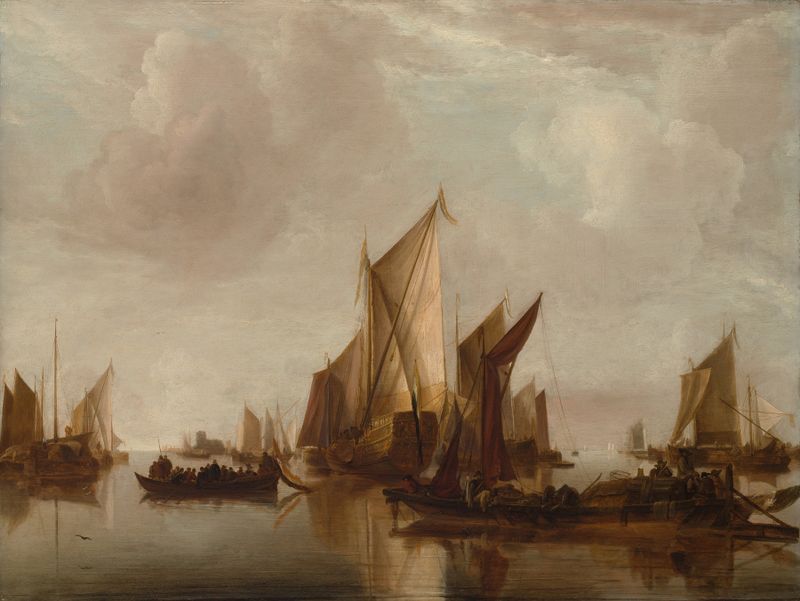
A State Yacht and Other Craft in Calm Water
Jan van de Cappelle
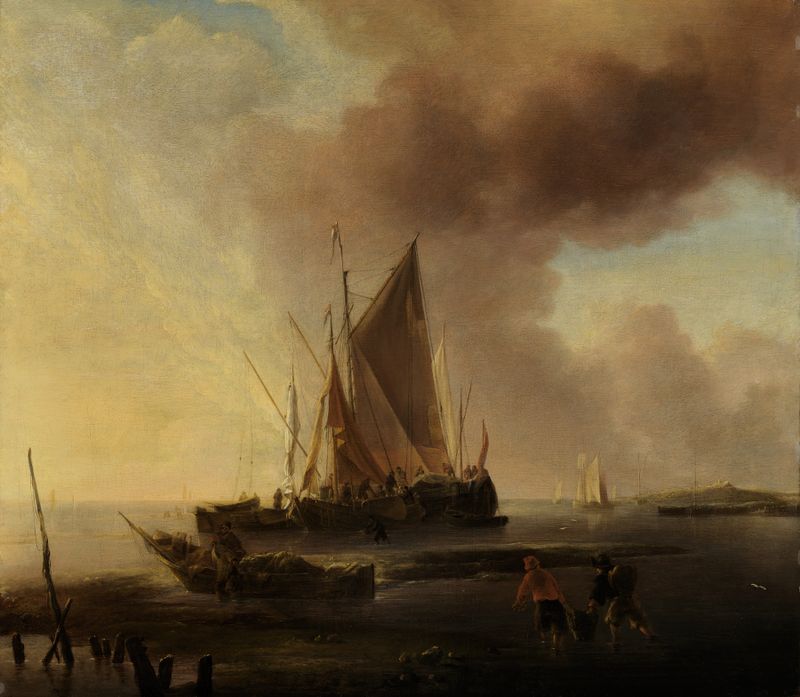
Fischerboote am Strand
Jan van de Cappelle
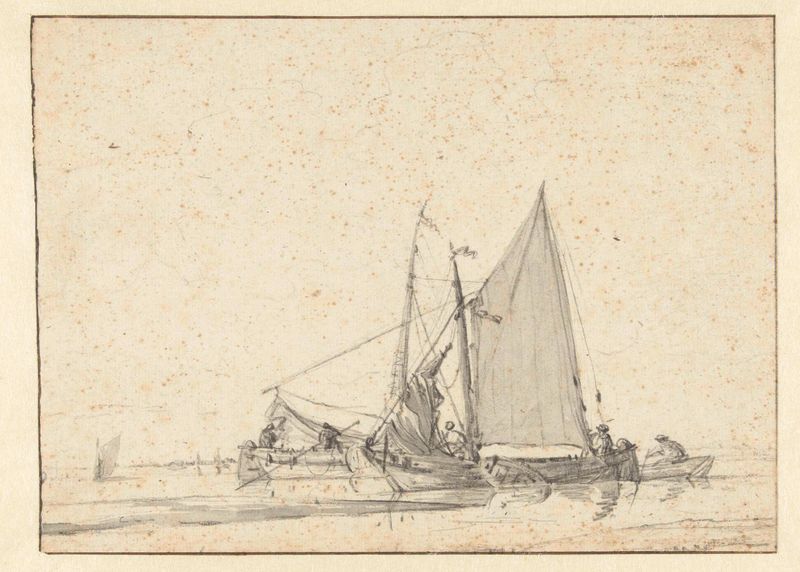
Twee schepen in stil water
Jan van de Cappelle
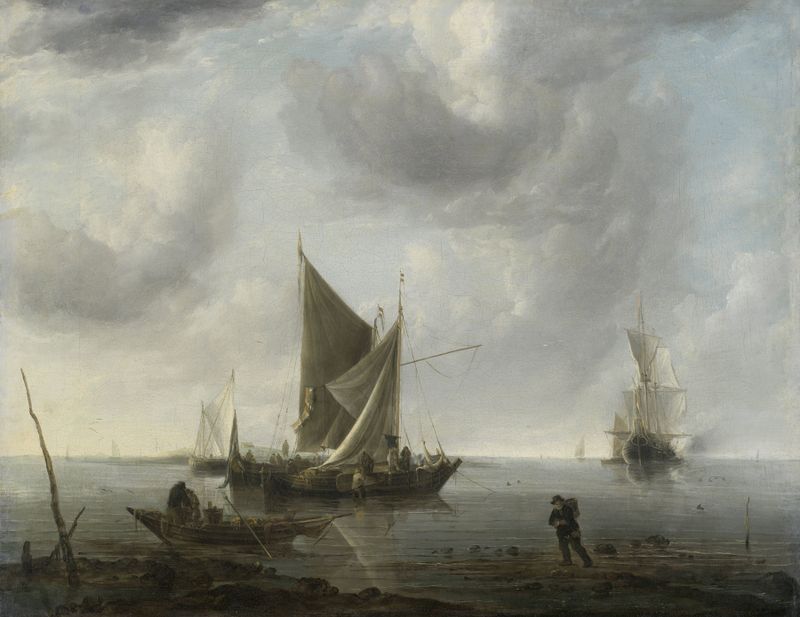
Ships at Anchor on a Quiet Sea
Jan van de Cappelle
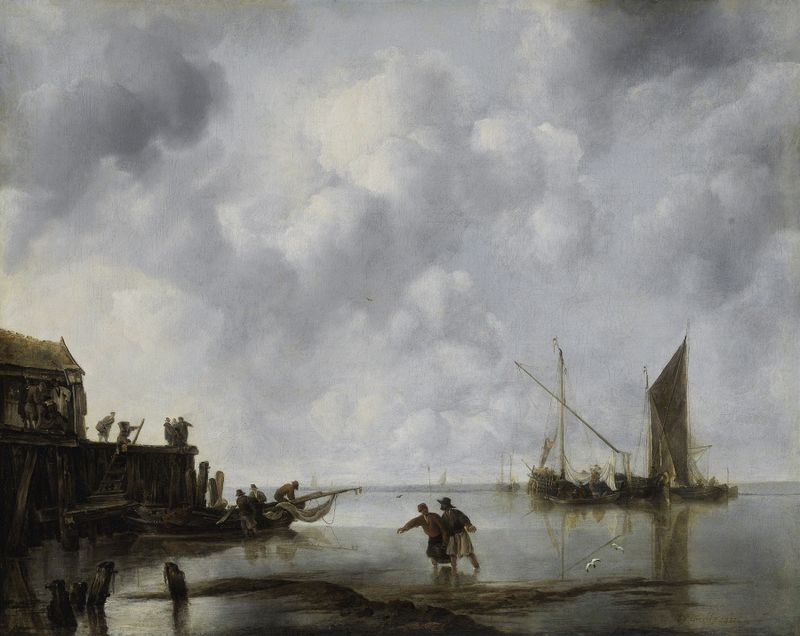
Fishing Boats in a Calm
Jan van de Cappelle

Winter Landscape With A Man Fixing A Sled At The Edge Of A Frozen River
Jan van de Cappelle





