
Winter Scene with the Amsterdam City Gate Heiligewegspoort — History & Facts
What first seizes the eye in this winter vision is not the grand gatehouse itself, but the gathering of life around it: a crowd in motion, their breath almost visible in the cold, some gliding across the frozen canal, others clustered in conversation or bustling across the drawbridge. The painter draws you in with the contrast between the monumental calm of the Heiligewegspoort and the lively, everyday drama unfolding at its feet. The gate, with its classical lines and snow-capped roof, stands sentinel at the city’s edge, while the low winter sun brushes the scene with a golden haze, setting off the dark silhouettes of coats and hats against the pale ice and sky.
Every figure seems to have a purpose—skaters testing the ice, a child tumbling, a dog darting ahead—each gesture a note in the winter’s chorus. This is a scene born of the Dutch Golden Age, when artists like those in the Beerstraten family found endless inspiration in city views and the changing seasons. In the 1660s, Amsterdam was a city of gates and bridges, its prosperity mirrored in the careful rendering of architecture and the busy life of its citizens. Such paintings were prized by the urban elite, eager to celebrate their orderly, thriving world and the pleasures of winter pastimes.
The work now belongs to the National Trust collection, its precise authorship still a matter of scholarly debate—history has kept few traces of whether it was Abraham or Anthonie Beerstraten who stood at this icy threshold. Yet the painting’s appeal endures: each time you look, you find another story skating across the ice.
More Artworks by Abraham Beerstraaten
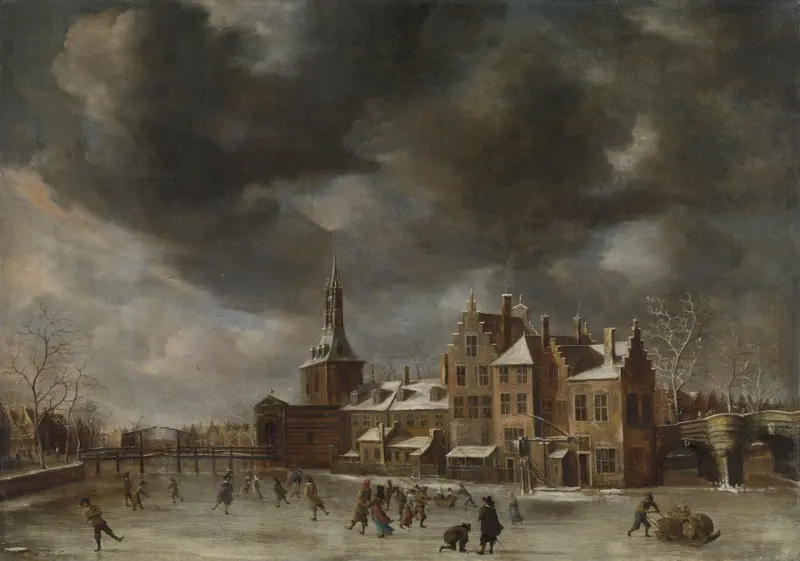
The Blauwpoort in Leiden in the Winter
Abraham Beerstraaten
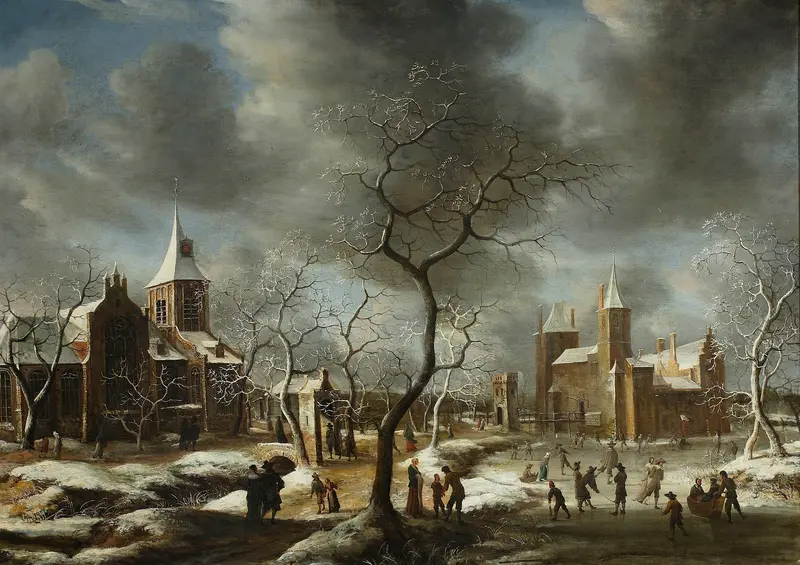
Landscape with ice-skaters
Abraham Beerstraaten
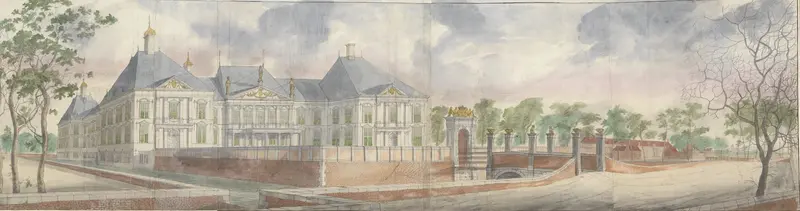
Het Huis te Honselaersdijk en omgeving, over het voorplein te zien
Abraham Beerstraaten
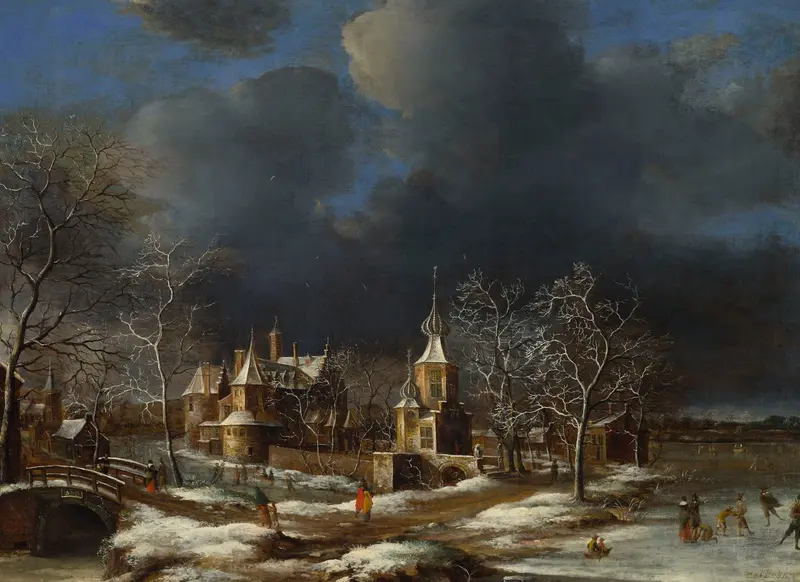
Poelgeest Castle at Koudekerk
Abraham Beerstraaten
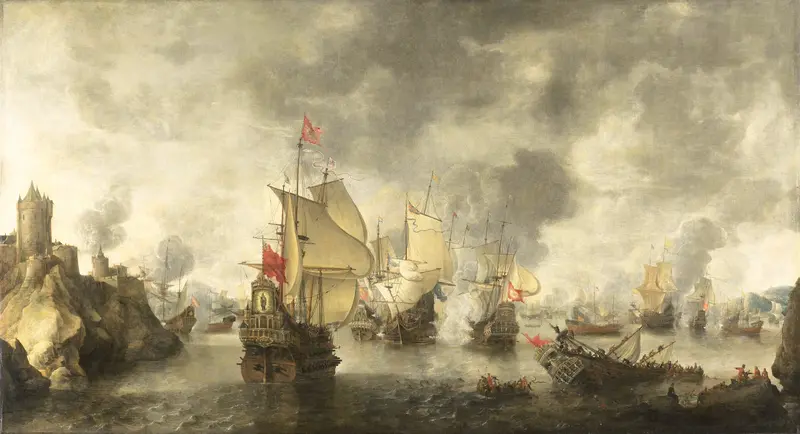
Battle of the Combined Venetian and Dutch Fleets against the Turks in the Bay of Foya, 1649
Abraham Beerstraaten
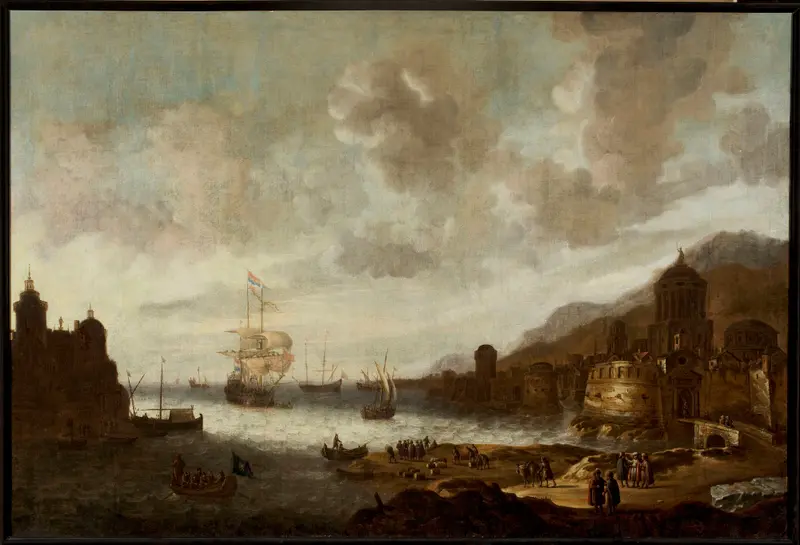
Dutch ship in an exotic port
Abraham Beerstraaten
Battle of the combined Venetian and Dutch fleets against the Turks in the Bay of Foya
Abraham Beerstraaten
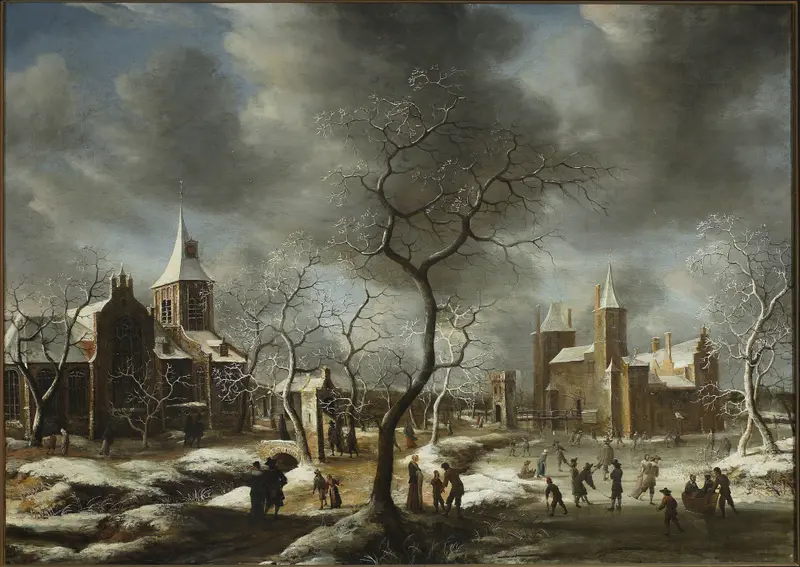
Winter landscape with skaters.
Abraham Beerstraaten
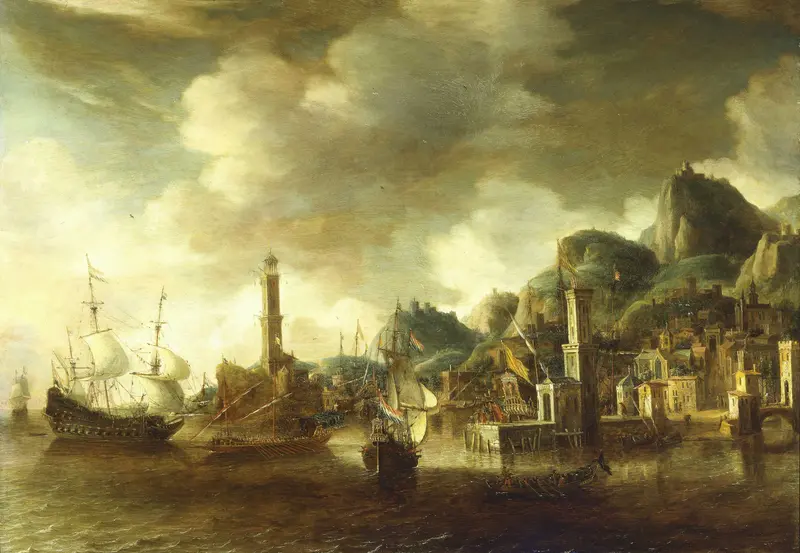
A Dutch Flagship and a Fluyt Running into a Mediterranean Harbour
Abraham Beerstraaten
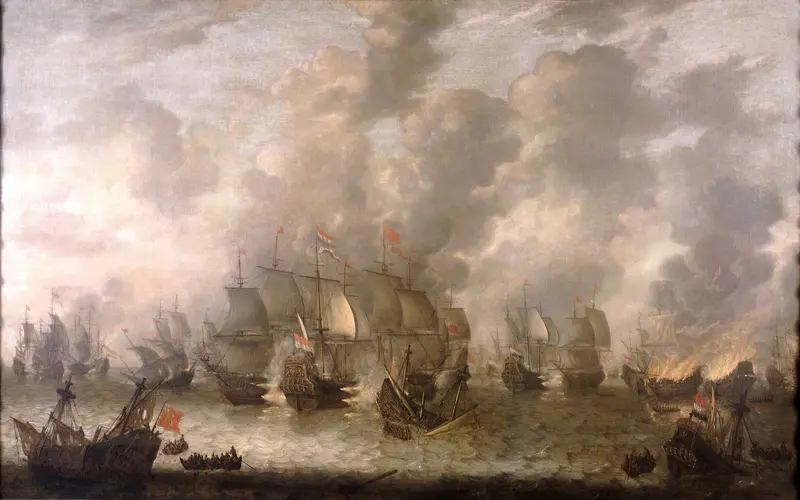
The Battle of Scheveningen, 31 July
Abraham Beerstraaten
More Landscape Art

The Starry Night
Vincent van Gogh

View of Delft
Johannes Vermeer

Water Lilies
Claude Monet

The Grand Canal, Venice, looking north-west from the Ca' Corner to the Ca' Contarini degli Scrigni, with the campanile of Santa Maria della Carità
Canaletto

Windsor Castle
Canaletto

The Grand Canal looking North-East from the Palazzo Dolfin-Manin to the Rialto Bridge
Canaletto