Wintergezicht — History & Facts
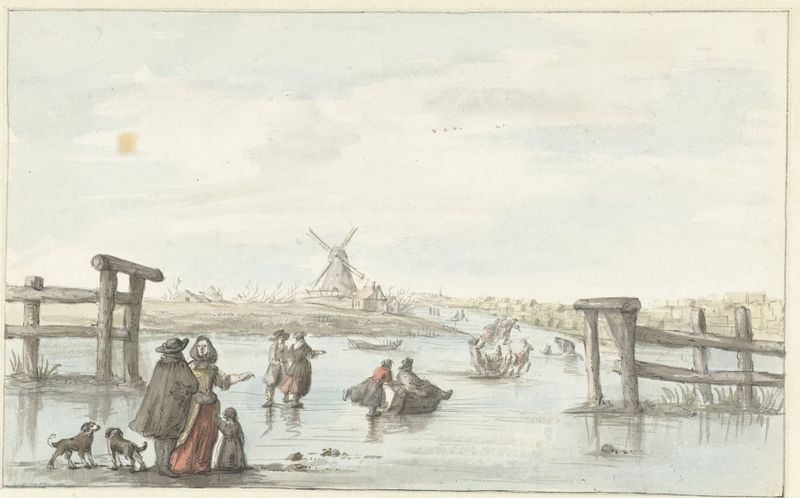
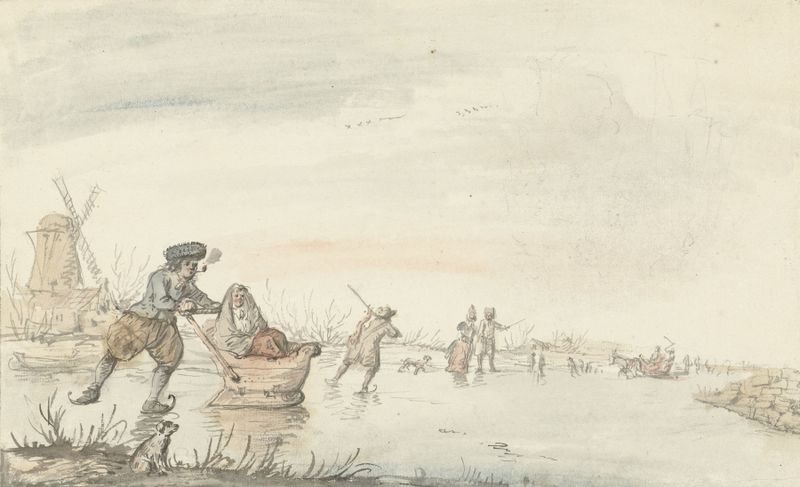
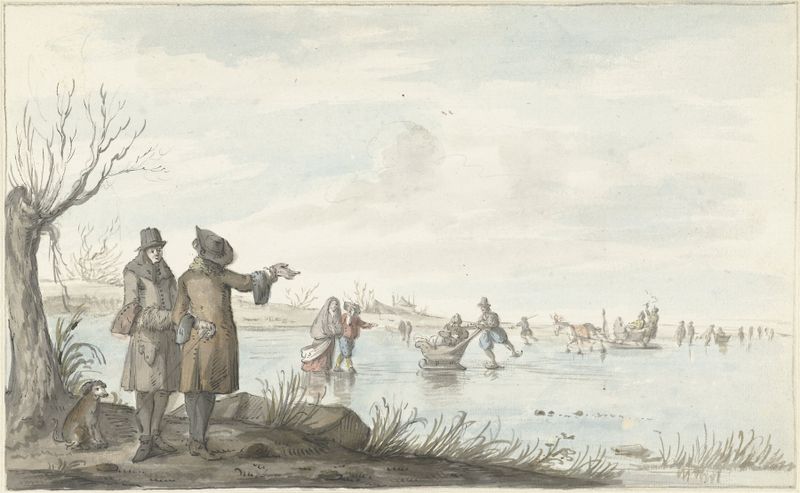
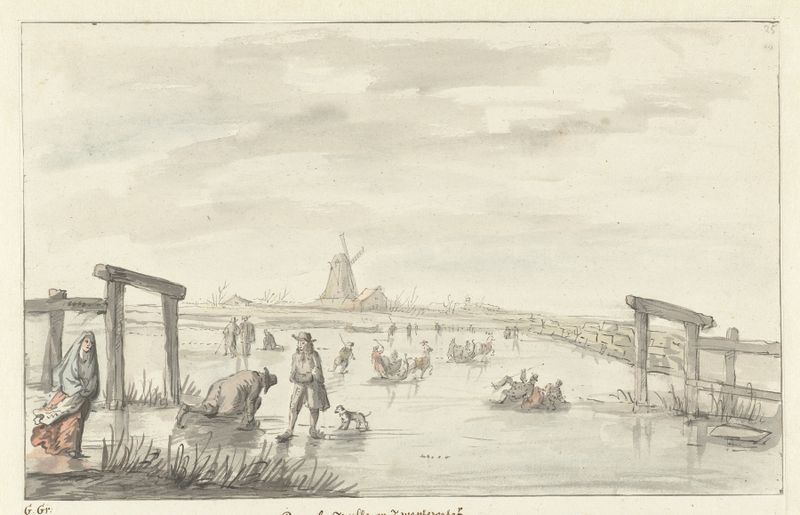
When did color learn to lie? In the frozen grasp of winter, shades of white, grey, and muted blues evoke a profound emptiness that leaves the viewer questioning what lies beneath the surface. Look to the center of the composition, where a solitary figure trudges through a snow-laden landscape. The artist's delicate brushwork captures the intricate patterns of snowflakes swirling in the air, while the soft light plays across the terrain, creating an ethereal glow that feels both haunting and serene. Notice how the muted palette invites contemplation, with the desolate trees standing like silent sentinels against the chill of the season. Beneath its tranquil facade, the painting reveals an emotional tension between isolation and resilience.
The lone figure, dwarfed by the vastness of the winter scene, embodies a deep sense of solitude, while the sweeping horizon suggests both the infinite possibilities and the stark reality of nature. The interaction between the cold colors and the subtle warmth of the figure's clothing hints at the human spirit's struggle against despair, challenging us to find meaning in our own moments of emptiness. During the years 1661 to 1693, while immersing himself in the Dutch Golden Age, the artist captured this poignant vision of winter. This period was marked by a burgeoning appreciation for landscapes, as artists sought to reflect the beauty and harshness of their environment.
Grasdorp, with his keen eye for detail and atmosphere, contributed to this movement, framing the interplay of human experience and nature in a way that resonates through the ages.