Wisterias in bloom — History & Facts
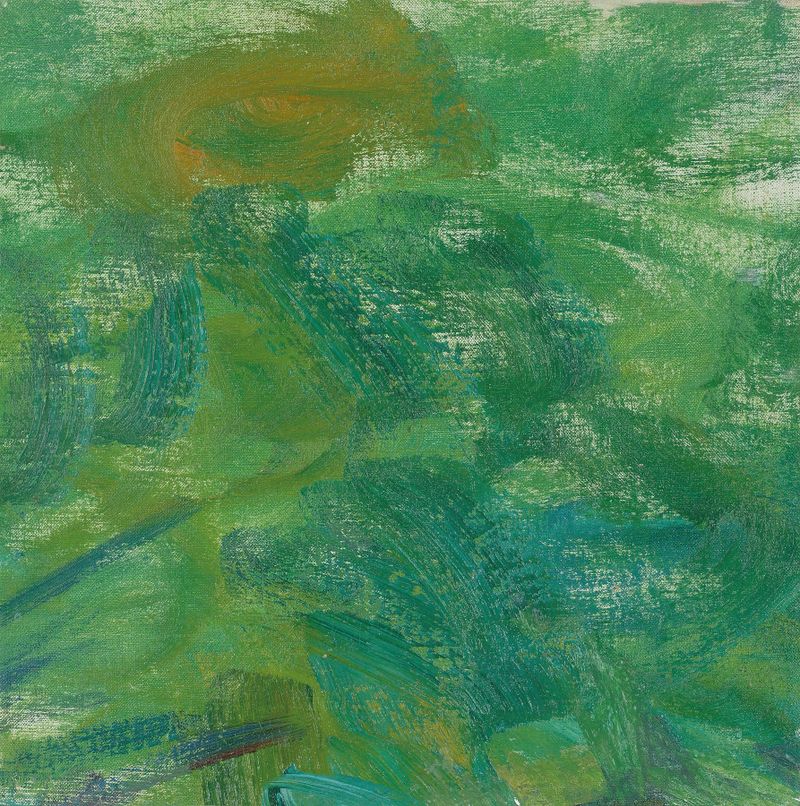
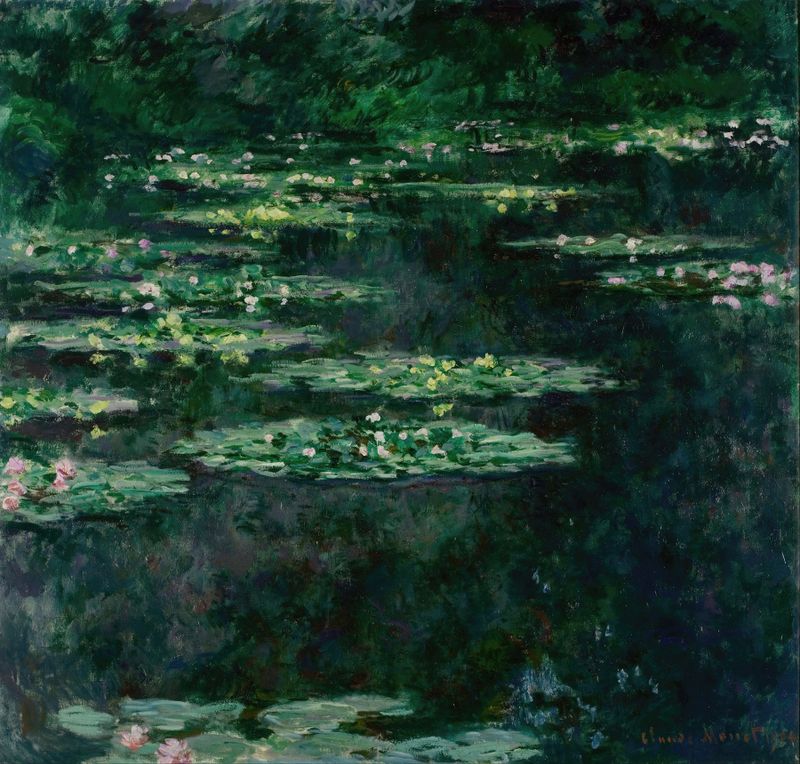
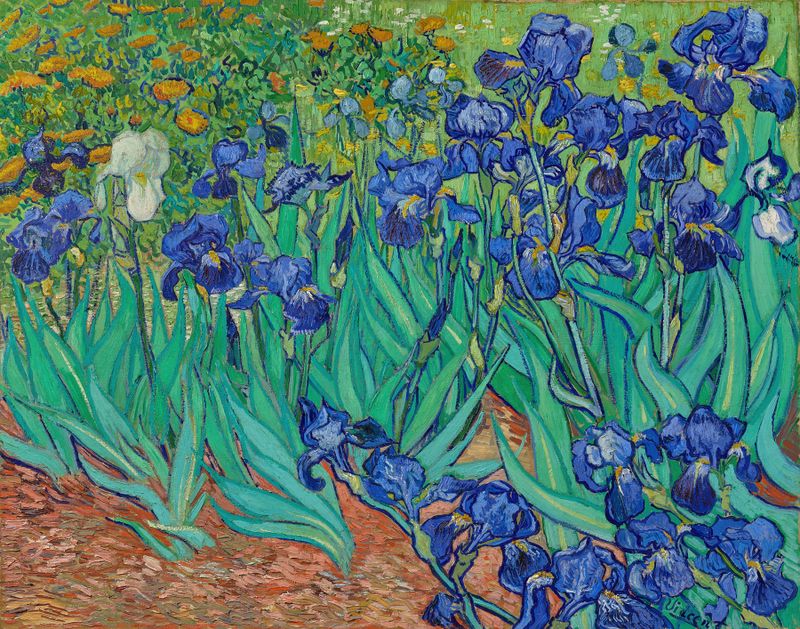
Can beauty exist without sorrow? In Wisterias in Bloom, the delicate cascade of blossoms invites us to ponder the ephemeral nature of joy, all while cloaked in the shadows of inevitable loss. Focus first on the intricate interplay of light and shadow that defines the scene. Notice how the soft violet petals of the wisteria seem to float, illuminated by gentle sunlight, while darker tones linger beneath, creating a sense of depth and mystery. The vibrant purples dance against the muted greens of the leaves, drawing your eye across the canvas.
The artist’s brushwork, both fluid and precise, captures the elegance of the flowers, as if they might sway in a gentle breeze, inviting touch while maintaining an elusive quality. Yet beneath this beauty lies a tension—each flower, resplendent in its bloom, hints at the transience of life. The shadows that cradle the petals suggest a longing, a reminder that every moment of beauty is accompanied by the weight of time. The contrast between light and dark serves as a metaphor for joy and sorrow intertwined, revealing the bittersweet nature of existence.
This duality compels viewers to reflect on their own experiences with beauty and the fleeting moments that define their lives. In 1911, Edward Okuń was living in Poland amidst a vibrant art scene influenced by both Impressionism and Symbolism. His work often explored themes of nature and emotion, reflecting the significant changes in European society at the time. This painting showcases his unique ability to blend the poetic with the tangible, making Wisterias in Bloom a poignant representation of the beauty and complexity of life.