
Wladyslaw Bialy w Dijon — History & Facts
When Jan Matejko unveiled Wladyslaw Bialy w Dijon in 1867, it was more than just a painting—it was a pointed reminder of Polish resilience during a time when the nation had vanished from the map. The work draws from a moment in the early 14th century, when Władysław the White, a legitimate heir to the Polish throne, found himself in exile in Dijon, France, after his failed attempts to reclaim his birthright. In the wake of Poland’s partitions, Matejko’s choice of subject was a call to memory and pride for a people deprived of their statehood. The painting captures Władysław at the very instant of his deepest isolation: a prince in foreign robes, surrounded by the stony calm of a Burgundian interior, his face lit by a shaft of cold daylight that falls across a letter—perhaps news from his homeland, or a summons he cannot answer.
The chain at his neck, a mark of his noble lineage, contrasts with the shadow that creeps along the floor, hinting at the weight of loss and exile. Matejko’s meticulous rendering of fabrics and heraldic emblems roots the scene in historical specificity, yet the prince’s downcast gaze and clenched hand speak of universal longing. Unlike the heroic depictions of exiles by Delacroix, Matejko dwells on the quiet ache of defeat, not the heat of battle. The medium of Wladyslaw Bialy w Dijon remains uncertain, as does much of its early provenance—a not uncommon fate for Matejko’s lesser-known works.
What is clear is that the painting belongs to a period when the artist was forging his reputation as the chronicler of Polish history, just before his celebrated Stańczyk and Battle of Grunwald. Today, the painting is held in a Polish collection, rarely seen outside specialist exhibitions, and stands as a testament to Matejko’s commitment to national memory through art. Its journey may be obscure, but its message endures: the persistence of identity, even in exile.
More Artworks by Jan Matejko
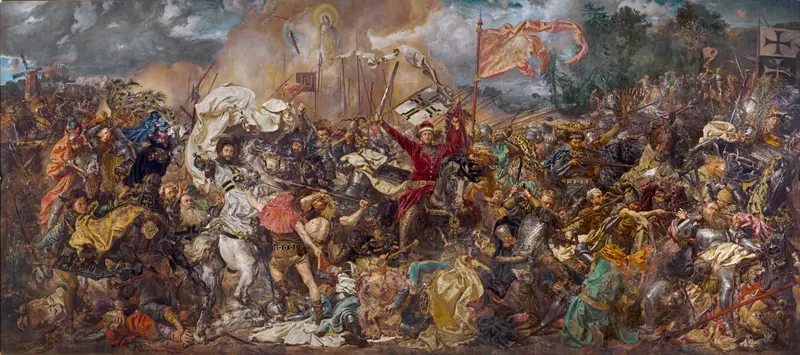
Battle of Grunwald
Jan Matejko

Stańczyk
Jan Matejko

Battle of Raclawice
Jan Matejko
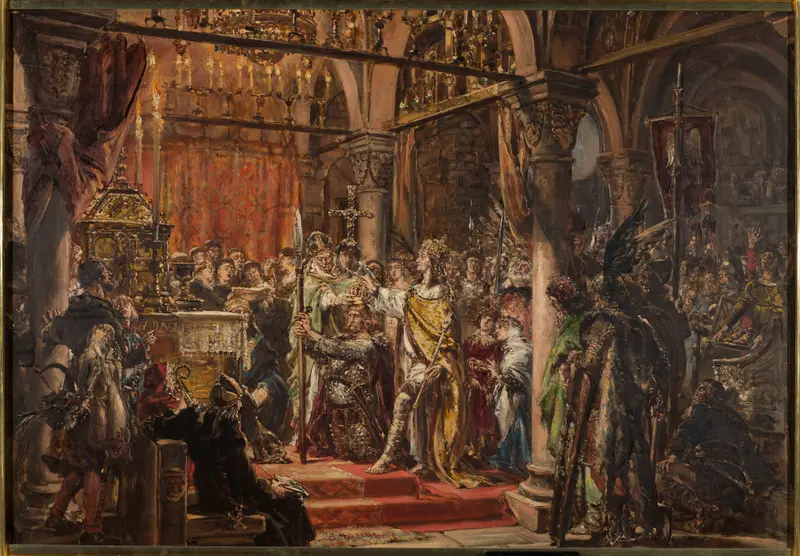
Coronation of the First King, 1001 AD, from the series “History of Civilization in Poland”
Jan Matejko
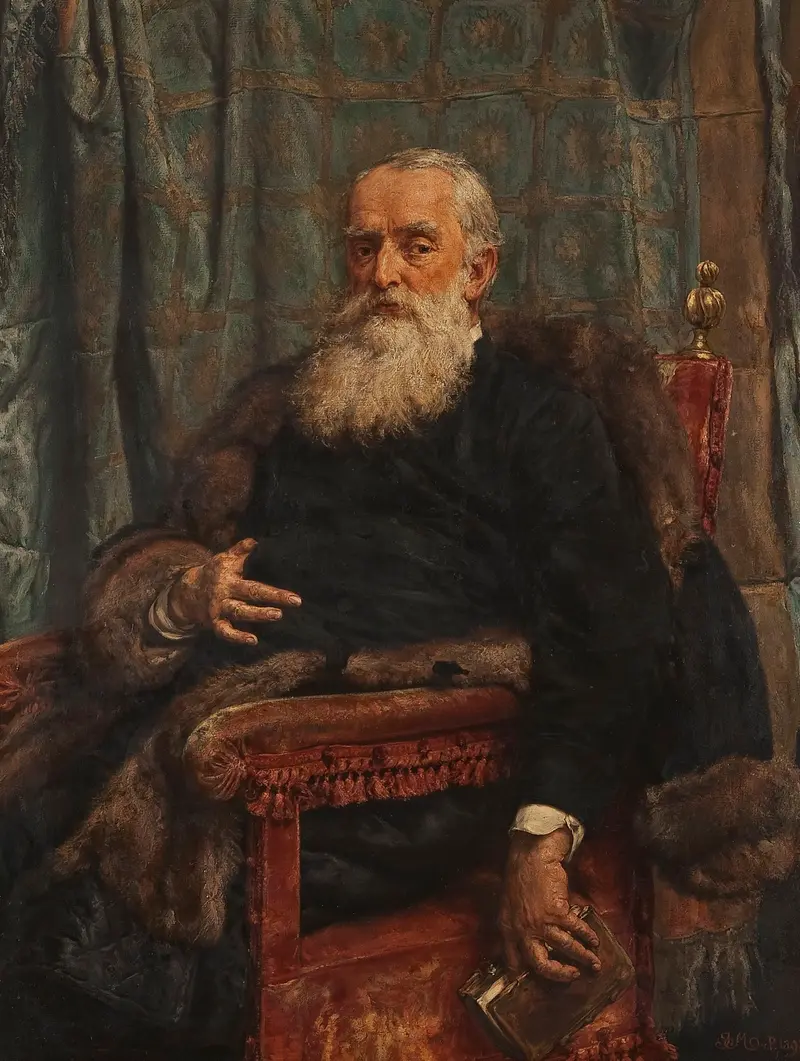
Portrait of Henryk Krajewski
Jan Matejko
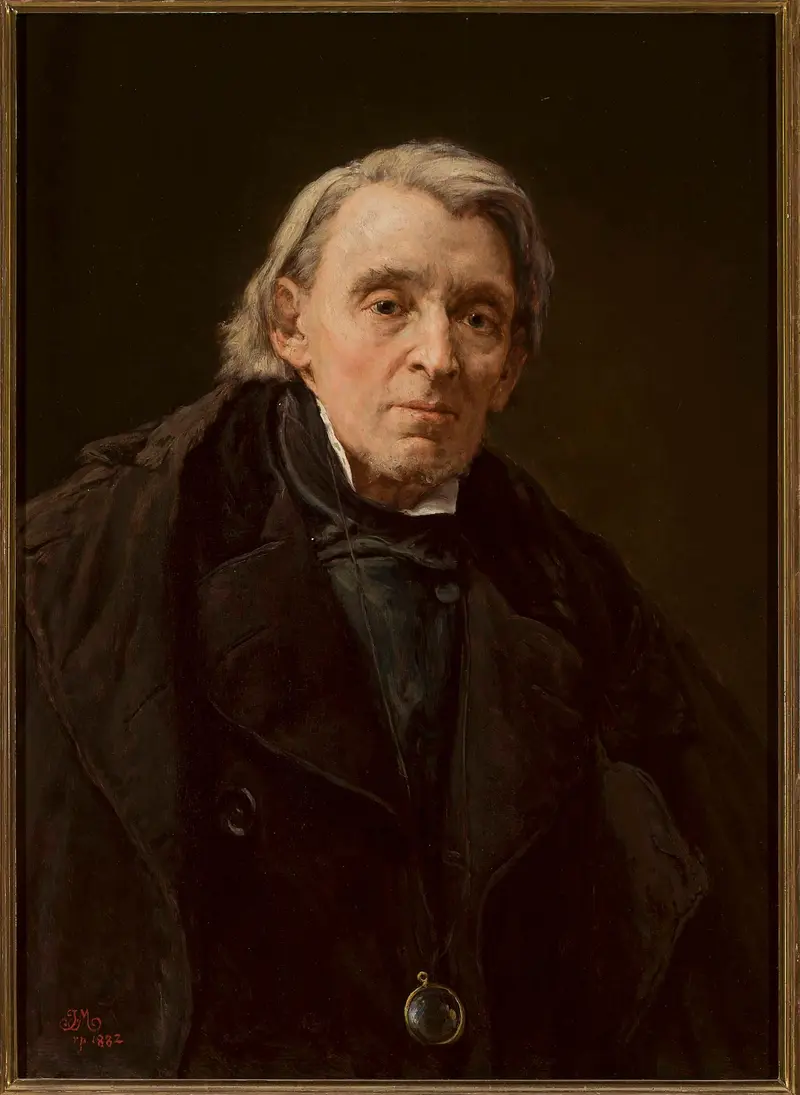
Portrait of Karol Podlewski
Jan Matejko
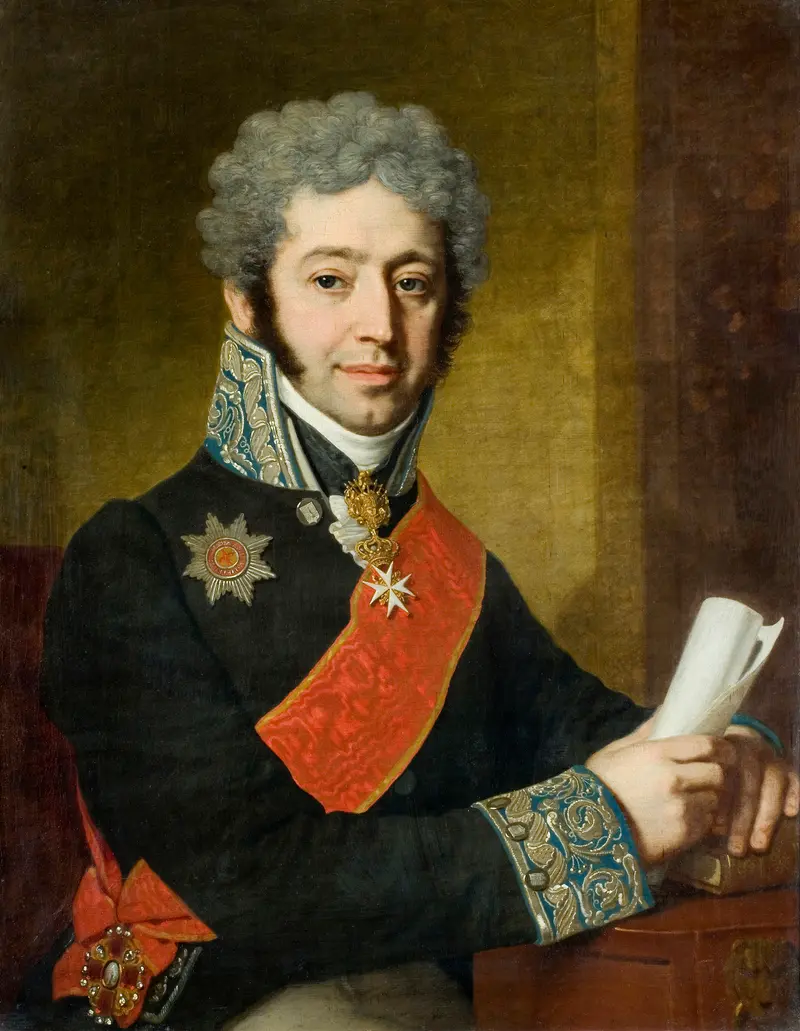
Portrait of Potocki and Poninski
Jan Matejko
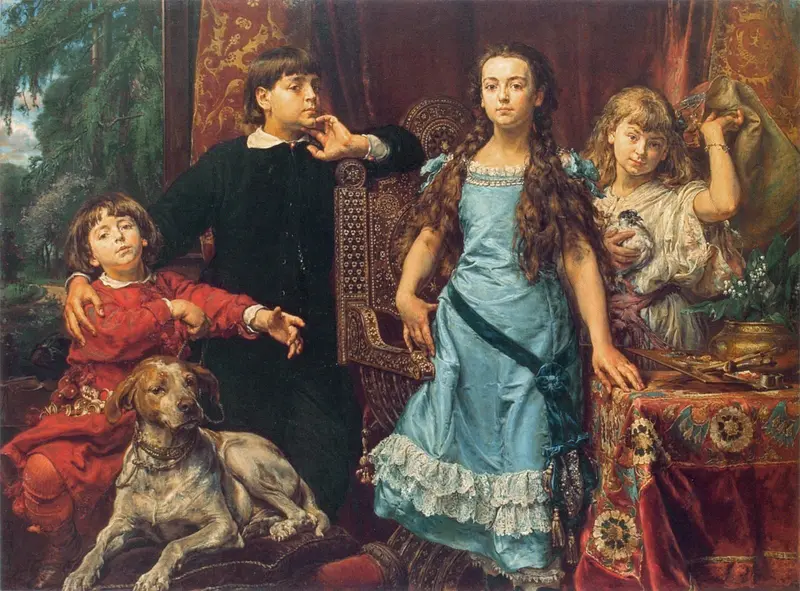
Portrait of the artist's four children
Jan Matejko
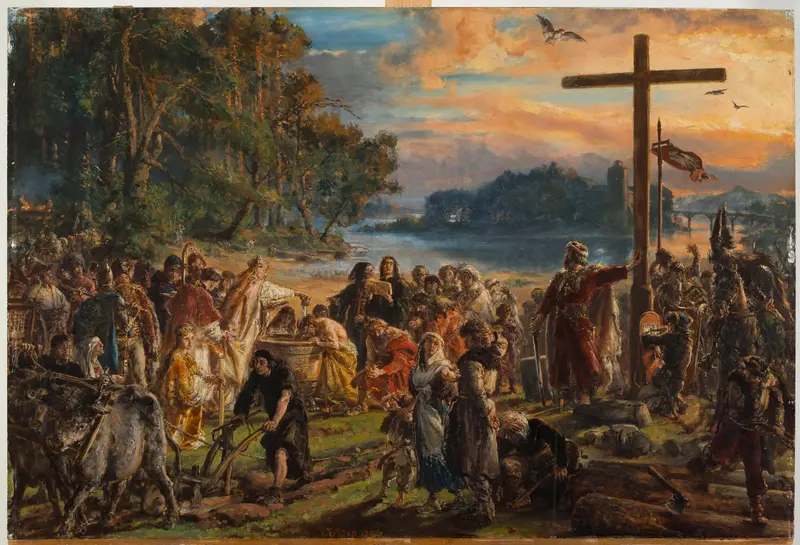
Introduction of Christianity in Poland
Jan Matejko
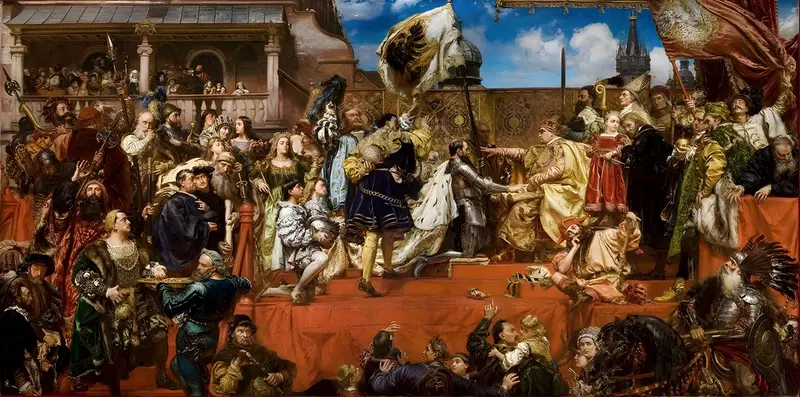
Prussian Homage
Jan Matejko





