
Women in a Chariot (after a fresco from the Palace of Tiryns) — History & Facts
Could a single brushstroke hold eternity? In the delicate sweep of color and form, the weight of history and loss rests gently, whispering of lives once lived. Look closely at the graceful forms of the women depicted, their figures intertwined within the chariot. Notice the muted palette of ochres and earth tones that evoke a sense of ancient warmth, contrasting with the sharp outlines defining their silhouettes. The artist has captured their flowing garments, each fold suggesting movement, as if they are in a moment of shared laughter or whispered secrets.
Focus on the intricate details of their expressions; a subtle blend of joy and melancholy that transcends time, inviting the viewer to pause and reflect. Within this artwork lies an emotional tension between celebration and absence. The chariot, a symbol of journey and passage, resonates with the idea of transition, while the women's expressions speak to the fleeting nature of joy. Each glance shared among them hints at deeper connections, perhaps friendships or kinships lost to the sands of time.
This juxtaposition of vibrancy and stillness mirrors the duality of life itself — the beauty of moments cherished, overshadowed by the inevitable loss that each journey entails. Created between the 19th and 20th centuries, this piece emerges from a period of growing interest in classical themes within modern contexts. The unidentified artist was likely influenced by a resurgence in archaeological discoveries and a longing to connect with the past, a time when myth and history intertwined. This painting, echoing the frescoes of ancient civilizations, serves as a poignant reminder of the impermanence of life and the enduring nature of art.
More Artworks by Unidentified artist
Browse all →
Self-portrait with a Bandaged Ear and Pipe
Unidentified artist

Feast in the House of Levi
Unidentified artist
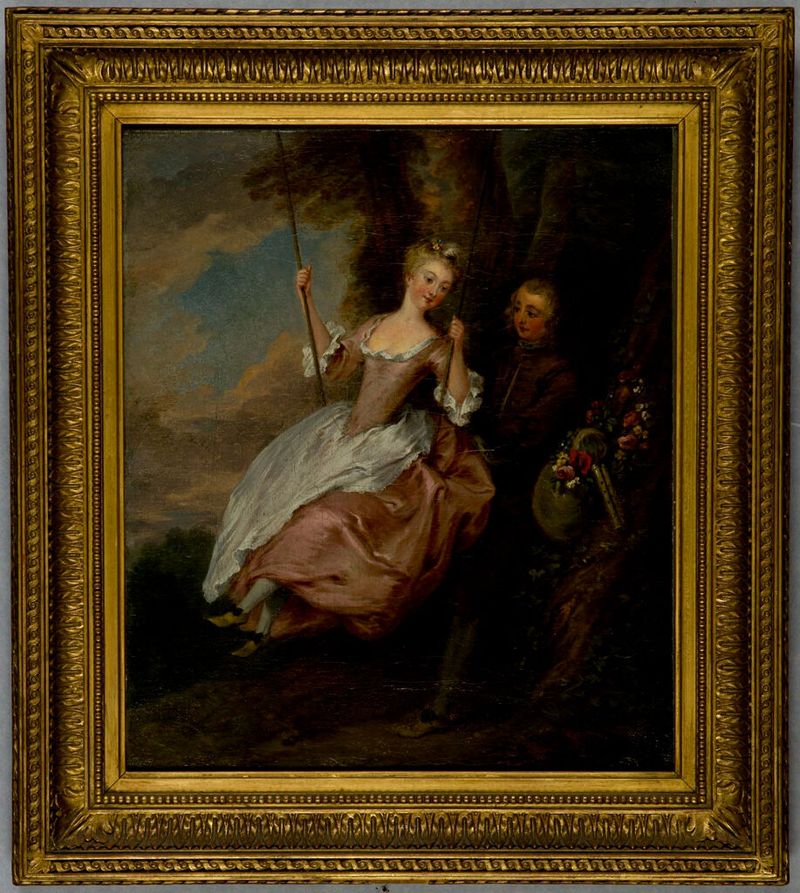
The Swing
Unidentified artist

Geoffrey Chaucer (1340?-1400)
Unidentified artist

Portrait of Michelangelo after the "Strozzi" original in the Uffizi Gallery
Unidentified artist
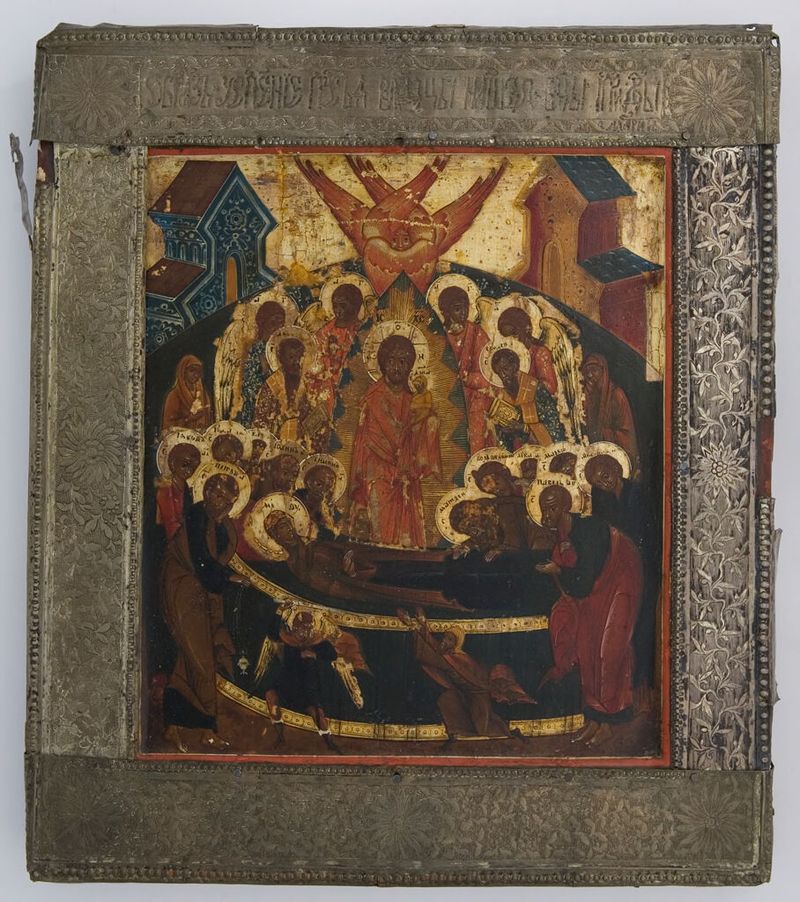
Dormition of the Virgin
Unidentified artist

Charles I (after a van Dyck painting in the Staatliche Museen, Gemaldegalerie, Dresden)
Unidentified artist

Madonna and Child
Unidentified artist

John Winthrop, the Younger (1606-1676)
Unidentified artist

Crucifix with the Virgin and Saint John the Evangelist, Christ the Redeemer, and a Praying Woman
Unidentified artist





