
Wonderbaarlijke vermenigvuldiging van broden en vis — History & Facts
The resplendence of Wonderbaarlijke vermenigvuldiging van broden en vis unfolds like a parable—a rich tapestry woven from both abundance and longing. In its intricate details lies a silent weight, echoing through centuries, reminding us that sorrow often lingers beneath the surface of delight. Look to the center of the composition, where a calm figure, likely Christ, gestures with an almost ethereal grace. His hands extend towards the crowd, radiating warmth as he blesses the loaves and fish that appear almost luminescent against the deep, muted backdrop.
Notice how the interplay of light reveals the textures of the bread—the rough crust and soft interior—contrasting with the shimmering scales of the fish. The artist employs a palette of rich earth tones that ground the scene while also hinting at the divine light surrounding the central figure, inviting viewers into an intimate moment of miracle and awe. As you delve deeper, consider the faces that surround this moment of divine provision. Each expression captures a unique reaction—wonder, skepticism, and perhaps even grief for what remains unspoken in their lives.
The abundance of bread and fish becomes a metaphor for hope, contrasting with the emotional undercurrents of doubt and desperation. The composition serves not only to illustrate a biblical miracle but also to reflect the human condition—where joy and sorrow coexist in a delicate balance. Created in 1503, during a time when the artist was likely experiencing the burgeoning dynamics of the Northern Renaissance, this piece reflects the cultural shift towards individualism and the exploration of emotion in art. The Master of Delft encapsulated not just a biblical narrative but also a profound commentary on the human experience, a testament to the complexities of life during an era steeped in both faith and uncertainty.
More Artworks by Master of Delft
Browse all →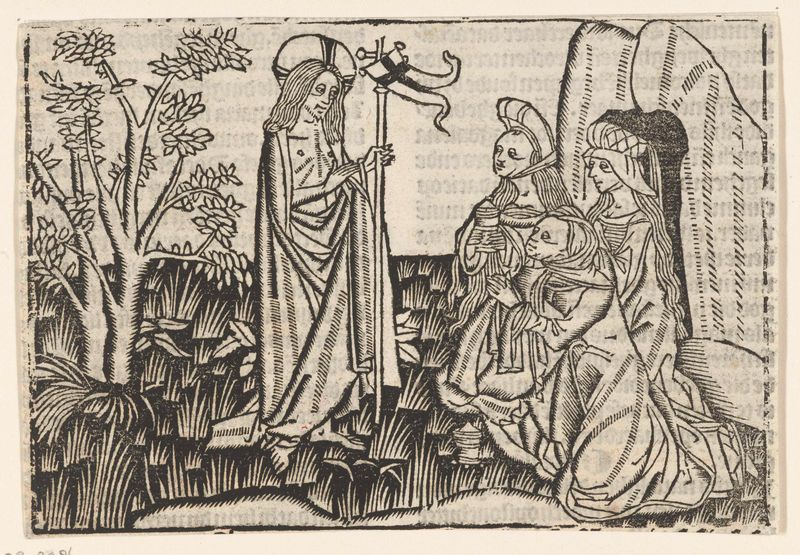
Christus verschijnt aan de drie Maria's
Master of Delft
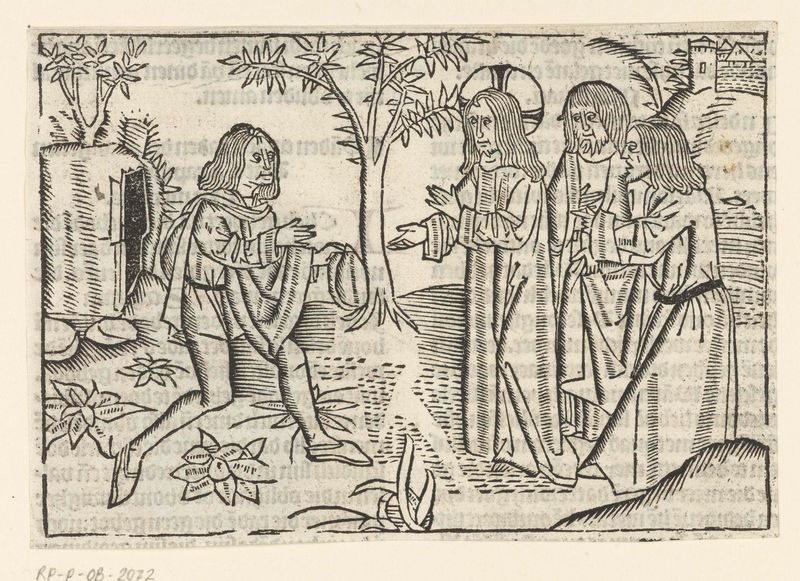
Christus en de rijke jongeling
Master of Delft
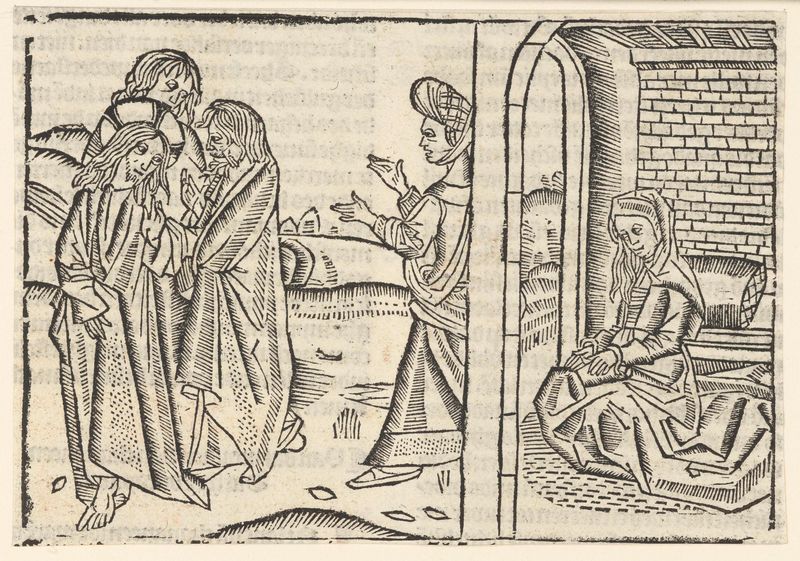
Christus en de Kanaänitische vrouw
Master of Delft
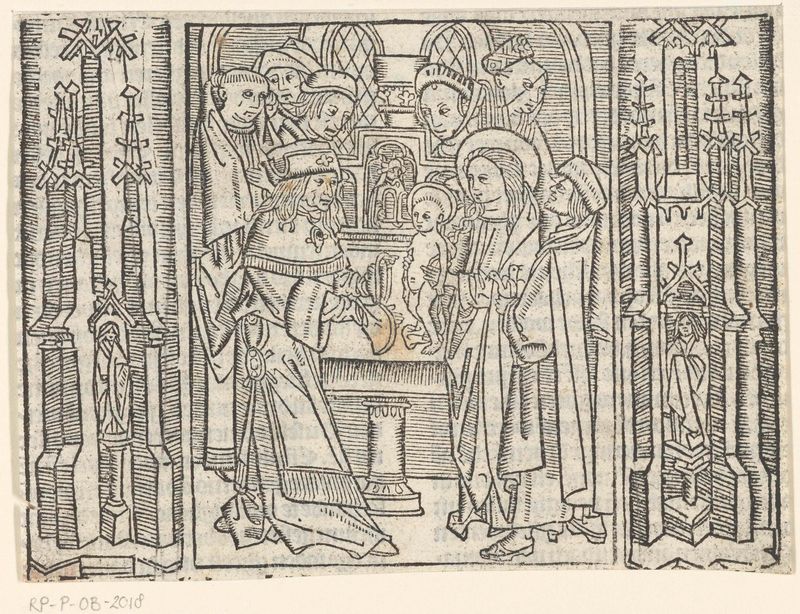
Presentatie van Christus in de tempel
Master of Delft
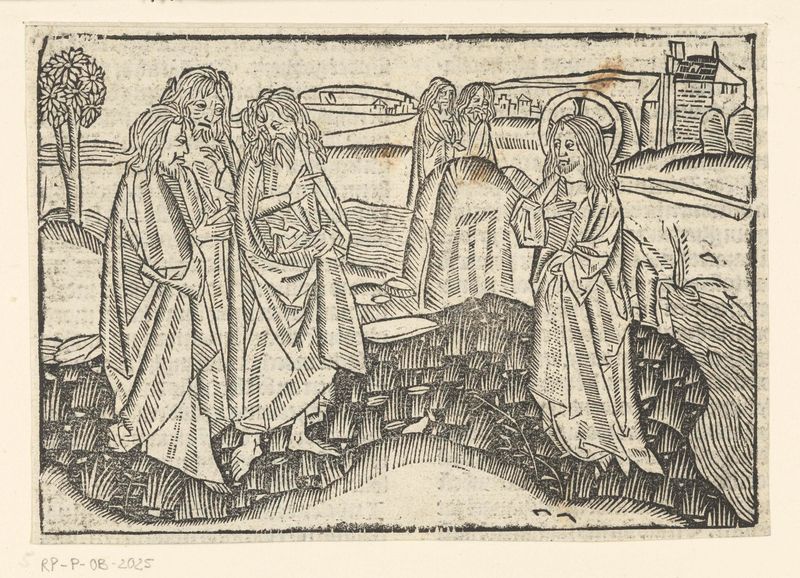
Christus kiest zijn eerste discipelen
Master of Delft
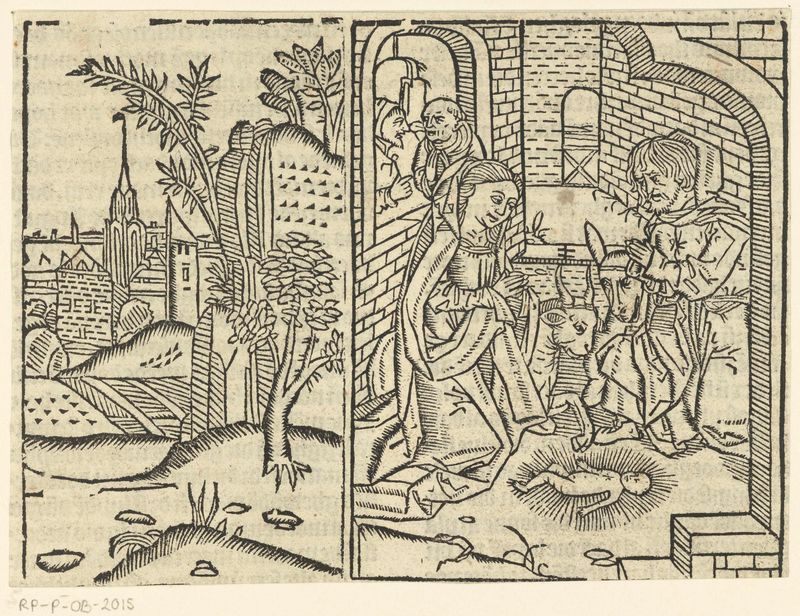
Geboorte van Christus
Master of Delft
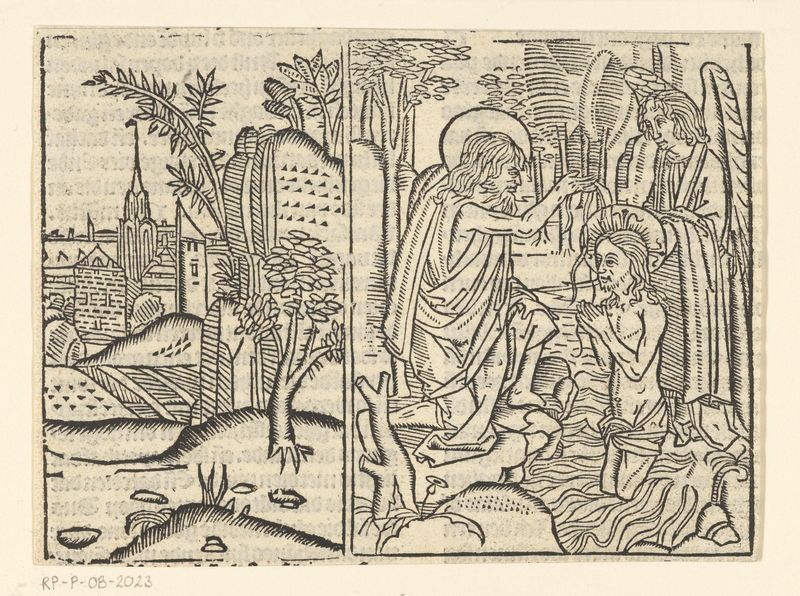
De doop van Christus in de Jordaan
Master of Delft
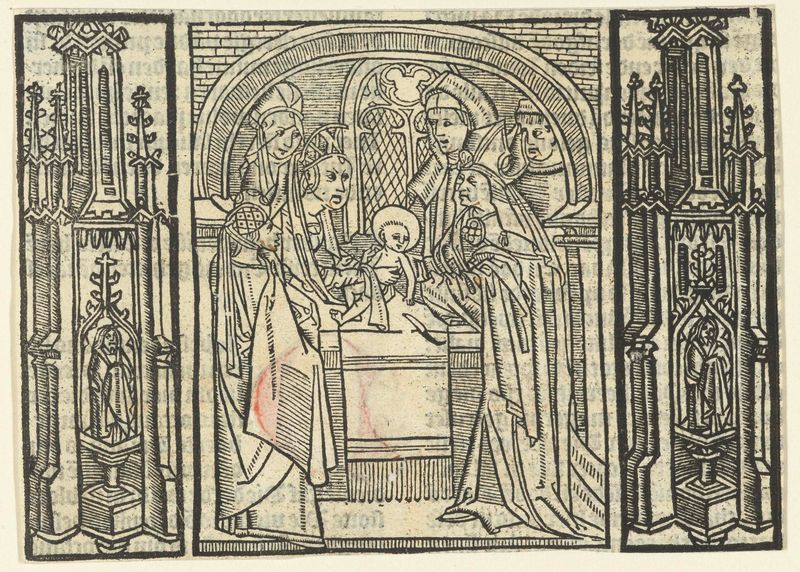
Besnijdenis van Christus
Master of Delft
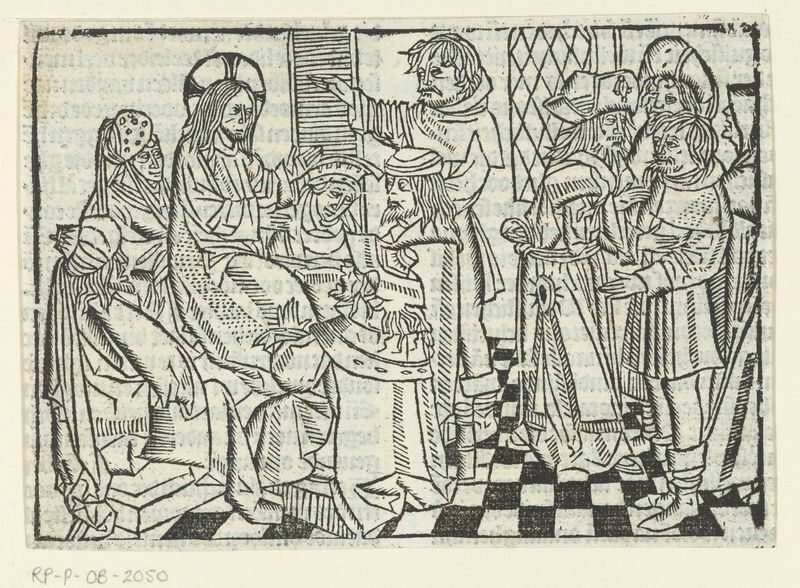
Christus geneest de man met een verdorde hand
Master of Delft
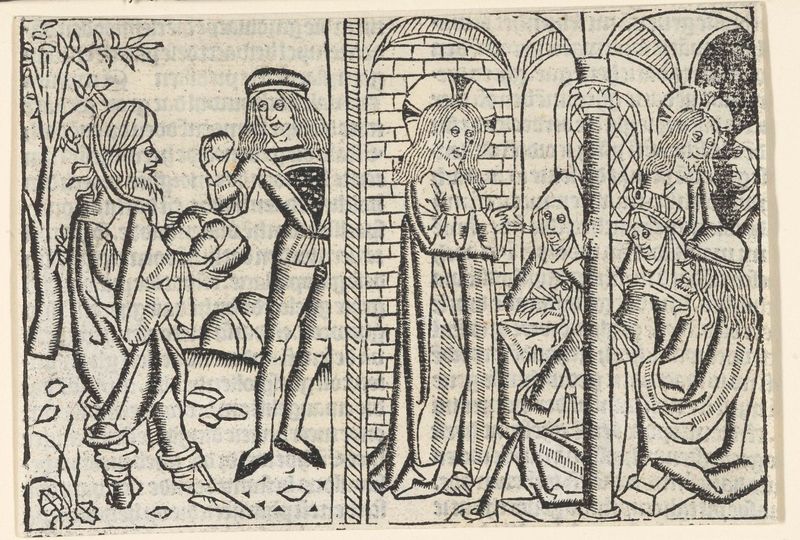
De Farizeeërs willen Christus stenigen
Master of Delft
More Religious Art
Browse all →
The Return of the Prodigal Son
Rembrandt van Rijn

The Garden of Earthly Delights
El Bosco

Count Orgaz’ funeral
El Greco

The Hundred Guilder Print: the central piece with Christ preaching, the plate arched
Rembrandt van Rijn

The Descent from the Cross
Rogier van der Weyden

The return of the prodigal son
Rembrandt van Rijn