
Woodland Scene — History & Facts
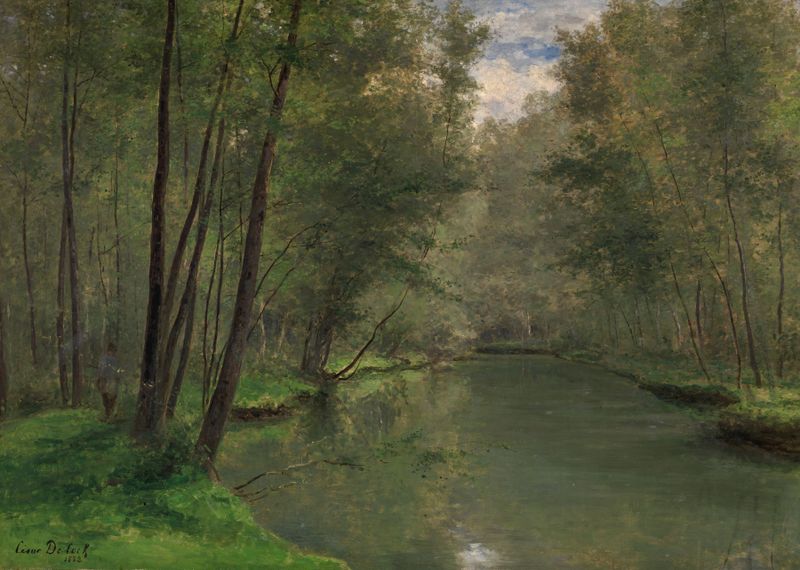
Can paint confess what words never could? In Woodland Scene, the brush strokes linger on the delicate balance between life and the inevitable silence of death, resonating deeply with the viewer's soul. Look to the left at the lush green foliage, where sunlight filters through the canopy, casting a dappled glow on the ground below. The rich hues of emerald and gold invite your gaze down the winding path, drawing you into the heart of nature. Notice how the painter's technique captures the nuanced interplay of light and shadow, creating a sense of depth and intimacy within the forest.
Each tree stands tall and sturdy, yet there is a softness to the scene that suggests a fleeting beauty, an ephemeral moment in time. The composition reveals a juxtaposition between vibrancy and stillness. The lively greens burst with life, while the subtle browns and grays hint at decay, evoking a poignant reflection on mortality. The winding path, almost beckoning, symbolizes the journey of life, with its uncertainties and the shadows that accompany it.
A delicate tension arises from the interplay of what is alive and what lies in quiet repose, prompting contemplation on the passage of time and the transient nature of existence. César De Cock created this piece in 1875 during a period marked by the rise of realism in art, as artists sought to depict the authentic experiences of everyday life. At this time, De Cock was finding his voice in the art world, drawing inspiration from the natural beauty surrounding him in the Belgian countryside. His work reflects both personal introspection and broader societal themes, capturing the essence of a moment that speaks to universal truths.
More Artworks by César De Cock
Browse all →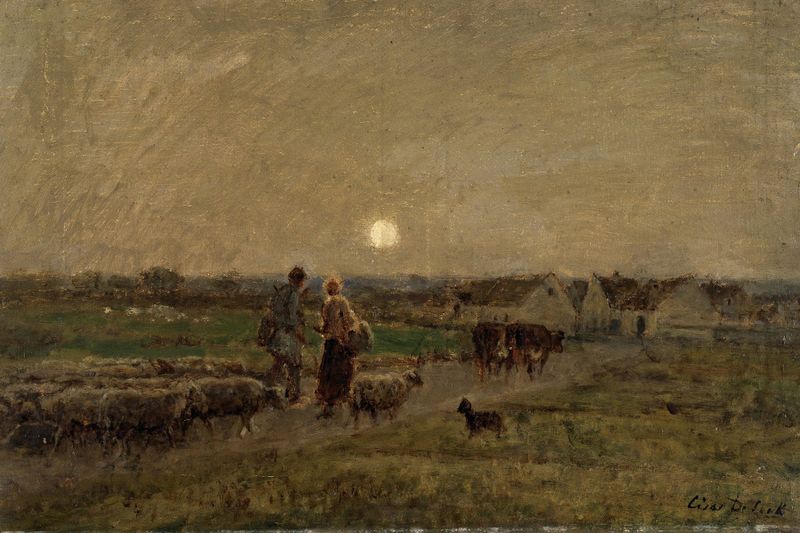
Evening in Normandy
César De Cock
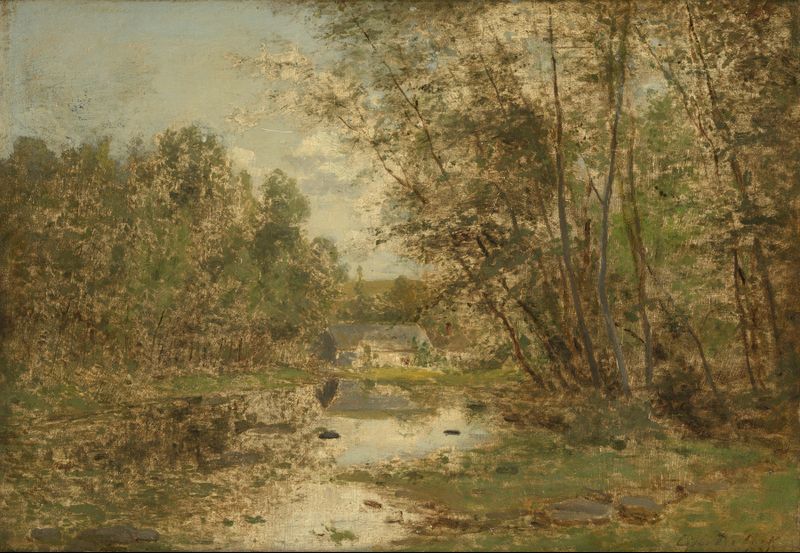
Landscape
César De Cock
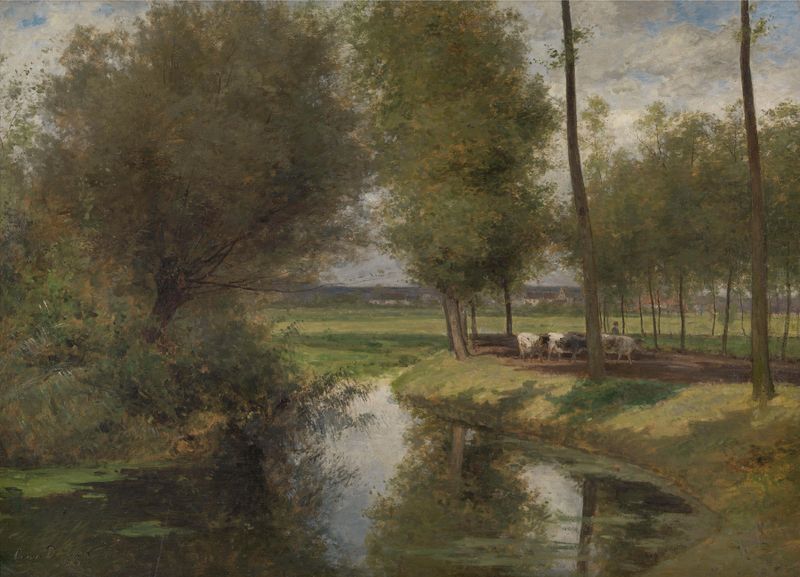
Landscape by the River Lys
César De Cock
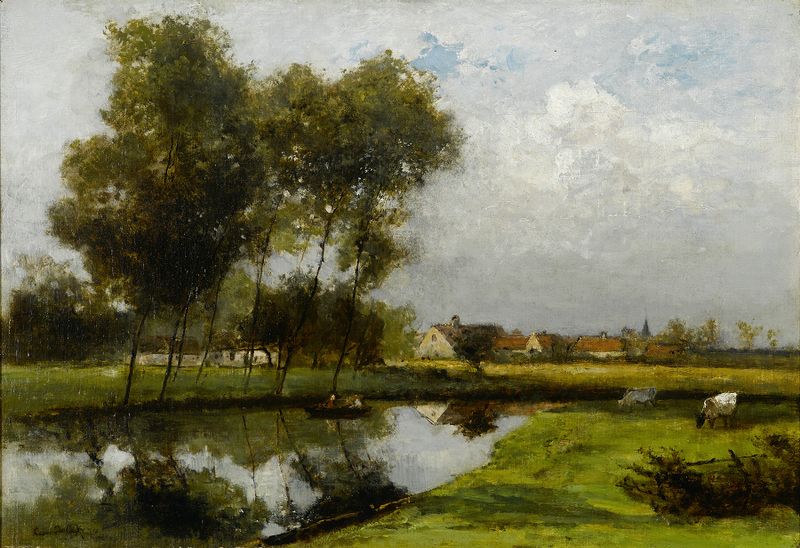
Bord de l’eau
César De Cock
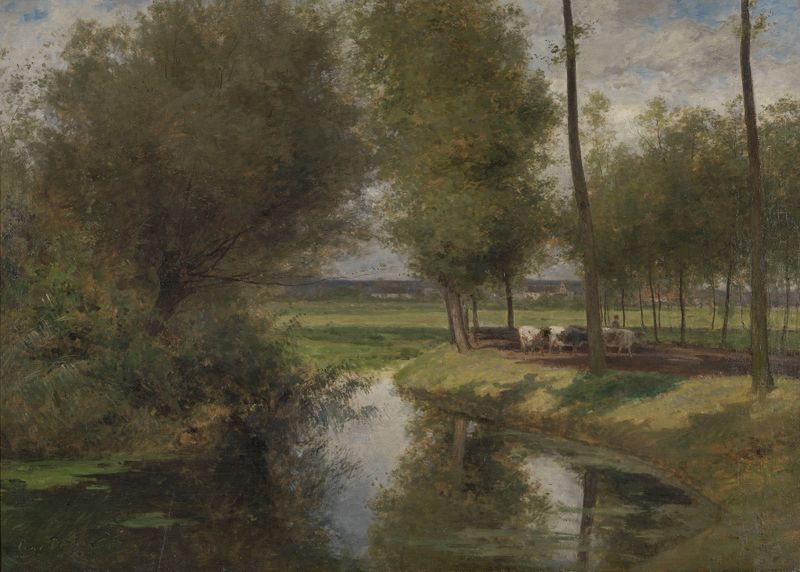
Landscape by the River Lys or The Road to the ‘Patijntje’ in Ghent
César De Cock
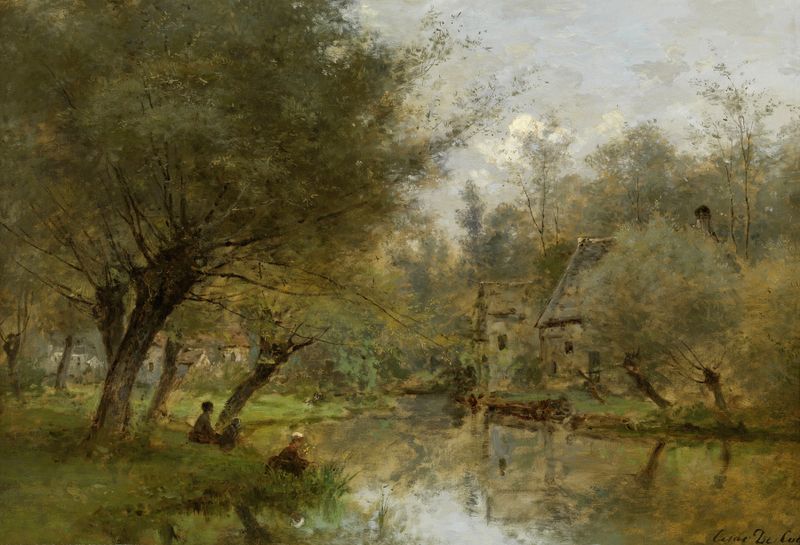
Landscape near Saint-Germain-en-Laye
César De Cock
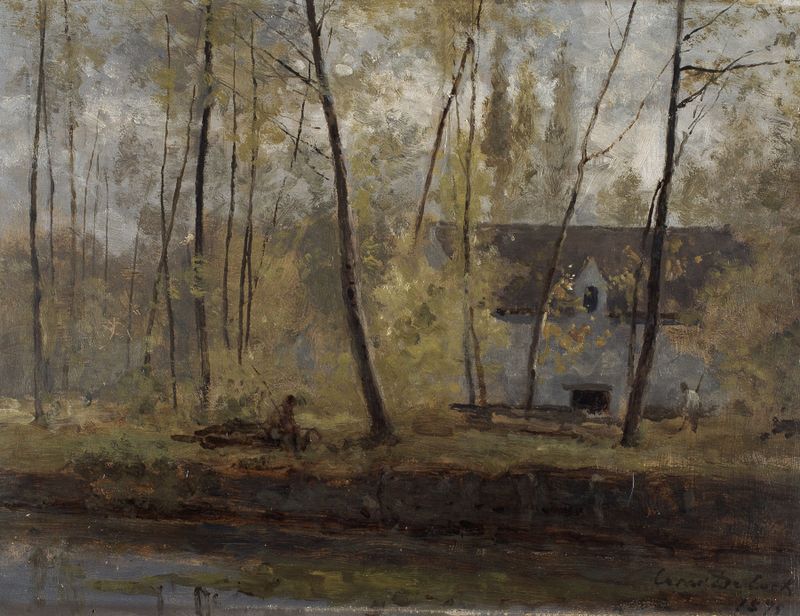
Farmhouse by the Water
César De Cock
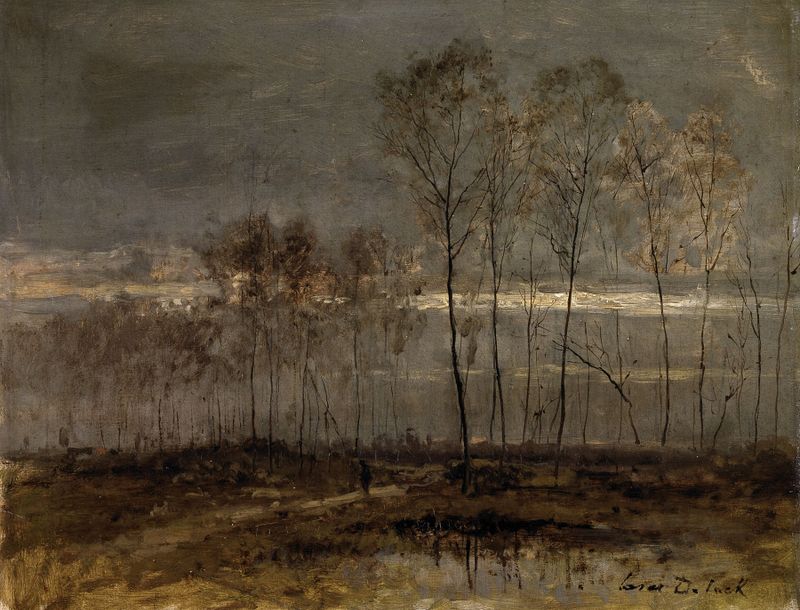
Landscape near Saint-Christophe (Normandy)
César De Cock
Along the River Epte in Gasny
César De Cock
Haymaking
César De Cock





