
Writing boy with little sister II — History & Facts
What draws the eye first is not the act of writing itself, but the quiet intensity shared between the two children. The boy, brow furrowed, leans over his work with a seriousness that belies his age, while his little sister hovers close, her gaze fixed on the page as if she might absorb the lesson by sheer proximity. The light falls softly on their blond hair and pale faces, carving them out of a background so dark it nearly swallows them whole.
Every detail—the inkpot, the careful grip of the pen, the scattered pages—serves to heighten the sense of concentration and intimacy. The composition pulls us in, inviting us to lean closer, to share in this small, absorbing moment of learning and companionship. Painted in 1875, Writing boy with little sister II by Albert Anker belongs to a world where scenes of everyday childhood were just beginning to claim their place in art. In the late nineteenth century, such images were cherished for their celebration of ordinary life, often commissioned by families or collectors eager to see virtue and affection reflected back at them.
Anker was known for his sensitive portrayals of rural Swiss children, capturing both the innocence and gravity of their daily rituals. While little is recorded about the specific journey of this work—now in the Bridgeman Art Library—its quiet realism speaks to a time when the classroom and the kitchen table became worthy subjects, and the bonds of family were painted with as much care as any grand historical scene. Look again at the children’s faces, and the world of 1875 feels a little less distant.
More Artworks by Albert Anker

Portrait Of A Girl
Albert Anker
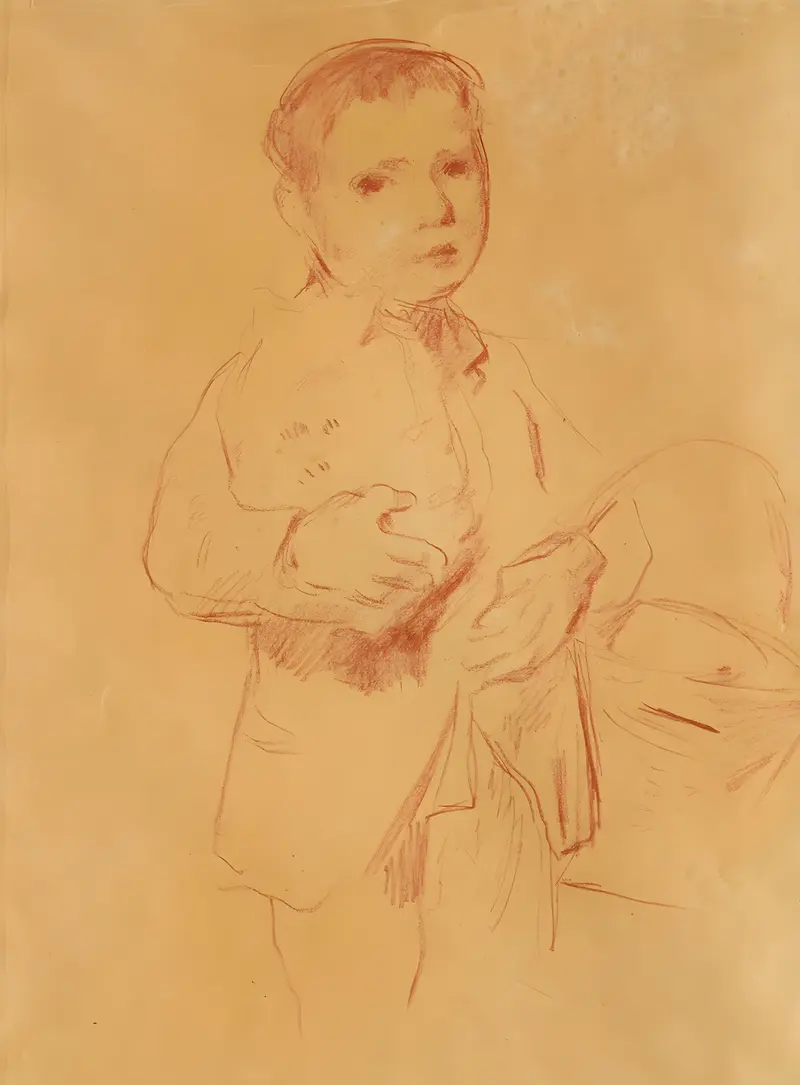
Boy with a basket
Albert Anker
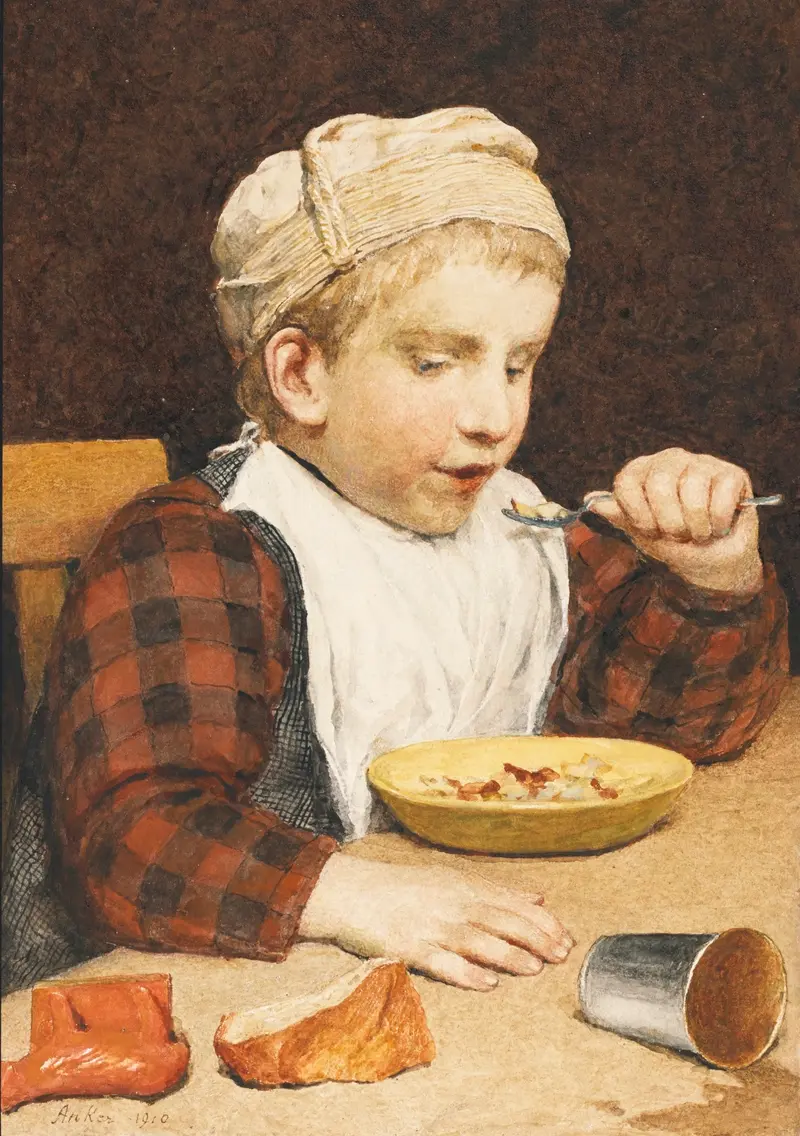
Knabe Mit Mütze Beim Essen
Albert Anker
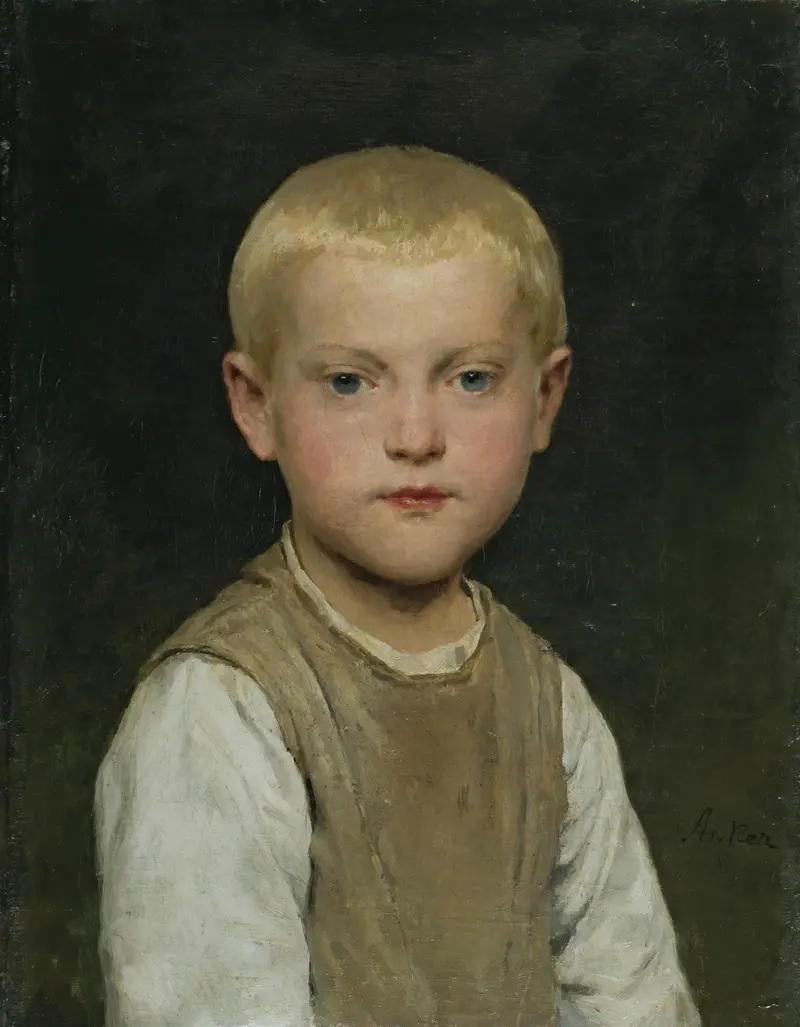
Knabenbildnis (Dr Heiri)
Albert Anker
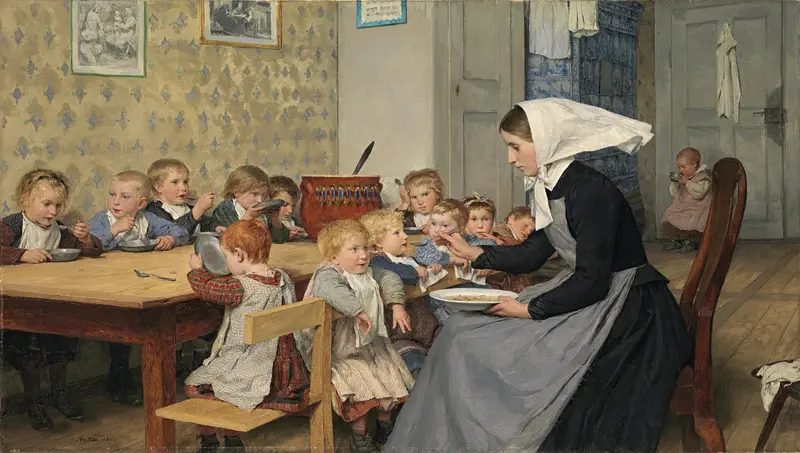
Die Kinderkrippe I
Albert Anker

L’instituteur et le pasteur
Albert Anker
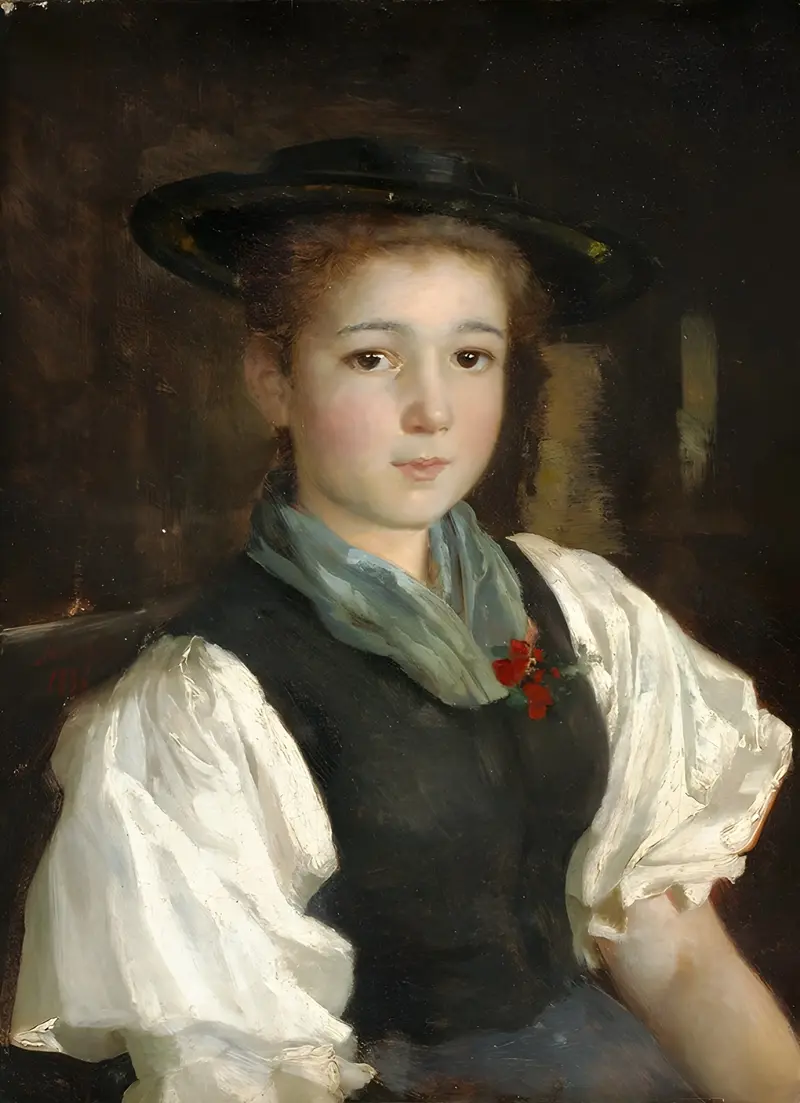
Bauernmädchen (Farm Girl)
Albert Anker
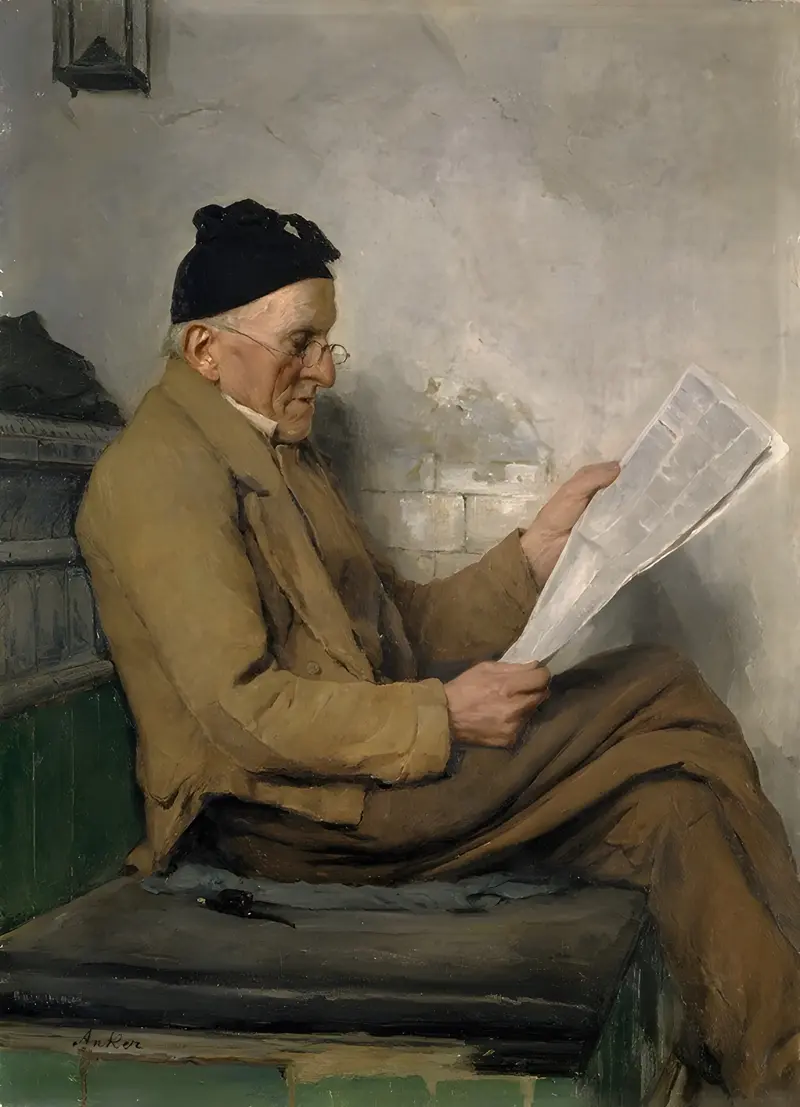
Farmer Reading on the Stove Bench
Albert Anker
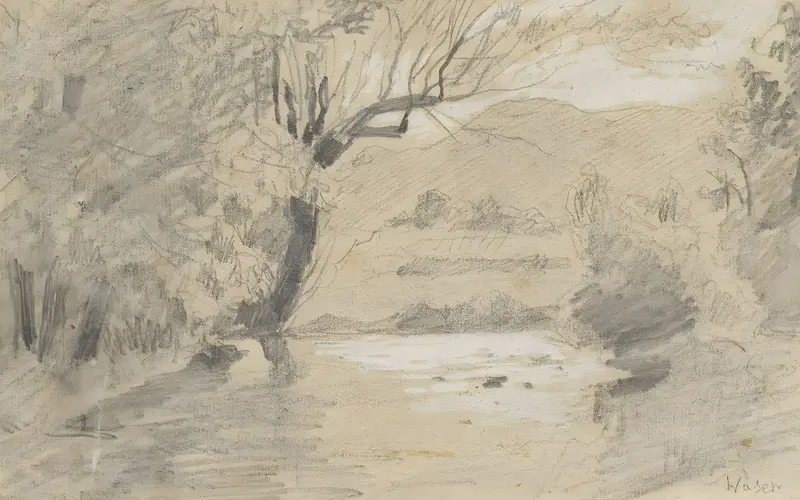
Flusslandschaft in Wasen (Emmental)
Albert Anker
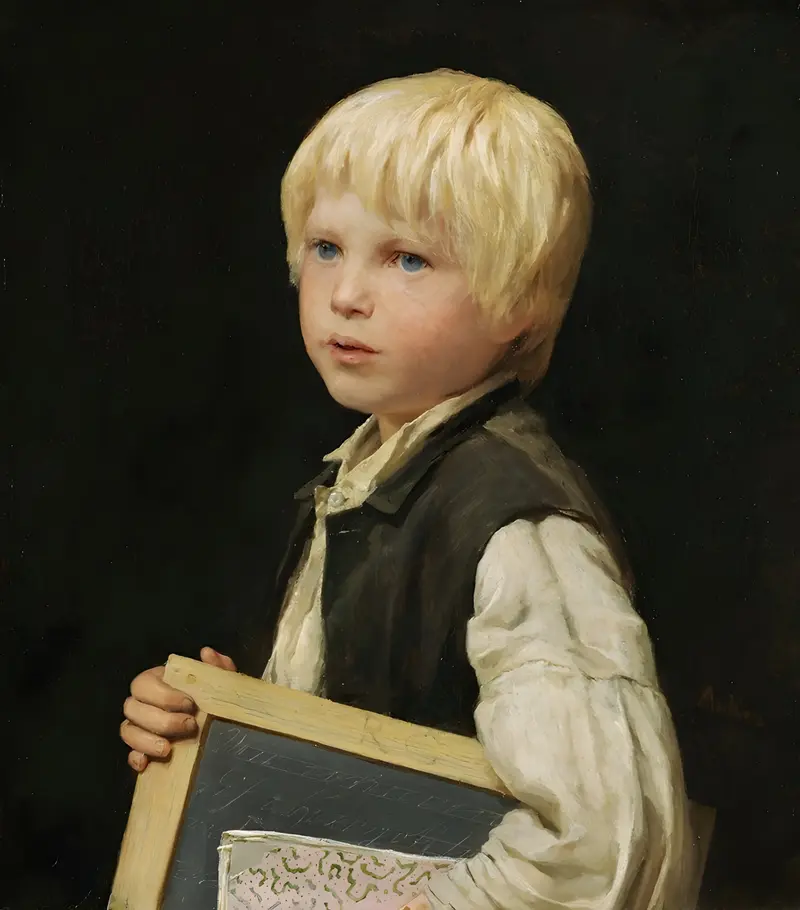
School Boy
Albert Anker
More Genre Scene Art

Banquet of the Officers of the St George Civic Guard
Frans Hals

Rembrandt and Saskia in the Scene of the Prodigal Son
Rembrandt van Rijn

Bal du moulin de la Galette
Pierre-Auguste Renoir

Quadrille at the Moulin Rouge
Henri de Toulouse-Lautrec

A Burial at Ornans
Gustave Courbet

When Will You Marry?
Paul Gauguin