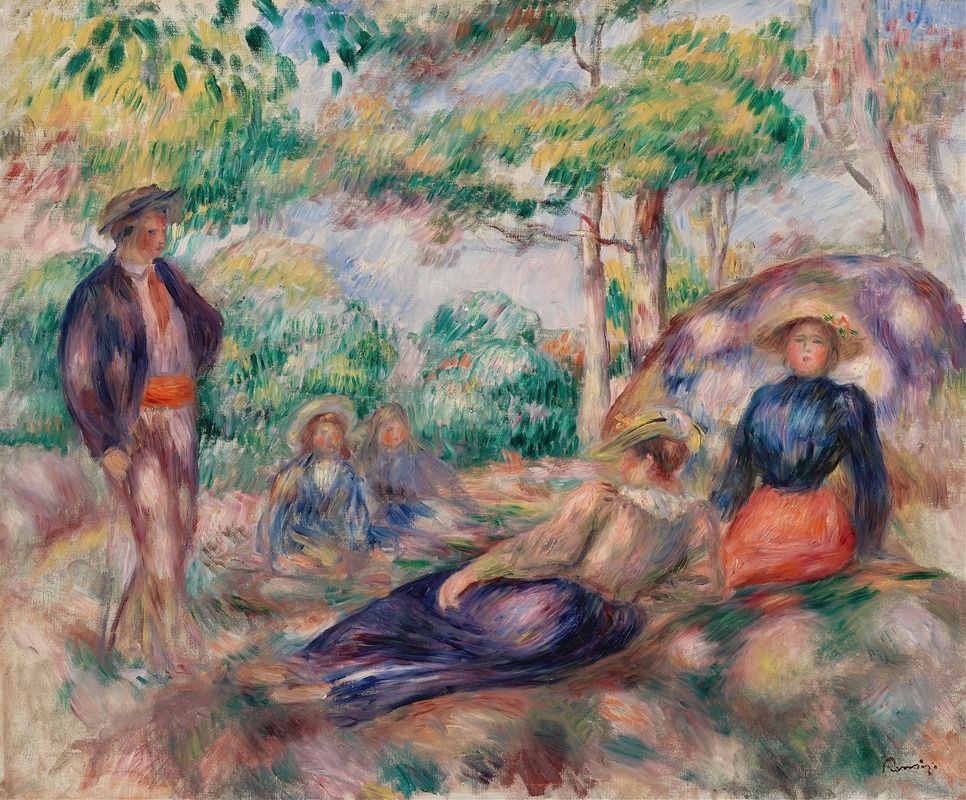
Discover insights about this artwork
‘You’ll See Later’; a man drinking, a woman trying to stop him — History & Facts
In You’ll See Later, Francisco de Goya presents a dramatic scene filled with tension. The painting features a man drinking, with a look of defiance on his face, while a woman reaches out to stop him. The colors are dark and moody, with deep browns and blacks dominating the palette.
This choice of color adds to the somber atmosphere of the moment. The painting is executed in oil on canvas, a medium that allows for rich textures and depth. Goya's brushwork is loose yet deliberate, capturing the urgency of the woman's gesture and the man's stubbornness. The figures are rendered with a sense of realism, typical of Goya's style during this period.
The composition draws the viewer's eye to the interaction between the two figures, emphasizing their emotional conflict. Francisco de Goya was a prominent Spanish painter known for his critical perspective on society and human behavior. You’ll See Later reflects the artist's interest in the themes of excess and moral struggle. An interesting fact about this work is that it captures a moment that resonates with the social issues of Goya's time, particularly regarding alcohol consumption and its effects on relationships.
This painting is a testament to Goya's ability to convey complex human emotions through simple yet powerful scenes.
More Artworks by Francisco de Goya
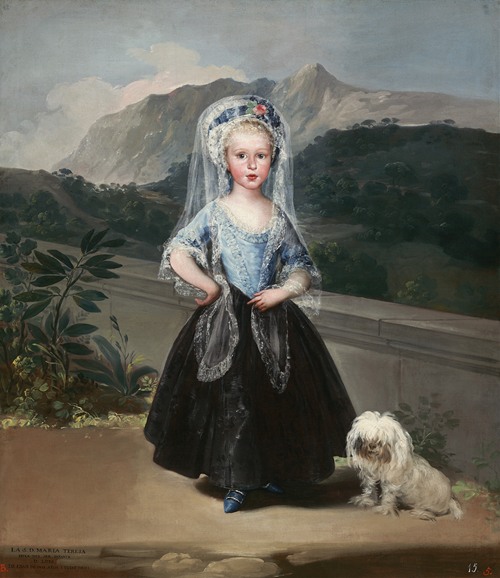
María Teresa de Borbón y Vallabriga,later Condesa de Chinchón
Francisco de Goya
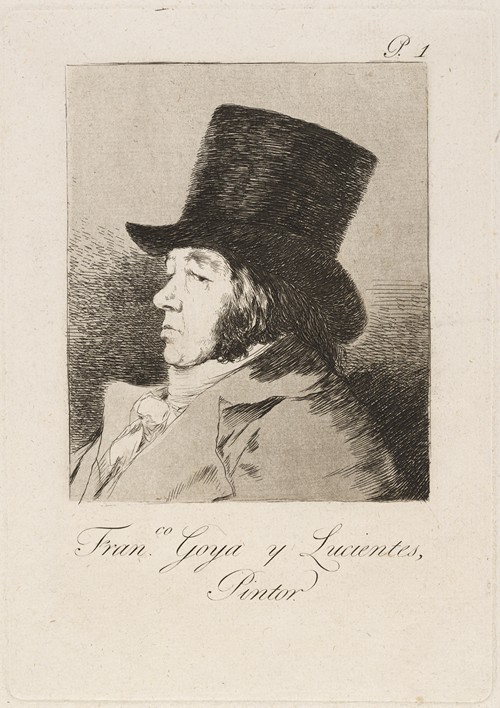
Francisco Goya y Lucientes, Pintor (Francisco Goya y Lucientes, painter)
Francisco de Goya
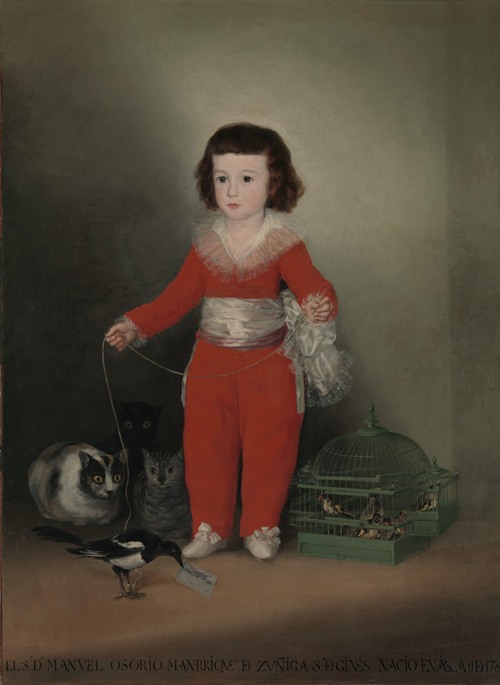
Manuel Osorio Manrique de Zuñiga (1784–1792)
Francisco de Goya
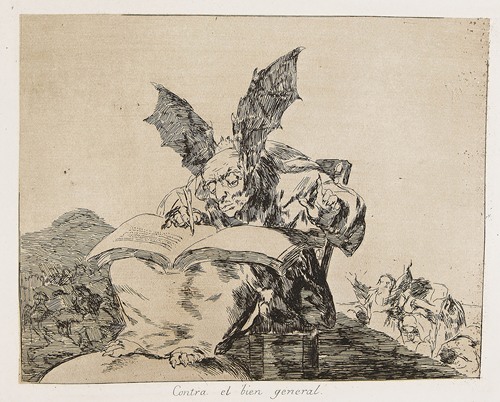
Los desastres de la guerra
Francisco de Goya
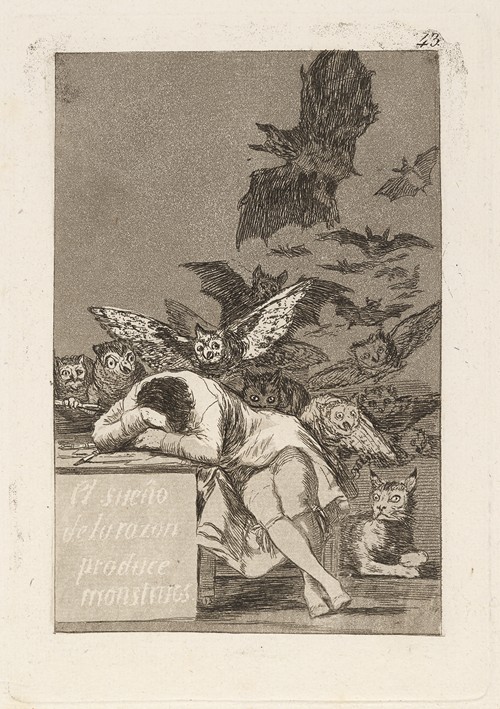
El sueño de la razon produce monstruos. (The sleep of reason produces monsters.)
Francisco de Goya
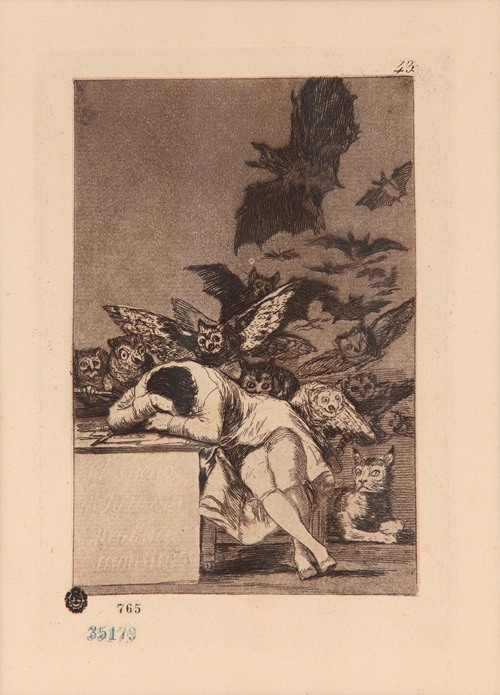
El sueño de la razon produce moustruos (Serie Caprichos)
Francisco de Goya
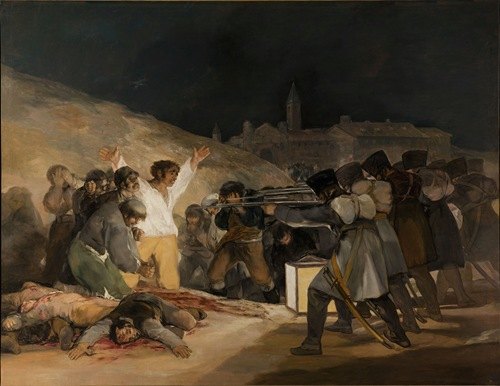
The Third of May
Francisco de Goya
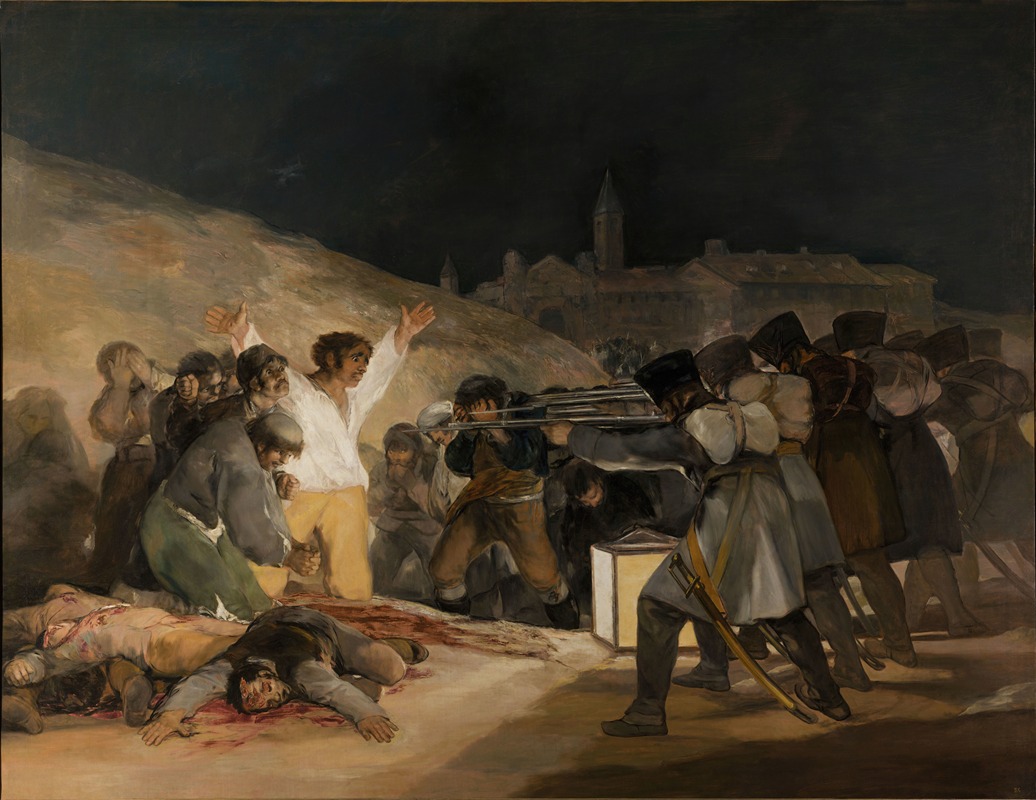
The Third of May 1808
Francisco de Goya
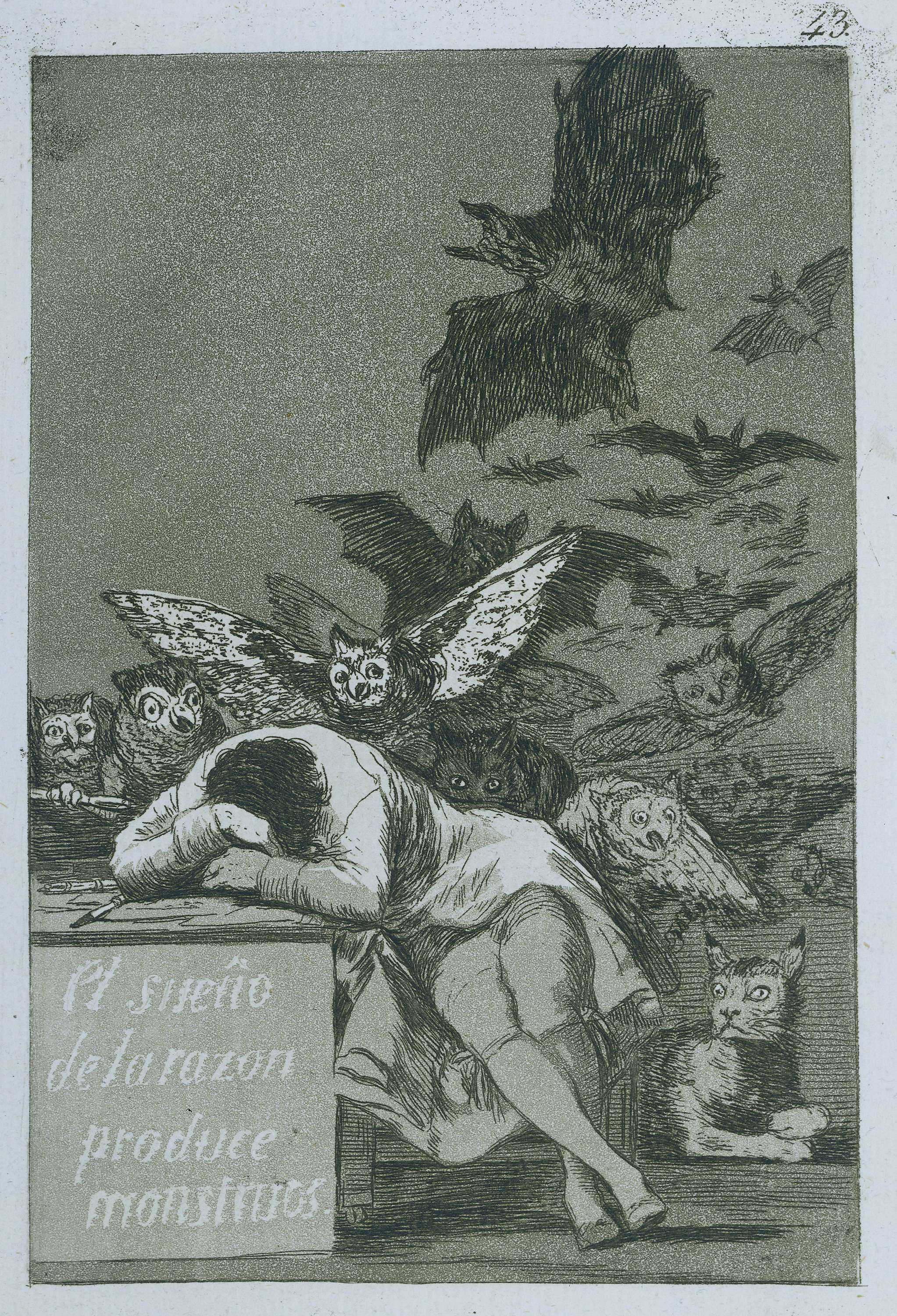
De slaap van de rede brengt monsters voort
Francisco de Goya
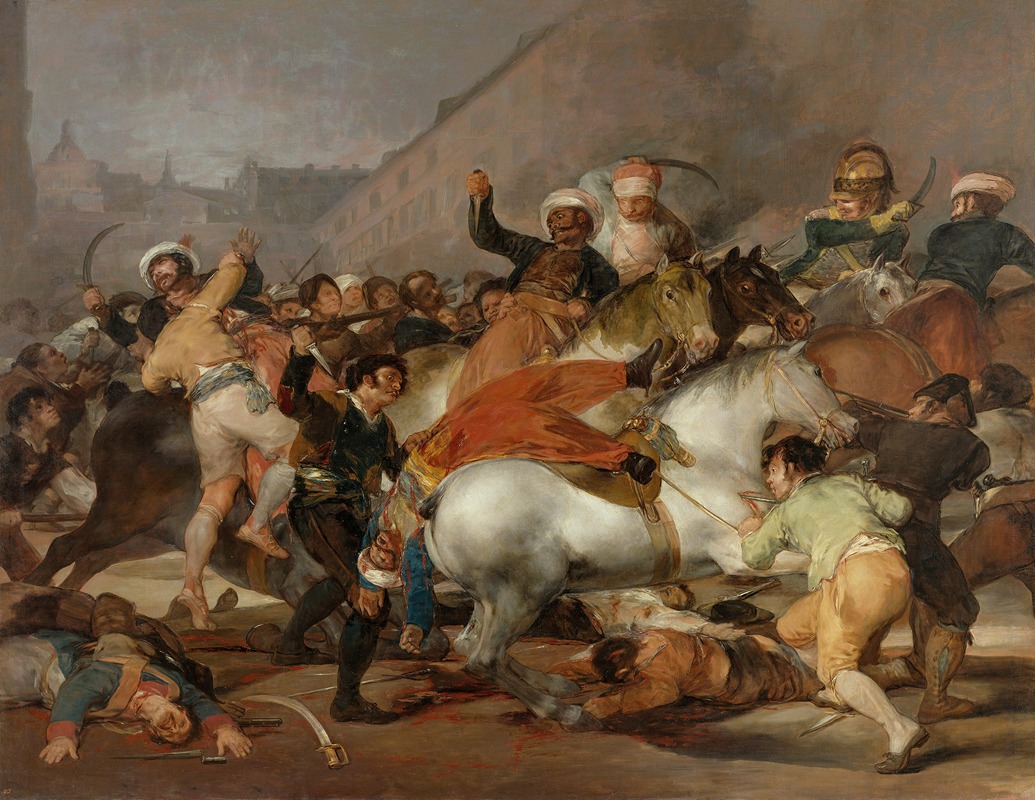
The Charge of the Mamelukes (1814)
Francisco de Goya