
Young Girl with Peonies — History & Facts
What first catches the eye in Young Girl with Peonies is the electric collision of colors: the girl's face glows with a lemony light, set off by the riotous reds and blues of her dress and hat. She looks downward, her eyelids heavy, as if lost in a private reverie, while her hands gently cradle a lush bouquet of peonies—each petal rendered with thick, almost sculptural strokes. The background, a deep teal, pushes her figure forward, isolating her in a world of saturated pigment.
There is a hush to her pose, a sense of inwardness, yet the palette pulses with energy, making the stillness feel charged rather than calm. Painted in 1909, this work sits at the crossroads of early twentieth-century experimentation, when artists like Alexej von Jawlensky were pushing portraiture into new territory. The period saw a surge of interest in color as a vehicle for emotion rather than mere description—a hallmark of the Expressionist movement. While little is recorded about the specific origins or journey of this painting, its presence in the Bridgeman Art Library collection today is a testament to the era’s hunger for bold, personal visions.
The world that produced this painting was one in flux, with artists seeking new forms for new feelings; this young girl, her features abstracted and her mood ambiguous, invites us to linger and wonder what dreams color might reveal.
More Artworks by Alexej von Jawlensky

Murnau
Alexej von Jawlensky
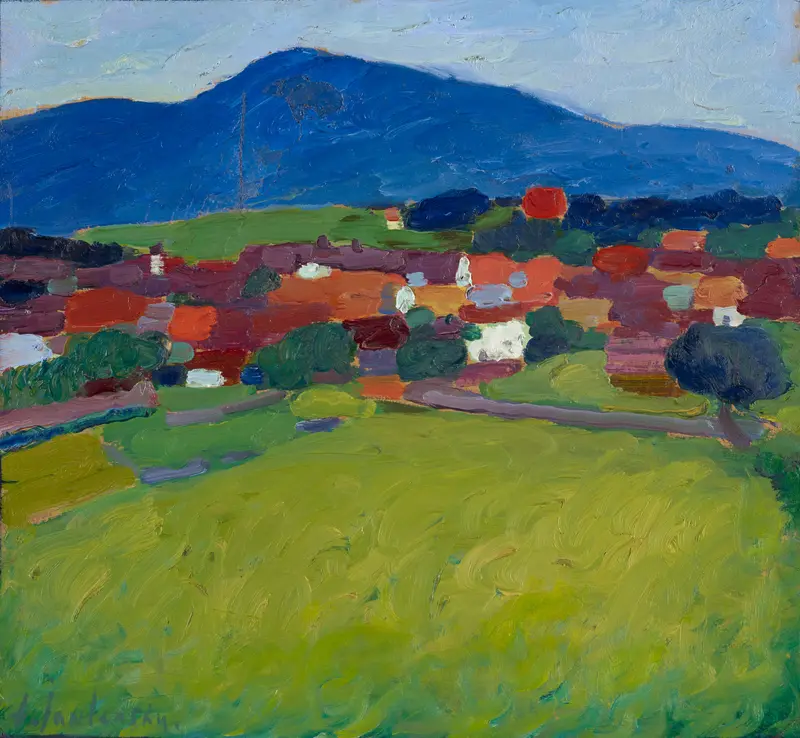
The Village Of Murnau
Alexej von Jawlensky
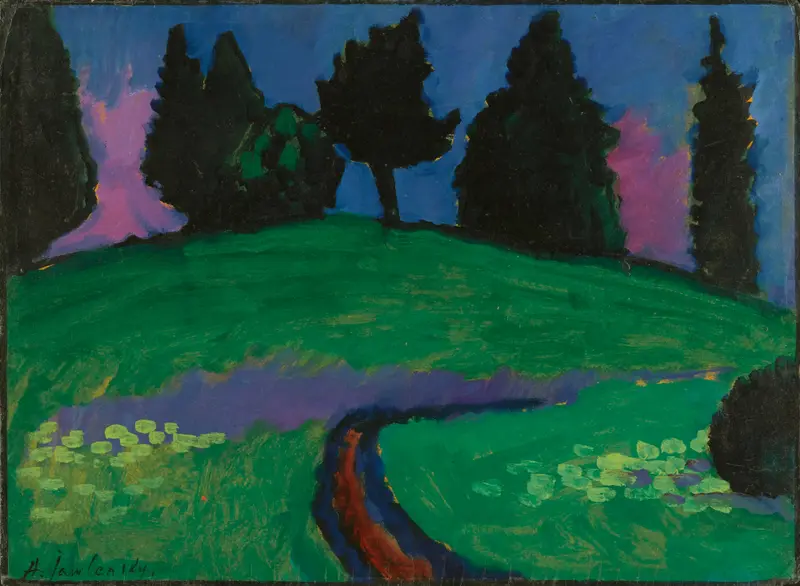
Dunkle Bäume über Grünem Hang (Dark Trees Over Green Slope)
Alexej von Jawlensky
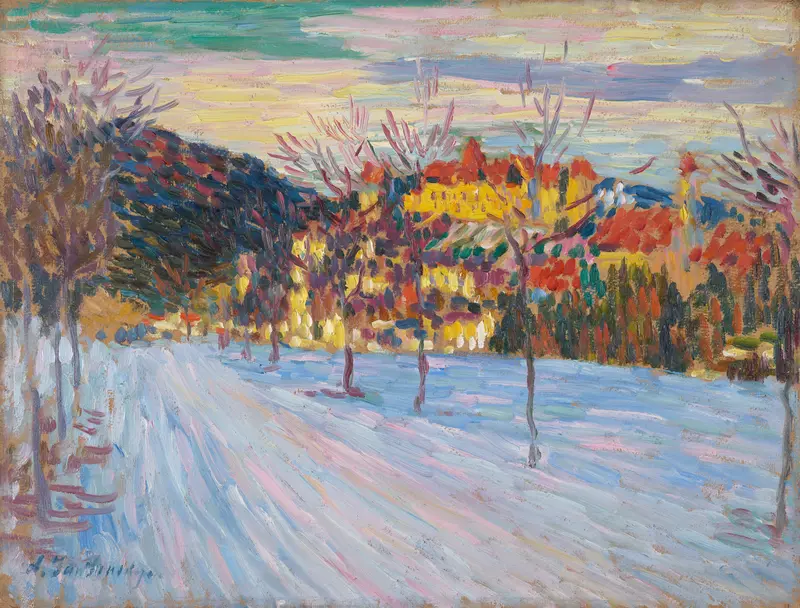
Füssen
Alexej von Jawlensky
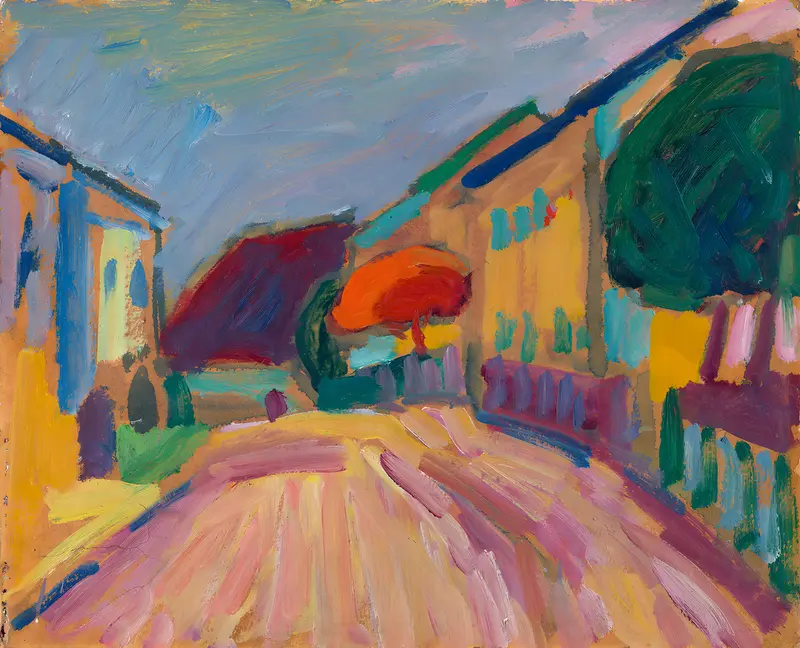
Sketch from Murnau
Alexej von Jawlensky
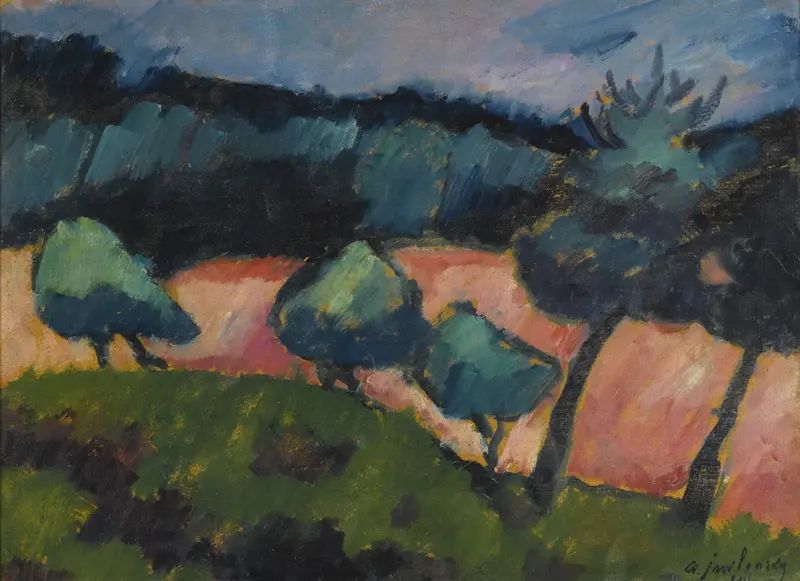
Bäume und Dünen in Prerow (Trees and dunes in Prerow)
Alexej von Jawlensky
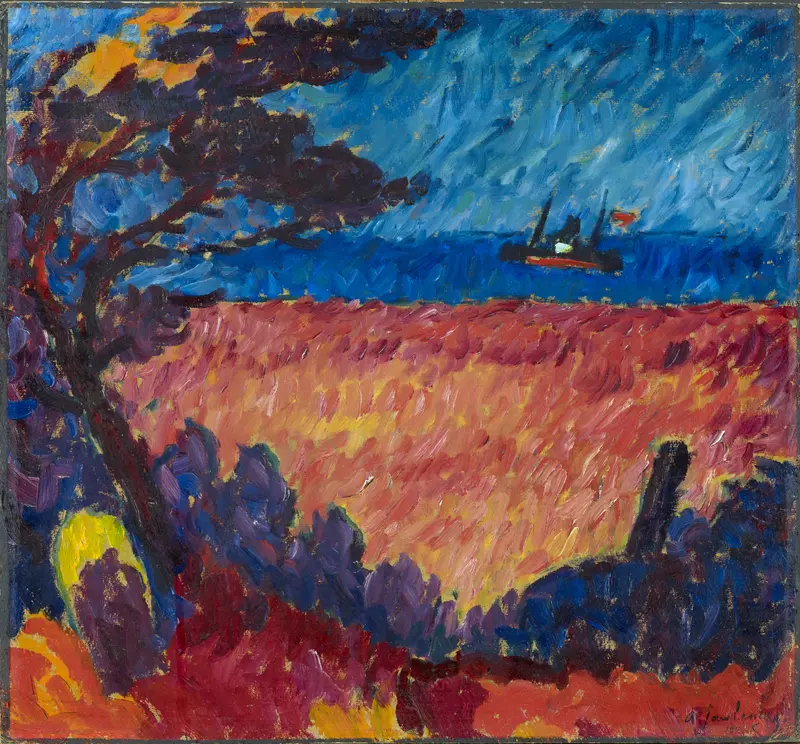
At The Baltic Sea
Alexej von Jawlensky
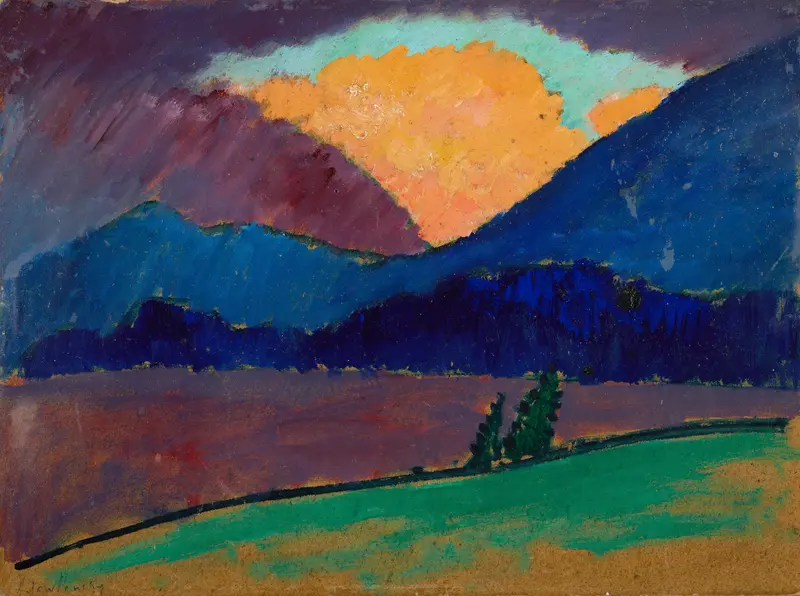
Summer evening in Murnau
Alexej von Jawlensky
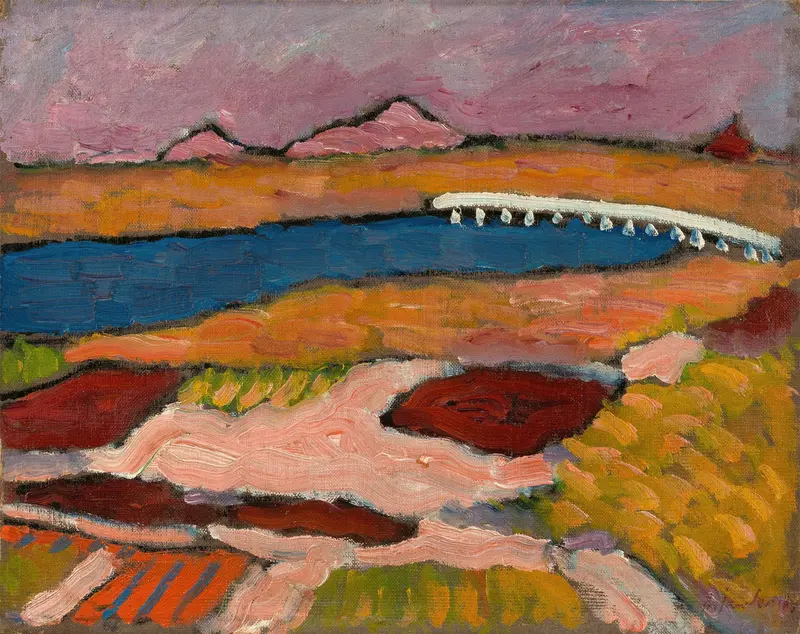
Prerow (Darß), Pommern
Alexej von Jawlensky
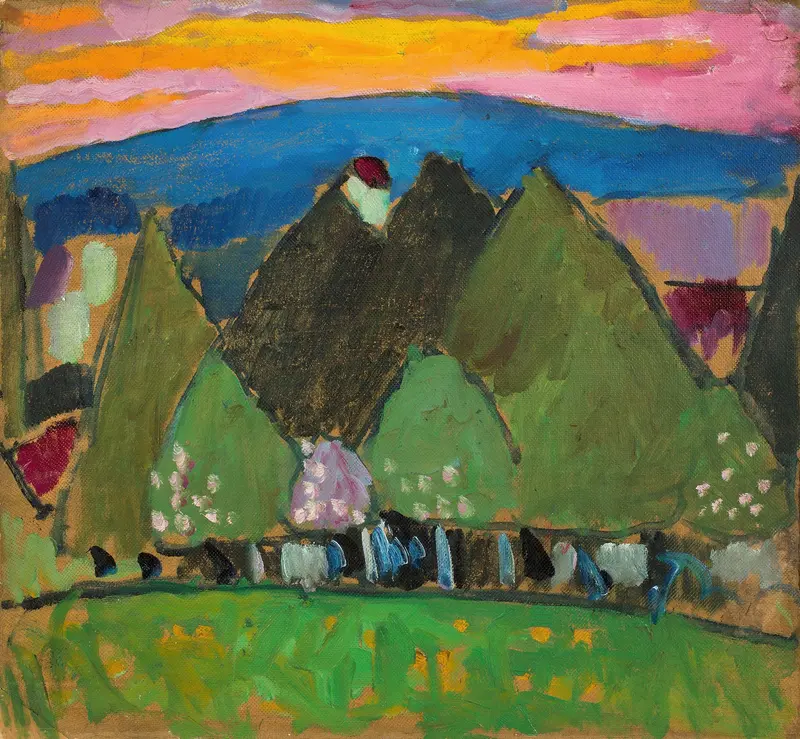
Landschaft mit Bäumen
Alexej von Jawlensky





