
Discover insights about this artwork
Young man before the Seven liberal arts — History & Facts
In Young man before the Seven Liberal Arts, a young man stands in the center, surrounded by personifications of the seven liberal arts: grammar, rhetoric, logic, arithmetic, geometry, music, and astronomy. The colors are rich, with deep blues and warm earth tones dominating the palette. The figures are elegantly draped, showcasing Botticelli's skill in rendering fabric and form.
The setting appears to be a classical interior, enhancing the allegorical theme of education and knowledge. The painting is executed in tempera on panel, a medium Botticelli frequently used during the Renaissance. The dimensions are approximately 80 x 60 cm, making it a medium-sized work that draws the viewer in. The composition is carefully balanced, with the young man positioned centrally, emphasizing his role as the focal point of the artwork.
The intricate details of the figures and their attributes invite closer inspection. Sandro Botticelli was a prominent figure of the Early Renaissance, known for his mythological and religious paintings. This work reflects the humanist ideals of the time, emphasizing the importance of education and the liberal arts. An interesting fact about this painting is that it was likely commissioned for a private collection, showcasing the patron's interest in scholarly pursuits.
Botticelli's ability to blend beauty with intellectual themes is evident in this allegorical representation.
More Artworks by Sandro Botticelli
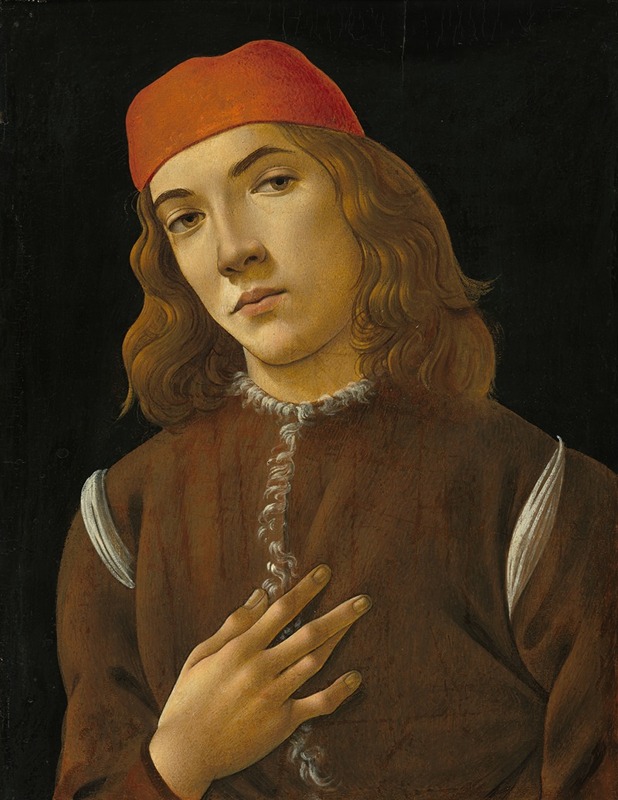
Portrait of a Youth
Sandro Botticelli
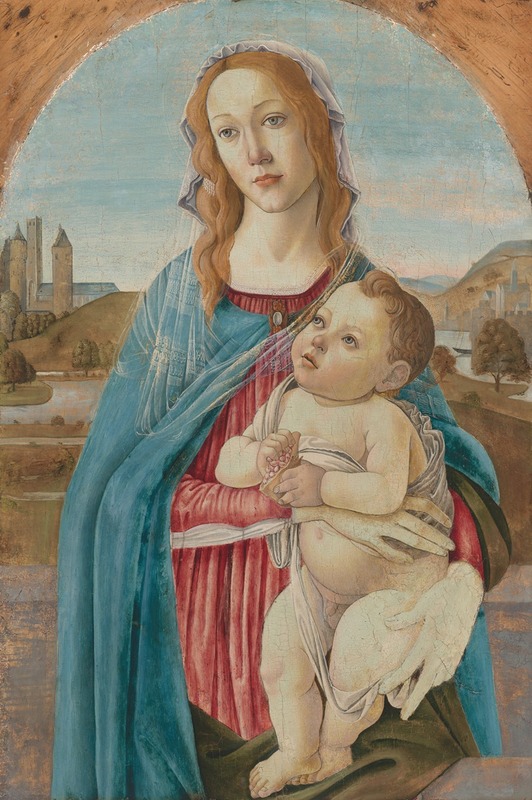
Virgin and Child
Sandro Botticelli
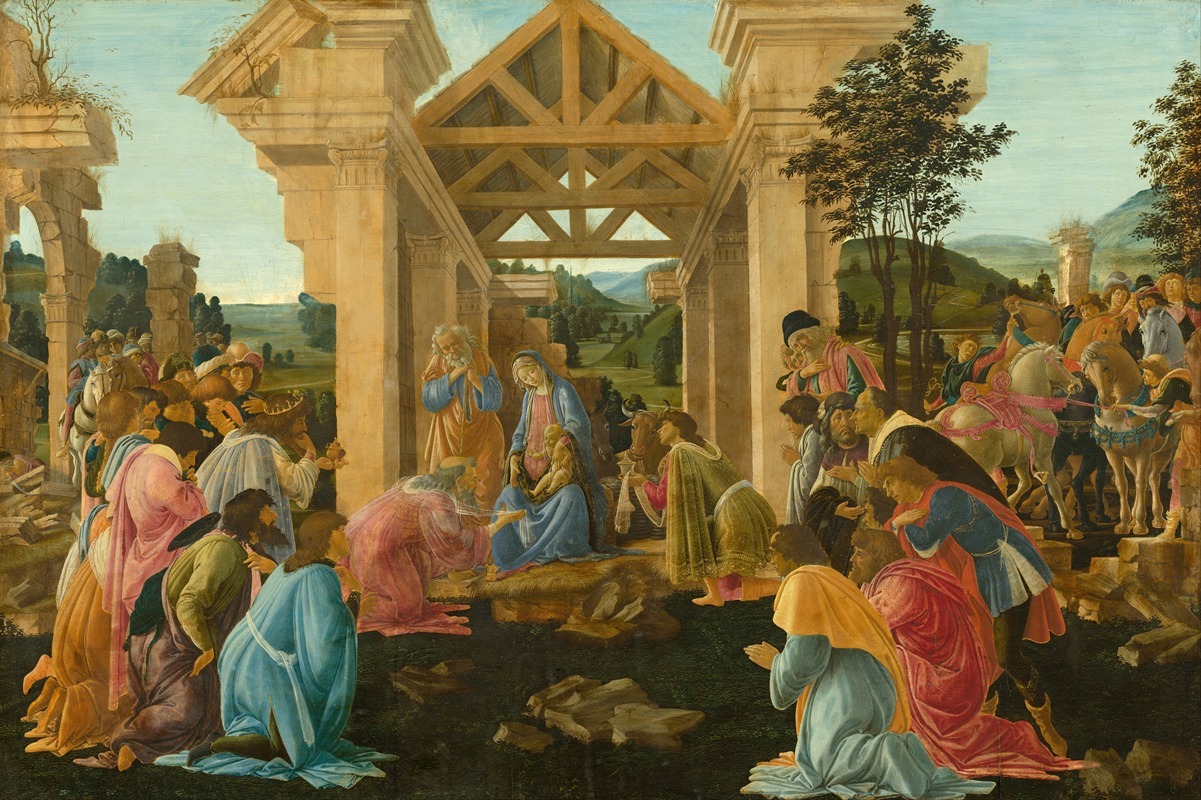
The Adoration Of The Magi
Sandro Botticelli

Madonna and Child with Angels
Sandro Botticelli
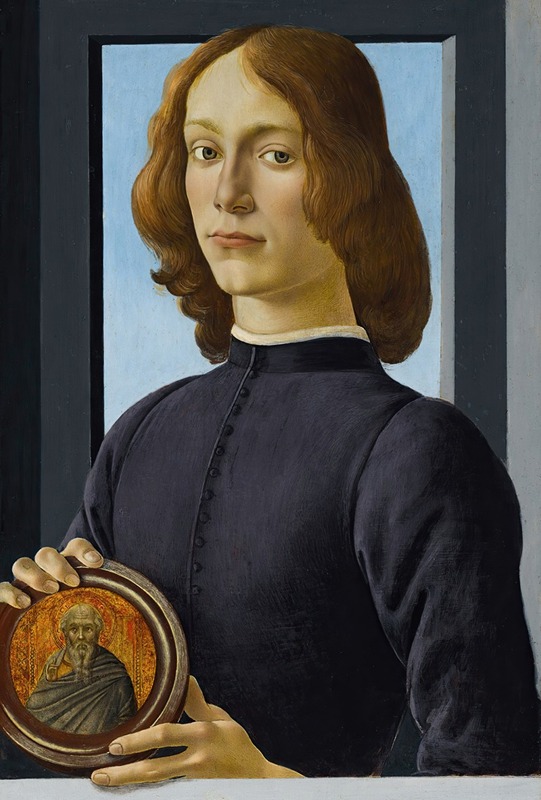
Portrait of a young man holding a roundel
Sandro Botticelli
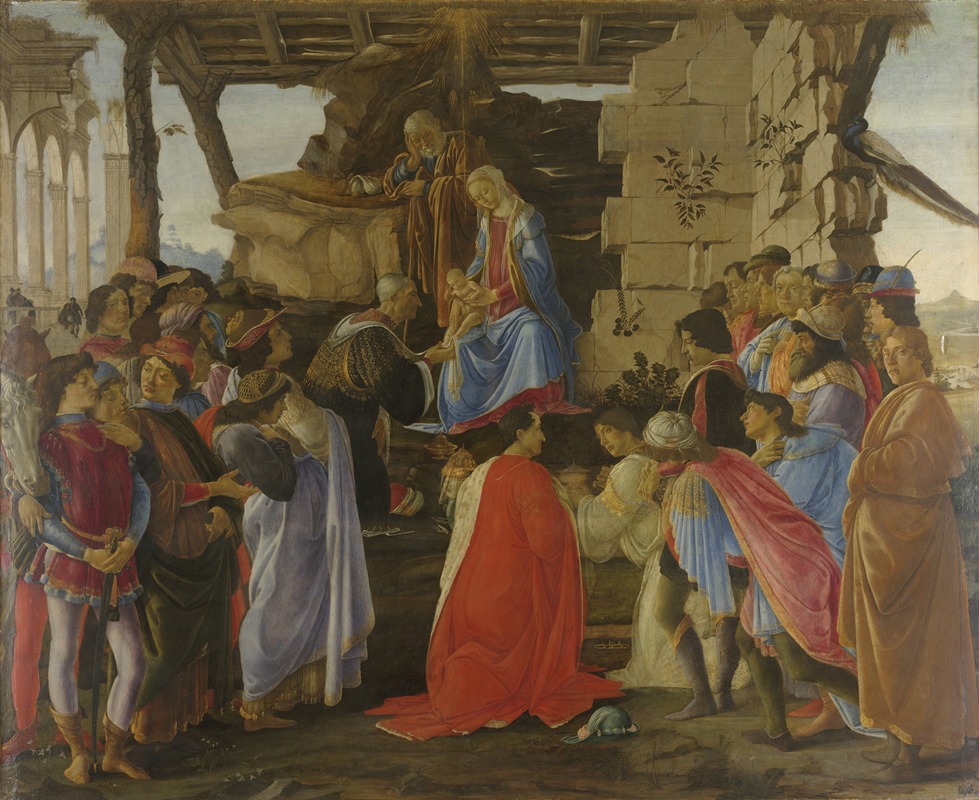
Adoration of the Magi
Sandro Botticelli
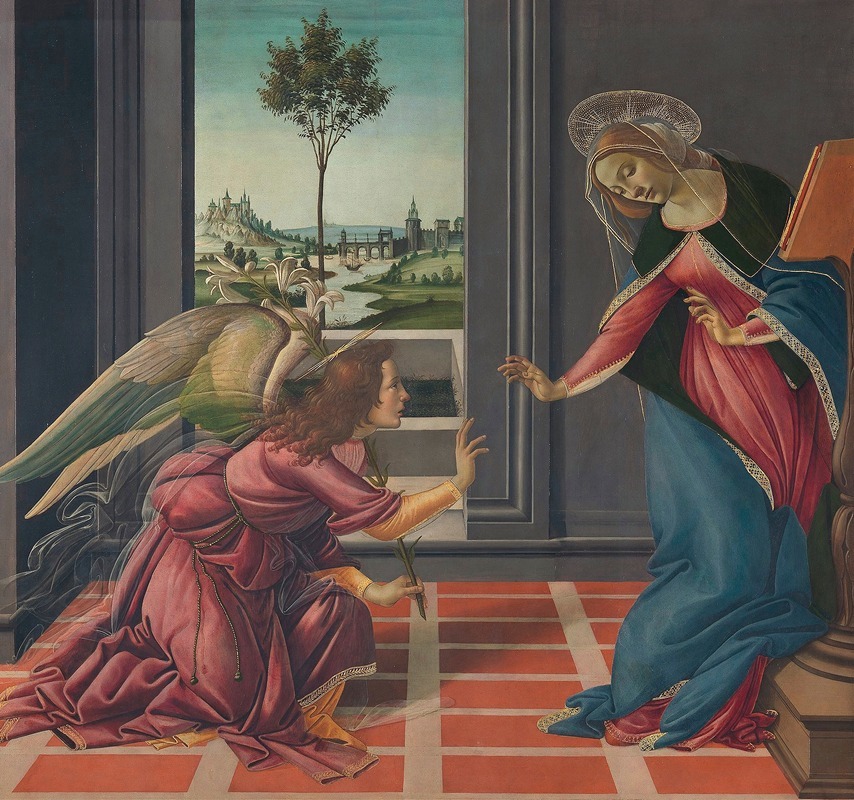
Annunciation
Sandro Botticelli
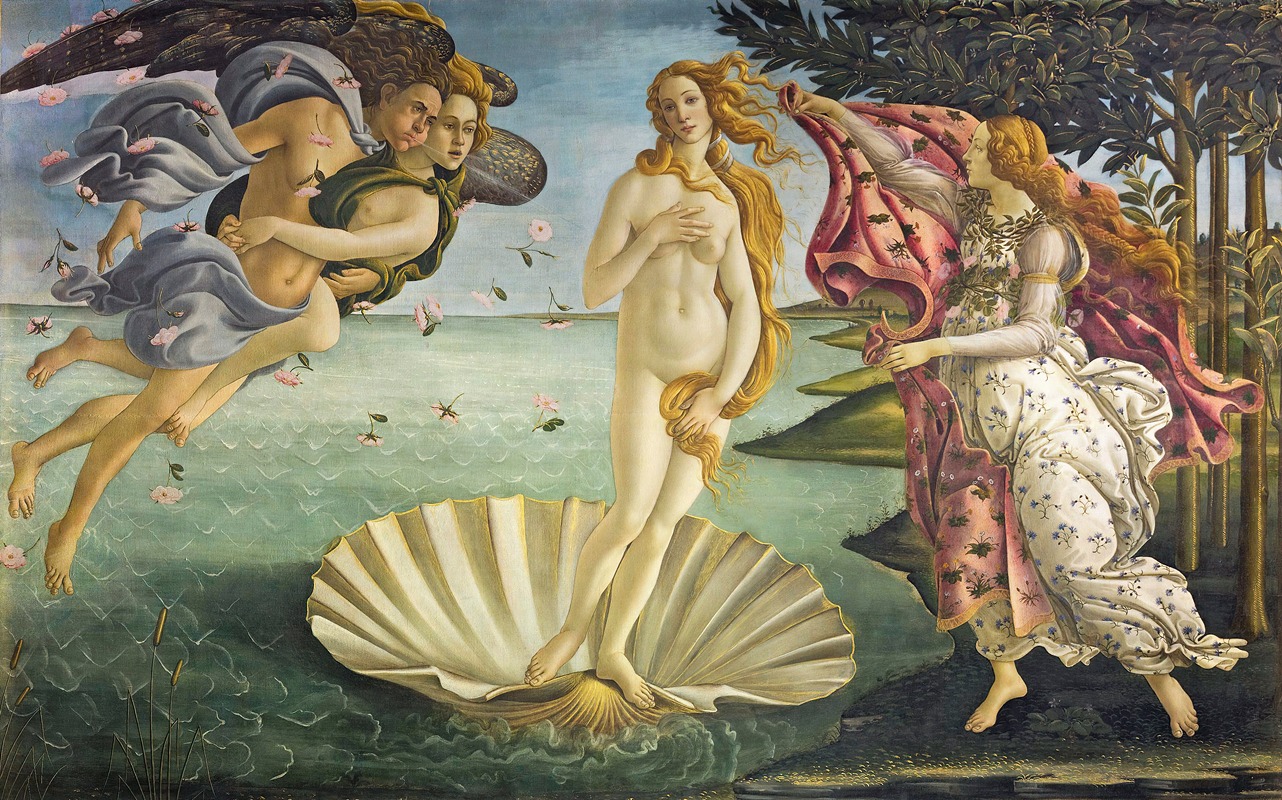
Birth Of Venus
Sandro Botticelli
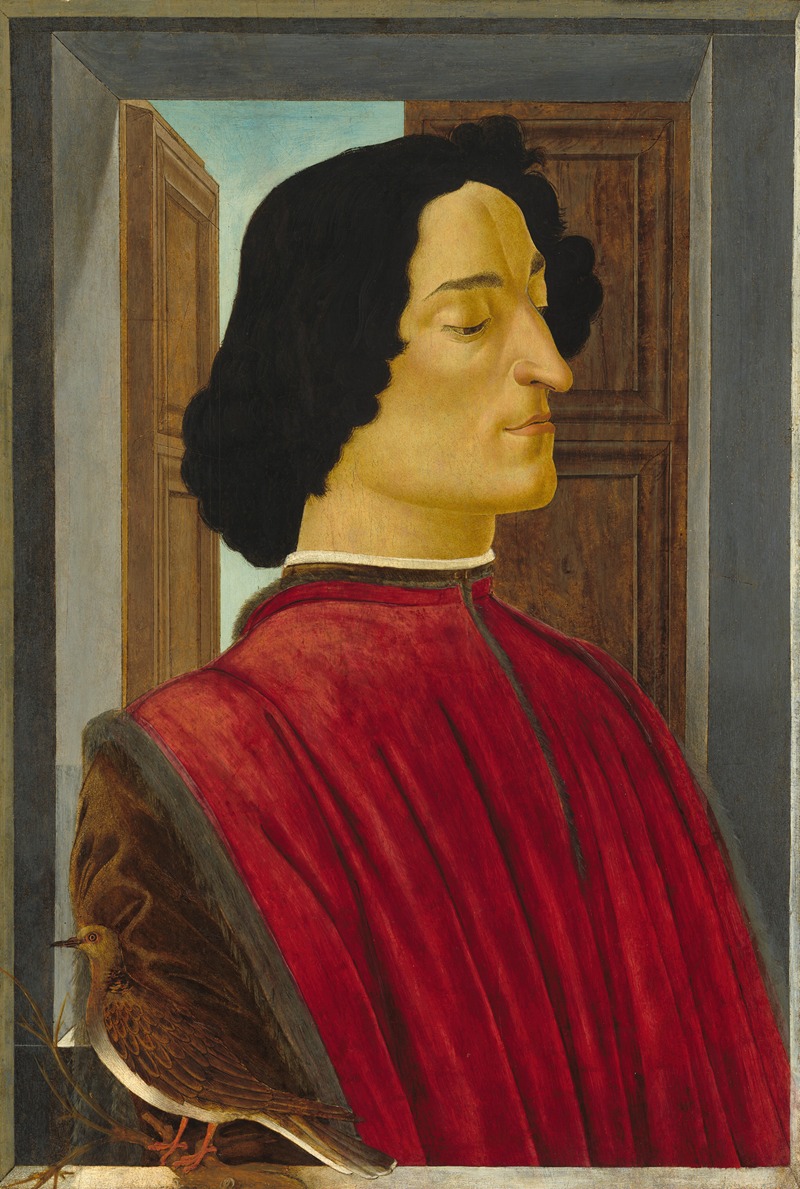
Giuliano de’ Medici
Sandro Botticelli
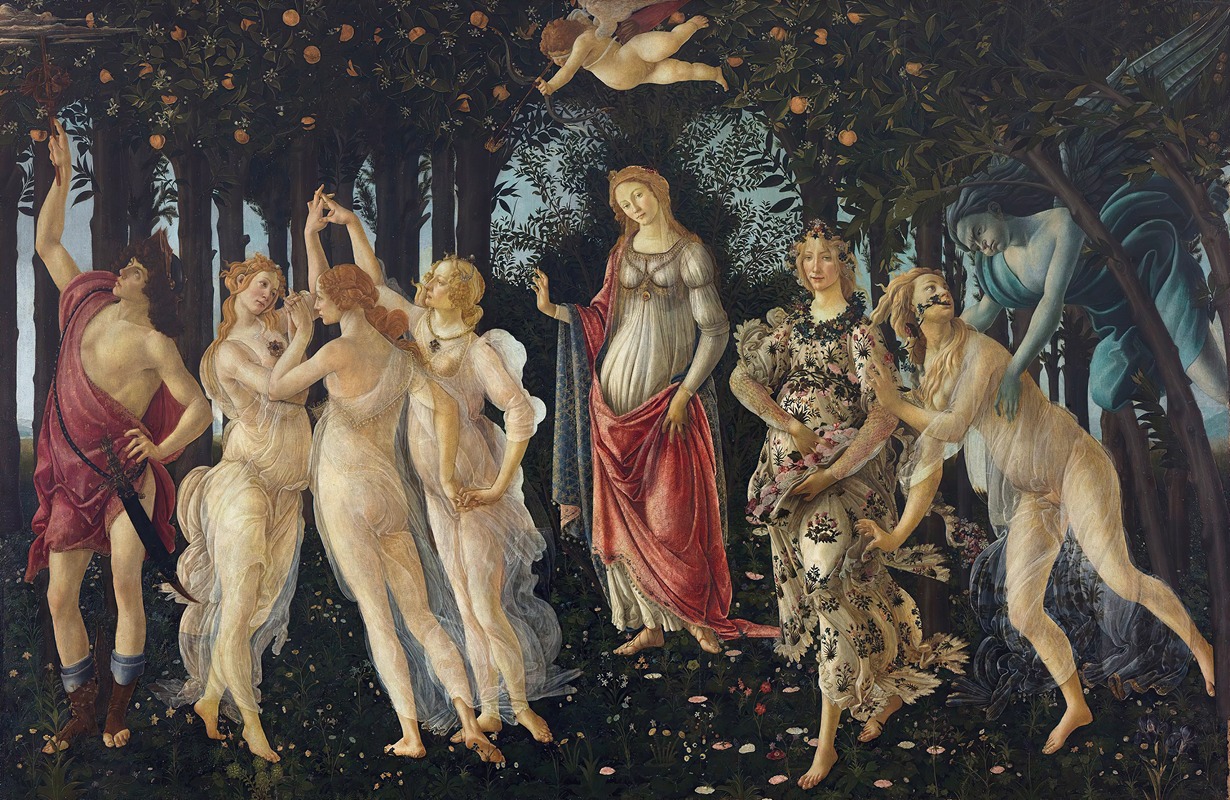
Spring
Sandro Botticelli
More Allegory Art
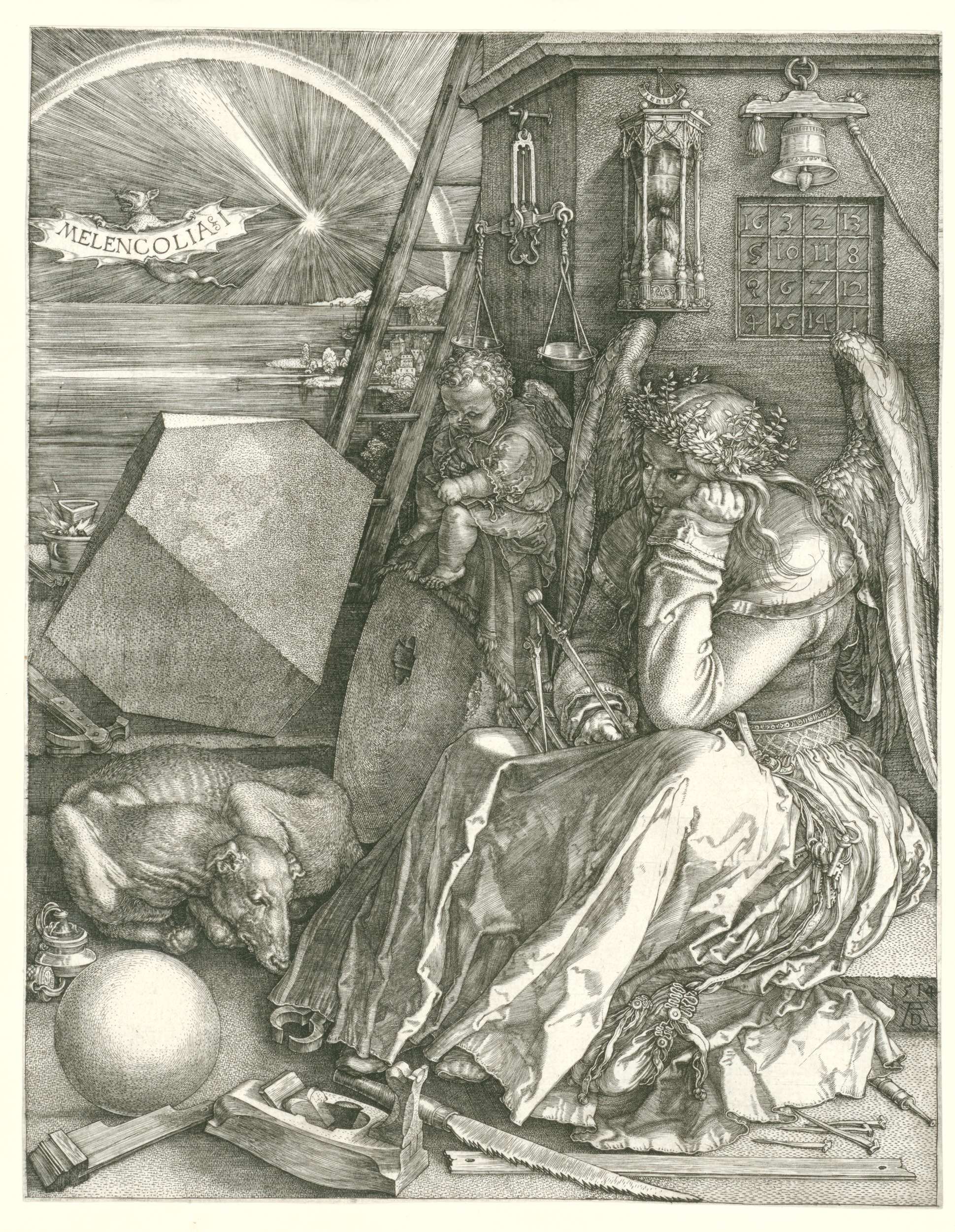
Melancholia
Albrecht Dürer
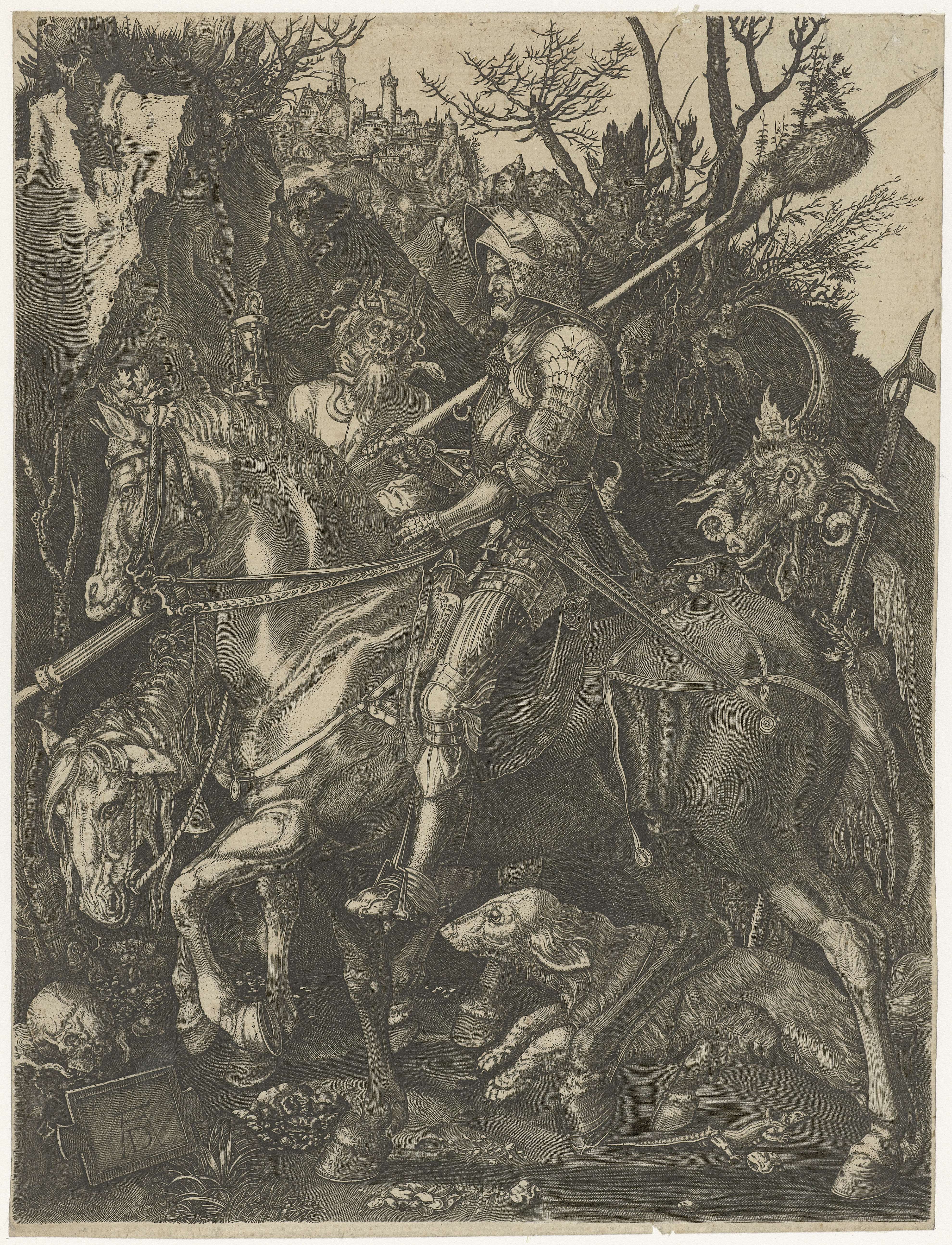
Ridder, Dood en Duivel
Unknown Artist
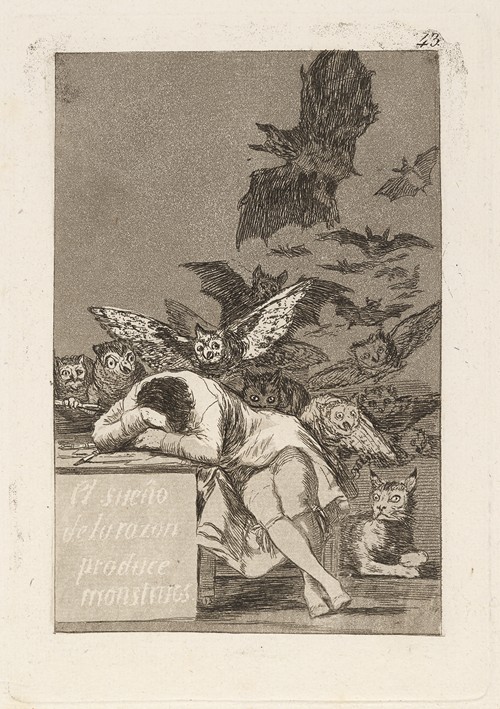
El sueño de la razon produce monstruos. (The sleep of reason produces monsters.)
Francisco de Goya
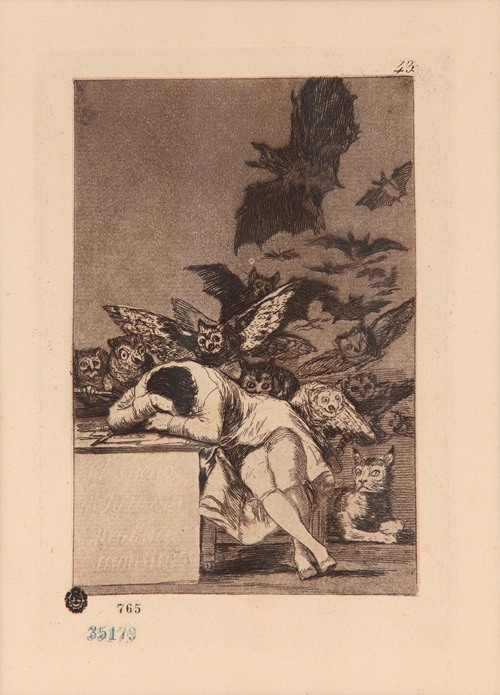
El sueño de la razon produce moustruos (Serie Caprichos)
Francisco de Goya
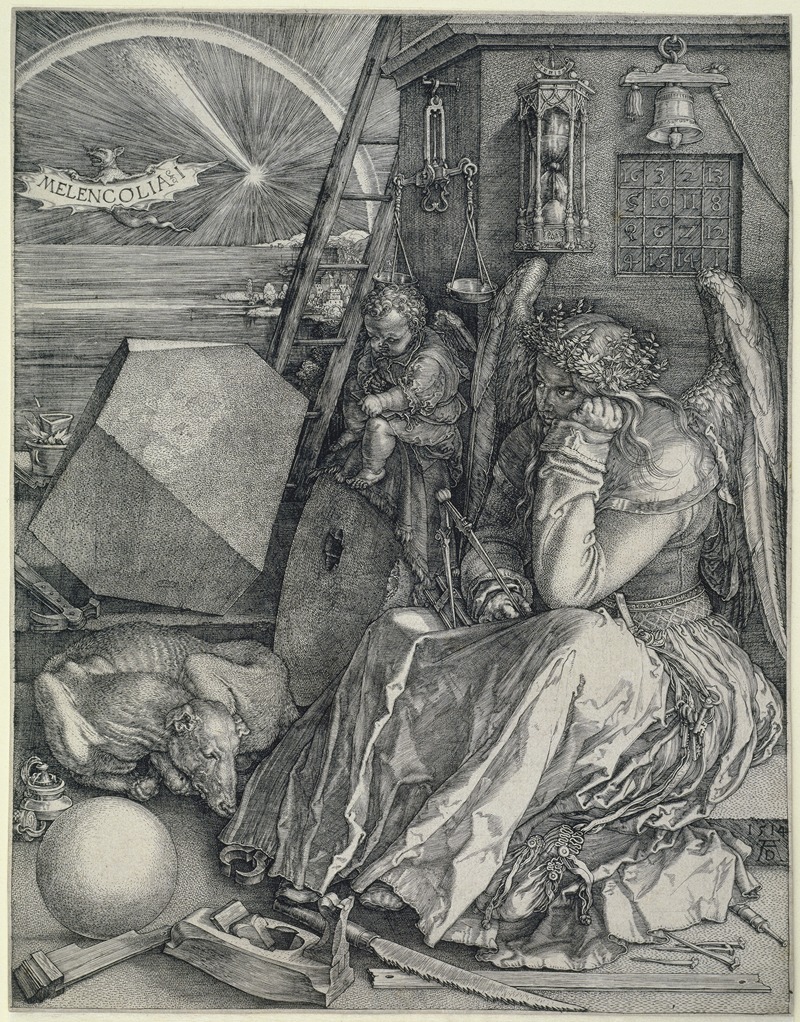
Melencolia I (The Melancholy)
Albrecht Dürer
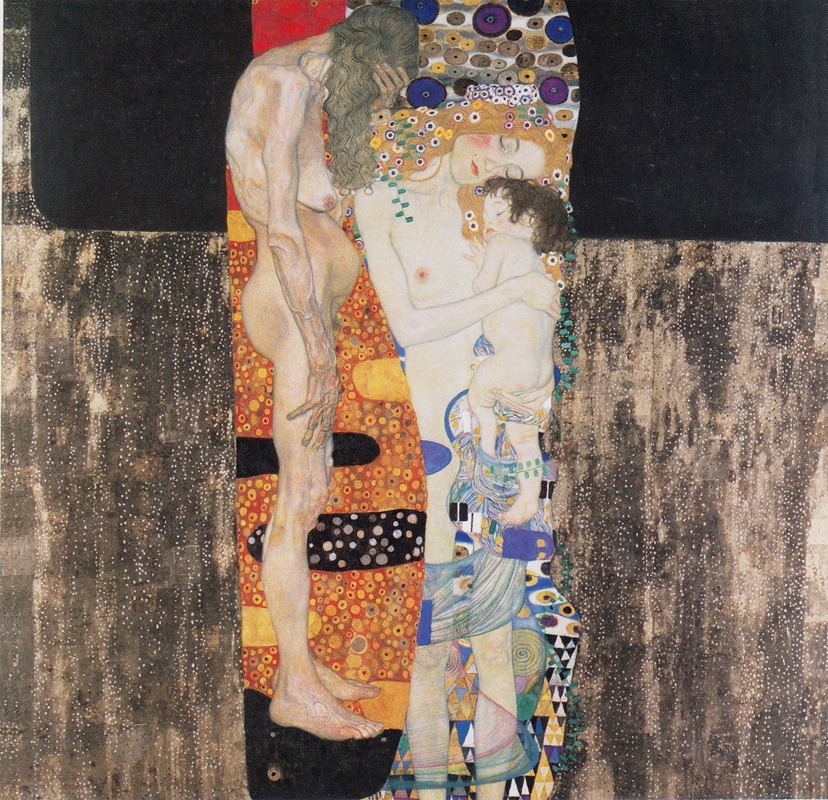
The Three Ages of the Woman
Gustav Klimt