Zakdoek van batist met rondom een strook kloskant met rivière — History & Facts
In the delicate fabric of life, the interplay of elegance and struggle often creates a tapestry more intricate than the finest lace. Focus on the intricate detailing of the kloskant, its delicate threads weaving a story of skill and labor. Look closely at the fine texture of the batist, which invites the viewer to imagine the gentle touch of fingertips as they explore its surface. Notice how the soft, muted tones of cream and ivory harmonize with the intricate lace, creating a sense of understated beauty that belies the effort involved in its craftsmanship. The juxtaposition of the sturdy fabric with the ethereal lace speaks volumes about the era it hails from—a time when the labor of skilled artisans often went unrecognized, yet the fruits of their toil adorned the lives of the elite.
Each stitch in this piece whispers tales of both fragility and strength, capturing the duality of beauty in a world that was on the brink of upheaval. The decorative strip hints at the desires of a society hungry for refinement while simultaneously igniting thoughts of the burgeoning revolutionary spirit, where the elegance of such artifacts was often a reflection of a class divide. Created around 1740, this work emerges from a period marked by both artistic flourish and social tension. The unknown artisan likely crafted this piece in a European setting, where the Baroque and Rococo styles reigned supreme.
Amidst the backdrop of rising intellectual discourse and the stirrings of revolution, the creation of such a refined textile illustrates the complexities of a society grappling with change, where beauty and craftsmanship were often intertwined with the underlying currents of discontent.
More Artworks by Unknown Artist
Browse all →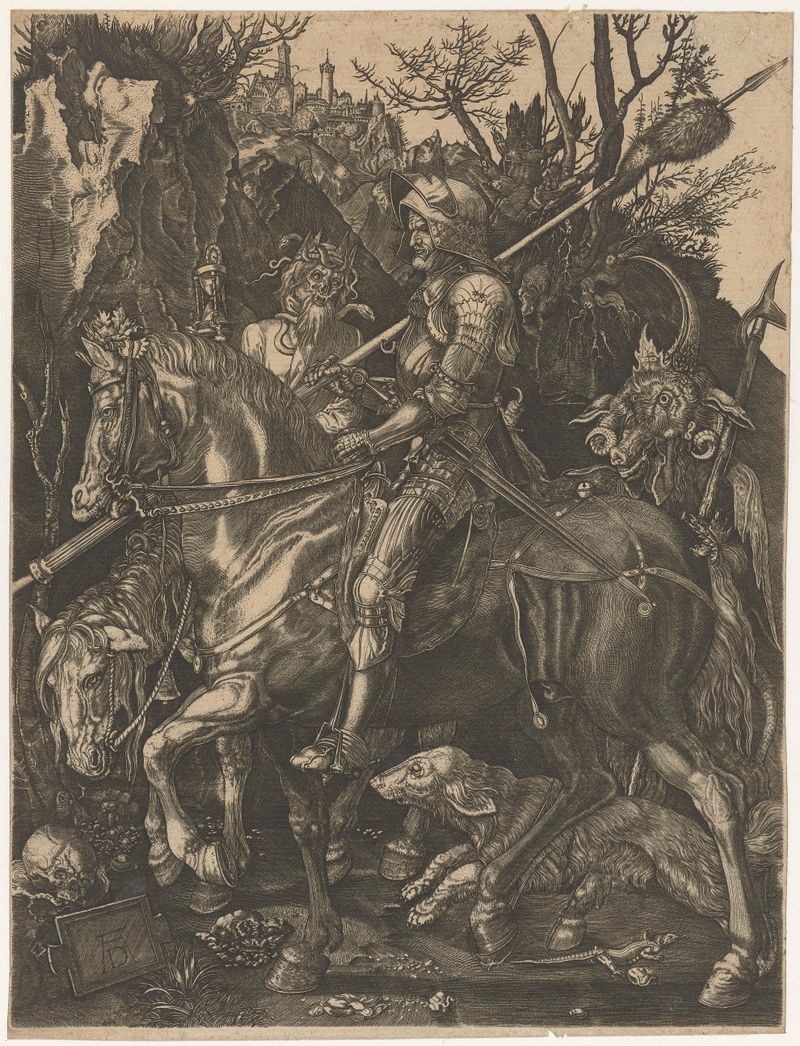
Ridder, Dood en Duivel
Unknown Artist
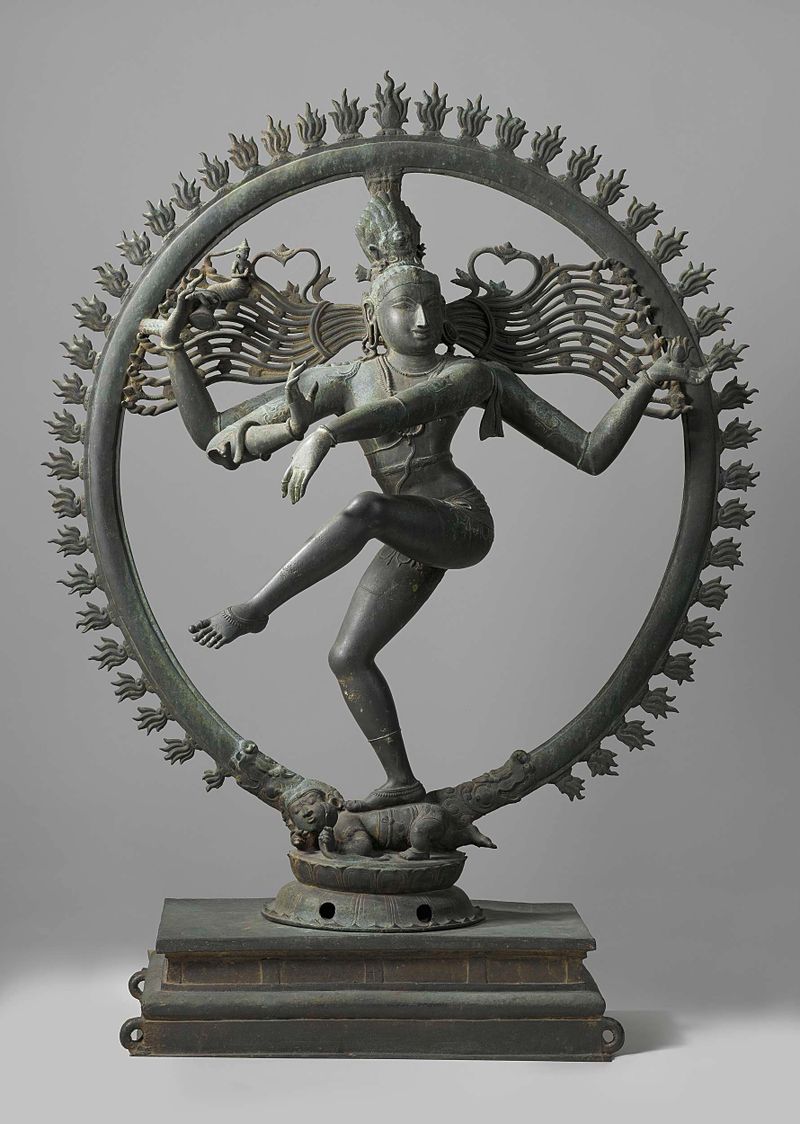
Shiva Nataraja
Unknown Artist
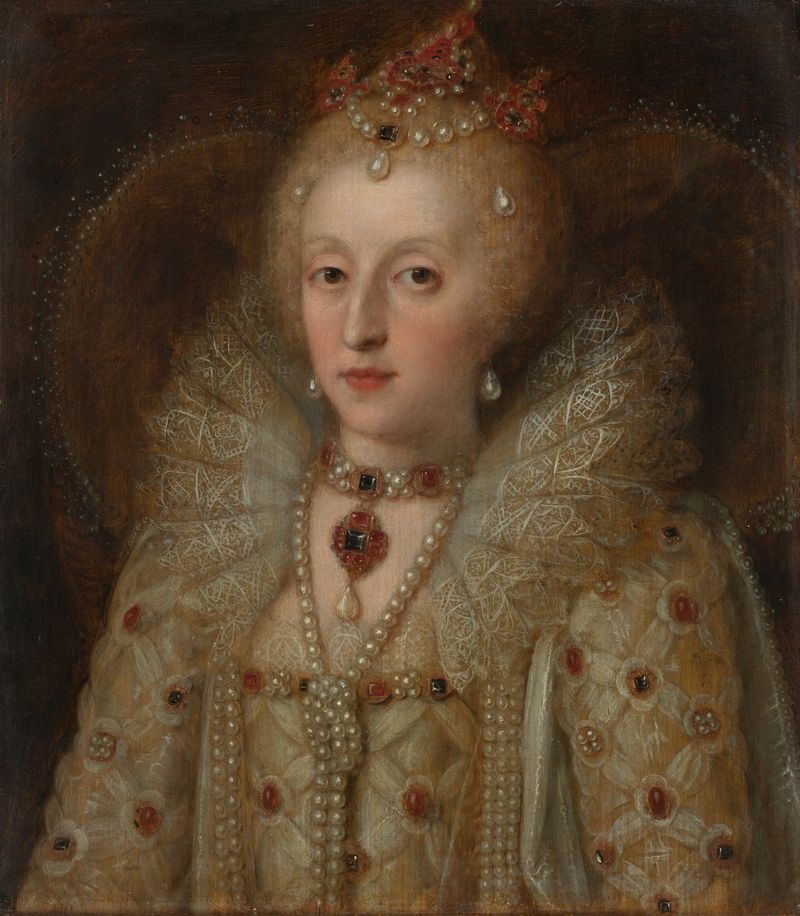
Portrait of Elizabeth I, Queen of England
Unknown Artist
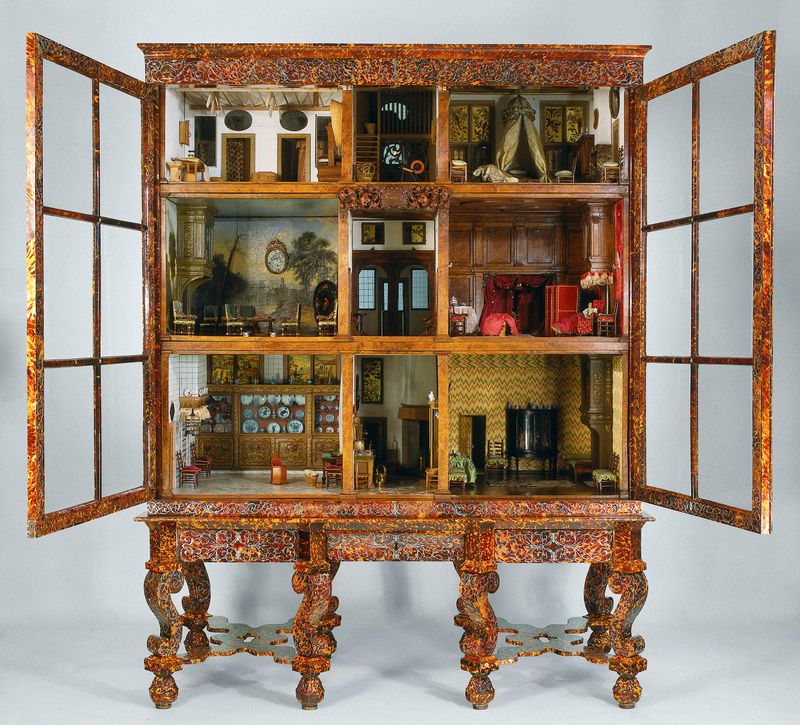
Dolls’ house of Petronella Oortman
Unknown Artist
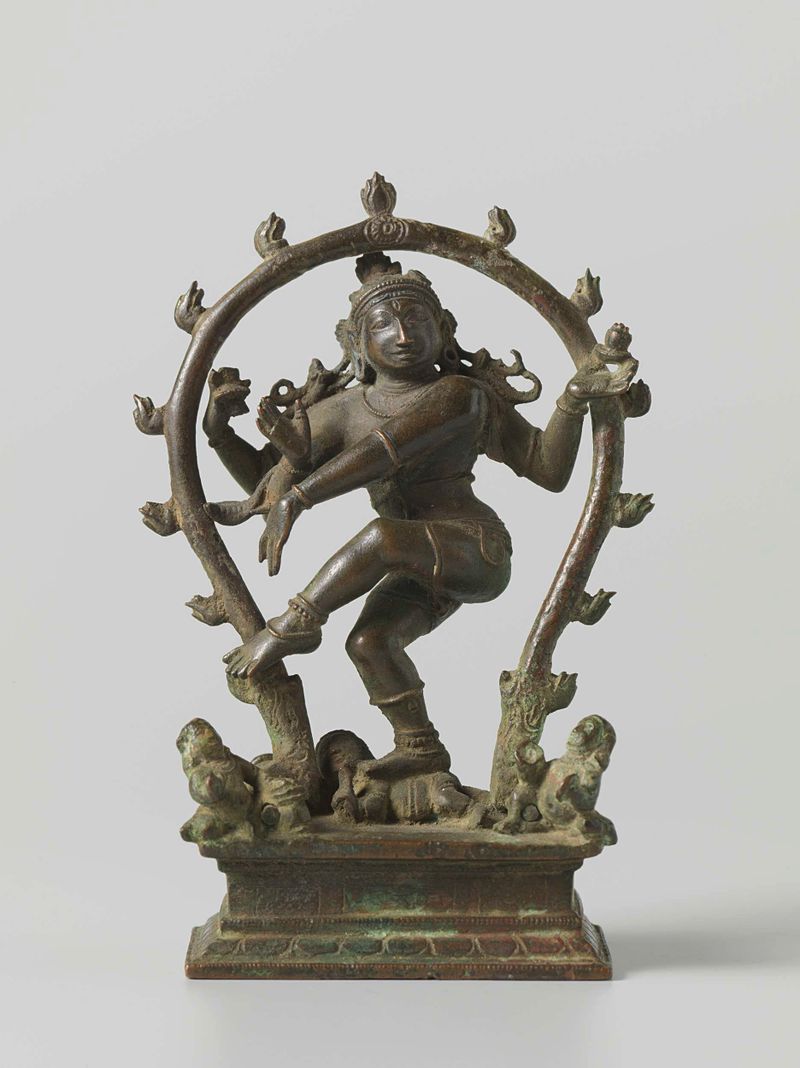
Shiva Nataraja
Unknown Artist

The Tale of Genji
Unknown Artist

The Tale of Genji
Unknown Artist

Cong
Unknown Artist
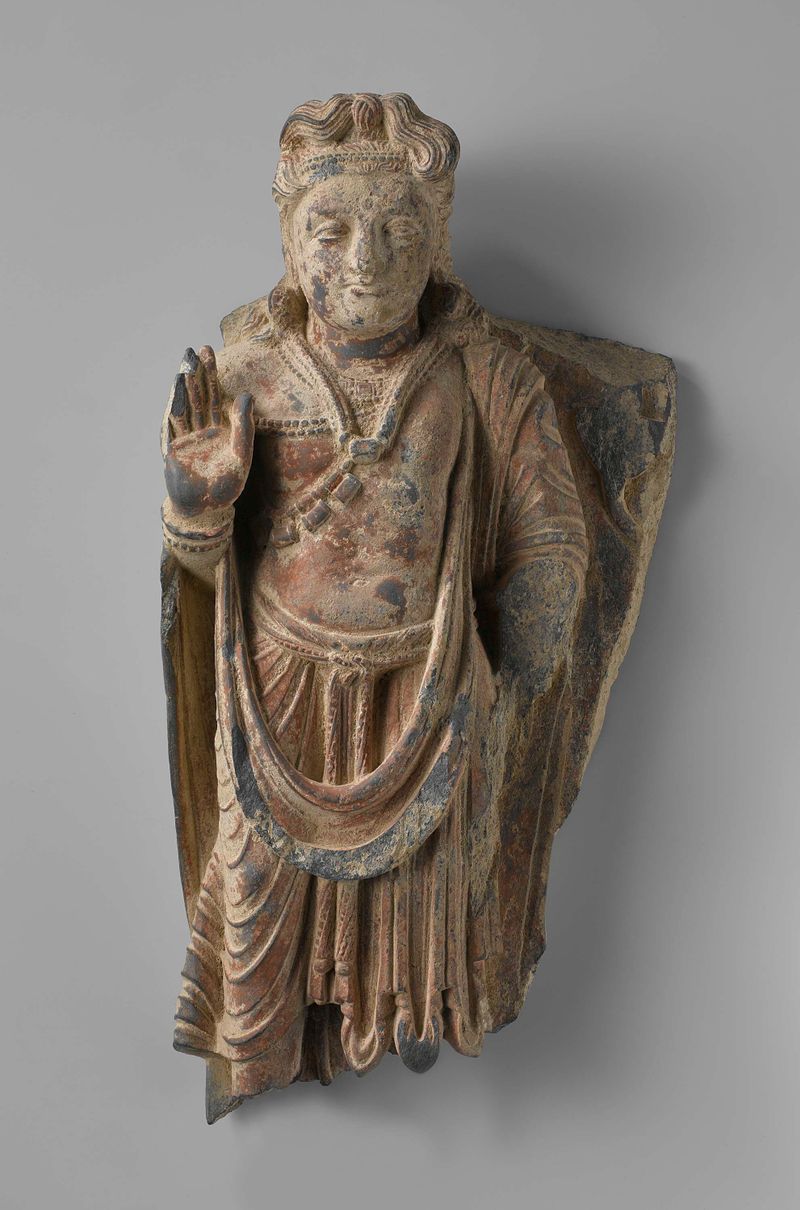
The bodhisattva Maitreya
Unknown Artist

Teabowl with a 'hare's fur' glaze
Unknown Artist