
Zamość Pl.8 — History & Facts
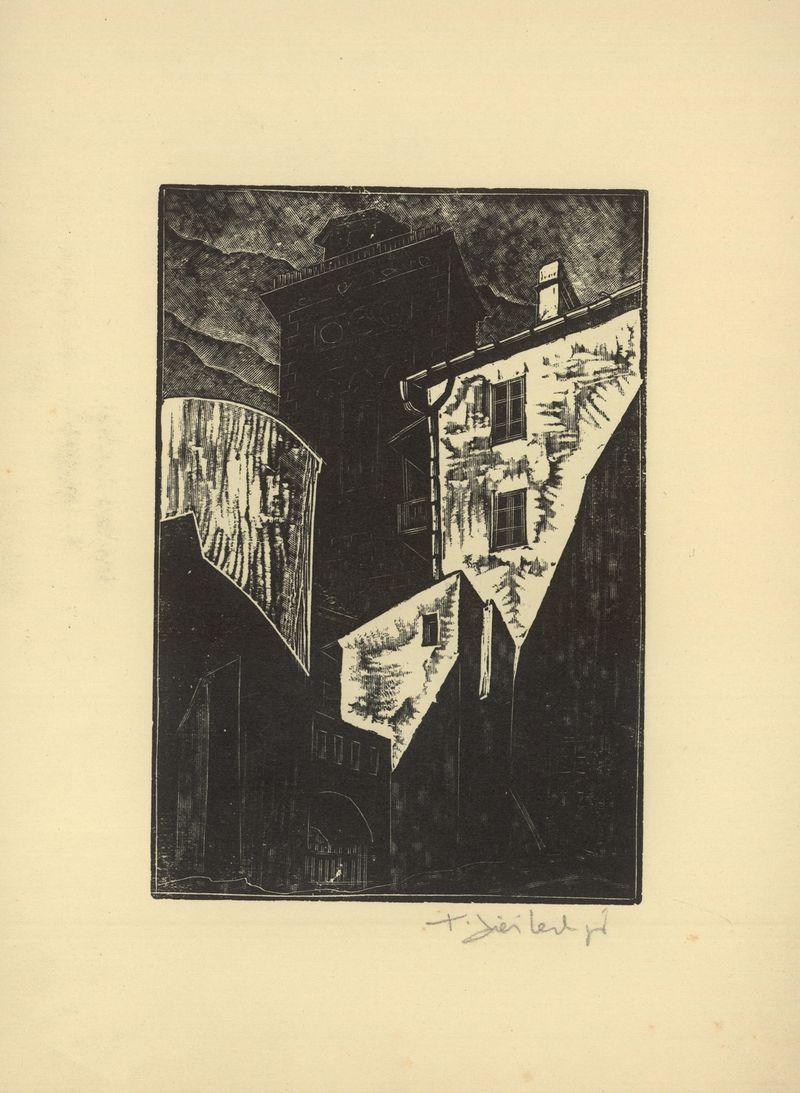
When did color learn to lie? The question echoes through the canvas, challenging the observer to unravel the intricate dance between light and shadow. Here, hues blend and clash, blurring lines of reality and illusion, inviting reflection beyond the visible. Look to the left at the deep indigo shadows that stretch gracefully across the cobblestones, their oppressive weight contrasting sharply with the vibrant oranges and yellows of the buildings. Notice how the sunlight cascades at an angle, illuminating certain façades while surrendering others to the depths of shade.
This careful manipulation of light not only crafts a sense of depth but also creates a rhythmic tension, where each shadow tells a story of absence amid the warmth of presence. Delve deeper into the composition, and you’ll find nuances that speak to the duality of life in this Polish square. The shadowed corners suggest secrets unspoken and histories buried, while the lively colors hint at the vibrant life that pulses just out of view. It’s a visual paradox; even in the absence of light, there’s an unmistakable energy — a reminder that darkness isn’t merely absence; it’s a canvas for potential, a space where new stories await to be born. In 1929, during a period of artistic exploration and upheaval in Poland, Zamość Pl.8 emerged from Tadeusz Cieślewski's brush as a reflection of his environment.
Living through the interwar years, he sought to capture the essence of urban life amid social change. His work represents an era where tradition and modernity collided, and artists like him began to embrace new perspectives, shaping the evolving narrative of Polish art.
More Artworks by Tadeusz Cieślewski
Browse all →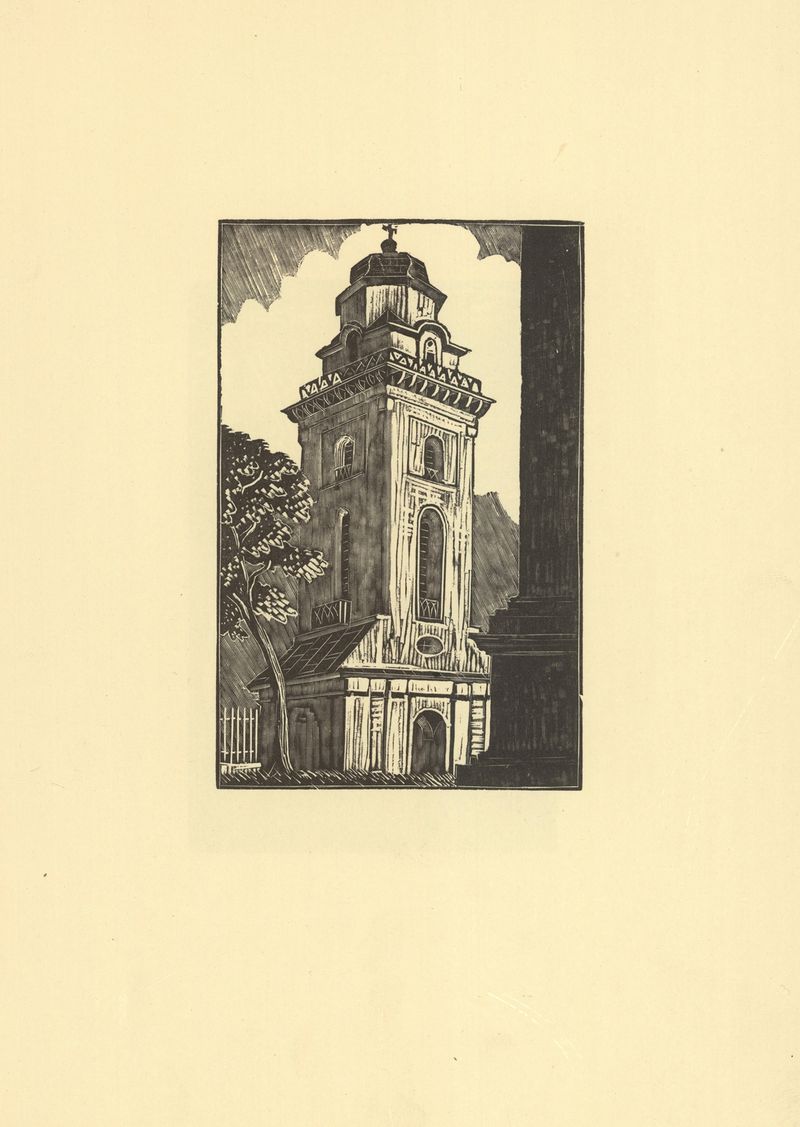
Zamość Pl.2
Tadeusz Cieślewski
Dwanaście widoków Warszawy – Title page
Tadeusz Cieślewski
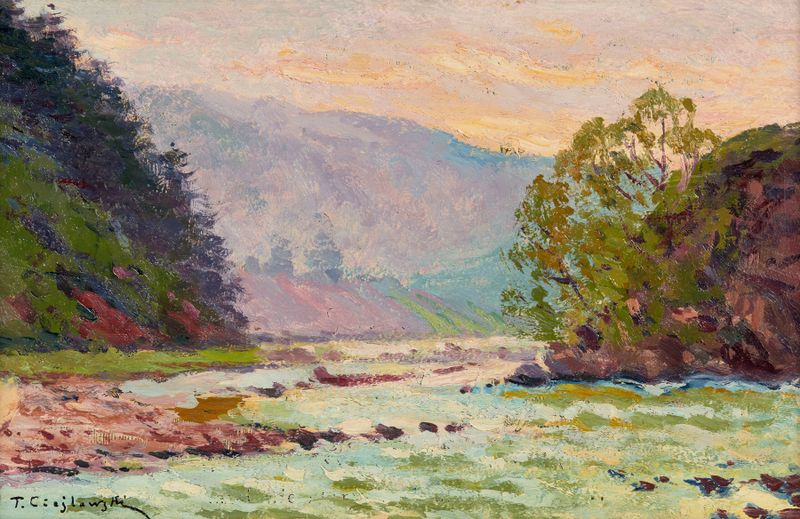
Mountainous landscape with a river
Tadeusz Cieślewski
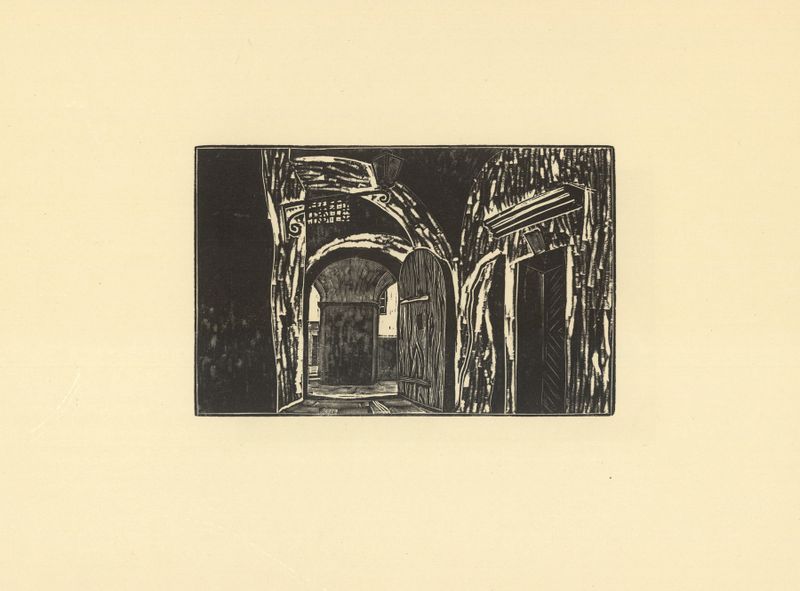
Zamość Pl.3
Tadeusz Cieślewski
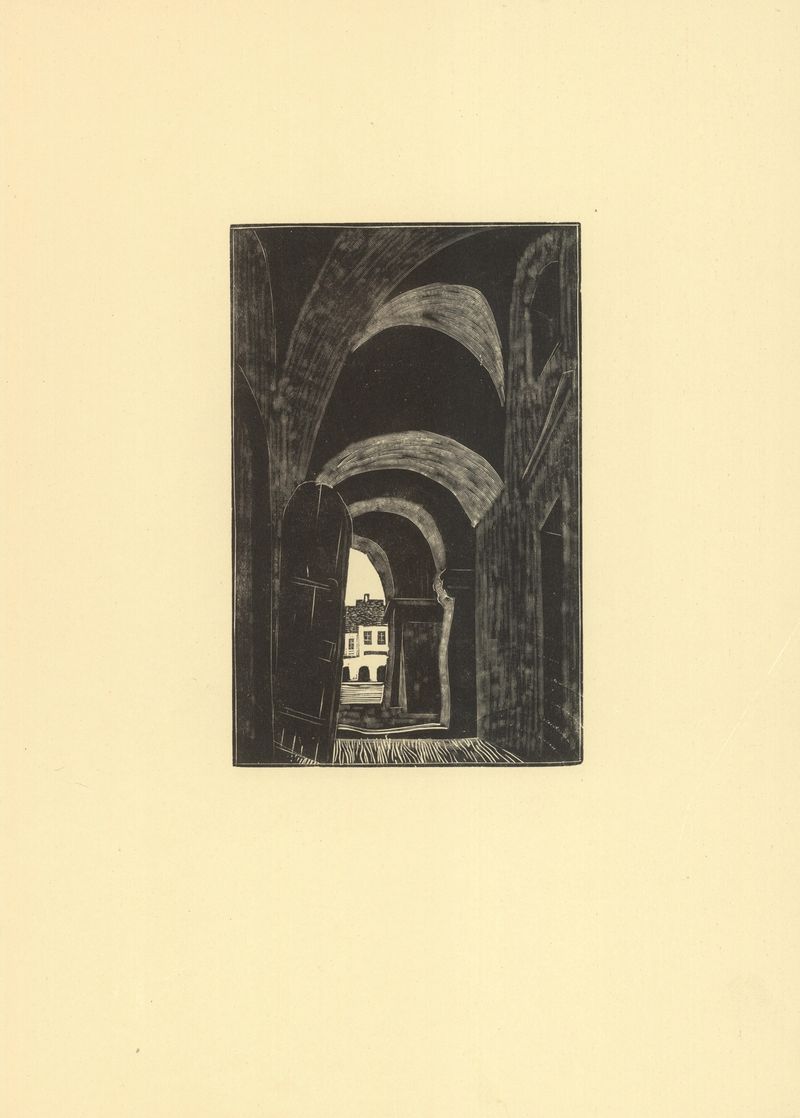
Zamość Pl.5
Tadeusz Cieślewski
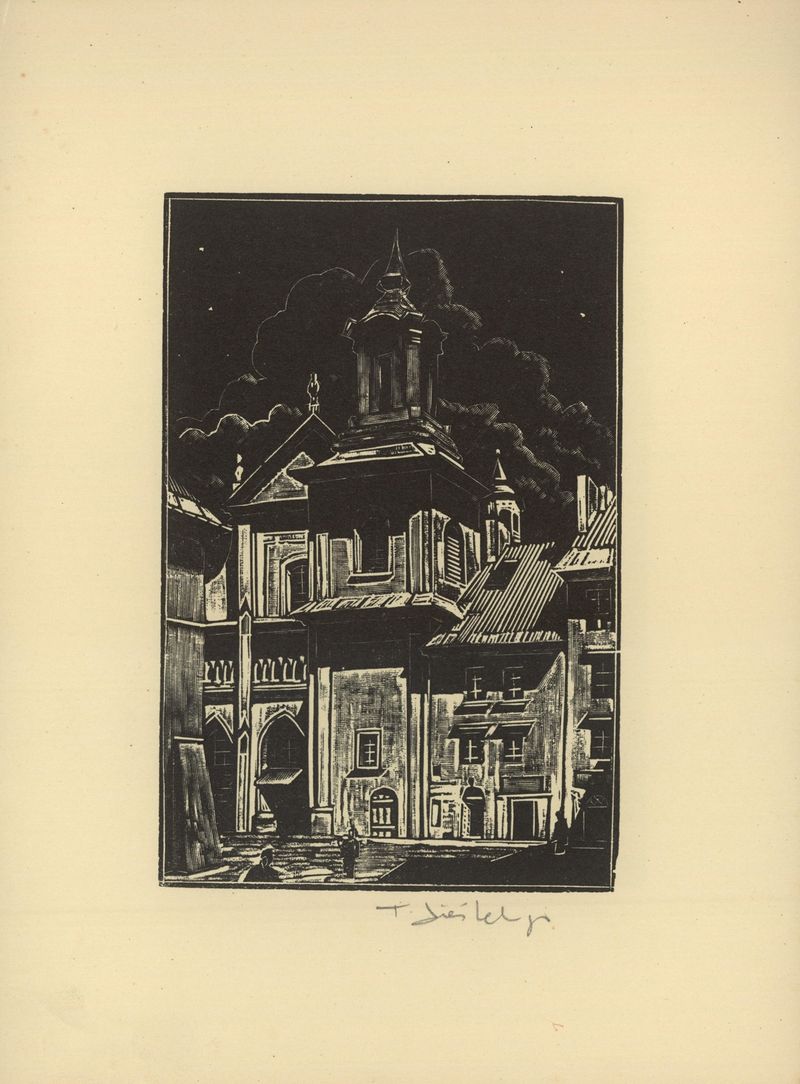
Kościół Dominikanów
Tadeusz Cieślewski

Pomnik Kopernika
Tadeusz Cieślewski
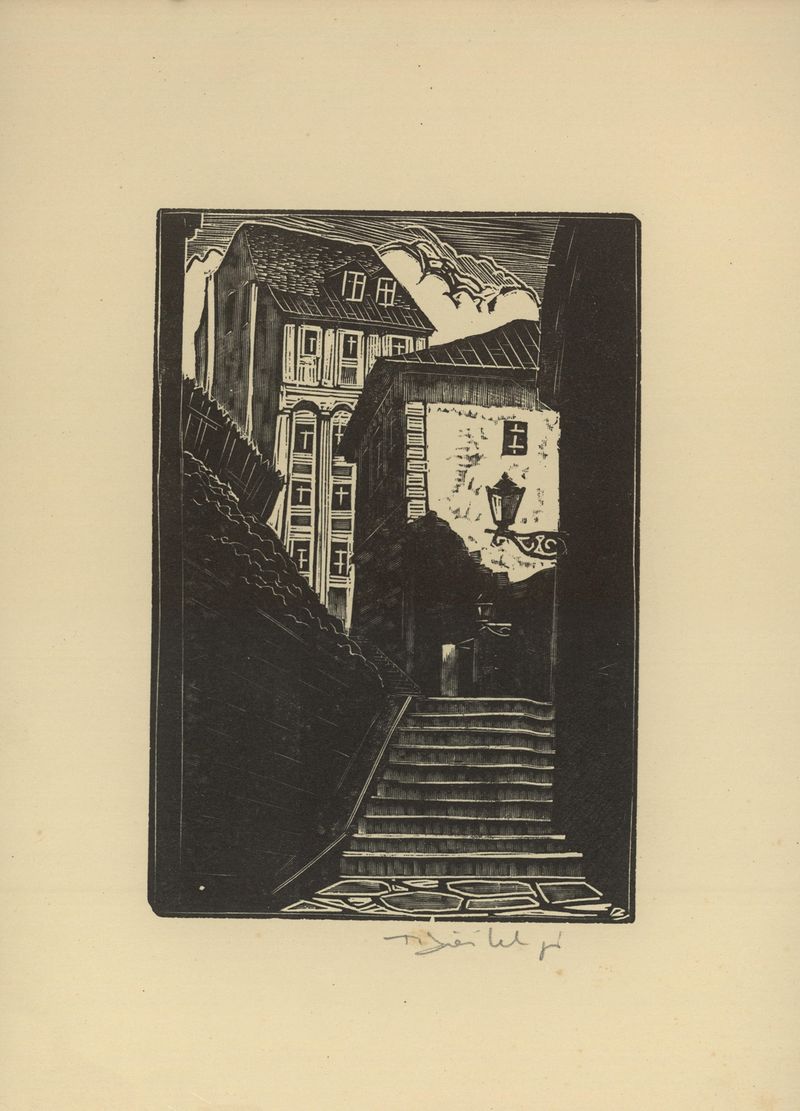
Kamienne Schodki
Tadeusz Cieślewski
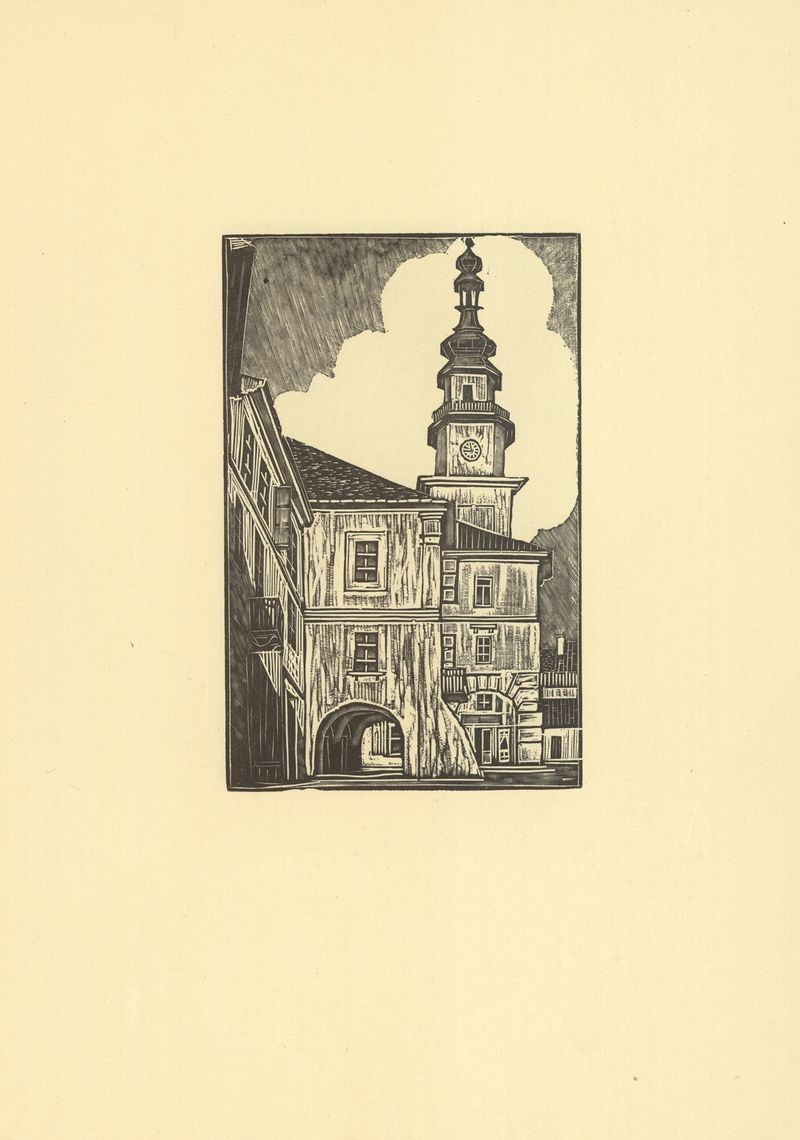
Zamość Pl.4
Tadeusz Cieślewski
Wieża Bernardynów
Tadeusz Cieślewski





