Zilverreiger in de regen — History & Facts
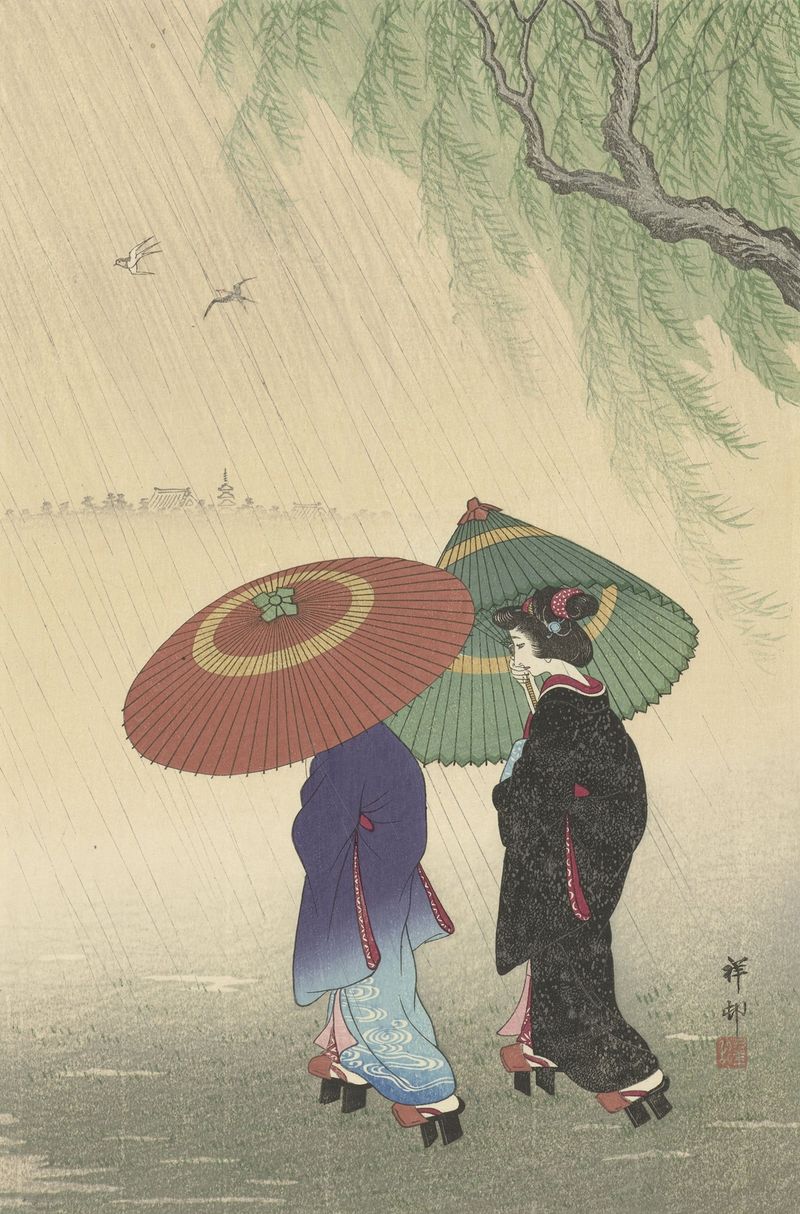
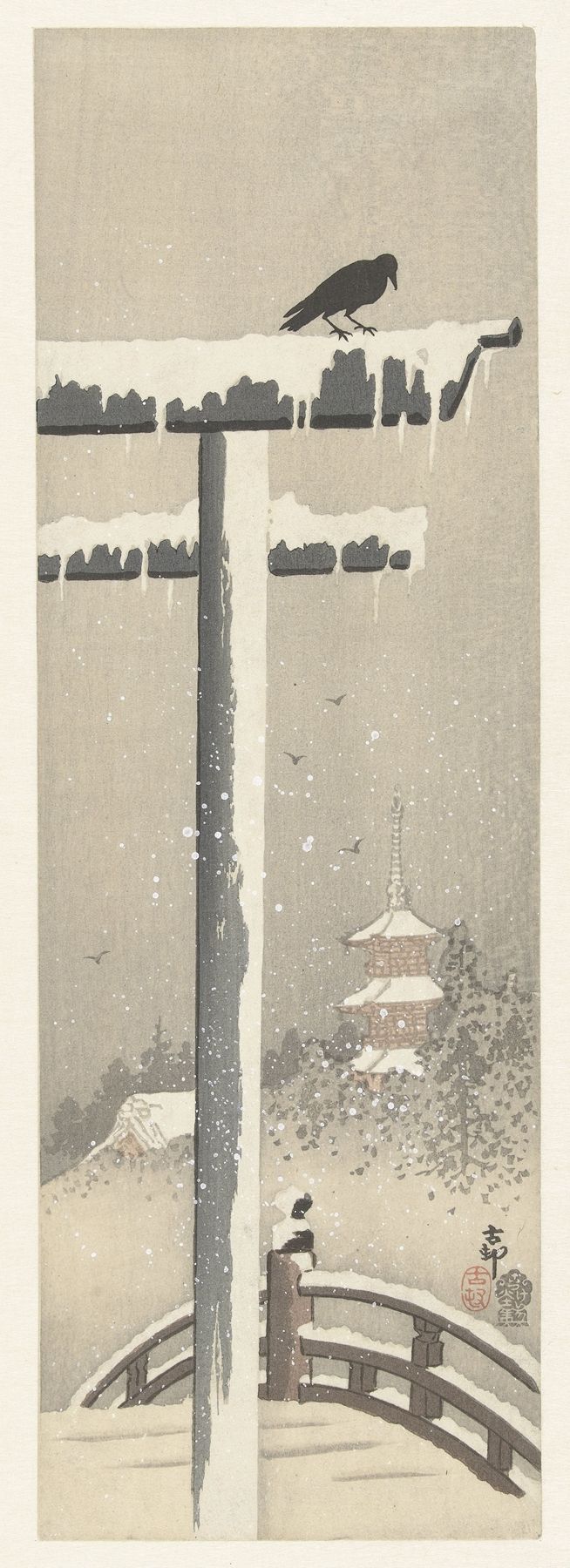
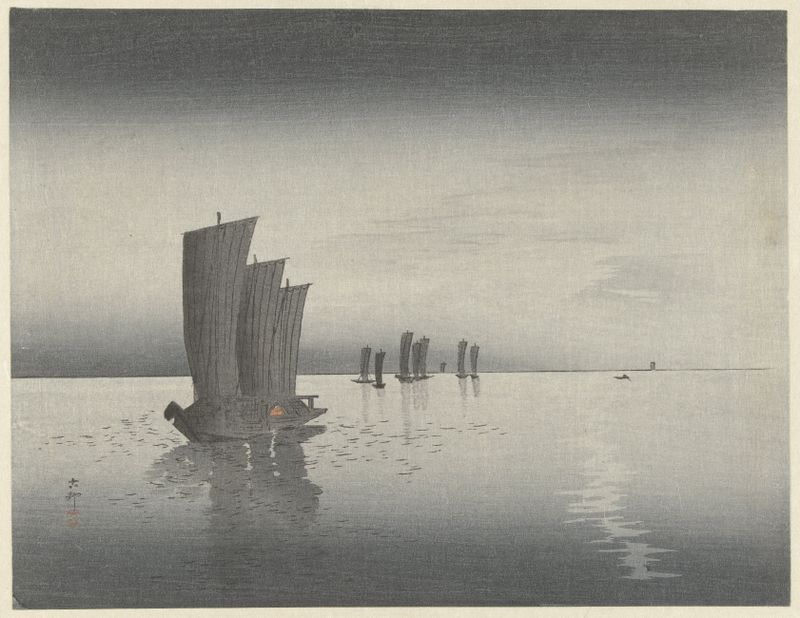
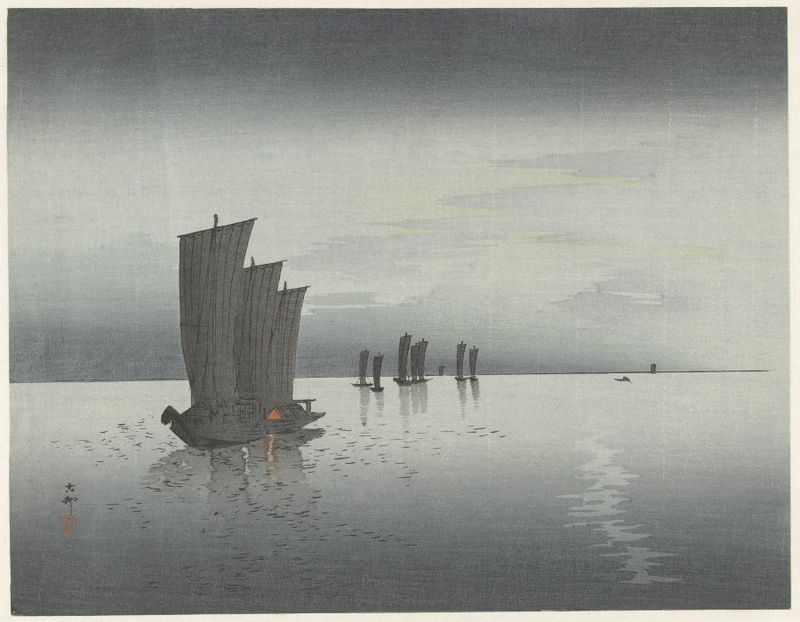
In the delicate interplay of hues and forms, transcendence emerges effortlessly, inviting us to pause and reflect. Look to the soft blues and muted grays that envelop the canvas, drawing your gaze to the exquisite silver heron poised gracefully amidst the gentle rain. Notice how the artist employs a subtle gradient of color to capture the ethereal quality of water and sky, creating a sense of harmony that seems to breathe with each drop that falls. The meticulous brushwork conveys the texture of the bird’s feathers, contrasting with the fluidity of the rain, while the negative space envelops the composition, evoking a profound stillness. This painting conveys a sense of solitude, where the heron stands as a symbol of resilience and tranquility.
The rain—often seen as a harbinger of gloom—here becomes a cleansing force, suggesting renewal and a deeper connection to nature. The juxtaposition of the heron’s poised elegance against the backdrop of rain illustrates an emotional tension between isolation and fulfillment, a moment of quiet contemplation amidst life's turbulence. Created between 1925 and 1936 in Japan, this work emerged during a time when artists like Ohara Koson were navigating the intersection of traditional aesthetics and modern influences. Post-war Japan saw a resurgence of interest in Ukiyo-e, the genre that Koson helped to revitalize, grounding his practice in both natural beauty and the fleeting moments of life, capturing a world on the cusp of change.