Zimmerwald — History & Facts
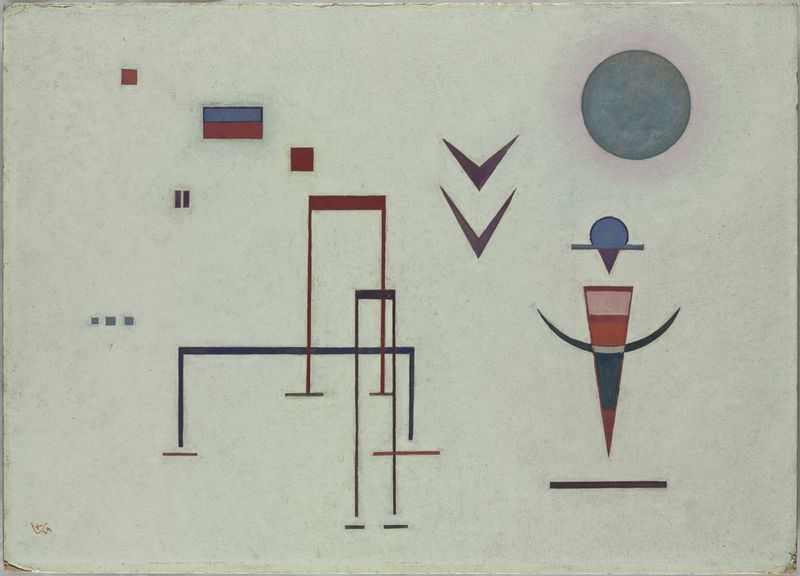
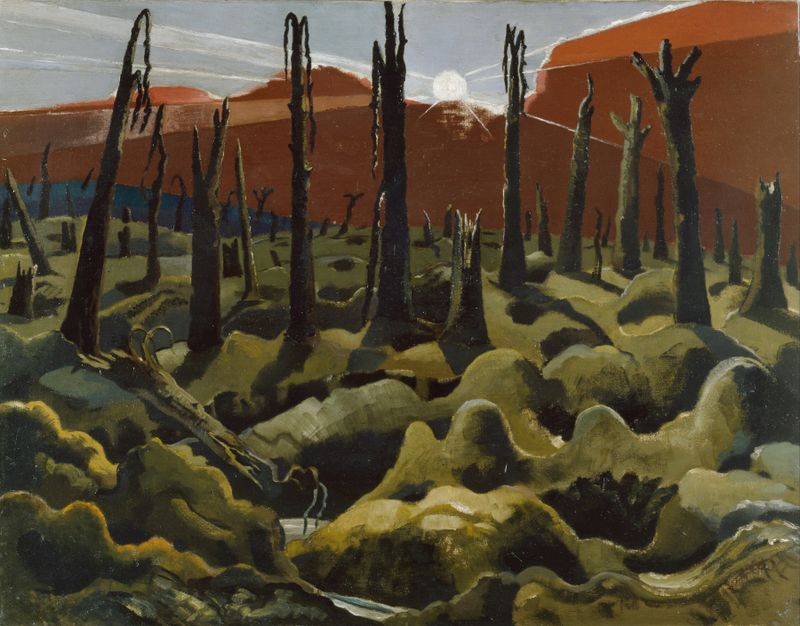
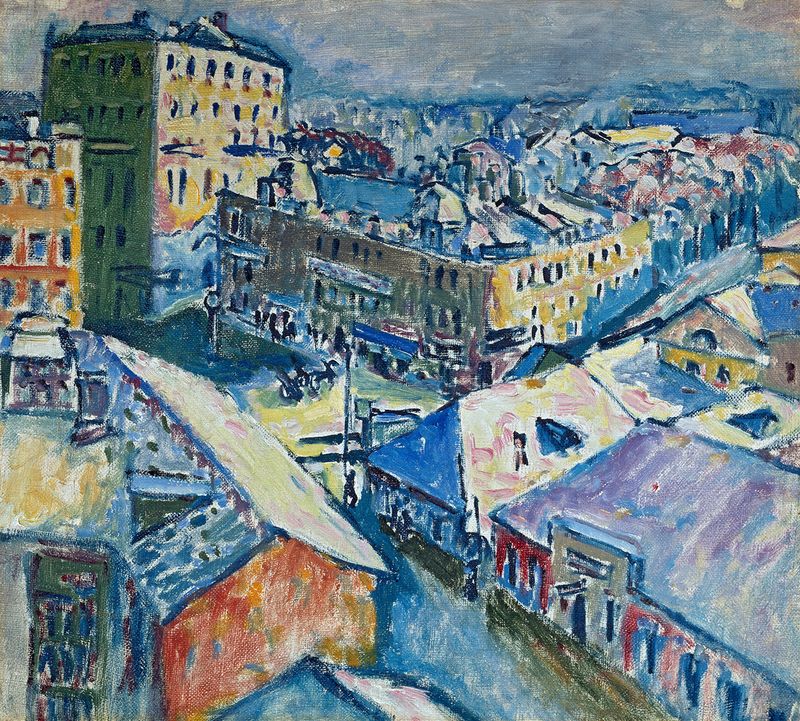
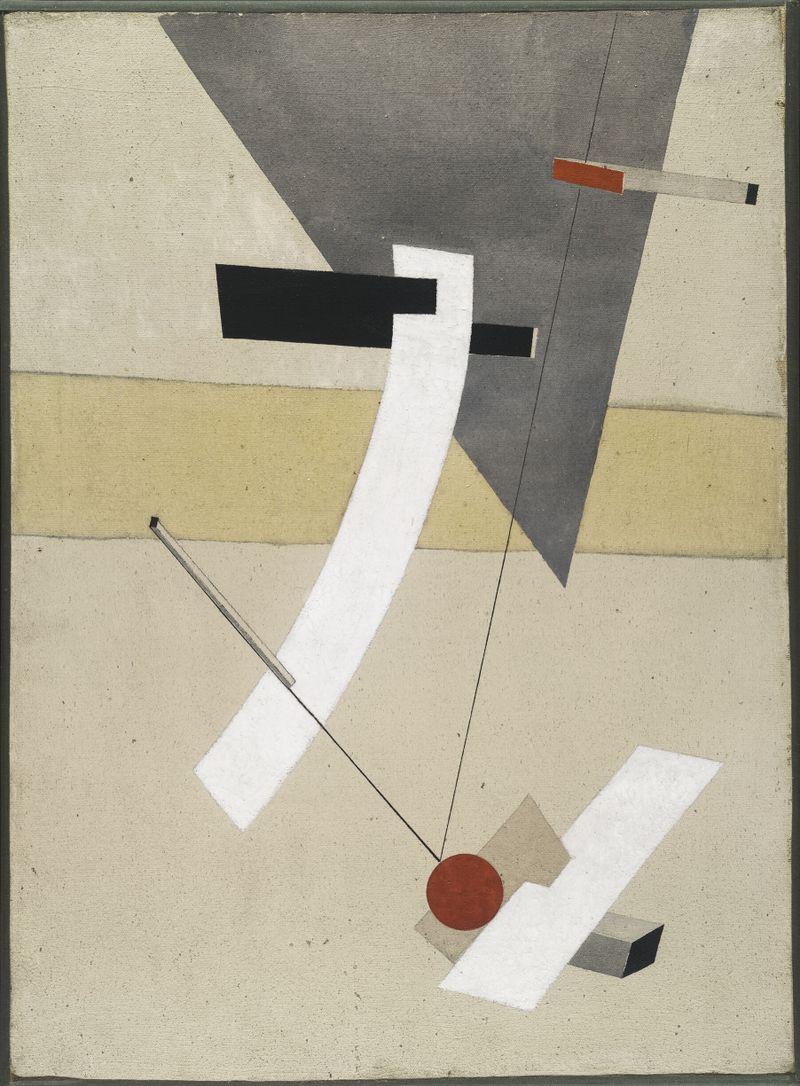
When did color learn to lie? In the tangled web of hues, madness whispers between the brushstrokes, blurring the line between reality and illusion. Look to the center of the canvas, where chaotic splashes of crimson clash with serene blues, revealing a tempest within the soul. The disarrayed forms dance and twist, drawing the eye into a vortex of frenetic energy and unresolved tension. Notice how the artist employs contrasting colors not just to depict, but to evoke — the warm tones pulse with urgency while cooler shades encapsulate a haunting stillness, suggesting that chaos and calm often coexist. Delve deeper into the work and uncover layers of meaning beneath its vibrant chaos.
The jagged edges and fragmented shapes reflect a sense of inner turmoil, inviting viewers to ponder the nature of sanity. Each stroke seems to challenge perception, urging an exploration of how madness can distort not only one’s visual landscape but also one’s understanding of self. The erratic brushwork speaks to the dissonance between inner experiences and external appearances, an unsettling reminder that the mind can be a labyrinth of contradictions. The artist created this piece during a time of personal introspection and societal upheaval.
Working in a contemporary context where emotions frequently collided with the realities of life, he sought to reflect the complexities of human existence through abstract expression. This exploration of the chaotic interplay between color and emotion resonates with a broader movement in the art world, where the boundaries of perception were constantly being redefined.
More Artworks by Jakob Samuel Weibel
Browse all →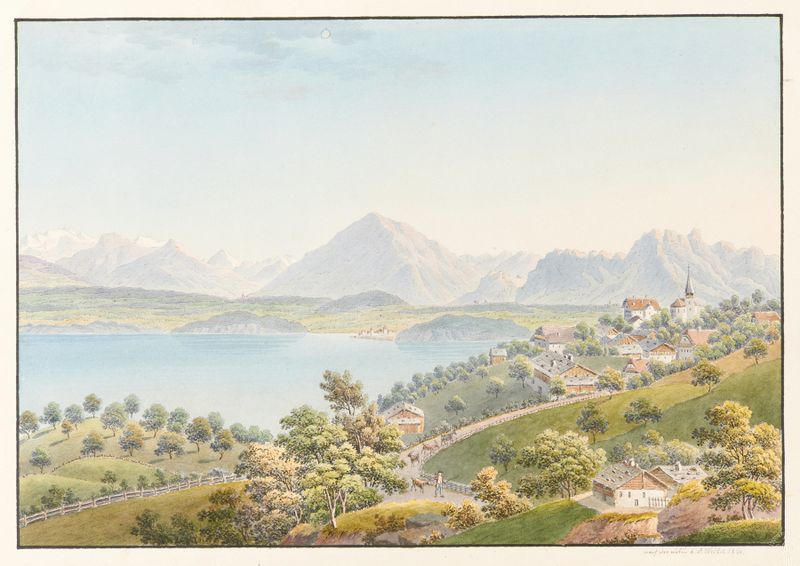
Vue dessiné depuis le Village de Sigriswil, audessus du Lac de Thoune
Jakob Samuel Weibel
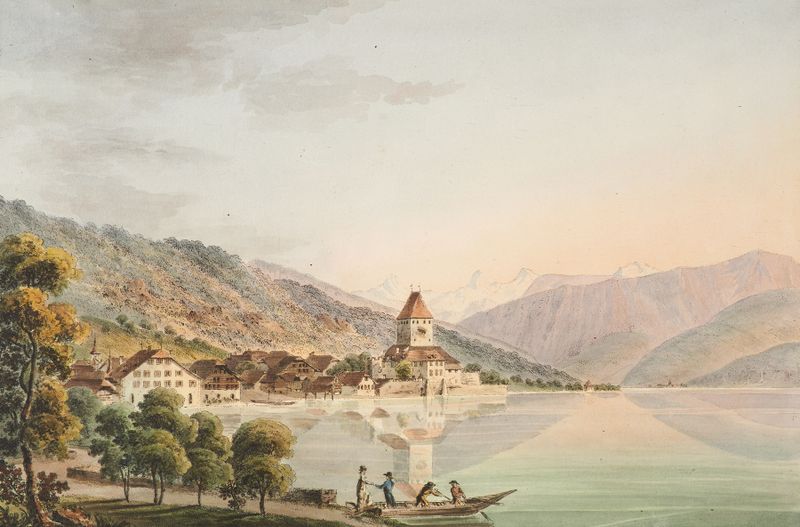
Vûe du Chateau d’Oberhofen au Lac de Thoune
Jakob Samuel Weibel
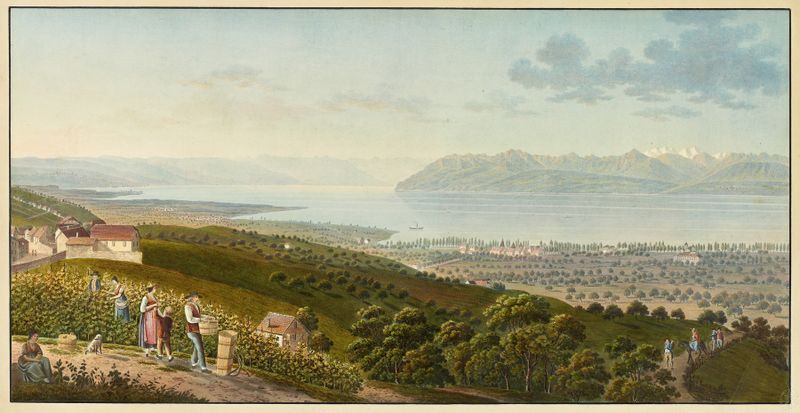
Vue genérale du Lac de Geneve
Jakob Samuel Weibel
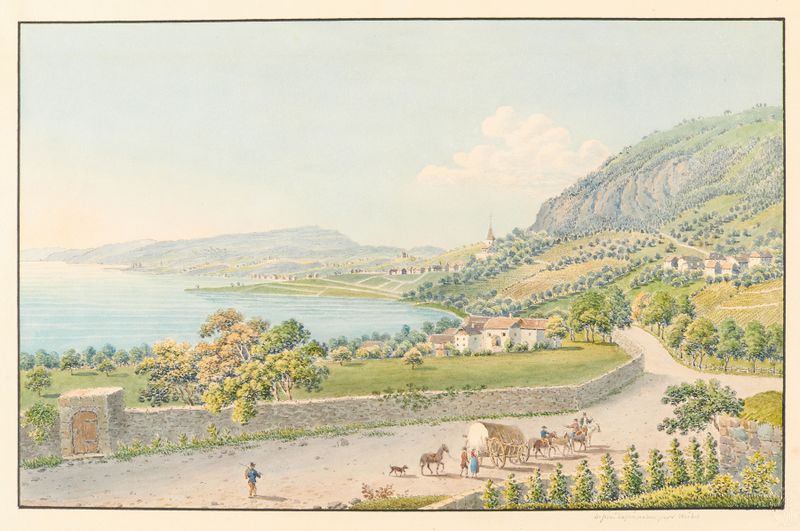
Vue des environs de Montreux et de Clarens
Jakob Samuel Weibel
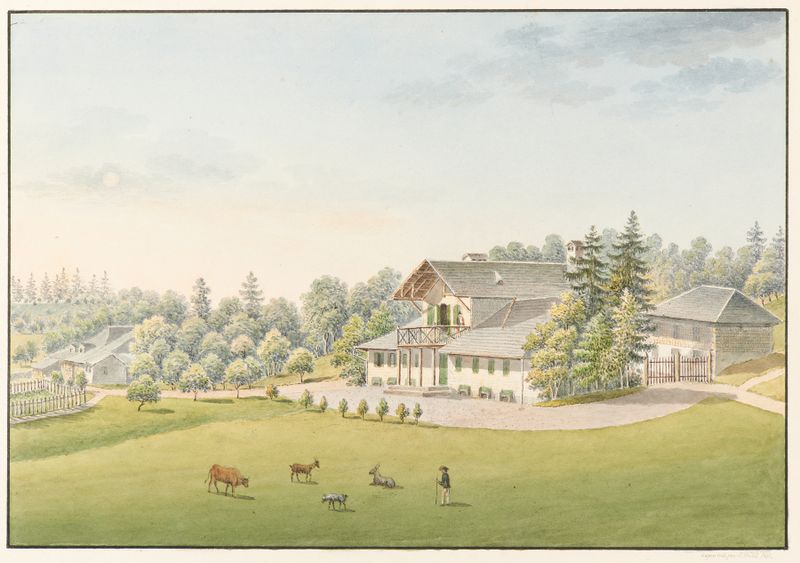
Vue du nouveau Châlet de Vernand
Jakob Samuel Weibel
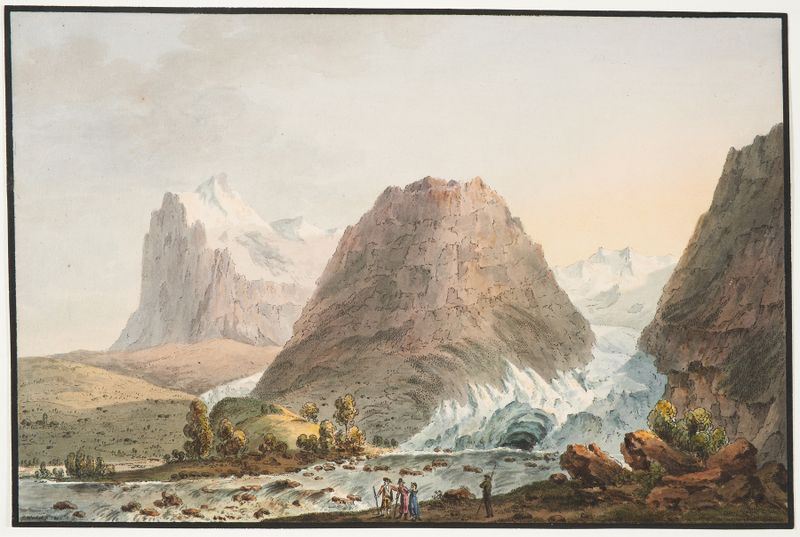
Vûe des Glacieres de Grindelwald
Jakob Samuel Weibel
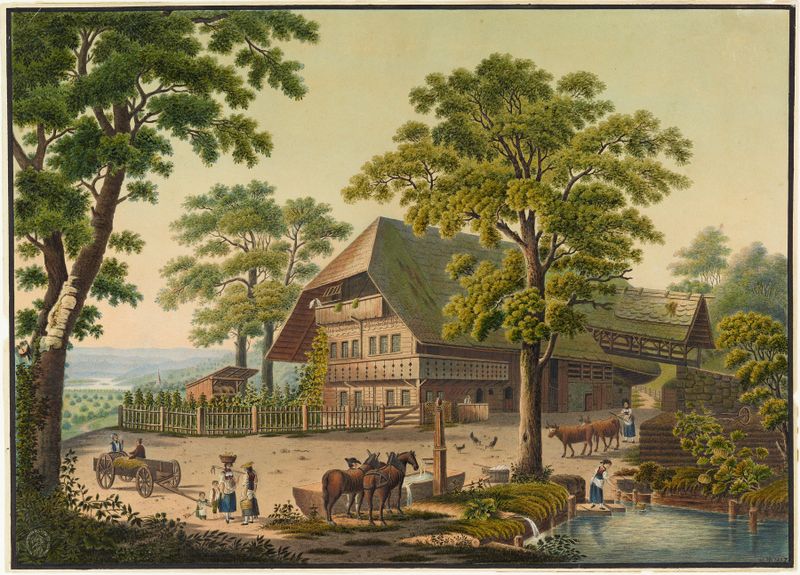
Maison de paysan près Wichtrach
Jakob Samuel Weibel
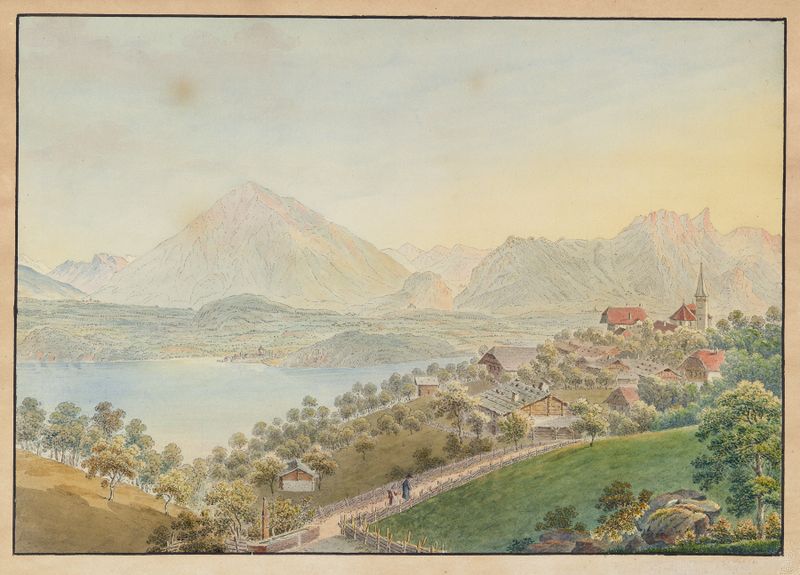
Ansicht von Sigriswil mit Niesen und Thunersee
Jakob Samuel Weibel
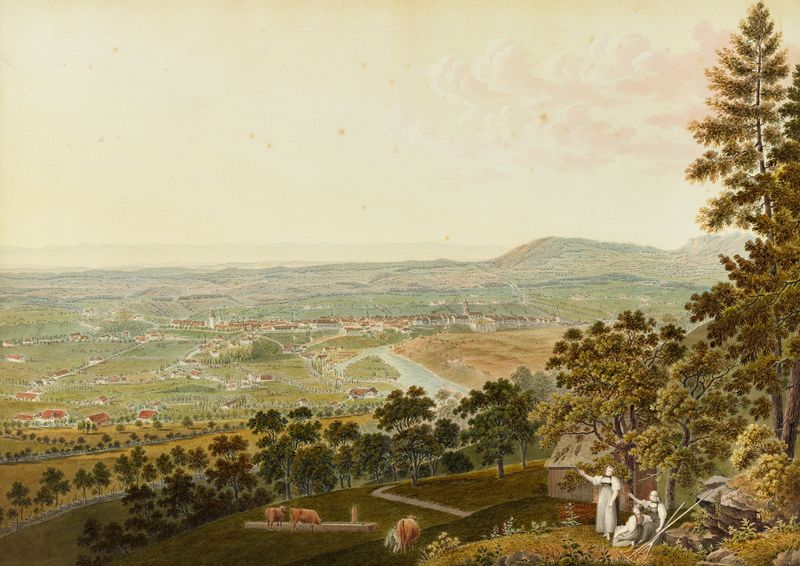
Ansicht Berns und der Aare vom Gurten aus
Jakob Samuel Weibel

Lausanne Ville capitale du Canton de Vaud
Jakob Samuel Weibel