
Zomer, middag en lucht — History & Facts
What if beauty was never meant to be finished? In a world defined by ephemeral moments, Zomer, middag en lucht captures the essence of an unending summer, inviting us to linger in its warm embrace. Focus first on the vibrant interplay of blues and golds that dominates the canvas. The azure sky flows seamlessly into the golden fields, suggesting a horizon where earth and heaven converge. Notice how the light dances across the landscape, illuminating every blade of grass and casting gentle shadows that breathe life into the scene.
The composition draws the viewer’s eye toward the horizon, where the heavens appear almost infinite, beckoning one to venture further into this idyllic summer day. Within this idyllic setting lies a subtle tension—a juxtaposition of fleeting moments and enduring hope. The soft strokes of paint embody a sense of tranquility while hinting at the passage of time, an invitation to reflect on life's transient beauty. The blooming flowers, vibrant yet elusive, whisper of joy and longing, suggesting that even in moments of perfection, there is an underlying awareness of impermanence. Created in 1797, Zomer, middag en lucht reflects the transitional period in Jacob Cats' life as he embraced the Neoclassical style.
During this time, he settled in The Hague, and his works mirrored the serene Dutch landscapes, influenced by both nature and the changing tides of societal sentiment. As an artist, Cats sought to capture the sublime beauty of the everyday, leaving behind a legacy that resonates with hope and appreciation for life's fleeting nature.
More Artworks by Jacob Cats
Browse all →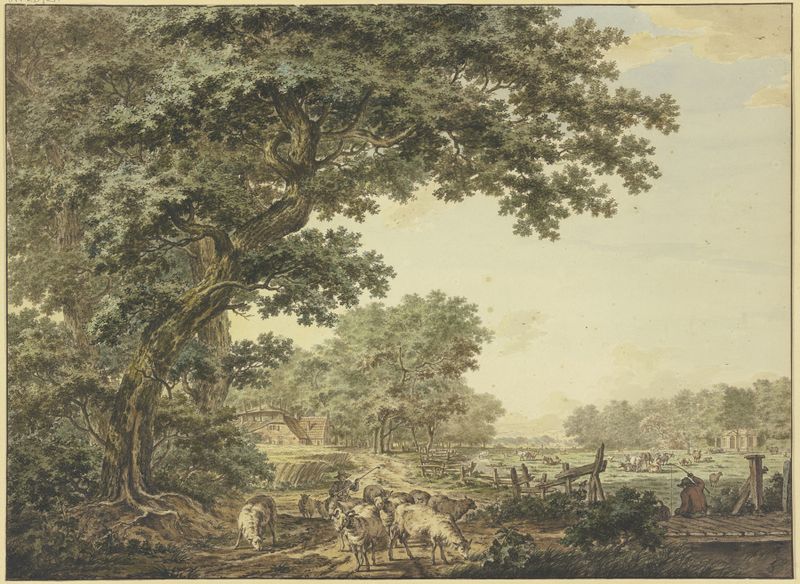
Wiesengrund zwischen dem Wald mit vielem Vieh, vorne ein Schäfer mit seiner Herde, auf einer Brücke rechts ein Angler
Jacob Cats
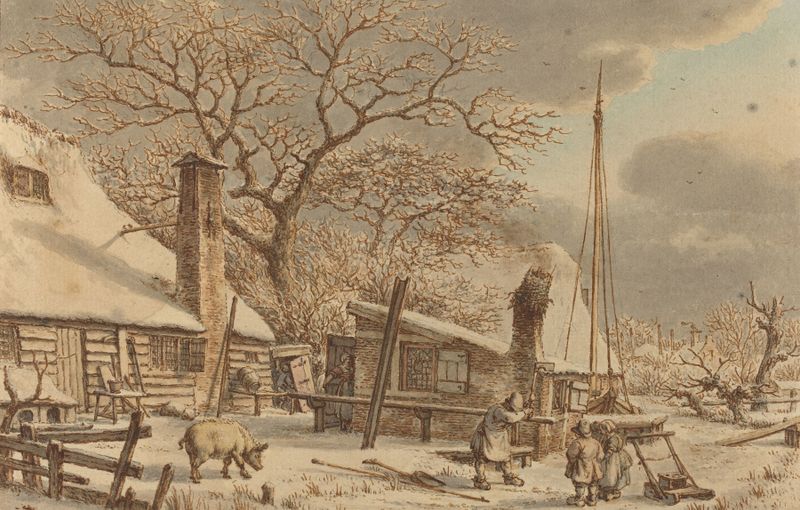
Farmyard in Winter
Jacob Cats
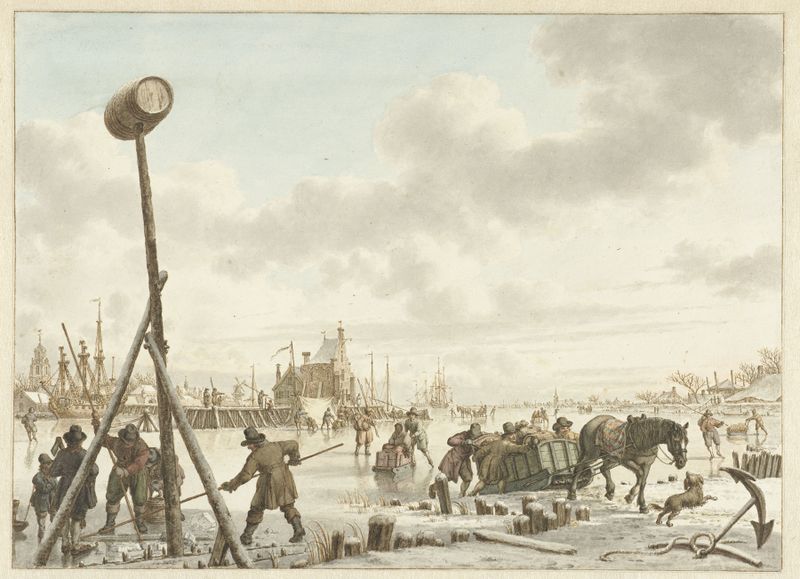
Bedrijvigheid op het ijs bij de stadswal van Veere
Jacob Cats
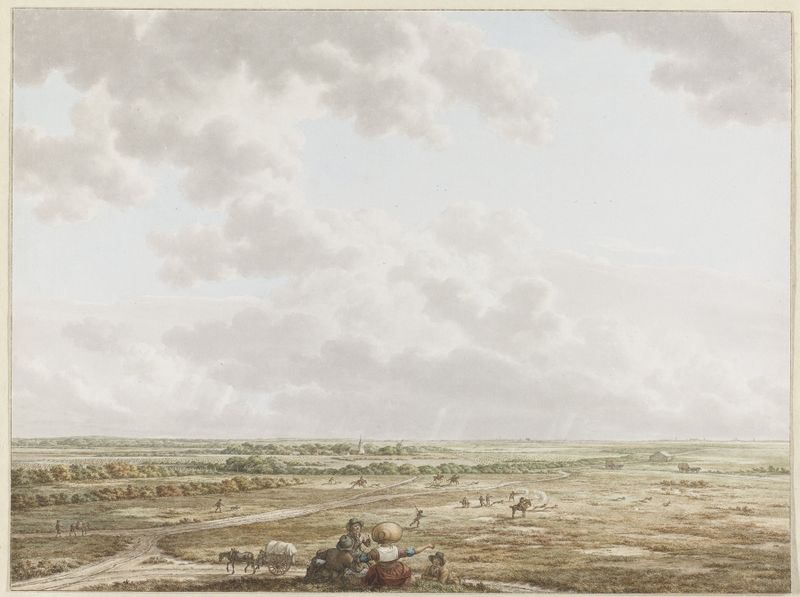
Gezicht van de Tafelberg bij Blaricum, met op de voorgrond Laren
Jacob Cats

Gezicht van de Tafelberg bij Blaricum, met links Craayloos’ Bosch en rechts de ‘tafel’
Jacob Cats
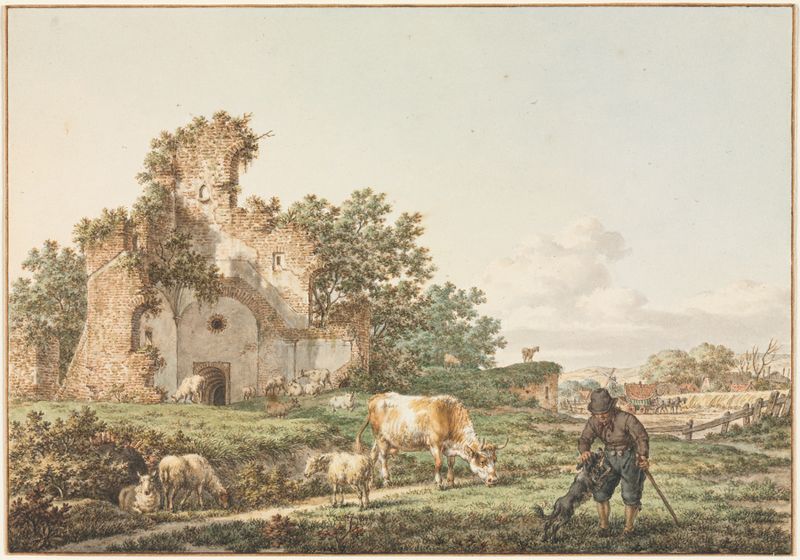
Pastoral Landscape with a Ruin
Jacob Cats
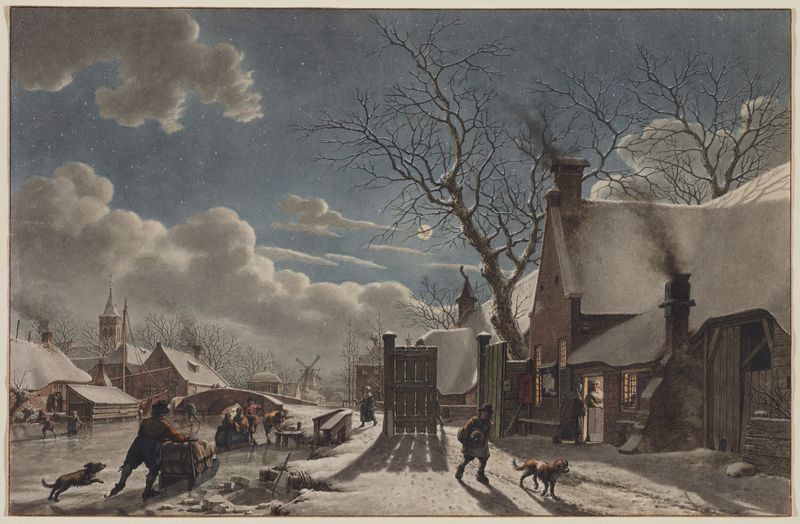
Winter Night in a Dutch Town
Jacob Cats

View of Heemstede
Jacob Cats
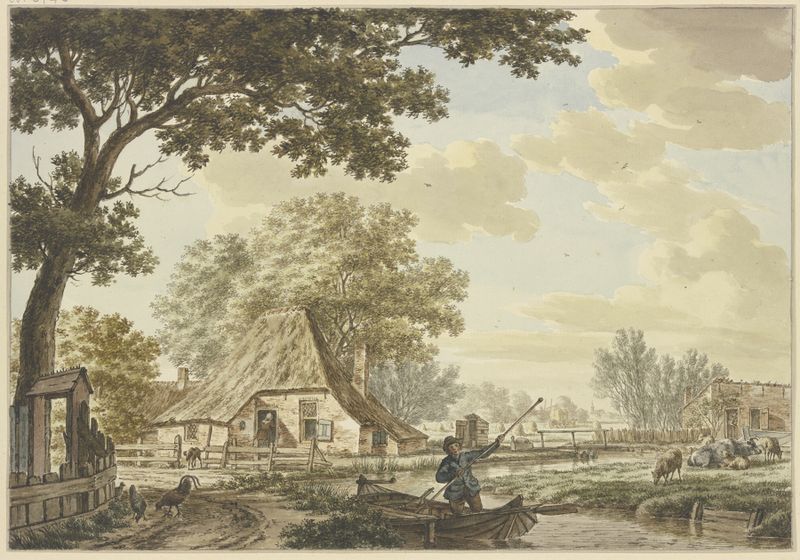
Enger Kanal bei einem Dorf, darauf ein Mann in einem Kahn, rechts Vieh, links Hühner
Jacob Cats
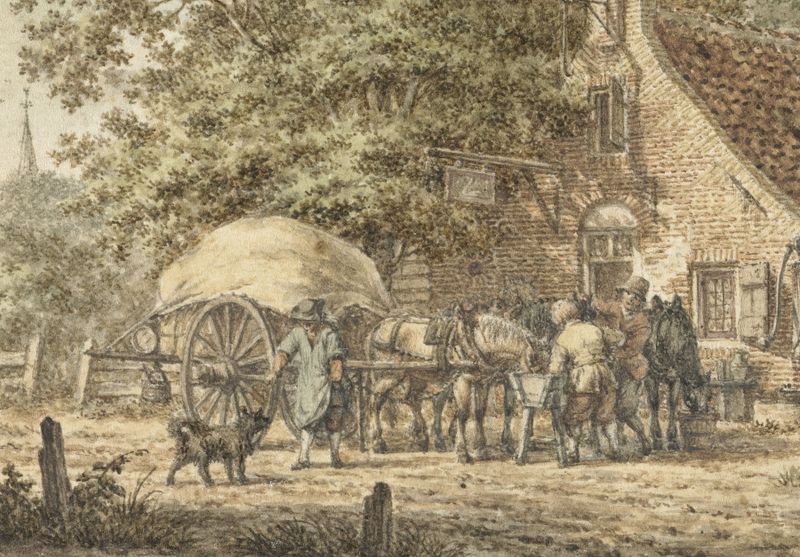
Halte voor een herberg in zomertijd
Jacob Cats





